
Disclosure: This post may contain affiliate links. If you purchase through one of our links, we may earn a commission at no additional cost to you.
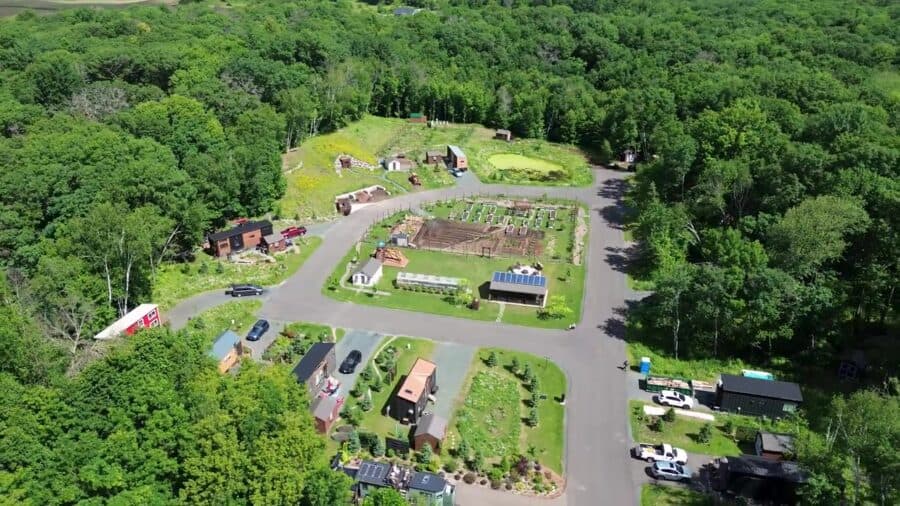
Plenty of tiny house communities didn’t start with a big developer. They started with a church that had spare land behind the sanctuary, a family with a few extra acres, a city willing to lease a vacant lot for a dollar, or a group of friends who wanted to live near each other.
Starting one yourself is a big project, but it follows a fairly predictable path. You decide what kind of community you’re building, find land where it’s allowed (or can be made allowed), decide which homes you’ll accept, plan the roads and utilities with the fire marshal and health department, pick a legal structure, line up money, and write the rules before anyone moves in. This guide walks through each step, what it really costs, how twelve real communities got started, and two that got shut down, so you can learn from both.
First, Decide What Kind of Community You’re Building
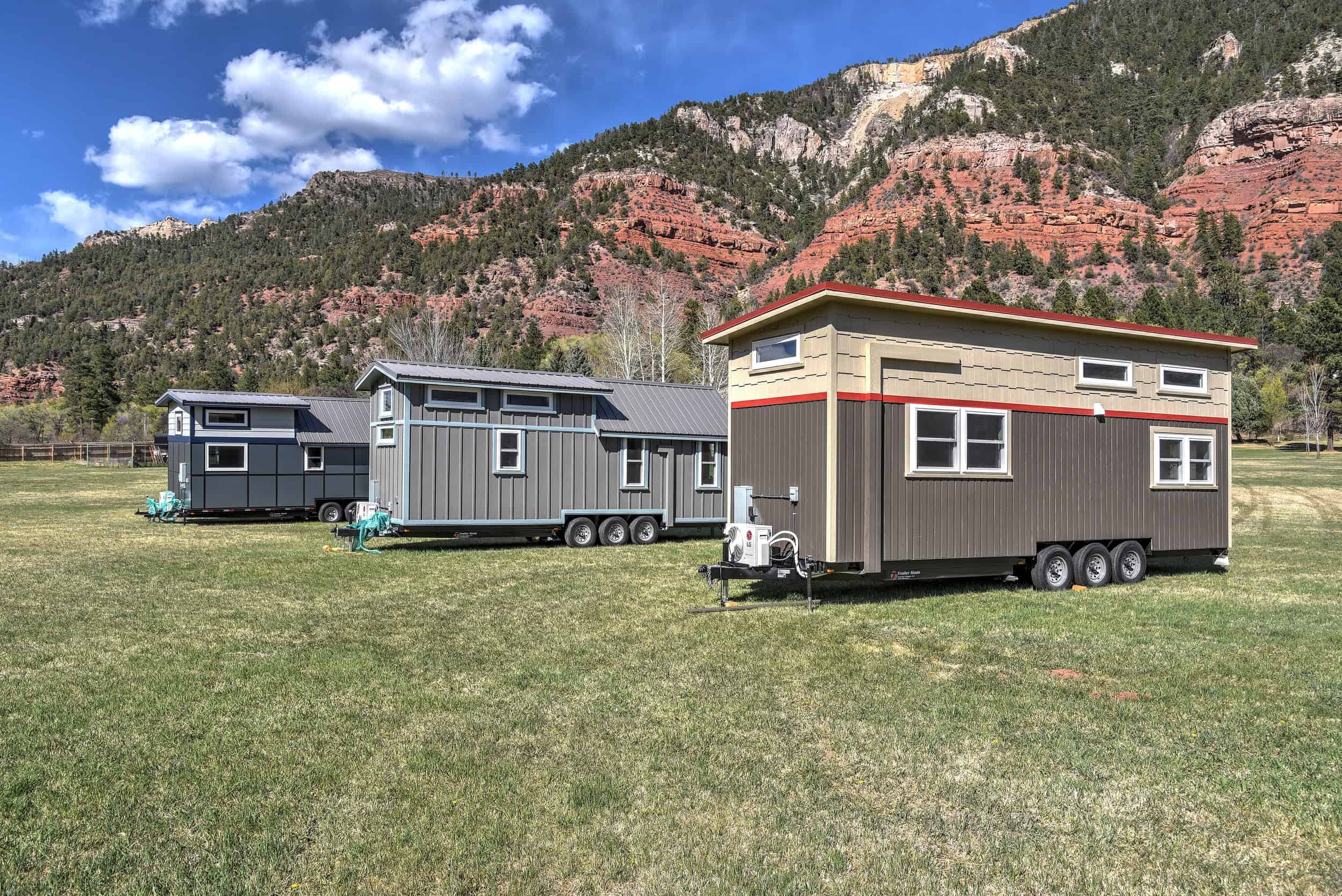
“Tiny house community” covers very different projects, and the type you choose decides almost everything that follows: which zoning you need, which homes you can accept, who owns what, and how you’ll pay for it. Most communities fall into one of these models:
| Model | How It Works | Real Example |
|---|---|---|
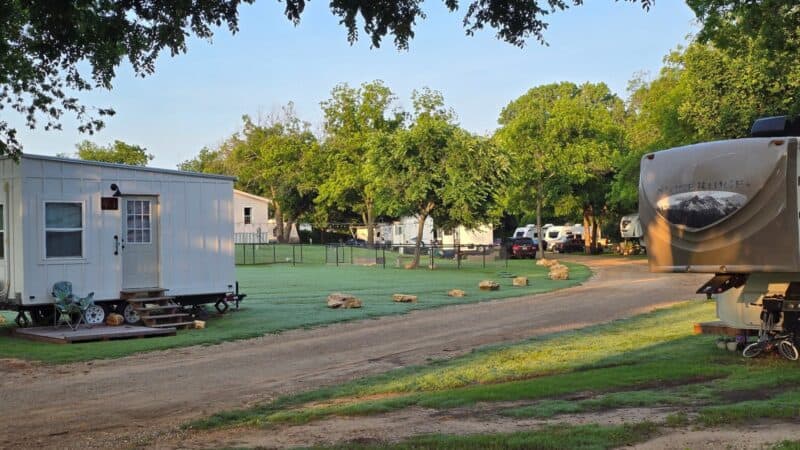
| Lot-lease park | An owner rents pads to people who bring or buy a tiny home. Usually permitted like an RV or manufactured home park. | Lake Dallas Tiny Home Village (TX), Cozy Acre (TX) |
| Pocket neighborhood / cottage court | Small homes on individually owned lots clustered around a shared green, often under a special zoning ordinance. | Third Street Cottages (Langley, WA) |
| Buy-the-home, lease-the-land | Residents buy a home from the community and pay a monthly site or community fee. | Village Farm (Austin, TX) |
| Builder-led village | A tiny home builder develops the land, sells its own homes on rented sites, and controls the design of every home. | ESCAPE Tampa Bay Village (FL), Canoe Bay Village (WI), Incredible Tiny Homes (TN) |
| Co-op or land trust | Residents or a nonprofit own the land together, which keeps homes affordable for the long haul. | Emerald Village (Eugene, OR) |
| Nonprofit or transitional village | A nonprofit, church, or city provides small homes plus services for people leaving homelessness. | Community First! Village (Austin), Belmont Village (Seattle) |
| Intentional community or agrihood | Built around a shared purpose: a farm, a garden, shared meals, or friends who want to live together. | Tiny Timbers Agrihood (WI), Simply Home Community (NC) |
Write a one-page description of your project before you talk to anyone official: how many homes, on wheels or on foundations, owned or rented, full-time or seasonal, open to everyone or a specific group. Planning staff respond far better to a clear concept than to “we want to do something with tiny houses.”
Step 1: Find Land Where Zoning Allows It (Before You Buy)
This is the most important rule, and the most expensive one to break. Before you make an offer, call the county or city planning office and ask exactly what’s allowed on that parcel, then get the answer in writing. Most tiny house communities get approved through one of these paths:
- RV park or campground permit. The most common route for tiny houses on wheels. It’s familiar to officials, but some places cap how long people can stay.
- Manufactured home park. Works well for park models and small HUD-code homes, and usually allows full-time living.
- Planned Unit Development (PUD) or planned development. A custom zoning district negotiated for your site. More work up front, but you help write the rules. Lake Dallas, Texas rezoned one acre from single-family to a planned development for its tiny house park.
- Cottage court or pocket neighborhood ordinance. Some towns allow clusters of small homes around shared open space, often with a density bonus. Rockledge, Florida allows pocket neighborhoods of 4 to 12 tiny houses in certain districts.
- Conditional use permit, variance, or rezoning. Possible on land that only allows one house, but none of these are guaranteed, and neighbors get a say at public hearings.
- Annexation. Escalante Village in Durango was annexed into the city, which let it get zoning and a site plan approved together.
Good places to look for land include rural land agents, farmers willing to sell part of their acreage, churches and nonprofits with underused property, existing RV or mobile home parks that are for sale (ESCAPE Tampa Bay Village was built on a property that was completely redone with all-new utilities), and your county’s GIS parcel viewer, which shows zoning and lot lines for free. An existing park that’s already licensed can save you a year or more of approvals.
If the first answer you get is no, it isn’t always the final one. Our guide on what to do when the zoning answer is no covers your next moves, and where to park or build a tiny house ranks the options for individual homes.
Get Ahead of the Neighbors
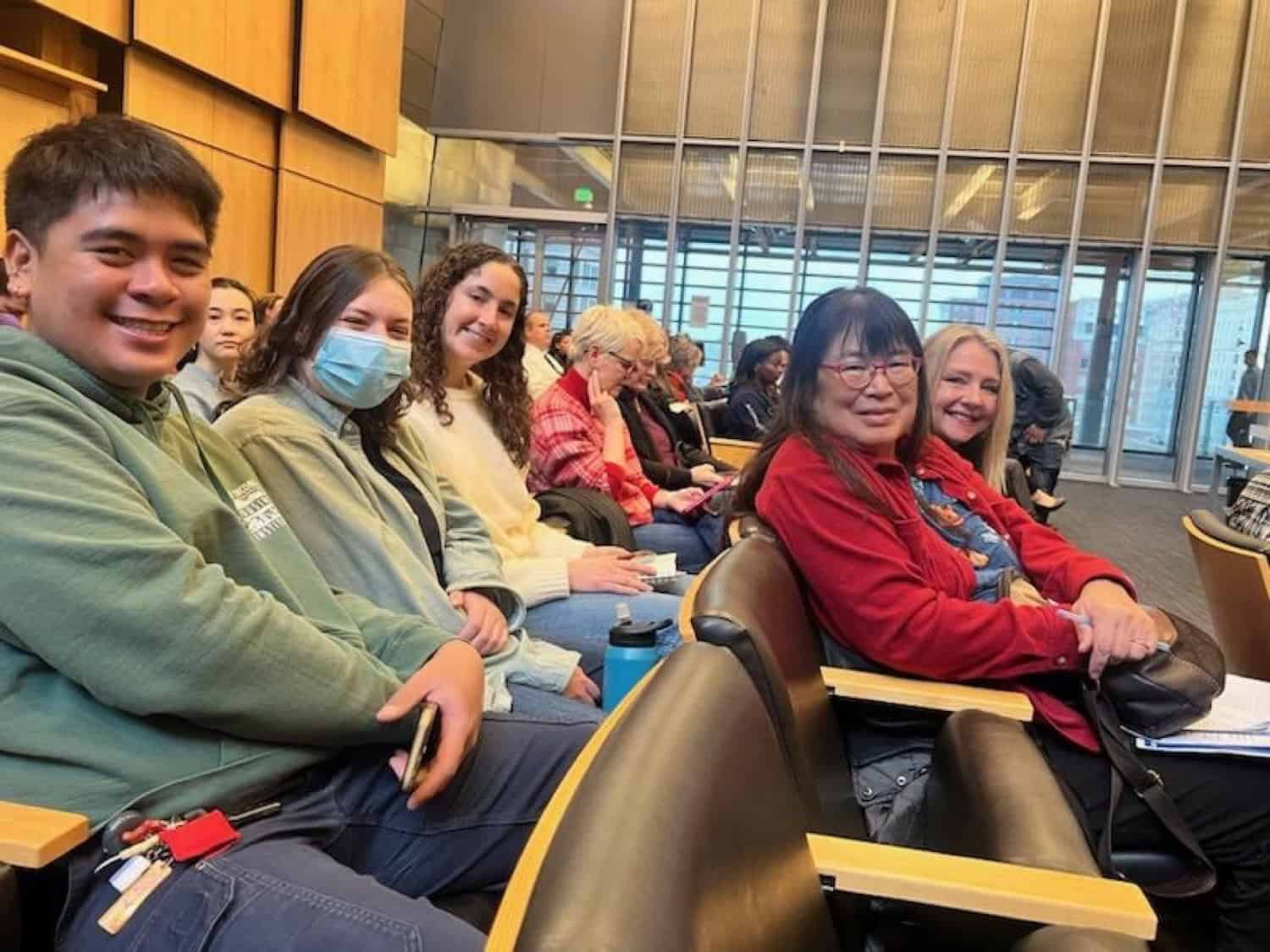
Many projects that look fine on paper stall at the public hearing. Meet adjacent landowners early, show them a site plan and renderings, and explain who will live there, how the homes will look, and how you’ll handle parking, noise, and drainage. Glencliff United Methodist in Nashville won approval for 22 microhomes on church land, but 24 neighbors sued and the case ran to the Tennessee Court of Appeals before the church won. It was 2021 before the village opened. Budget time for opposition even when the law is on your side.
Step 2: Decide Which Homes You’ll Allow
Zoning decides where homes can go. Building codes decide what counts as a home, and that affects your permits, your residents’ loans and insurance, and whether people can live there year-round. Most communities pick one or two of these categories and write them into their rules:
- Tiny houses on foundations. Appendix Q of the 2018 International Residential Code, renamed Appendix AQ in the 2021 edition, covers homes of 400 sq ft or less (not counting lofts). It relaxes rules for ceiling heights, loft size, loft stairs and ladders, and emergency escape. Roughly a dozen states have adopted it in some form, often with changes or left up to local governments, and adoption shifts over time. Oregon, an early adopter, no longer includes it in its 2023 residential code. Ask your building department which version applies.
- Tiny houses on wheels (THOWs). Usually built to the NFPA 1192 standard for recreational vehicles. Many builders get RVIA or NOAH certification, which builders say makes financing, insurance, and park placement easier. Self-built THOWs are usually uncertified, and many parks won’t accept them, so decide your policy up front.
- Park model RVs. Built to the ANSI A119.5 standard, with no more than 400 sq ft of floor area. Federal rules treat them as RVs designed for recreational or seasonal use, not as permanent dwellings, which is why many places only allow them in RV parks.
- HUD-code manufactured homes. Under federal rules, a home on a permanent chassis that’s 8 feet or wider, 40 feet or longer in travel mode, or at least 320 sq ft is generally a manufactured home, unless it qualifies as an RV or park model. That matters if you’re planning a mix of small homes.
Rules are changing fast in some places. San Diego County now treats certified THOWs as dwelling units, and New Hampshire wrote tiny houses, THOWs, and yurts into state law. For what the codes mean inside the home, see our guides to lofts, stairs, and ship’s ladders and egress and safety.
Step 3: Bring In the Fire Marshal and Health Department Early
Two offices outside the planning department can stop a project late in the process, and most beginners forget about both of them until the end. Invite them in during your first site plan instead.
The fire marshal cares about whether a fire truck can reach every home. Under the International Fire Code, which most of the US uses with local amendments, fire apparatus access roads generally need at least 20 feet of unobstructed width and 13 feet 6 inches of vertical clearance, must come within 150 feet of every part of a building’s exterior walls, and need an approved turnaround (like a cul-de-sac or hammerhead) on dead ends longer than 150 feet. Many cities require more: some ask for 24 or 26 feet. Spacing between homes matters too. RV park rules vary widely, from 10 feet between units in some towns to 15 feet side-to-side in others. Hydrant locations depend on your water supply and local fire flow rules. Get these numbers from your own fire marshal, because they shape your whole layout.
The health department often licenses RV and mobile home parks and reviews water and wastewater. In Florida, for example, the Department of Health licenses mobile home parks, RV parks, and camps every year and wants a site plan with water and sewage details before you open. Many states have similar rules, sometimes under the agriculture or environmental agency instead.
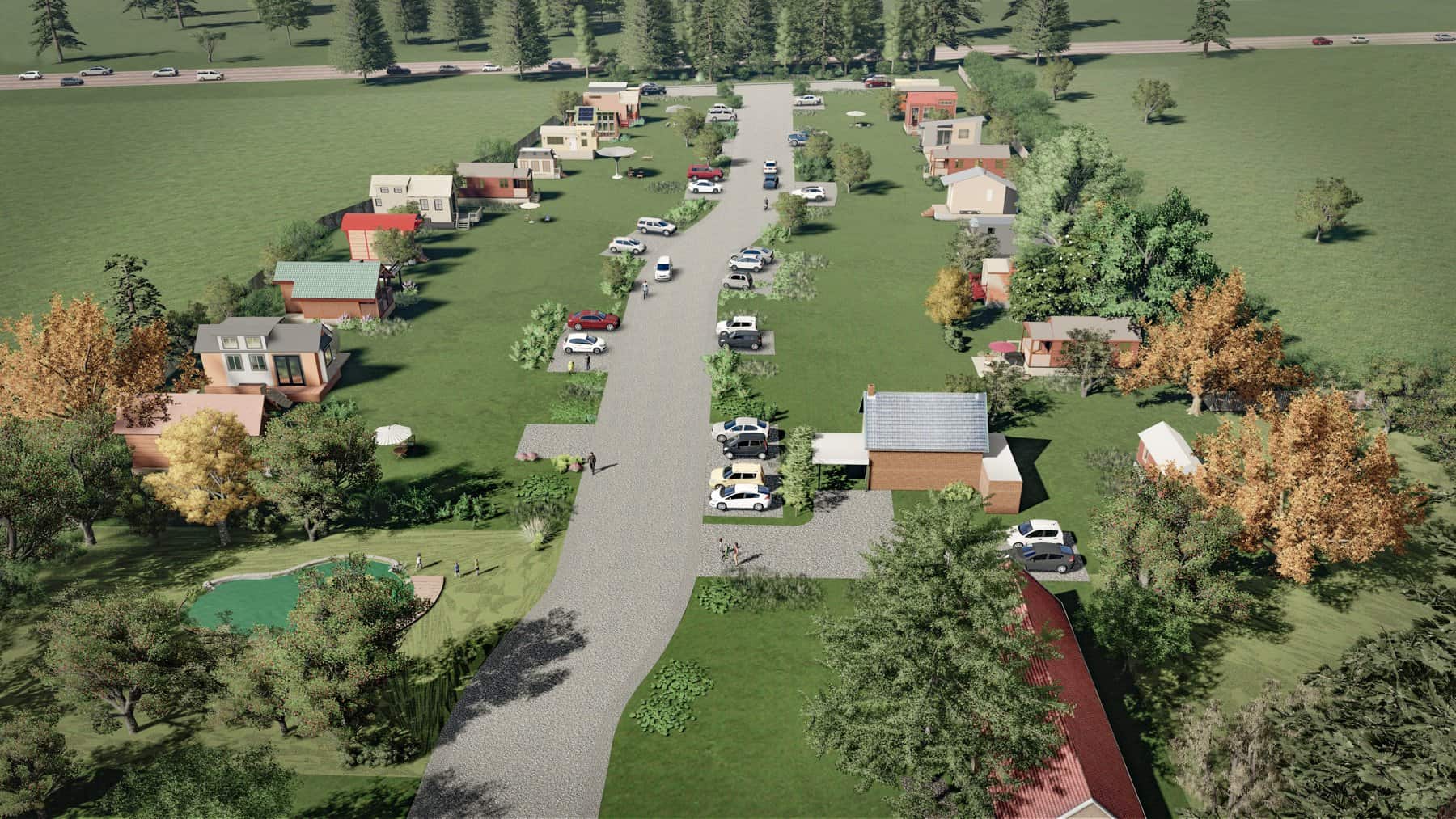
Step 4: Plan the Site and Infrastructure
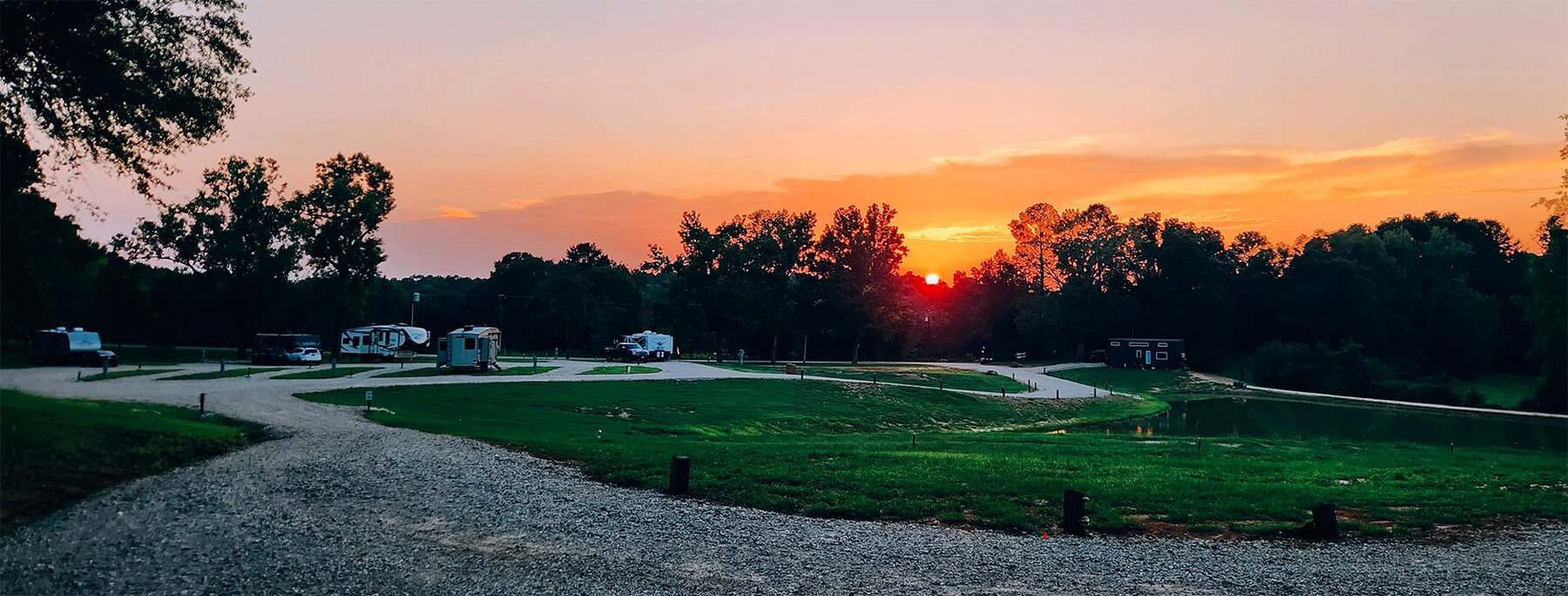
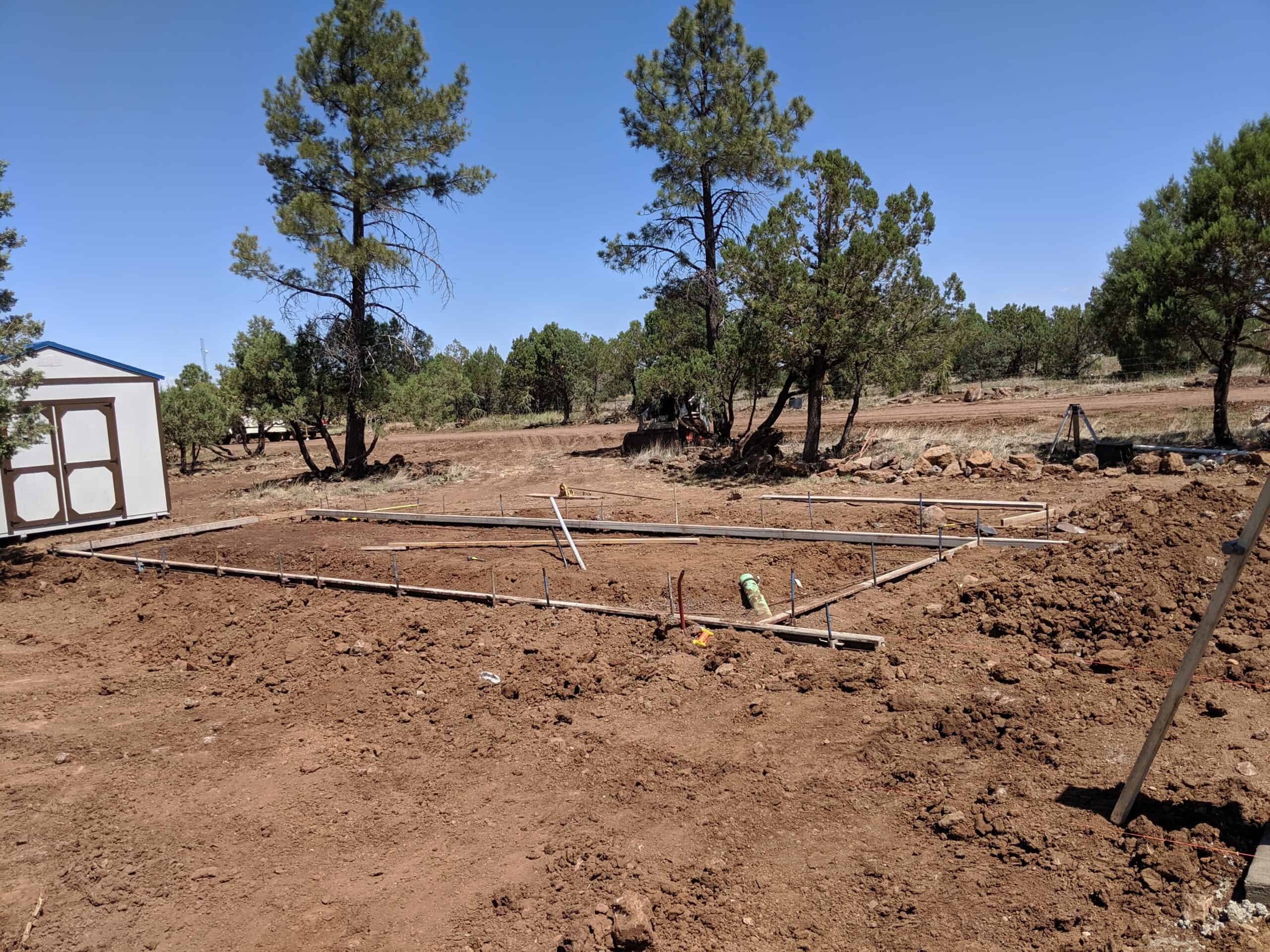
Infrastructure is the “invisible” cost that sinks a lot of projects. Every home needs water, power, and a way to handle wastewater, plus a level pad, parking, and roads that emergency vehicles can use. Here’s what to plan for:
- Water. A city connection is simplest. A private well serving several homes may become a regulated public water system, with testing and reporting.
- Wastewater. City sewer, individual septic systems, or one shared system. Septic design depends on soil, so get a perc test before you buy. Many communities don’t allow composting toilets, and some towns (Spur, Texas among them) prohibit them.
- Power. Most parks put a utility pedestal at each site with 30 and 50 amp service. Ask the utility early whether the site has enough capacity, and whether each home gets its own meter.
- Pads, roads, and parking. Gravel pads and roads are common. Plan at least one parking space per home, plus guest parking.
- Stormwater and grading. Paving and pads change how water drains, and many counties require a drainage plan.
- Internet. Many residents work remotely, so fiber or reliable fixed wireless is a selling point.
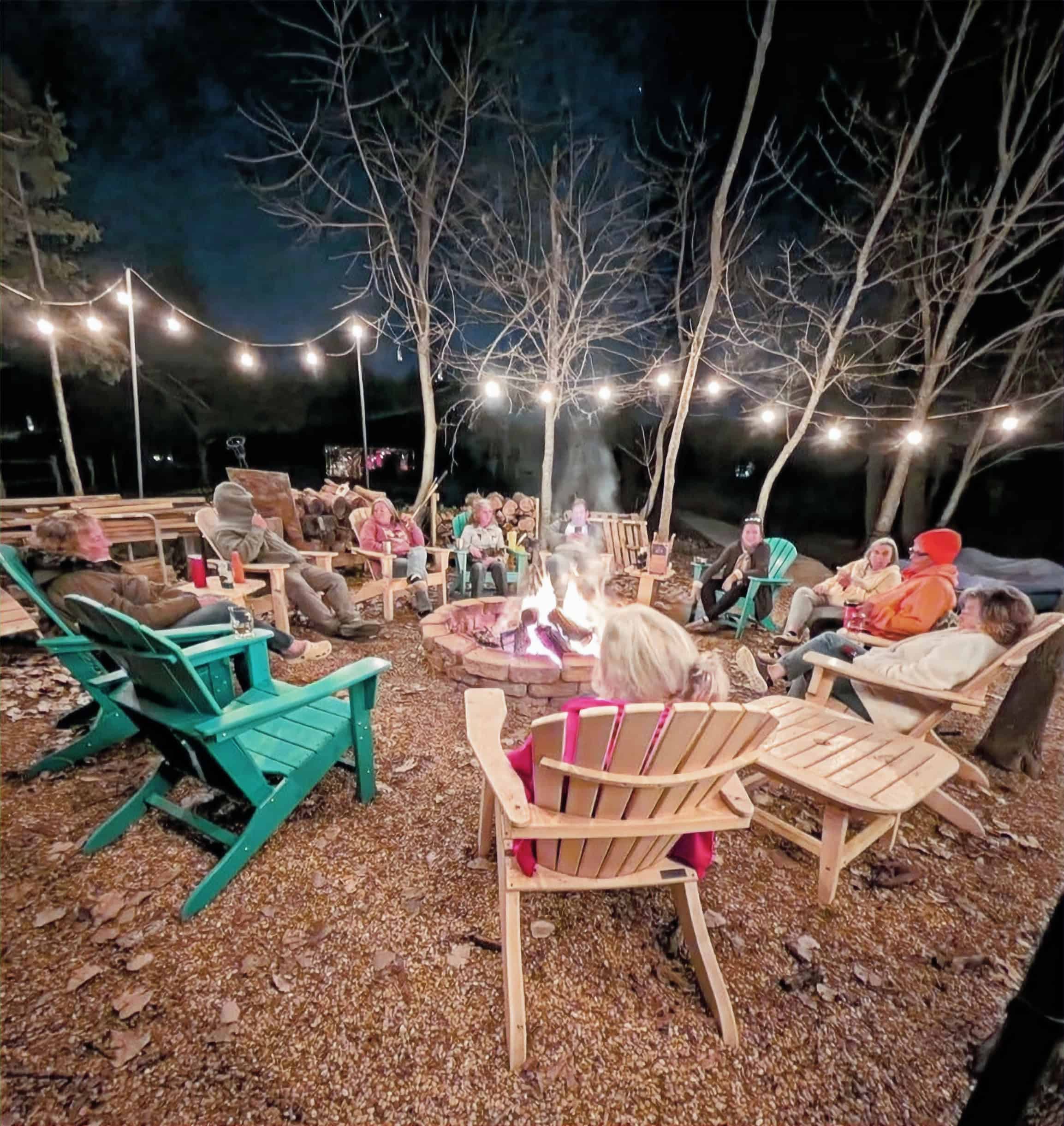
- Shared spaces. A laundry, mail area, garden, dog park, fire pit, or clubhouse is what turns a row of pads into a community.
Hire a civil engineer or surveyor to draw the site plan. They’ll lay out lots, roads, utilities, and drainage to meet local rules, and planning offices take a stamped plan far more seriously than a sketch.
What It Costs to Get Started
There’s no standard price for starting a community, because land, site work, and local fees vary so much. These ranges from contractor and industry estimates will help you sanity-check a budget, but get written local quotes before you commit:
| Item | Typical Range |
|---|---|
| Perc (soil) test | About $750 to $1,900 (HomeAdvisor) |
| Septic system, conventional | About $3,600 to $12,400 (Angi) |
| Septic system, engineered | About $7,000 to $20,000 |
| Running power to the site | About $5 to $25 per foot, depending on overhead or buried lines (HomeGuide). Utility line-extension fees can be higher. |
| Full hookups per site | About $3,200 to $29,000 or more (RoverPass) |
| All-in development per site (grading, roads, pads, utilities) | Roughly $15,000 to $50,000 per site in industry estimates, more for high-end parks |
On top of that come the land, surveys and engineering, permit and impact fees, legal work to set up your structure, insurance, and a contingency of 10 to 20 percent. The easy line items to forget are the ones you pay before any income arrives: engineering, approvals, and loan interest during construction.
If you plan to rent lots, run the numbers the other way too. Published lot rents at existing communities give you a sense of the market: Escalante Village charged about $500 a month for a lot when it opened in 2018, Lake Dallas reported $500 to $550 the same year, and Village Farm in Austin lists an $815 monthly community fee today. Work out how many filled sites it takes to cover your loan payment, taxes, insurance, utilities you don’t pass through, upkeep, and management. Then assume it takes longer to fill than you hope.
Step 5: Choose a Legal and Ownership Structure
How you organize the community affects taxes, liability, financing, and how residents feel about living there. Talk with a local real estate attorney, but these are the common options:
| Structure | Best For | Advantage | Challenge |
|---|---|---|---|
| LLC (lot rentals) | An owner or investors renting sites | Simple, with liability protection | Residents don’t own their land |
| Subdivided lots + HOA | Selling lots to owners | Residents own their land and build equity | Subdivision approval can be slow and costly |
| Condominium | Owned homes on shared land | Ownership without subdividing | Condo law and paperwork vary by state |
| Housing co-op | Resident-run communities | Residents share ownership and decisions | More work to manage; harder to finance |
| Community land trust | Long-term affordability | Nonprofit owns the land, so homes stay affordable | More complex to set up |
| Nonprofit (501(c)(3)) | Transitional or supportive villages | Access to grants and donations | Board governance and reporting |
Two legal questions catch people off guard:
- Are residents guests or tenants? Many states treat short-stay RV park guests differently from long-term residents. In Florida, for example, RV parks fall under the transient-lodging law, while mobile homes on rented lots in parks with 10 or more lots fall under the separate Mobile Home Act, with its own notice and eviction rules. Long-term residents usually mean landlord-tenant law, so plan your leases with that in mind.
- Can you limit who lives there? The federal Fair Housing Act applies. A 55-and-over community is allowed under the Housing for Older Persons Act, but at least 80 percent of occupied homes must have at least one resident 55 or older, and you must publish your 55+ policy and verify ages. Communities for a specific group (a church, a profession, a set of friends) need careful legal review.
Step 6: Line Up Financing
Raw land and development loans usually need a bigger down payment than a home mortgage, and lenders want to see a solid plan, a stamped site plan, and proof of demand. Common approaches:
- Cash or seller financing for the land. Many small communities start here, negotiating directly with the landowner.
- Local banks and credit unions that know your area and already lend on RV parks or manufactured home communities.
- SBA loans. SBA 504 loans often split a project roughly 50 percent bank loan, 40 percent SBA-backed loan, and 10 percent from you, though lenders may ask for more down on special-purpose property like parks. RV parks are sometimes judged as hospitality businesses, so a community of long-term residents may not fit the program. Ask a lender early.
- Nonprofit and affordable housing money. CDFIs (community development lenders) and USDA Rural Development programs, including site loans for nonprofits developing homes for low- and moderate-income households, are realistic mainly for nonprofit or affordable projects.
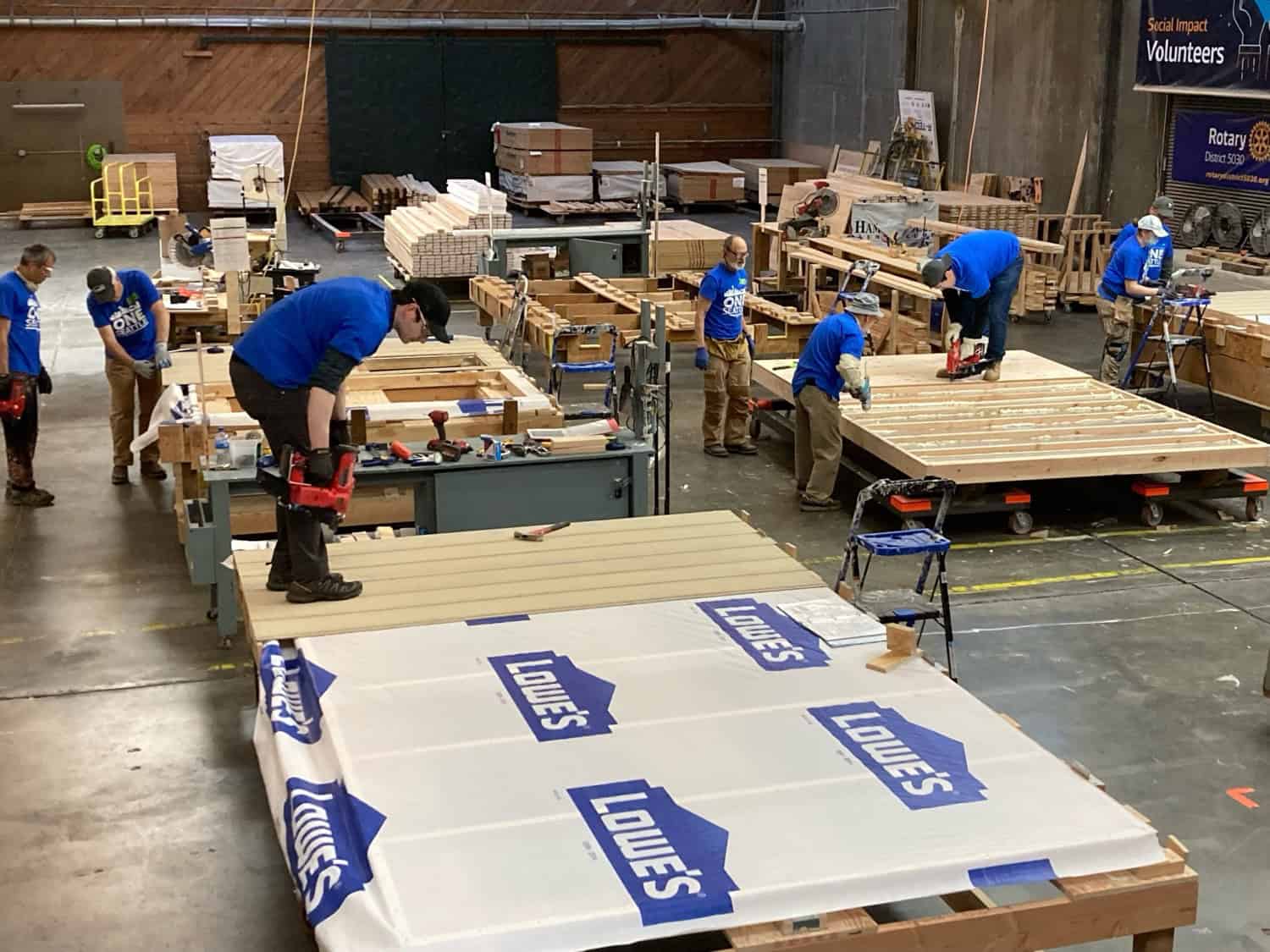
- Donations, volunteer labor, and sweat equity. Emerald Village in Eugene was built largely with donations and in-kind work from more than 200 local businesses, and each future resident put in at least 50 hours of building time.
- Presales and deposits. Selling homes or reserving lots before you build proves demand and brings in cash, but escrow deposits properly and be honest about timelines.
Your residents need financing too. Ask lenders in your area what they’ll finance for buyers in your community. Our guide to how people actually pay for a tiny house covers their options, and tiny house insurance and scams covers protecting the money.
Step 7: Write the Rules and Set the Culture
A community is more than homes on a lot. Decide how decisions get made (an owner, a board, or a resident vote) before the first person moves in, and put these in writing:
- Home standards. Certification required (RVIA, NOAH, or a building permit), minimum and maximum size, skirting, and exterior look. Escalante Village, for example, approves each home before it moves in, while ESCAPE Tampa Bay and Canoe Bay Village only allow ESCAPE homes built for their sites.
- Who can live there. Application, screening, full-time vs. seasonal, and whether short-term rentals or subleasing are allowed.
- Everyday life. Quiet hours, pets, parking, guests, storage, decks and sheds, and how shared spaces are booked and cleaned.
- Money. Rent or fees, what’s included (water, trash, mowing), late fees, and how increases are decided.
- Participation. Some communities expect residents to pitch in. At Opportunity Village in Eugene, residents govern themselves with weekly meetings and contribute 10 hours a week.
- Conflict. A clear, fair process for complaints, warnings, and as a last resort, leaving.
It’s much easier to set expectations up front than to fix conflicts later. Want to know what residents actually value? Read 21 residents share their stories of tiny house community life.
Step 8: Start Small and Grow in Phases
Almost every successful community we’ve covered started smaller than its final size. Build the first phase, fill it, learn what residents want, and let that income and experience fund the next phase. Community First! Village in Austin opened in 2015 on 27 acres, grew to 51 acres, and broke ground in 2022 on an expansion to 178 acres and roughly 1,400 more homes. Opportunity Village started as a one-year pilot.
As you grow, plan for the work that never ends: management, bookkeeping, insurance renewals, road and septic maintenance, and a reserve fund for big repairs. Decide early whether you’ll manage the community yourself, hire a manager, or hand day-to-day decisions to residents.
How Real Communities Got Started
Each of these took a different path to approval. Find the one closest to your situation and study it.
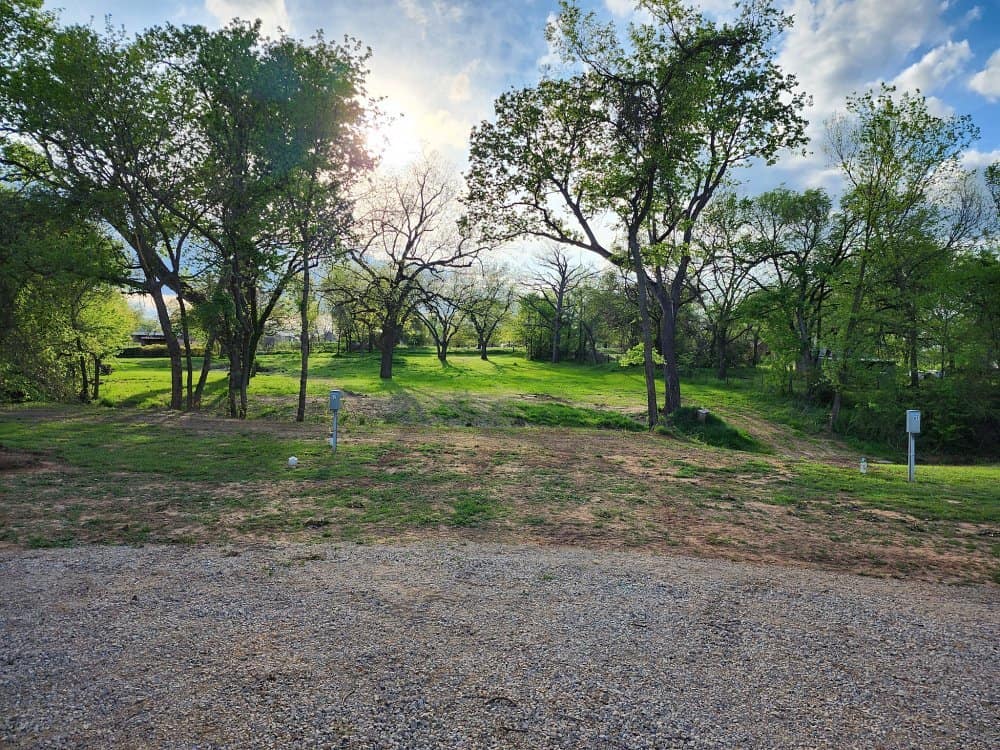
- Lake Dallas Tiny Home Village (Texas): rezoning a small infill site. In 2017 the city council voted 4-1 to rezone one acre near downtown from single-family to a planned development allowing a tiny house park, and adopted the ICC tiny house appendix at the same time. Thirteen lots, with residents owning their homes and leasing the land. Next City has the story. Lesson: a small, walkable site plus a recognized building code made “yes” an easy vote.
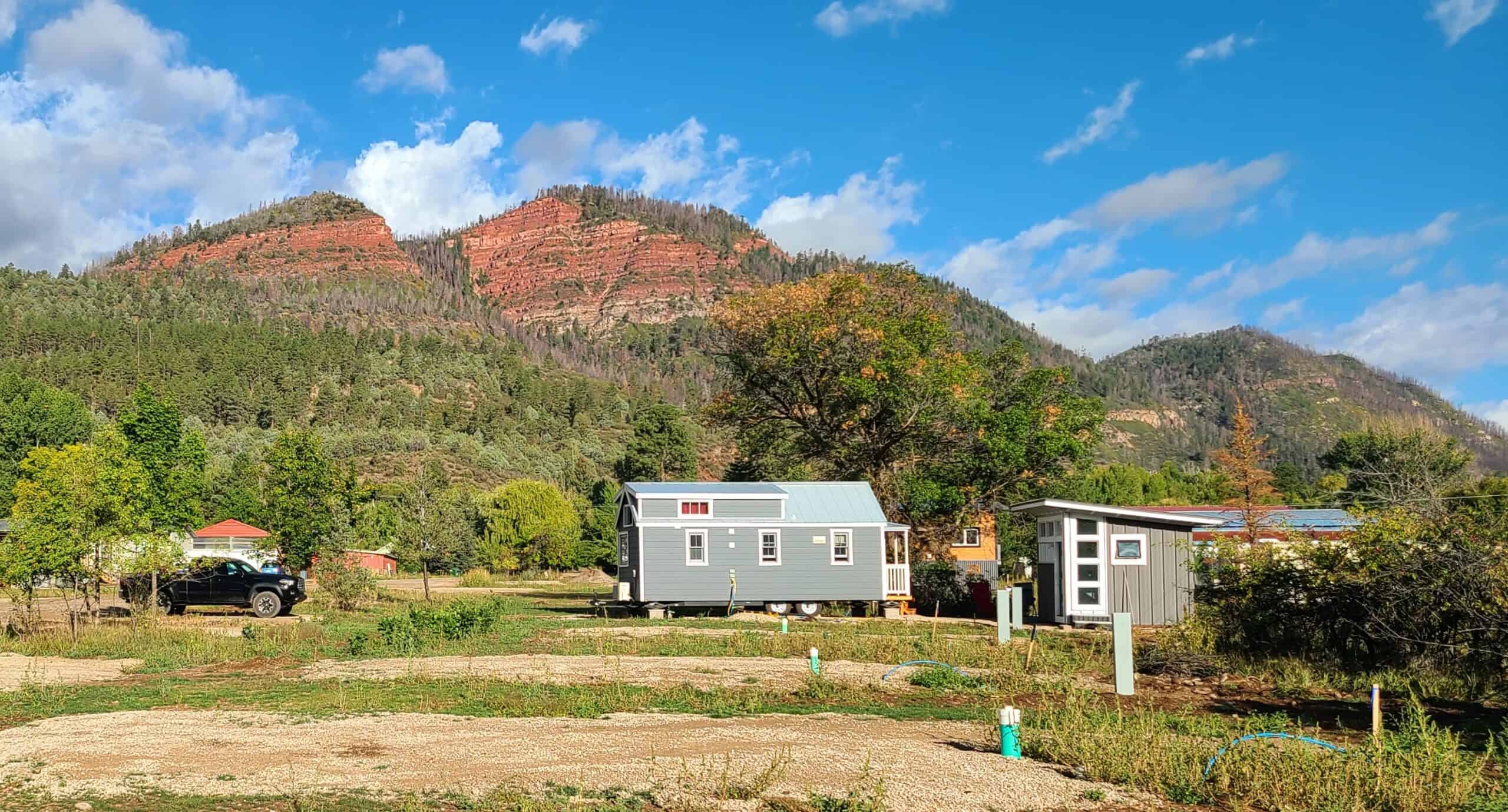
- Escalante Village (Durango, Colorado): annexation. In 2018 the city voted 4-0 to annex the land with initial zoning and a conceptual plan, and the village was built to standards similar to a mobile home park. It has 24 spaces on about 1.7 acres along the river. Read our Escalante Village feature.
- Third Street Cottages (Langley, Washington): write the ordinance first. Architect Ross Chapin helped the town pass a cottage housing code in 1995. The first project under it put eight cottages of about 650 sq ft around a shared green on land zoned for four houses. Lesson: a good ordinance becomes repeatable for everyone who follows.
- Opportunity Village (Eugene, Oregon): a city pilot. In 2013 the council voted 6-2 to lease a one-acre city lot for $1 a year as a 12-month trial. Thirty homes of 60 to 80 sq ft share a bathhouse, kitchen, and laundry. See SquareOne Villages and our Opportunity Village story. Lesson: a time-limited pilot gives officials a low-risk yes.
- Emerald Village (Eugene, Oregon): co-op plus land trust. The same nonprofit built 22 permanent studios on 1.1 acres for about $55,000 per home including land. Residents are co-op members paying around $200 to $300 a month, while the nonprofit holds the land. How Emerald Village works.
- Village at Glencliff (Nashville, Tennessee): church land. Glencliff United Methodist asked the city for an accommodation under the federal religious land use law, and got approval in 2017 for 22 microhomes behind the sanctuary. After neighbors sued and lost, it opened in 2021. Groups like Settled now help congregations build villages on their land.
- Community First! Village (Austin, Texas): a nonprofit at scale. Mobile Loaves & Fishes houses more than 400 formerly homeless neighbors and runs on-site businesses and volunteer programs. It also offers a replication pathway for groups that want to build something similar.
- Village Farm (Austin, Texas): an agrihood. Homes are built around an organic farm. Buyers purchase a home and pay a monthly community fee that covers the ground and amenities. The farm is the amenity that sells the homes. villagefarmaustin.com.
- Spur, Texas: a town-wide welcome. In 2014 Spur dropped its minimum home size and called itself “tiny house friendly,” as long as homes sat on foundations and hooked up to city utilities. It attracted interest, but it also showed that permissive zoning alone doesn’t supply infrastructure or community, and some local friction followed. See our story on a man legally living in 84 sq ft in Spur.
Builder-Led Villages: ESCAPE, Canoe Bay, and Incredible Tiny Homes
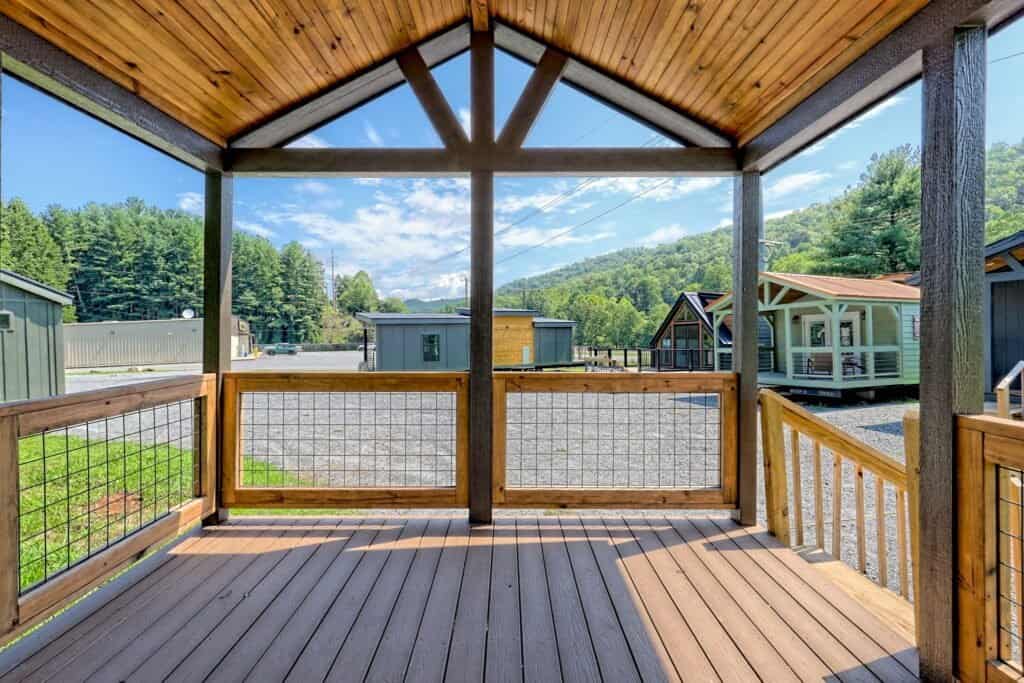
A different path is for a tiny home builder to become the developer. ESCAPE, which builds RVIA-certified tiny homes, has done it twice, in two very different settings, and Incredible Tiny Homes in Tennessee has built a whole set of villages for its own customers. Because the builder controls every home, the communities look and work as a single design, and buyers get a turnkey home with a site already waiting for it.
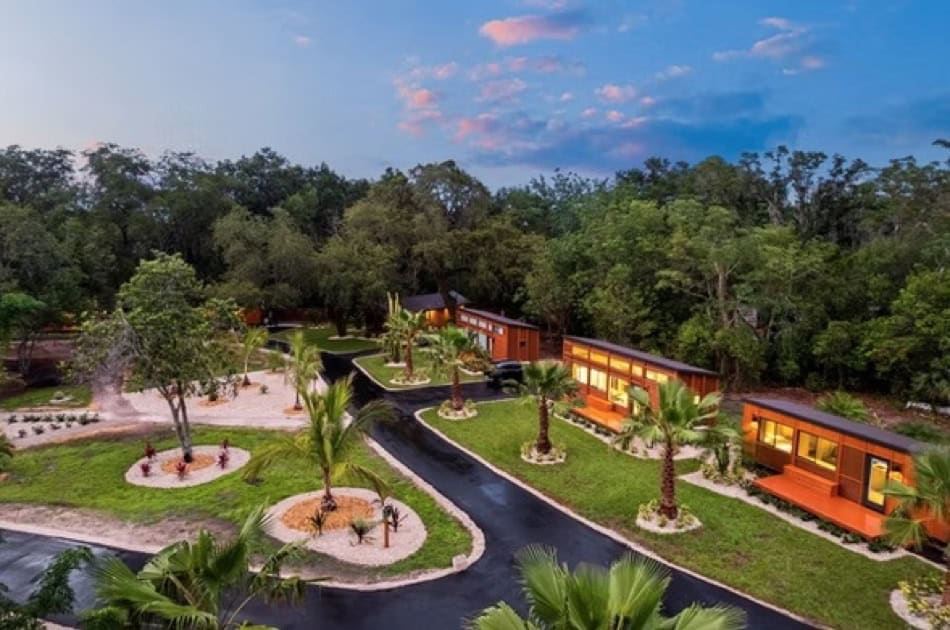
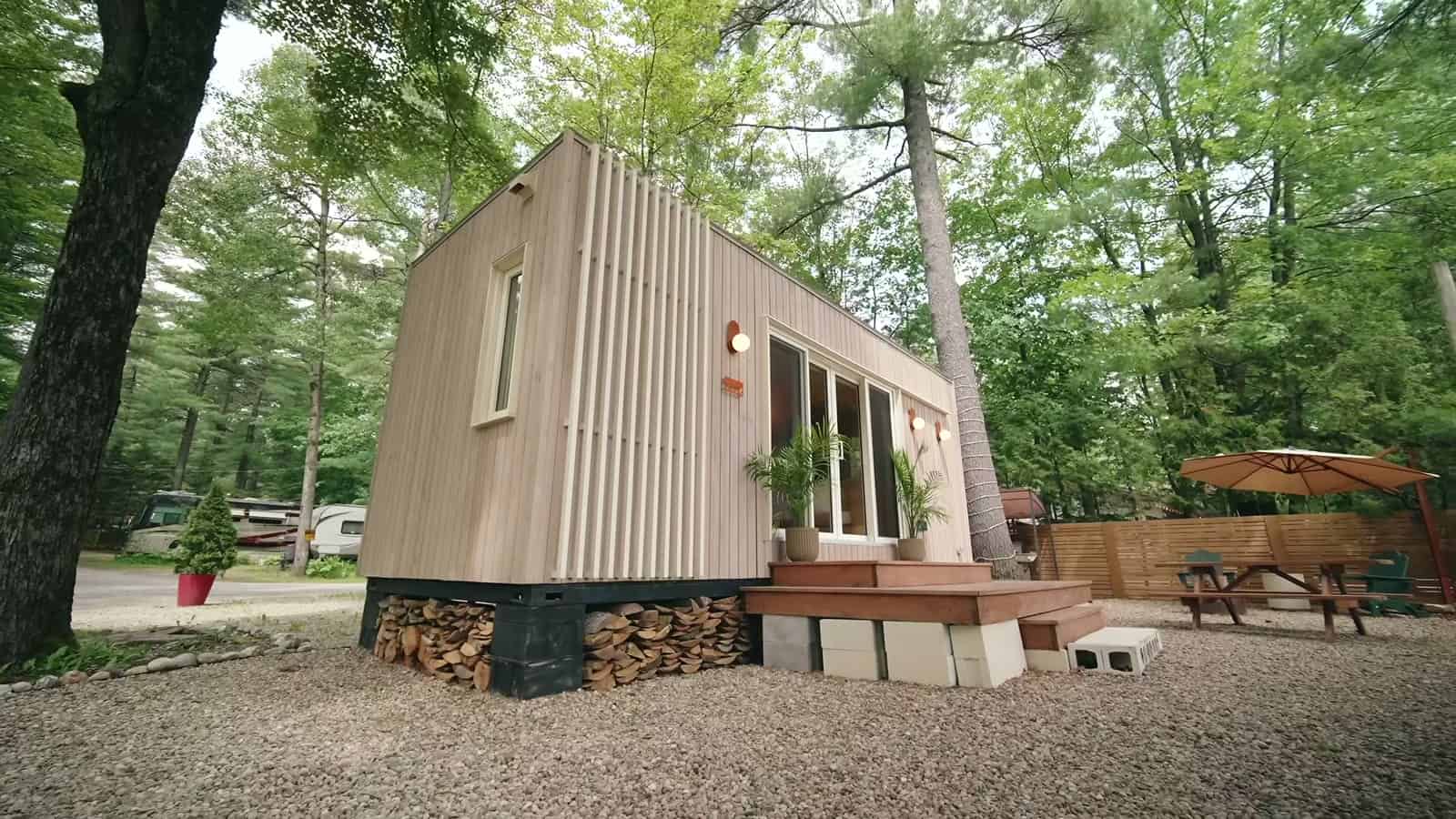
ESCAPE Tampa Bay Village (Thonotosassa, Florida): redeveloping an existing property in phases. The gated village sits off Highway 301, about 12 miles from downtown Tampa. Its FAQ says the entire property was redone with all-new utilities. It grew in phases across three neighborhoods, The Village, The Oaks, and Palm Court, and both the first phase and The Oaks sold out. Buyers own their ESCAPE home and pay monthly lot rent that covers water, sewer, trash and recycling, a private deck, landscaping, gated security, and parking. Only ESCAPE homes built for the village’s lots are allowed, with no outside RVs or mobile homes, and owners can rent their homes out only on leases longer than nine months. Lesson: selling one phase before building the next proves demand and funds the growth. See our Florida communities guide and escapetampabay.com.
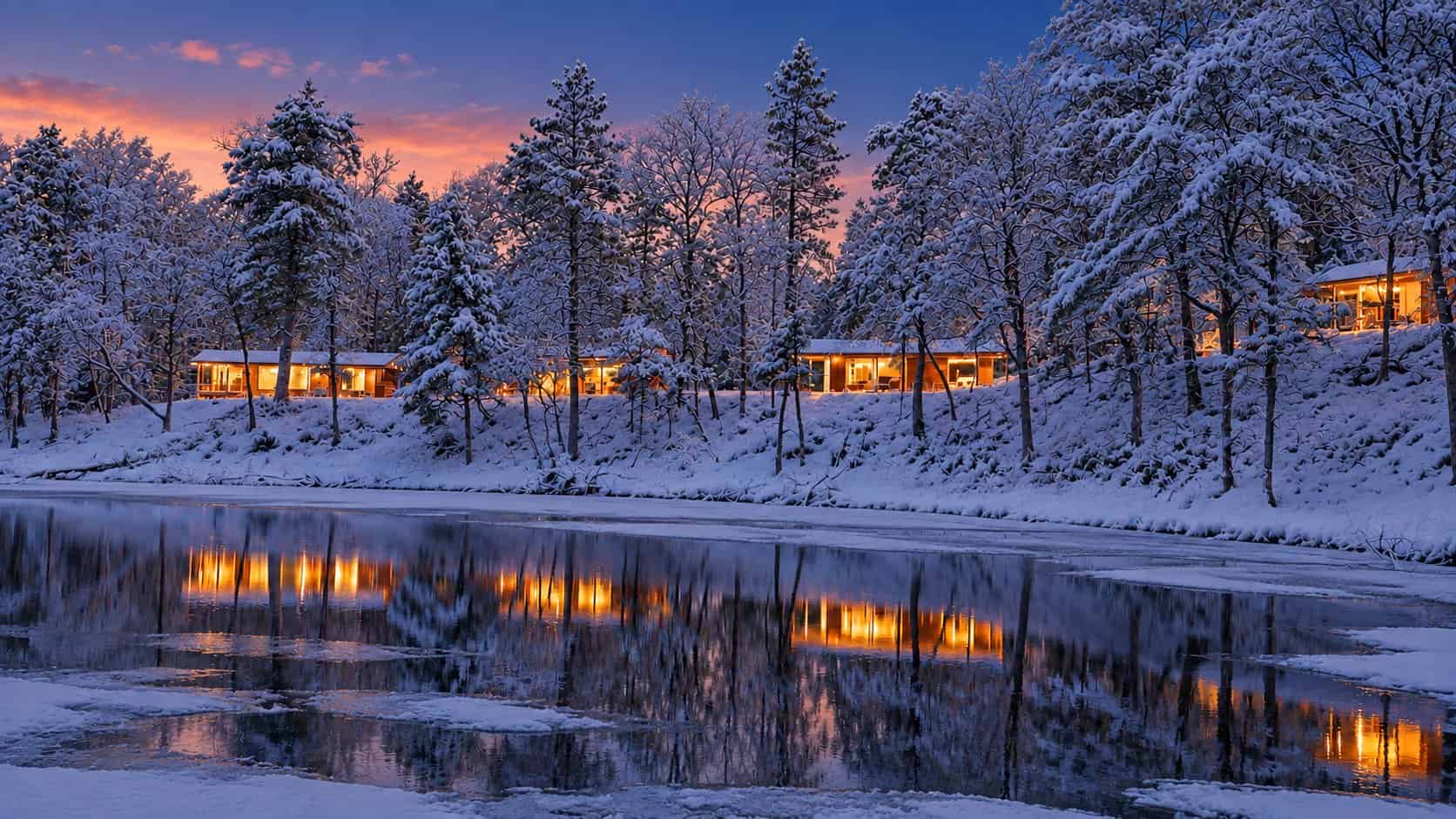
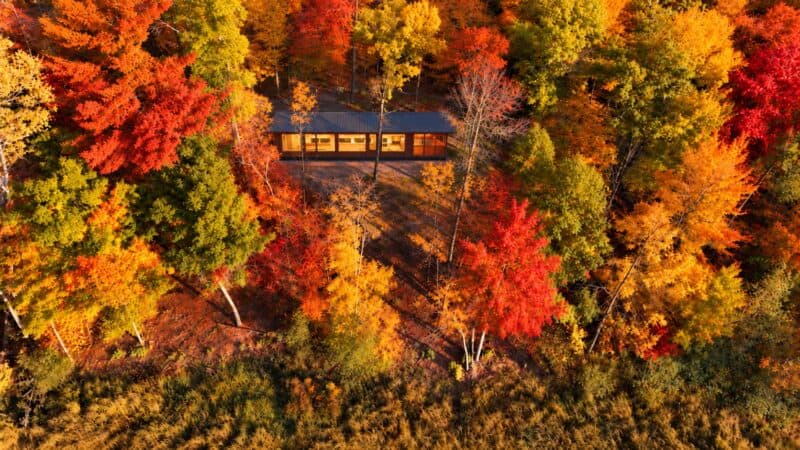
Canoe Bay Village (Chetek, Wisconsin): turnkey homes in a resort setting. ESCAPE-built homes sit beside the Canoe Bay resort among private lakes, protected forest, and wetlands in northwest Wisconsin. The village sells each home fully furnished, directly to buyers, and releases only a handful at a time, one lot at a time. Owners rent the site. Recent lot rents have run $680 to $690 a month, covering water, sewer, trash and recycling, walkways, grounds maintenance, and parking. The village’s FAQ says there’s no HOA and no property tax on the homes, the village handles roads, paths, and snow, and Airbnb-style short-term rentals aren’t allowed. Lesson: a beautiful setting, finished homes, and a hands-off ownership experience can carry a premium price. Our Canoe Bay Village guide lists every home for sale there now.
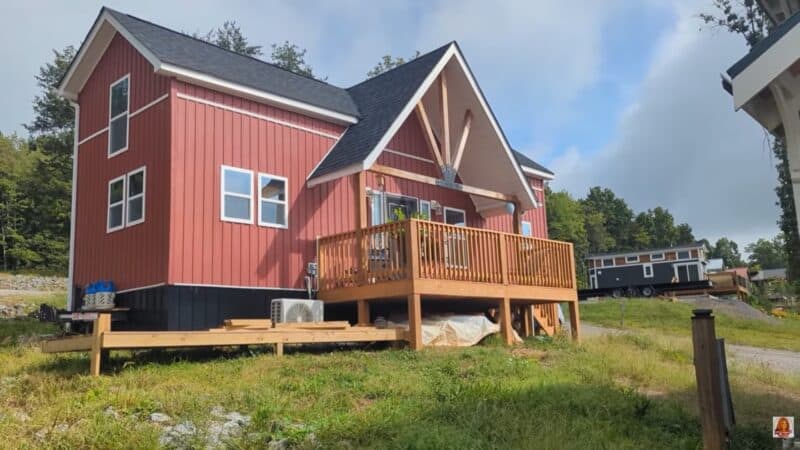
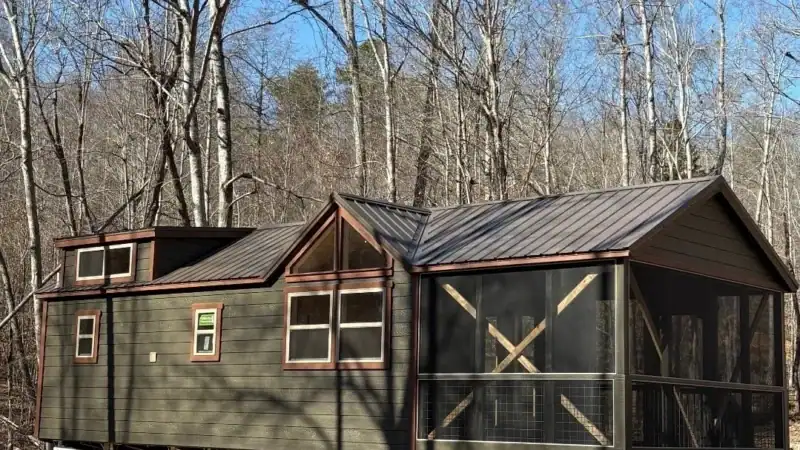
Incredible Tiny Homes Communities (Newport, Tennessee): low lot rent as the selling point. Randy, the owner of Incredible Tiny Homes, lost his business in the 2008 crash and started building affordable tiny houses on wheels with borrowed tools. As the company grew, he developed tiny home villages on part of his 34 acres, then bought another 160 acres for more. Today its Incredible Properties communities page lists The Grove, The Prairie, The Beach, The Mountain, The Forest, Buffalo Creek, and Falls Creek in Spencer, Tennessee, each with its own setting, from lakeside to wooded. Rental lots are offered to Incredible Tiny Homes customers. Residents we’ve featured reported lot rent of about $200 a month, which is why so many retirees on fixed incomes have moved there. Lesson: when the builder owns the land and keeps the lot rent low, the community becomes the reason people buy the house. Read how Randy built 700+ tiny homes and a village and Dorothy’s retirement story from one of the villages.

Cautionary Tales: When Communities Get Shut Down
Walden Eco-Village, Peterborough, New Hampshire (2020). About 25 residents, including five children, were given days to leave in December after the town found unsafe electrical and propane hookups. The homes had never been permitted for full-time living. NHPR covered what happened.
New Haven, Connecticut (2023). Small shelters set up to house homeless residents were ordered vacated because there were no building permits, no smoke or carbon monoxide detection with solid-fuel heat, and no sanitation. Good intentions didn’t protect them.
The lesson from both is the same: permits and inspections exist to protect the people living there. Skipping them doesn’t save money; it moves the cost onto your residents later.
Common Mistakes to Avoid
- Buying land before confirming zoning in writing.
- Letting people live there full-time before the permits allow it.
- Underestimating infrastructure, engineering, and time.
- Leaving the fire marshal and health department until the end.
- Under-planning parking, guest parking, and emergency access.
- Skipping a clear policy on which homes are allowed.
- Writing the community rules after move-in.
- Ignoring the neighbors until the public hearing.
- Growing faster than your management can handle.
- Forgetting a reserve fund for long-term maintenance.
Helpful Resources for Community Founders
These organizations know far more about their corner of the subject than any one article can cover:
- SquareOne Villages Tiny Village Toolbox: the Eugene nonprofit behind Opportunity and Emerald Village shares plans, a village roadmap, consulting, and workshops.
- Mobile Loaves & Fishes replication: training and tours for groups that want to build a Community First-style village.
- Ross Chapin’s Pocket Neighborhoods hub: design principles, examples, and sample codes you can bring to your planning office.
- National CoHousing Alliance: the US cohousing association, with resources on forming groups and shared decision-making.
- Foundation for Intentional Community: a directory of intentional communities to visit and learn from, plus courses.
- Grounded Solutions Network: the national hub for community land trusts and permanently affordable homeownership.
- ROC USA: helps residents buy and run their manufactured home communities as co-ops.
- AARP’s free housing guides: plain-language guides on ADUs and “missing middle” housing, including cottage courts, written for local officials.
- Tiny Home Industry Association: a trade group working on tiny home codes and standards.
- NFPA 1194: the fire safety standard for RV parks and campgrounds, which many tiny home parks fall under.
- Creating a Life Together by Diana Leafe Christian: the classic book on forming an intentional community, from vision and decision-making to legal structure and money.
We also keep a list of tiny house consultants, including people who help with zoning and community development.
Learn From Communities We’ve Covered
One of the best ways to plan is to visit or study communities that are already up and running:
- Monarch Springs Ranch: twelve homes on twenty acres in Celeste, Texas
- Tiny Timbers Agrihood: 16 tiny homes around a garden in Wisconsin
- Canoe Bay Village: furnished ESCAPE homes among private lakes in northwest Wisconsin
- ESCAPE Tampa Bay Village: a gated ESCAPE community outside Tampa (in our Florida guide)
- Incredible Tiny Homes villages: builder-owned communities in East Tennessee with some of the lowest lot rents we’ve seen
- Hermosa Orchards Village: tiny home pads around a shared orchard near Durango
- The Cottages at Pine Lake: a THOW community outside Huntsville
- Honey Creek: Boone’s first tiny home community
- Birches Creek Village: RV and tiny home sites in the East Texas piney woods
- Cozy Acre: a family property turned tiny home community in Texas
- BridgeWay Village: 18 tiny homes helping women and families in Spartanburg
- Simply Home Community: seven friends who built a small community together
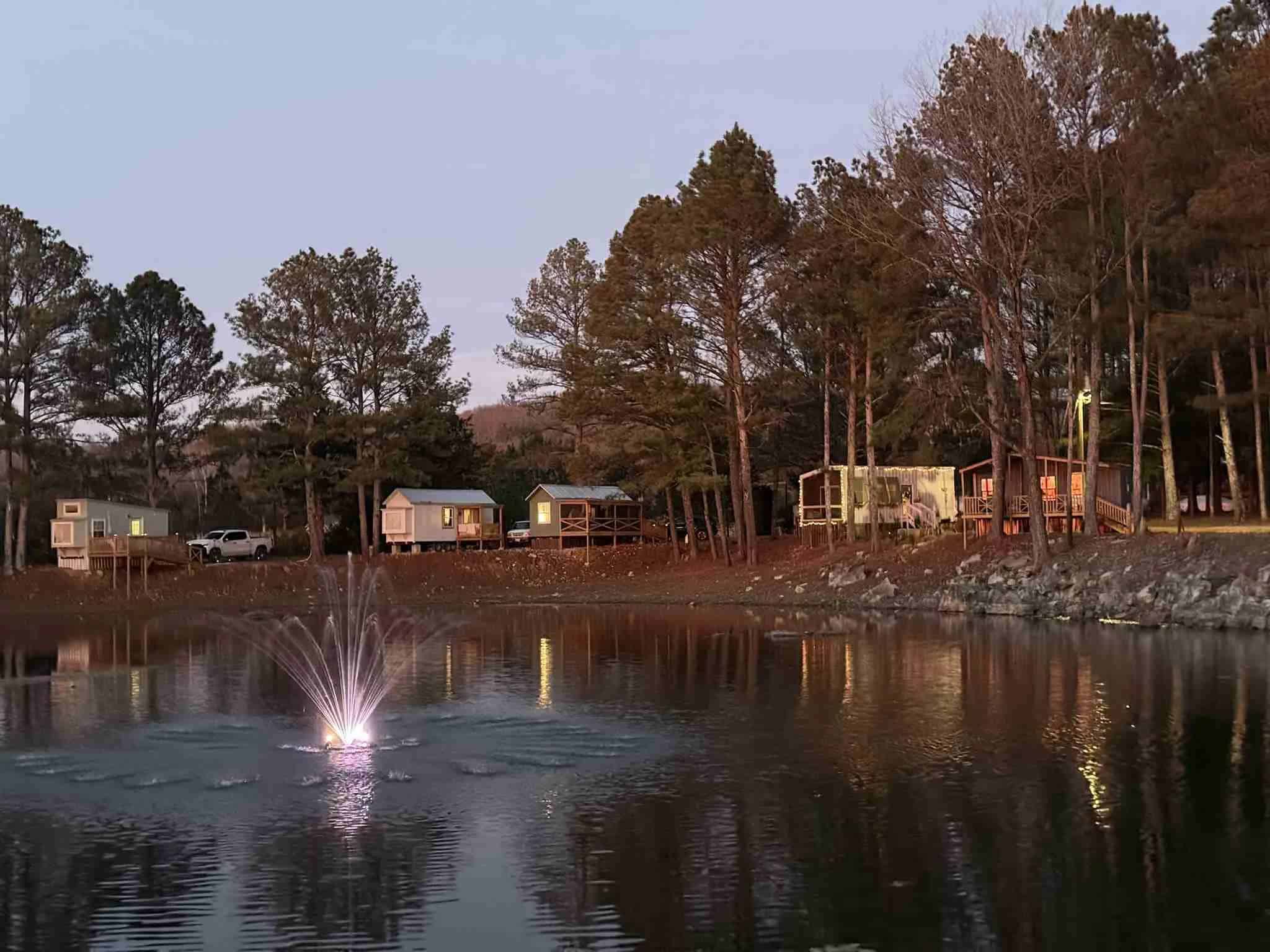
If you’d rather join a community than start one, see our tiny house communities directory, our state guides for North Carolina and Florida, the best tiny house communities in the US, and our free series on where you can put a tiny house. For research on how residents fare, read this year-long study of tiny house life in Texas.
Highlights
- Choose your model first: lot-lease park, pocket neighborhood, builder-led village, co-op, nonprofit village, or agrihood
- Confirm zoning in writing before buying land; RV park, PUD, and cottage court rules are the common paths
- Decide which homes you’ll allow: foundation tiny homes, certified THOWs, park models, or a mix
- Meet the fire marshal and health department early; road width and turnarounds shape your layout
- Budget for engineering, septic, power, and roads, plus a contingency
- Pick a legal structure with an attorney, and know whether residents are guests or tenants
- Write the rules before the first resident moves in, and grow in phases
Would you ever start your own tiny house community? Tell us in the comments.
If you enjoyed this you’ll LOVE our Free Daily Tiny House Newsletter with even more!
You can also join our Small House Newsletter!
Also, try our Tiny Houses For Sale Newsletter! Thank you!
More Like This: Communities | Guides | Tiny House Living
Disclosure: This post may contain affiliate links. If you purchase through one of our links, we may earn a commission at no additional cost to you.


Alex
Latest posts by Alex (see all)
- The Hardest Part of Going Tiny: 21 Honest Answers - November 25, 2026
- A Rare Bischofberger Fiberglass Camper Built on a Tiny VW Caddy Pickup - November 25, 2026
- A Solar-Powered Geodesic Dome on a Tennessee Mountainside with a Stargazing Loft - November 25, 2026





Join the Conversation
No comments yet. Be the first to join the conversation.