Disclosure: This post may contain affiliate links. If you purchase through one of our links, we may earn a commission at no additional cost to you.
This post contains affiliate links. If you buy through them, Tiny House Talk may earn a small commission at no extra cost to you.
Most of the tiny houses we feature here come with a story of freedom: someone paid off their debt, quit a job they hated, parked on a piece of land with a view, and started living smaller and better. That story is real. We have documented it hundreds of times.
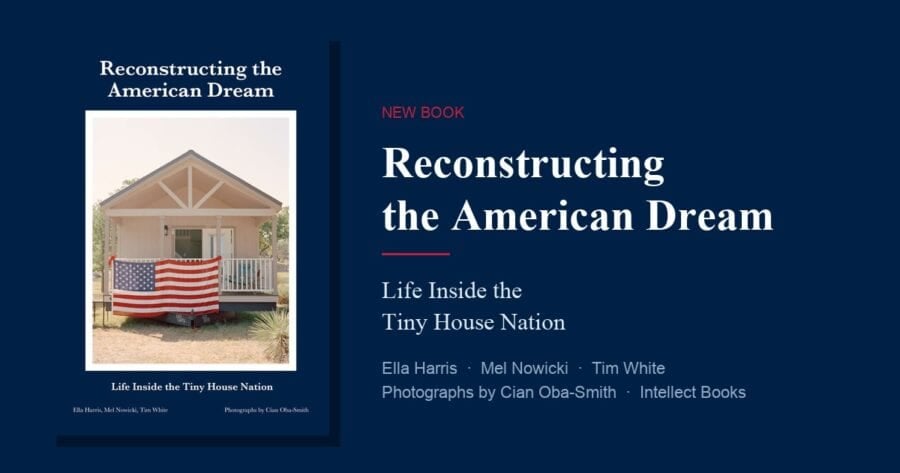
But a new book from three UK-based geographers argues there is a second story running alongside it, and that the two are harder to separate than the movement usually admits. In Reconstructing the American Dream: Life Inside the Tiny House Nation, Dr Ella Harris, Dr Mel Nowicki and Dr Tim White make the case that America’s tiny house boom is not only a lifestyle choice. It is also, they say, a readable symptom of a housing market that has stopped working for ordinary people.
It is a challenging read for anyone who loves this movement, which is exactly why it is worth engaging with rather than dismissing.
Who Chooses to Go Tiny, and Who Gets Pushed
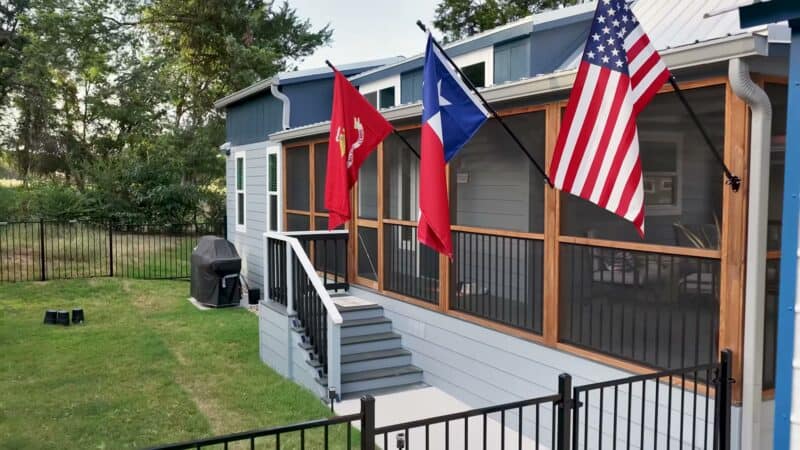
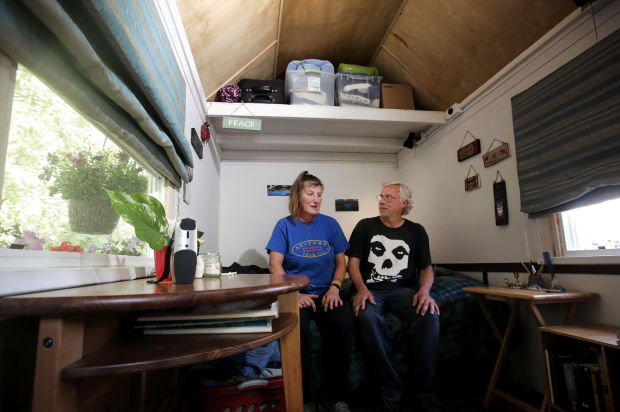
The central argument of the book turns on a single distinction: the difference between going tiny and ending up tiny. The authors spent time in tiny house communities across Texas, conducting ethnographic fieldwork and extended interviews with residents, and what they found was a population that does not fit neatly into the Instagram version of the movement.
Some residents had genuinely chosen it. They talked about escaping mortgage debt, stepping off the treadmill of material accumulation, and building something more communal than a suburban cul-de-sac. We hear that version constantly, and it is not a myth: one family we featured paid off $200,000 in debt by downsizing on purpose. Others had arrived by a very different route: priced out of conventional housing in a metro area they could not afford to leave, with a tiny house as the last rung on the ladder they could still reach, often shopping the most affordable builds on the market rather than their dream design.

Both groups end up in the same 300 square feet. The book argues that treating their situations as the same thing is how the movement’s public narrative papers over a real problem.
“Tiny houses are a symptom of a wider crisis. Housing is now so unaffordable that even the middle classes are resorting to what are essentially gentrified trailer parks.”
— Dr Tim White, Department of Geography, King’s College London
The Land Problem Nobody Solved
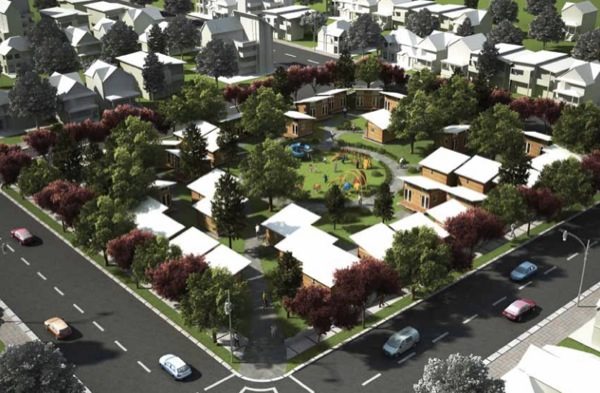
The researchers put their finger on something this site has written about for years, and it remains the least glamorous and most important issue in tiny living: the structure and the land underneath it are two completely different purchases.
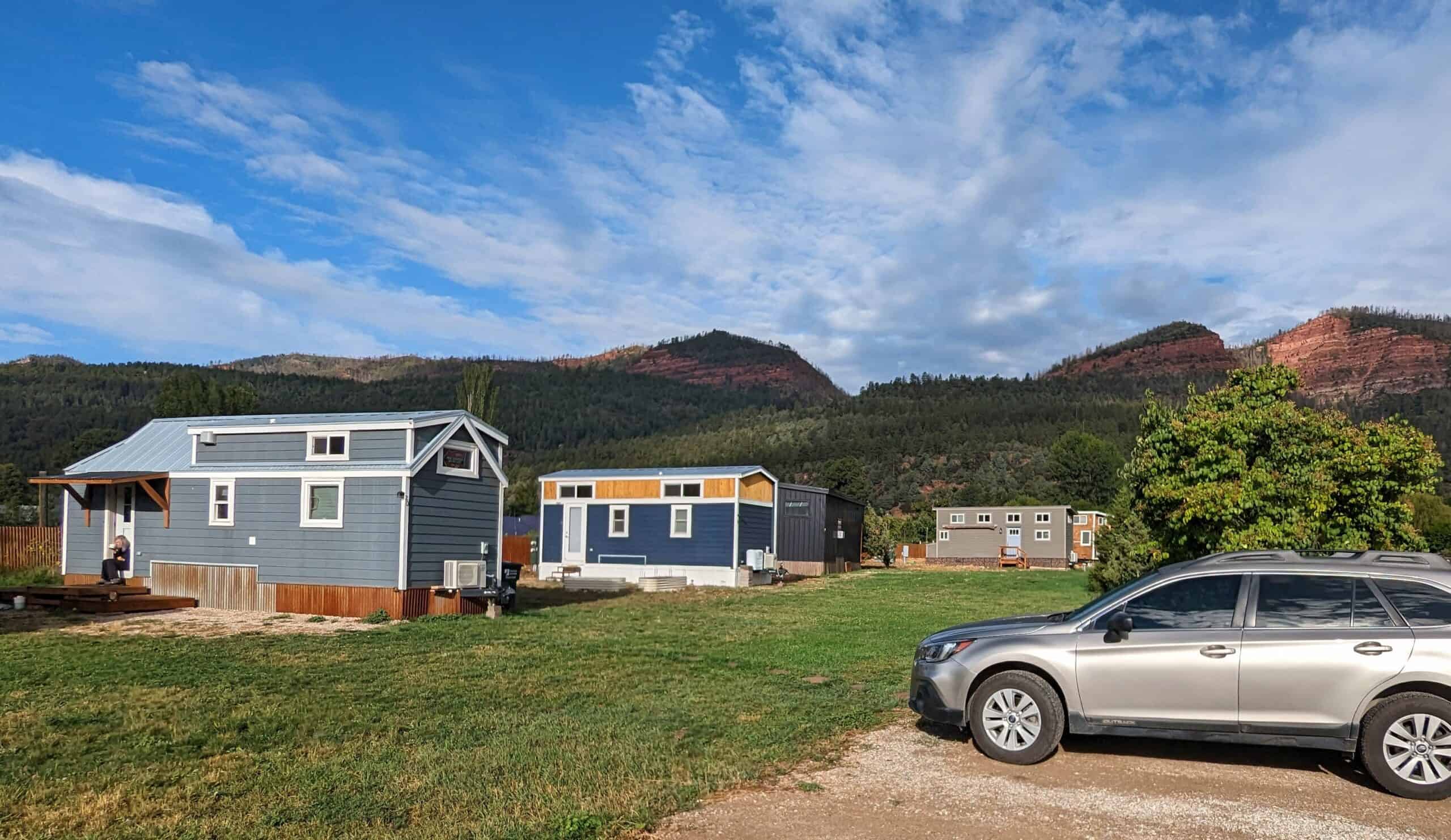
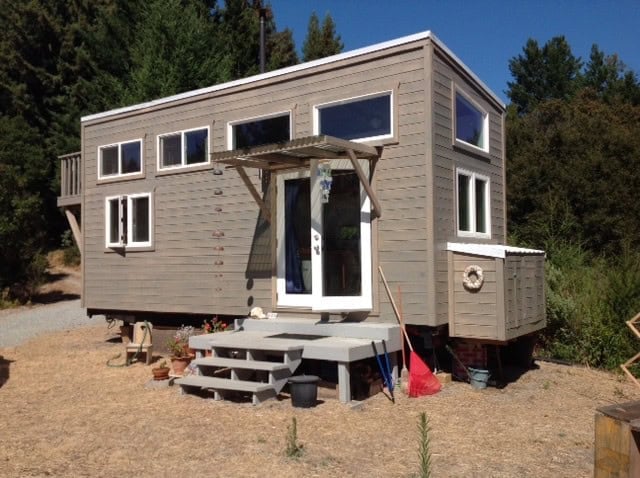
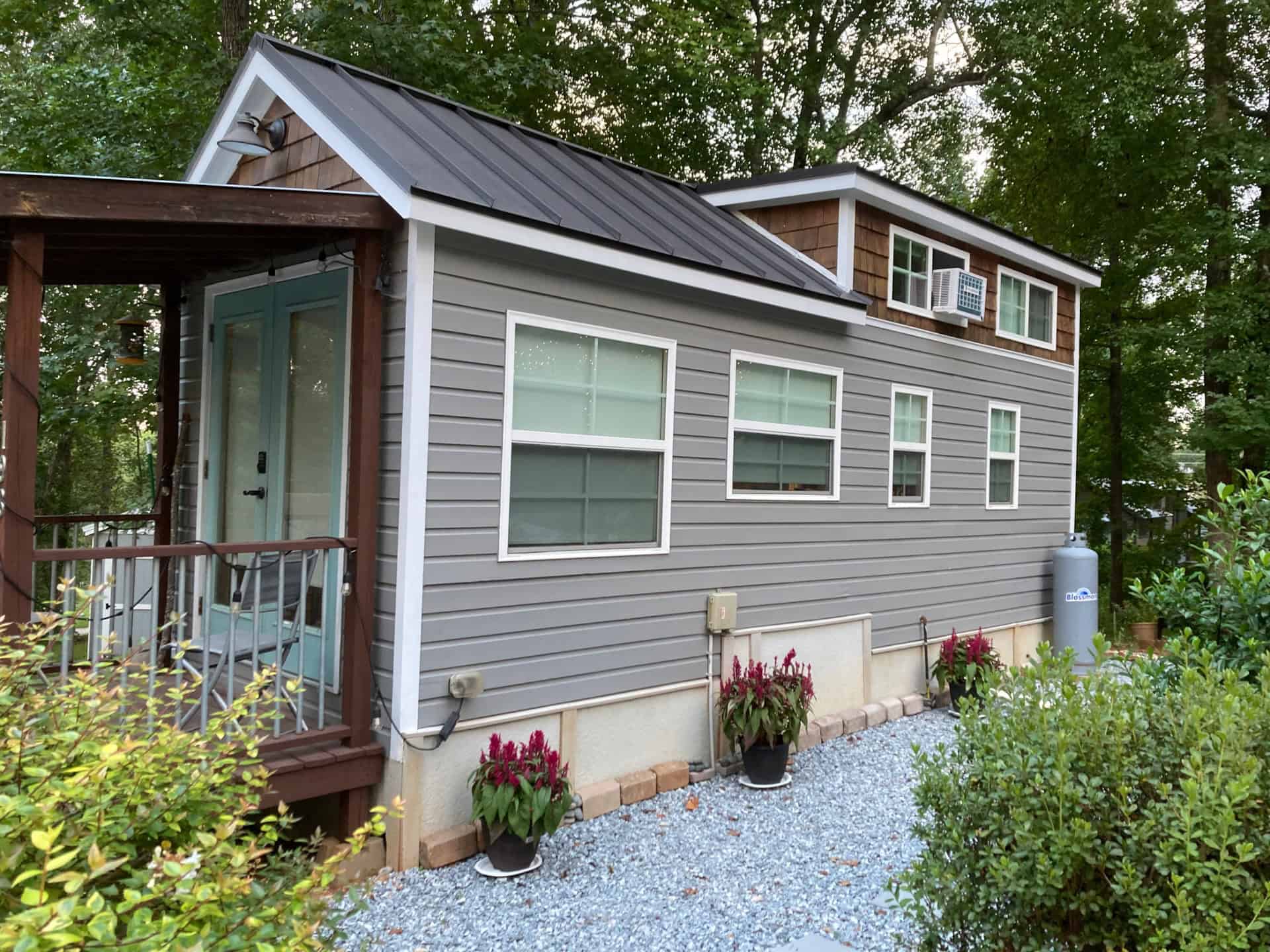
To qualify as a tiny house, a dwelling generally needs to come in under 400 square feet. Most of them are built on trailers, which means that legally and administratively they land in the same bucket as mobile homes, no matter how much reclaimed cedar and how many custom windows went into them. And as with mobile homes, the overwhelming majority of tiny house residents own the box but rent the ground it sits on.
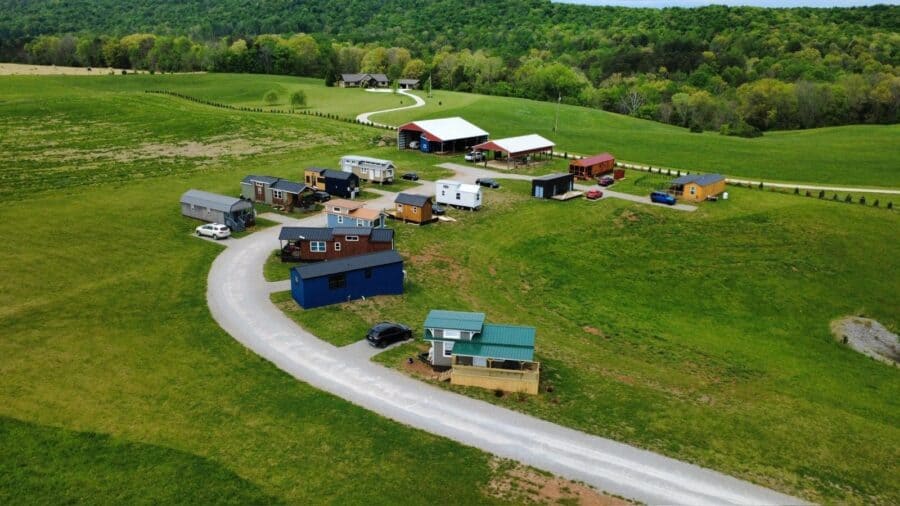
That is the arrangement that makes the “gentrified trailer park” line sting. It is not a comment on the craftsmanship. It is a comment on tenure. A homeowner who does not control their land can have their lot rent raised, their community sold, or their lease not renewed, and the asset they own is a depreciating one they may have to physically tow away. The design magazine version of tiny living rarely mentions this. The residents in this book live it, and so does anyone buying into a lot inside an established tiny house community.
A Shrunken Version of the Same Dream
The book’s most interesting claim is not that tiny houses are bad. It is that they are conservative in an unexpected way. Rather than rejecting the American Dream of homeownership, the authors argue, tiny housing keeps the dream intact and shrinks it to fit what people can still afford.
“The growing appeal of tiny homes reflects a housing system in which many people can no longer access secure, affordable accommodation, but are still holding onto the domestic ideals bound up in the American Dream. Tiny housing offers a shrunken down and contracted version of the residential good life inseparable from broader economic crises.”
— Dr Tim White
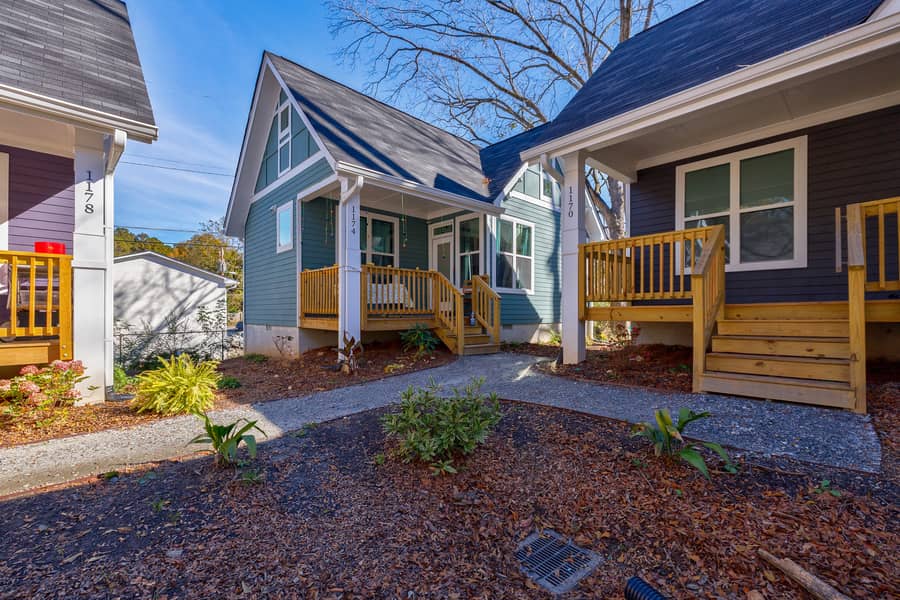
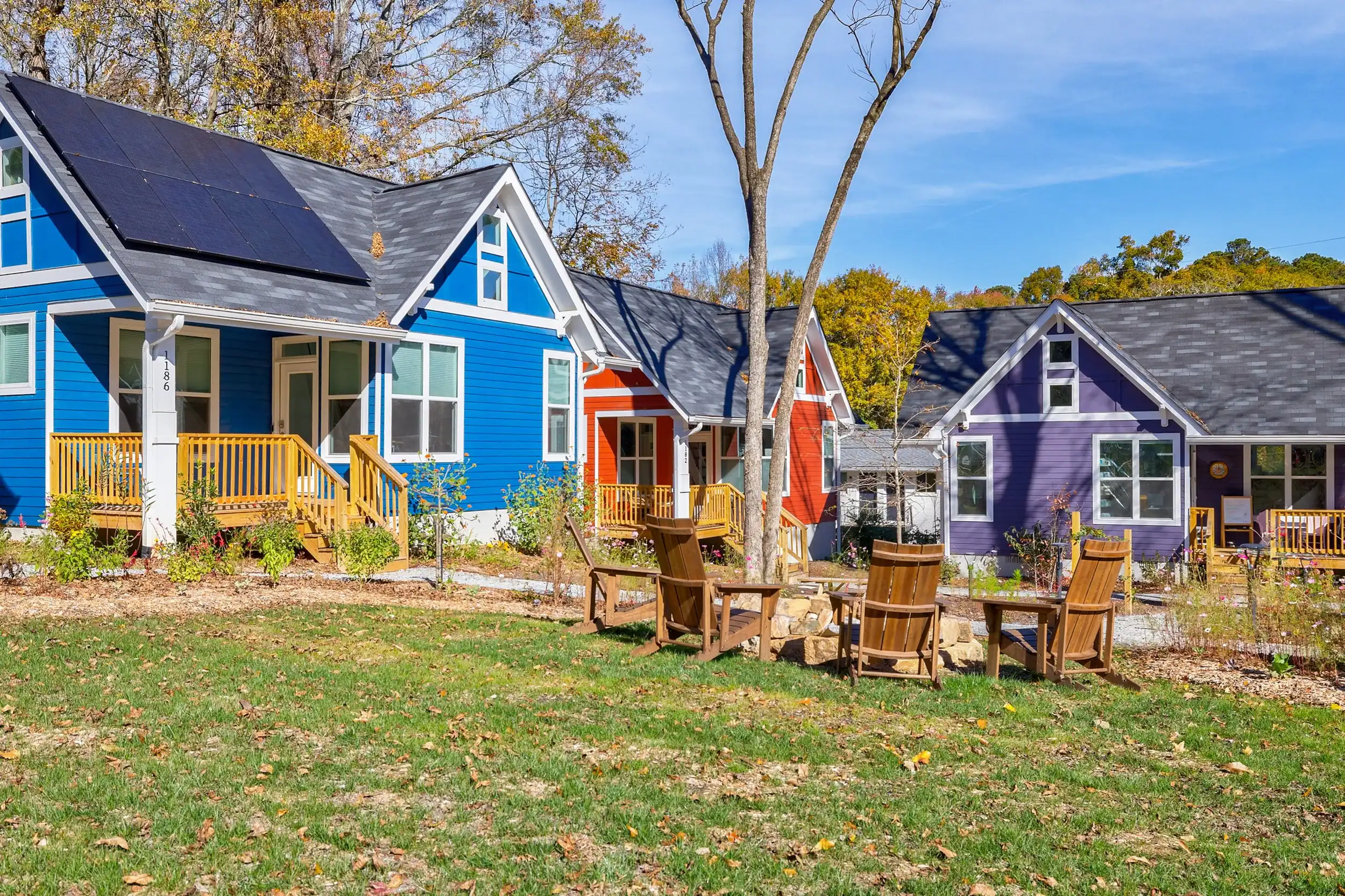
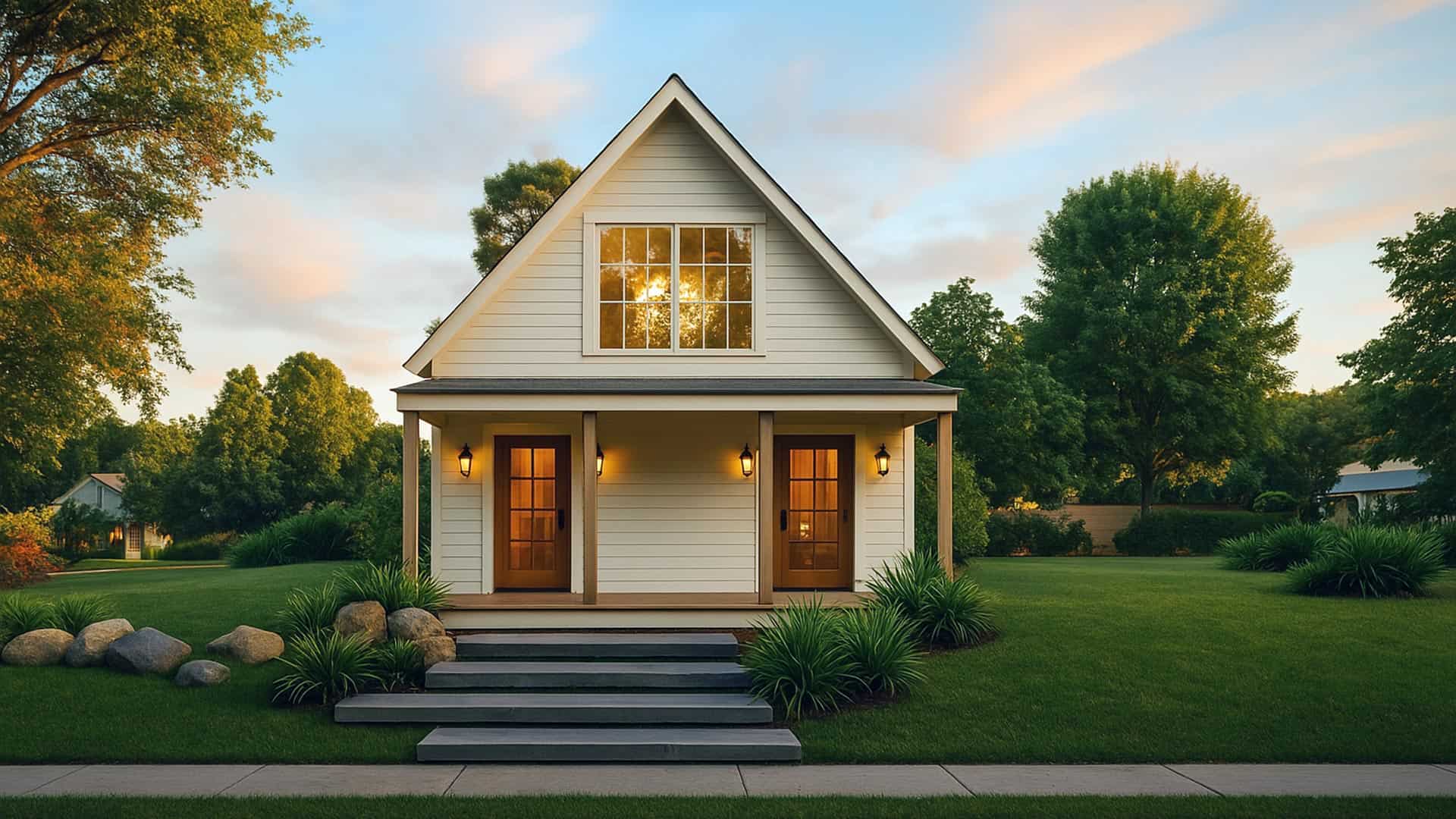
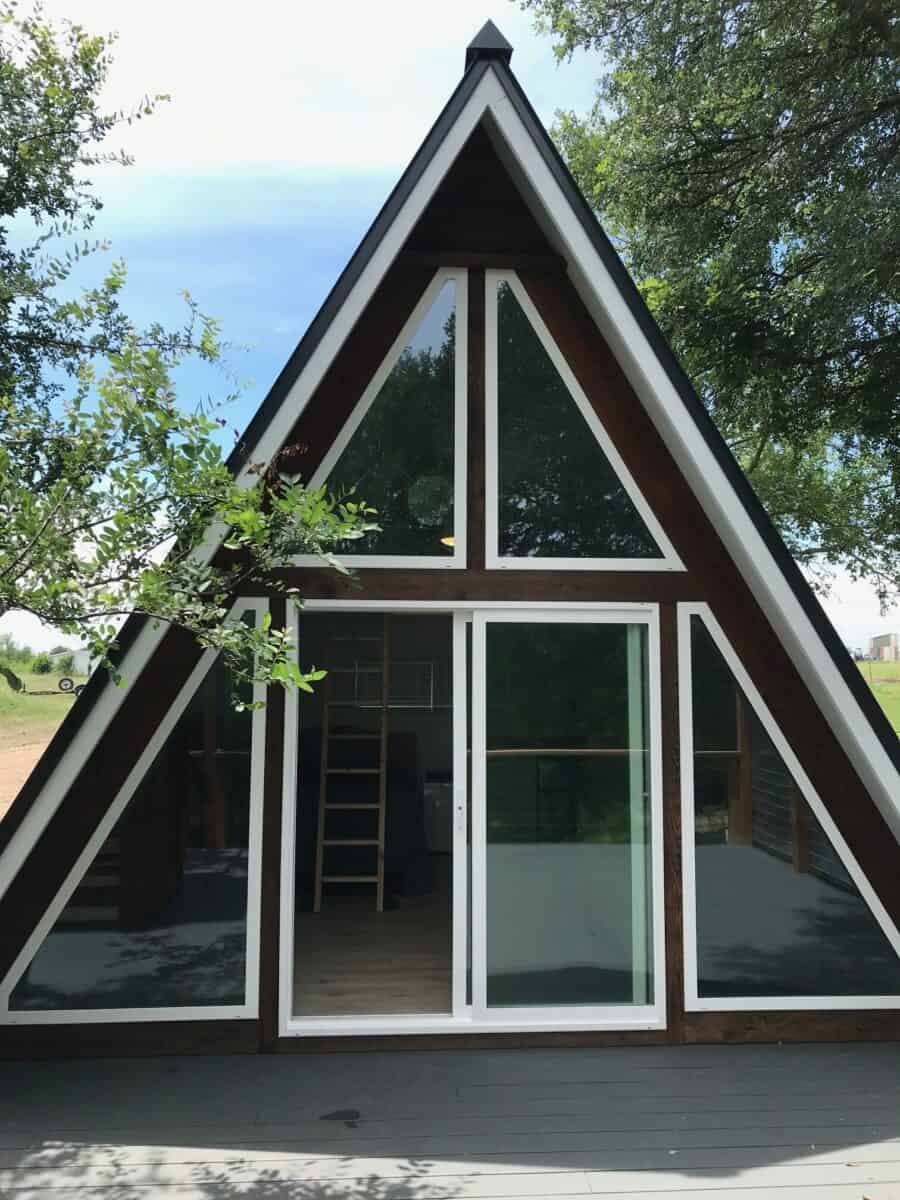
The porch, the pitched roof, the front door, the yard, the sense that this place is yours. Those things survive the downsizing. What gets sacrificed is square footage, storage, land ownership, and often long-term security. Seen that way, the classic A-frame silhouette that shows up in so many tiny house designs is not an accident. It is the visual language of the traditional single-family home, scaled down to a price point that still works.
The Part Where They Give the Movement Its Due
It would be easy to read the headlines and assume this is a hit piece. It is not. White is explicit that tiny housing has delivered genuine freedom for some of the people the researchers met: liberation from gendered household labour, from conventional family arrangements, from the constant pressure to accumulate more things, and from decades of mortgage debt.
“In some ways, tiny houses are the embodiment of a failing social system: that all the middle class can afford is an air conditioned box on somebody else’s field. A sticking plaster at best that does nothing to address the structural forces driving the housing crisis in America. In others, they give us a glimpse into alternative, potentially more communal and sustainable ways of living.”
— Dr Tim White
That second half matters. The book’s position is not that tiny houses fail. It is that they cannot be asked to do a job that only zoning reform, land policy and housing supply can actually do. Individual people making smart individual choices is a wonderful thing. It is not a housing policy.
How the Book Was Made
The research is more creative than a standard academic monograph, and that is worth noting for anyone deciding whether to pick it up.
- Fieldwork: Ethnographic research and extended resident interviews inside tiny house communities across Texas
- Photography: Images throughout by Cian Oba-Smith, an Irish Nigerian photographer known for work on communities and subcultures that tend to get misrepresented
- Format: The authors describe it as a “disrupted coffee table book,” deliberately using the movement’s own seductive visual language and then complicating it
- A board game: Dr Ella Harris designed a playable game that walks you through the pathways into tiny housing, showing how structural forces and personal choices combine to push someone toward going tiny
The Authors
- Dr Ella Harris — independent creative researcher specialising in “crisis cultures” and creative research methods; previously wrote Rebranding Precarity
- Dr Mel Nowicki — associate professor in urban geography at Oxford Brookes University; author of Debt Trap Nation: Family Homelessness in a Failing State
- Dr Tim White — Leverhulme Early Career Fellow in the Department of Geography at King’s College London, currently also an Alexander von Humboldt Research Fellow at the Free University of Berlin and a visiting fellow at the LSE
What This Means If You Are Thinking About Going Tiny
You do not have to accept the book’s politics to take its practical warning seriously. The findings line up with the advice we give constantly, whether you are looking at single-level layouts for aging in place, multi-bedroom plans for a family, or simply trying to work out which builders are worth your deposit:
- Solve the land question first. Before you fall in love with a floor plan, know where the house is going and what your legal right to stay there actually is. A lease is not the same as a deed.
- Read the community agreement like a contract, because it is one. Ask what has happened to lot rent over the past five years and who owns the underlying parcel.
- Be honest about which story you are in. Choosing to go tiny and being squeezed into it lead to very different experiences of the same house. If you are being squeezed, budget and plan accordingly rather than adopting the minimalism narrative to make the constraint feel like a choice.
- Understand the classification. If your build is on a trailer, it will likely be treated as a mobile home for financing, insurance and zoning purposes, which changes almost everything about the numbers.
- Do not expect appreciation. A tiny house on rented land is far more likely to behave like a vehicle than like real estate.
Our Take
We think both things are true at once, and we do not find that contradiction uncomfortable.
Tiny houses have given a lot of people a genuinely better life. We have sat in those kitchens and heard those stories. At the same time, the fact that a growing number of Americans now see 300 square feet on somebody else’s lot as their most realistic path to owning a home is not a triumph of design. It is information about the housing market, and it is not good information.
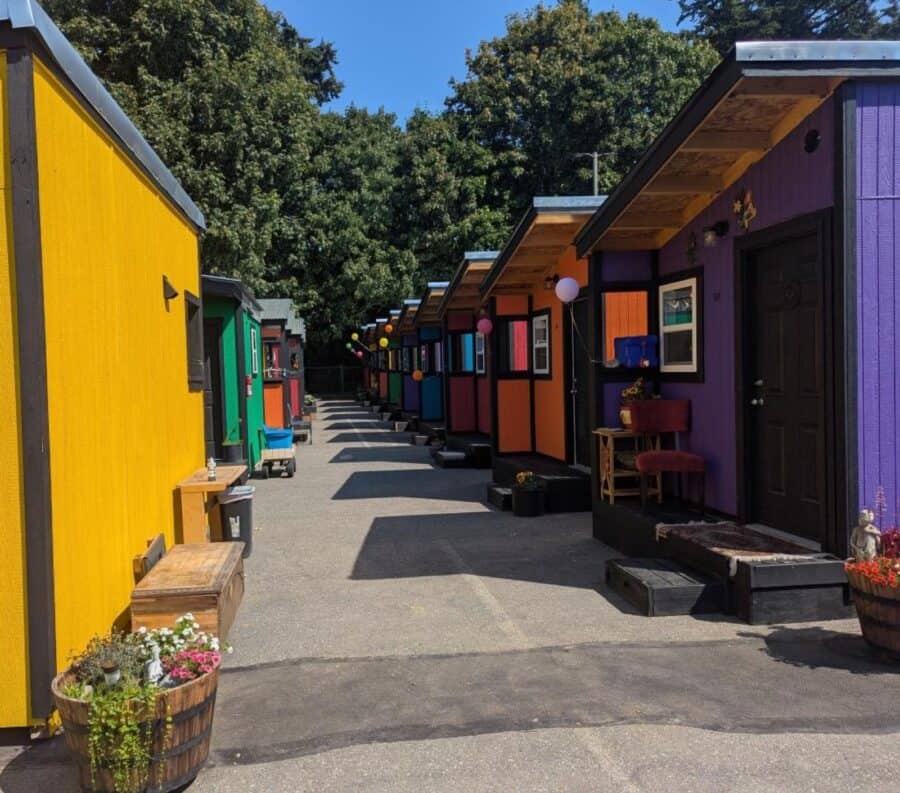
The healthiest version of this movement is the one that can hold both ideas: celebrate the builds, love the lifestyle, and keep pushing hard for the zoning reform, land access and legal recognition that would let tiny houses be a real choice for everyone who wants one, rather than a last resort for people who have run out of others.
Learn More
- Reconstructing the American Dream: Life Inside the Tiny House Nation on Amazon
- King’s College London news release: USA’s tiny house phenomenon reflects deepening housing crisis, researchers warn
- Reconstructing the American Dream at Intellect Books
Reconstructing the American Dream: Life Inside the Tiny House Nation by Ella Harris, Mel Nowicki and Tim White, with photography by Cian Oba-Smith, is published by Intellect Books and available now.
Keep Exploring
- Best Tiny Homes Under $75K: 6 Affordable Builds You Can Buy Right Now
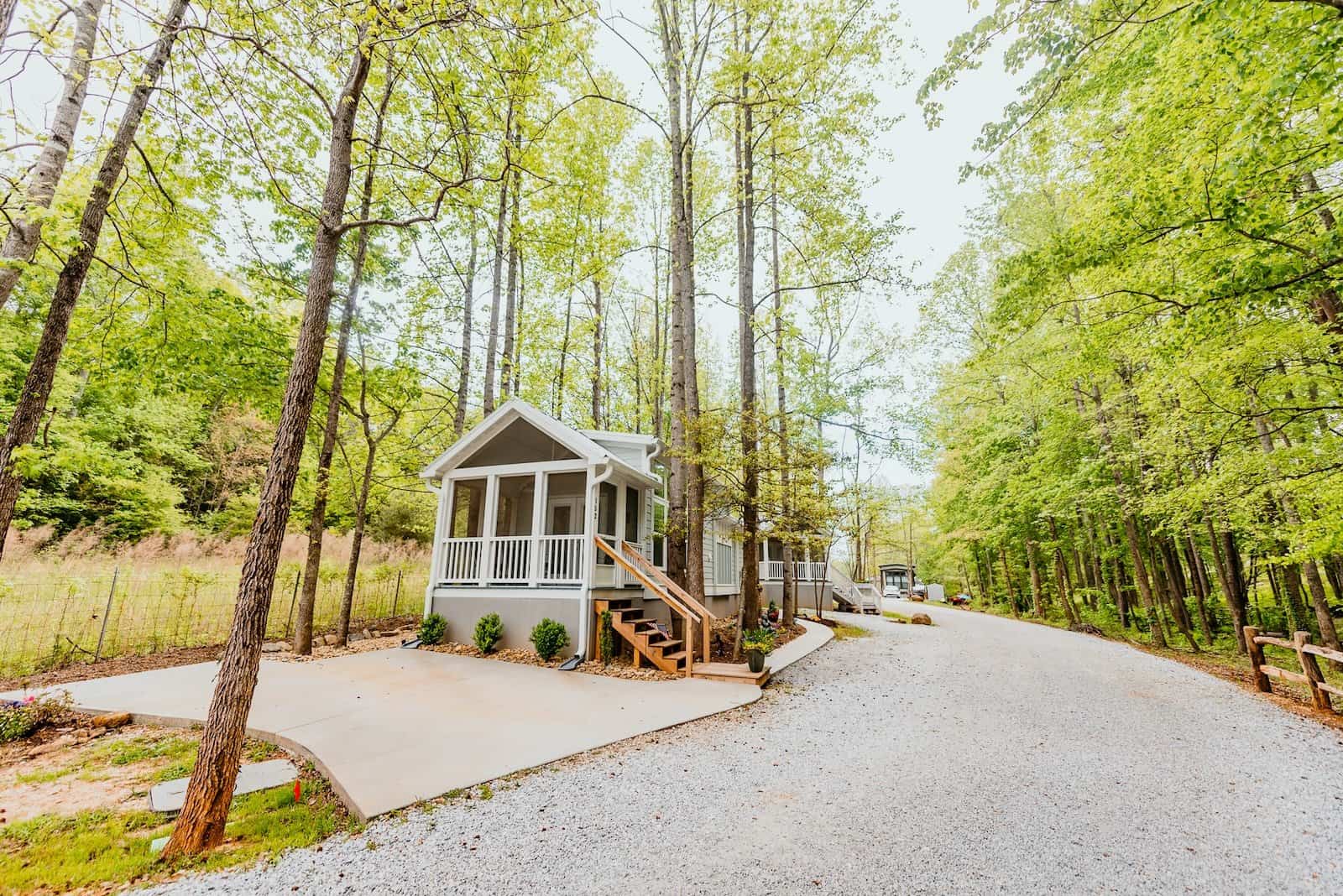
- Tiny Homes Village: A Pet-Friendly Tiny House Community in the Tennessee Hills
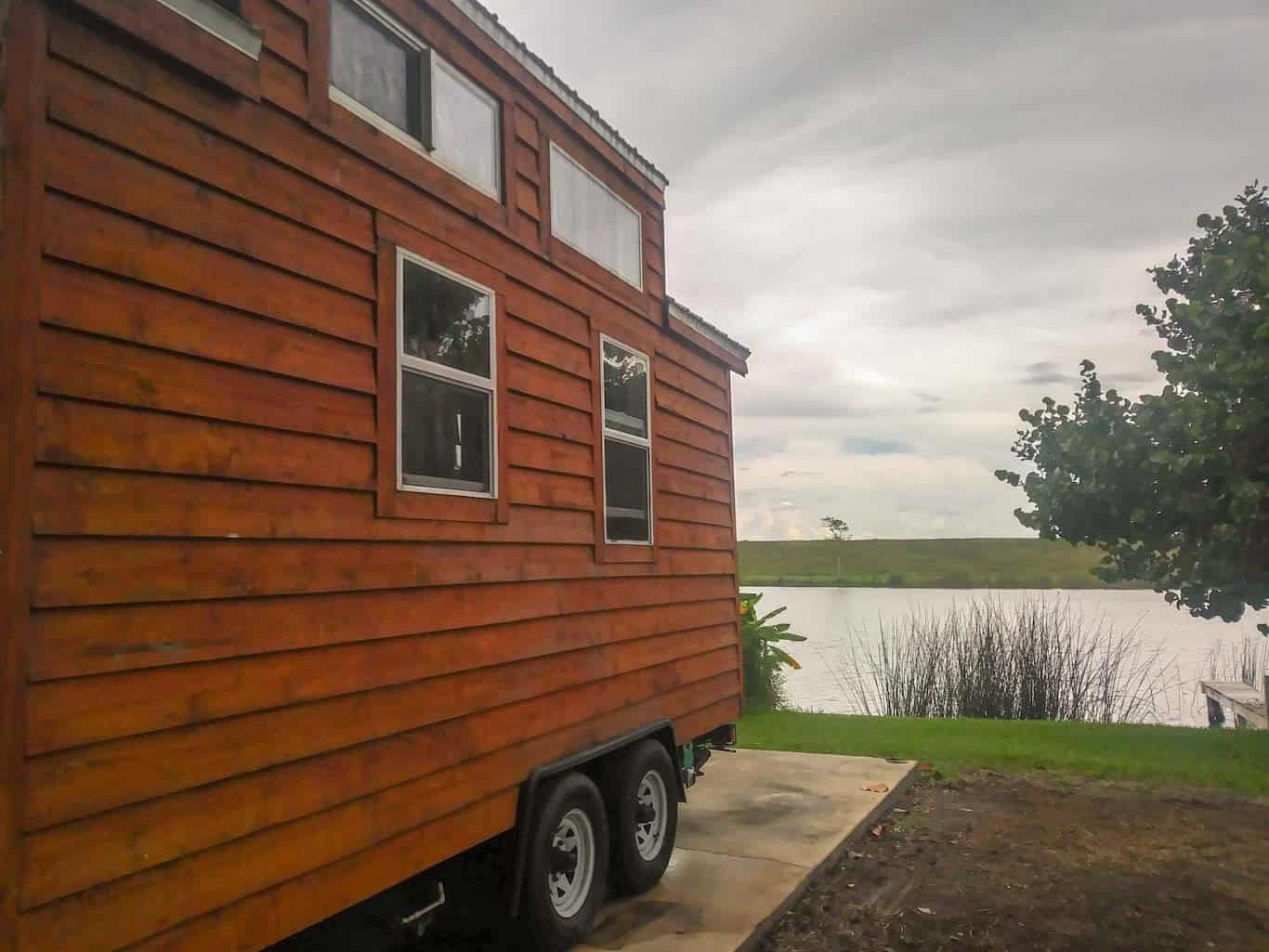
- Debt-Free Tiny House Life: A Couple’s 24-Foot Home in an Orlando Lakefront Community
- Charming A-Frame Cabin on a Working Ranch Near Austin, Texas
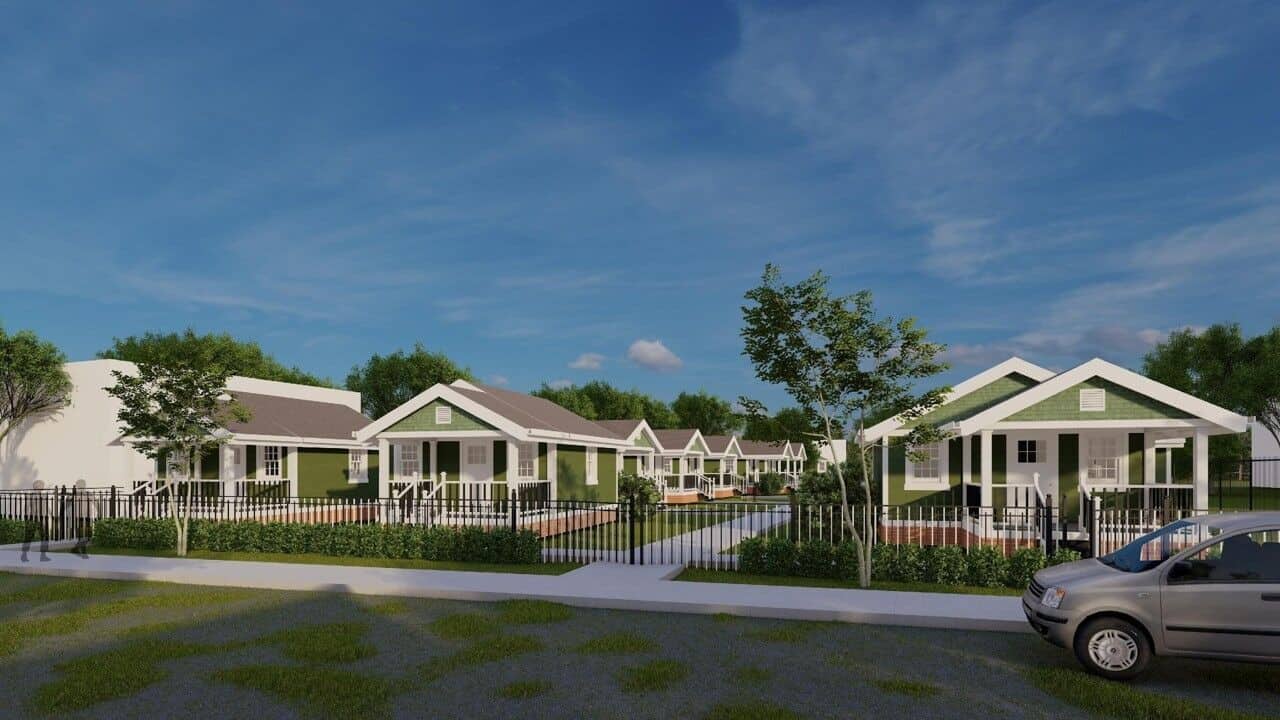
- Bellingham’s Third Tiny Home Village: 40 Homes Coming to Division Street
- Best Tiny House Builders Guide
What Do You Think?
Did you choose tiny living, or did the housing market choose it for you? And has it turned out to be freedom, a compromise, or a bit of both? Tell us in the comments.
Disclosure: This post may contain affiliate links. If you purchase through one of our links, we may earn a commission at no additional cost to you.


Alex
Latest posts by Alex (see all)
- This Curved Off-Grid Tiny House in New South Wales Is Almost All Kitchen - October 26, 2026
- California Tiny House Element 20: A Modular 8×18 Shell You Build Up From - October 26, 2026
- Wheelhaus Wedge: A 400 Sq Ft Rolling Cabin Clad in Reclaimed Wyoming Snow Fencing - October 26, 2026