
Disclosure: This post may contain affiliate links. If you purchase through one of our links, we may earn a commission at no additional cost to you.
In a world where housing costs continue to soar, BOXABL is making waves with its latest innovation: the Baby Box, a $20,000 tiny house that promises affordability, convenience, and modern design—all packed into a compact, portable package.
Launched in January 2025, this groundbreaking addition to BOXABL’s lineup is turning heads and offering a fresh solution to the global housing crisis. Here’s why the Baby Box (affiliate link) might just be the future of affordable living.
BOXABL’s Baby Box: A $20K Solution to the Housing Crisis?

Images via BOXABL
Is This $20K Tiny House the Future of Housing?




Images via BOXABL
What is the Baby Box?
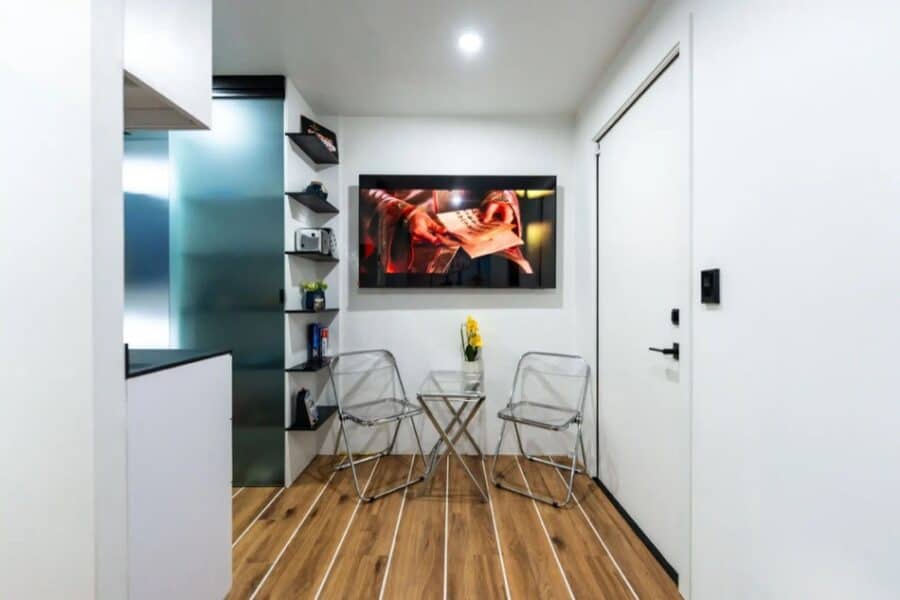
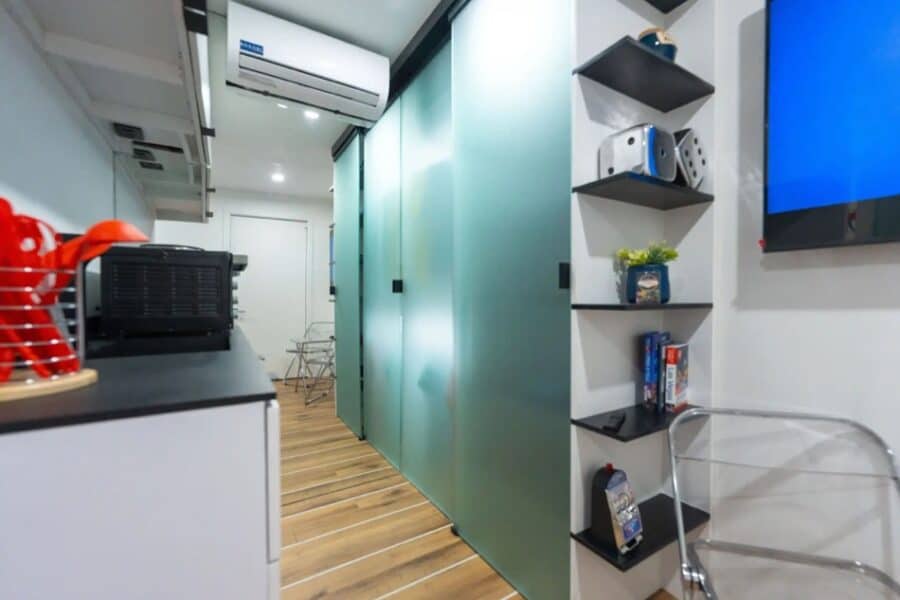
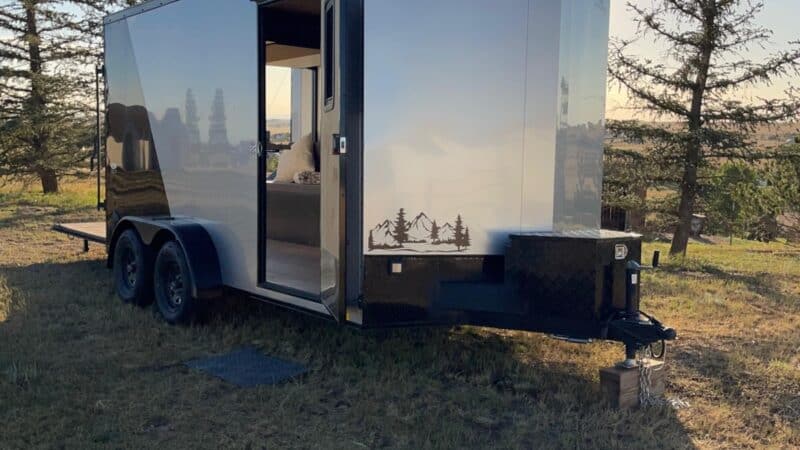
The Baby Box is BOXABL’s newest offering, a foldable tiny home that starts at an introductory price of $19,999 (set to rise to $29,000 later). Measuring just 120 square feet, this ultra-compact home is built on a single-axle trailer, making it easy to tow and set up virtually anywhere. What sets it apart? You can unfold and assemble it in under an hour—no tools or construction crew required. It’s a turnkey solution designed for flexibility, whether you’re looking for a minimalist primary residence, a backyard guest house, or even a mobile office.
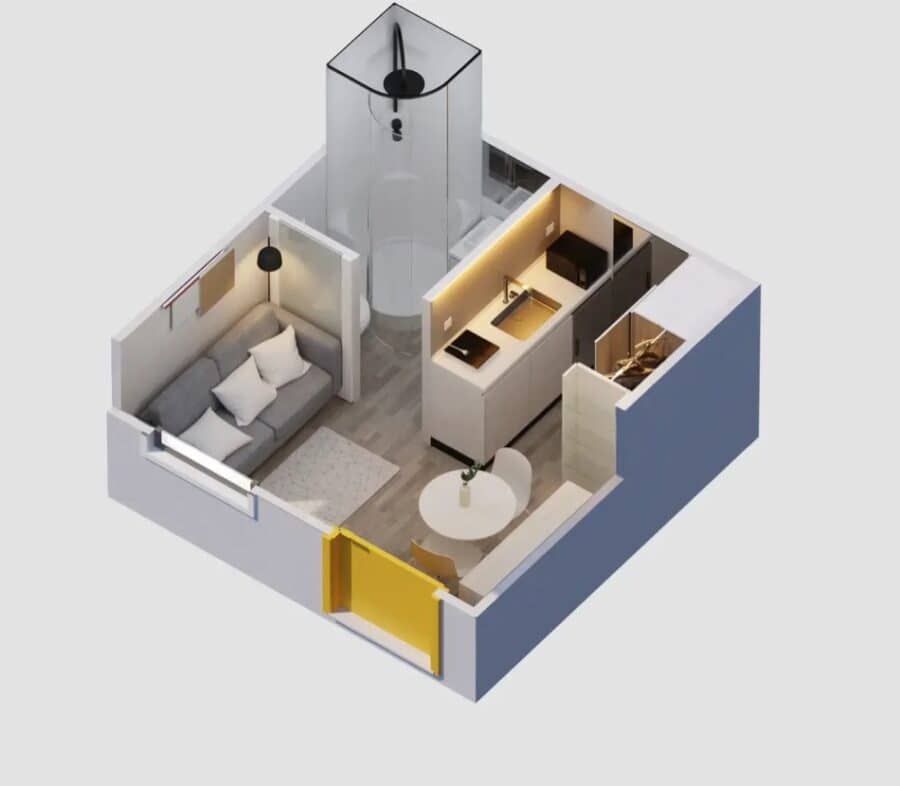
Inside, the Baby Box doesn’t skimp on essentials. It comes equipped with a kitchen featuring a countertop induction stove, a small refrigerator, and a deep sink, plus a bathroom with a shower and toilet. Modern touches like USB outlets, LED lighting, and a 9k BTU heat pump for climate control ensure comfort without compromising efficiency. At just 2,900 pounds, it’s light enough to be towed by an SUV, offering unparalleled mobility for those who crave freedom without the hefty price tag.
Why $20K Matters
At $20,000, the Baby Box is a game-changer in a housing market where the median home price in the U.S. hovers around $400,000 and rents are climbing ever higher. BOXABL’s mission has always been to tackle housing affordability, and this model delivers on that promise. For context, a traditional tiny home can easily cost $50,000 or more, while prefab options often come with hidden fees for shipping, site prep, and assembly. The Baby Box, with its all-in-one price and quick setup, cuts through the noise, making homeownership—or at least a slice of it—accessible to a broader audience.
This isn’t just about first-time buyers, either. The Baby Box appeals to retirees downsizing, students seeking independence, or anyone looking to add an affordable accessory dwelling unit (ADU) to their property. It’s also a potential lifeline for addressing homelessness, offering a dignified, climate-controlled space at a fraction of the cost of traditional housing projects.
The BOXABL Edge
BOXABL isn’t new to the tiny home scene. Their flagship Casita model—a 361-square-foot foldable home—gained fame after Elon Musk revealed he has been living in one, sparking global interest. The Baby Box builds on that legacy with a smaller footprint and an even lower price point, but it retains the company’s signature blend of innovation and practicality. The foldable design, energy-efficient insulation, and pre-installed utility hookups (water, sewer, electricity) mean you’re move-in ready in record time.
The company’s vision goes beyond individual homes. BOXABL aims to revolutionize construction by mass-producing these units in their Las Vegas factory, driving down costs through scale. With over 175,000 people on their waiting list and millions raised through crowdfunding, it’s clear the demand is there—and the Baby Box could be the key to meeting it.
Challenges and Considerations
Of course, no innovation is without hurdles. At 120 square feet, the Baby Box is tiny—really tiny. It’s ideal for solo dwellers or minimalists, but families or those needing more space might find it limiting. Local zoning laws and building codes could also complicate placement, especially in urban areas where tiny homes still face regulatory pushback. And while the $20K price is a steal, additional costs like land, permits, and delivery (if you’re not picking it up from Nevada) could bump up the total investment.
BOXABL has faced scrutiny in the past, too. Some early customers of the Casita reported delays and sought refunds, and the company has burned through cash as it scales up. The Baby Box launch feels like a bold step forward, but its success will hinge on BOXABL delivering on time and meeting the high expectations set by its hype.
The Bigger Picture
The Baby Box isn’t just a product—it’s a statement. As housing affordability slips out of reach for millions, solutions like this challenge the status quo. It’s not about luxury or excess; it’s about rethinking what a home can be. Sustainable, portable, and budget-friendly, the Baby Box aligns with growing trends toward minimalism and eco-conscious living. Plus, with endorsements from figures like Elon Musk and a buzz that’s only getting louder, BOXABL is positioning itself as a leader in the prefab revolution.
VIDEO TOUR: $19,999 Boxabl Baby Box Tiny House
Highlights
-
Affordable Innovation: BOXABL’s Baby Box launches at $19,999, offering a fully functional tiny home for under $20K—a rare feat in today’s housing market.
-
Compact & Convenient: At 120 square feet, it unfolds in under an hour, complete with a kitchen, bathroom, and modern amenities, all towable by an SUV.
-
Mass Appeal: Ideal for minimalists, retirees, or as an ADU, it’s a versatile solution that could even address homelessness or housing shortages.
-
Challenges Ahead: Limited space, zoning hurdles, and past delivery delays raise questions, but the $20K price tag keeps the dream alive.
-
Big Vision: Backed by BOXABL’s prefab expertise and a massive waitlist, the Baby Box signals a shift toward scalable, budget-friendly housing.
Learn more using our affiliate link below!
Final Thoughts
BOXABL’s $20K tiny house is a glimpse into a future where housing doesn’t have to break the bank. Whether you’re dreaming of off-grid adventures, a cozy backyard retreat, or simply a roof over your head that won’t drain your savings, the Baby Box delivers a compelling option. It’s not perfect, and it’s not for everyone, but it’s a bold leap toward making the American Dream (or any dream of homeownership) a little more attainable.
So, what do you think? Could you see yourself living in a 120-square-foot foldable home? Let’s keep the conversation going—because if BOXABL pulls this off, the way we think about housing might never be the same.
You can share this using the e-mail and social media re-share buttons below. Thanks!
If you enjoyed this you’ll LOVE our Free Daily Tiny House Newsletter with even more!
You can also join our Small House Newsletter!
Also, try our Tiny Houses For Sale Newsletter! Thank you!
Explore More: Tiny Houses | Builders | THOWs | Park Model Tiny Houses | Communities | Modern Tiny Houses | Real Estate | Reviews | Tiny Cabins | Tiny Cottages | Tiny Homes With No Lofts | Tiny House Interiors | Tiny House Living | Tiny Houses For Sale | Tiny Houses For Rent
The Latest: Go Back Home to See Our Latest Tiny Houses
Disclosure: This post may contain affiliate links. If you purchase through one of our links, we may earn a commission at no additional cost to you.


Alex
Latest posts by Alex (see all)
- The Atlas by Zook Cabins: A 233 Sq. Ft. Park Model With a Bed That Rolls Onto the Deck - October 22, 2026
- Red Oak Fire Lookout: An 80-Foot Steel Tower With a 14×14 Cab - October 22, 2026
- White Oak Treehouse: Built Into a 210-Year-Old Oak - October 22, 2026




At $166 per square foot, there are a lot of other building and living-in methodologies that I might prefer to use, simply to drive the cost of a structure this size much lower. But of course, there is no way to gain these unique Boxable benefits unless one buys their product.
DIMENSIONS would have been nice
Dimensions once setup: 177″ length x 131″ width x 111″ height
You can see the full spec sheet here: https://gcdn.boxabl.com/documents/technical/BABYBOX%20SPEC%20SHEET%201.30.25.pdf
I notices that only part of the home is on wheels. What holds up the other half?
Think of it as a hybrid, it doesn’t need to remain on wheels when it’s not being moved.
Note, the first photo where all the wheels are removed and it’s laying flat on the ground, with the trailer hitch folded flat against the side wall… The diagram is just a simplified version and is an above view, which wouldn’t show the wheels underneath, on the other side.
Could it be left on wheels and the front part have blocks to hold it up?
Yes
Can they do custom work to the inside? I don’t like the glass doors in the kitchen or bath. Can the front door be changed to a fan light door? I don’t like all the black counter tops and sinks.
Not really, maybe some minor changes like color but it’s a pre-fab. They’re factory produced on an assembly line. So, every unit is basically identical unless they produce a different series model and most changes will be because they changed the details for the whole series and not for a particular unit alone.
Mind, that’s the trade off with mass production. It lowers costs, making it more affordable, and allows them to produce more units faster but sacrifices control over design for individuals and focuses more on one size fits all.
Company is also still struggling to meet demand, which means they don’t have the free resources needed to make changes easily. So, they may offer more options later but they’re focused on production for now.
Though, once owned, nothing stopping renovations and remodeling by owners…
The glass doors are most likely used because of their thinness plus the transparency gives the illusion of more space. (My guess).