
Disclosure: This post may contain affiliate links. If you purchase through one of our links, we may earn a commission at no additional cost to you.
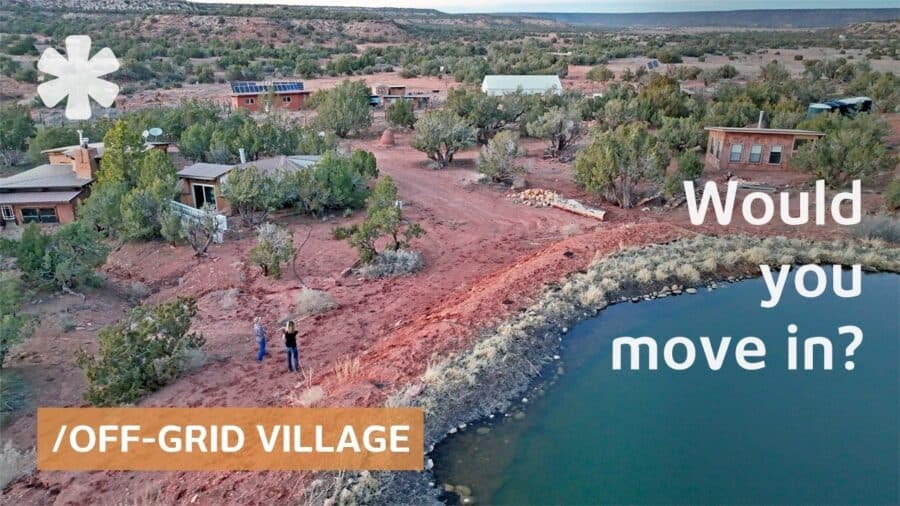
Sarah and her family of five made a radical decision to ditch the city grid and move 45 minutes down a dirt road in northern Arizona to become the first residents of Coslor Cove. This off-grid cooperative is more than just a place to live; it’s a living blueprint for an entire self-sufficient village where families can build true independence through shared resources and sustainable living.
A Retreat Turned Into a Cooperative Village
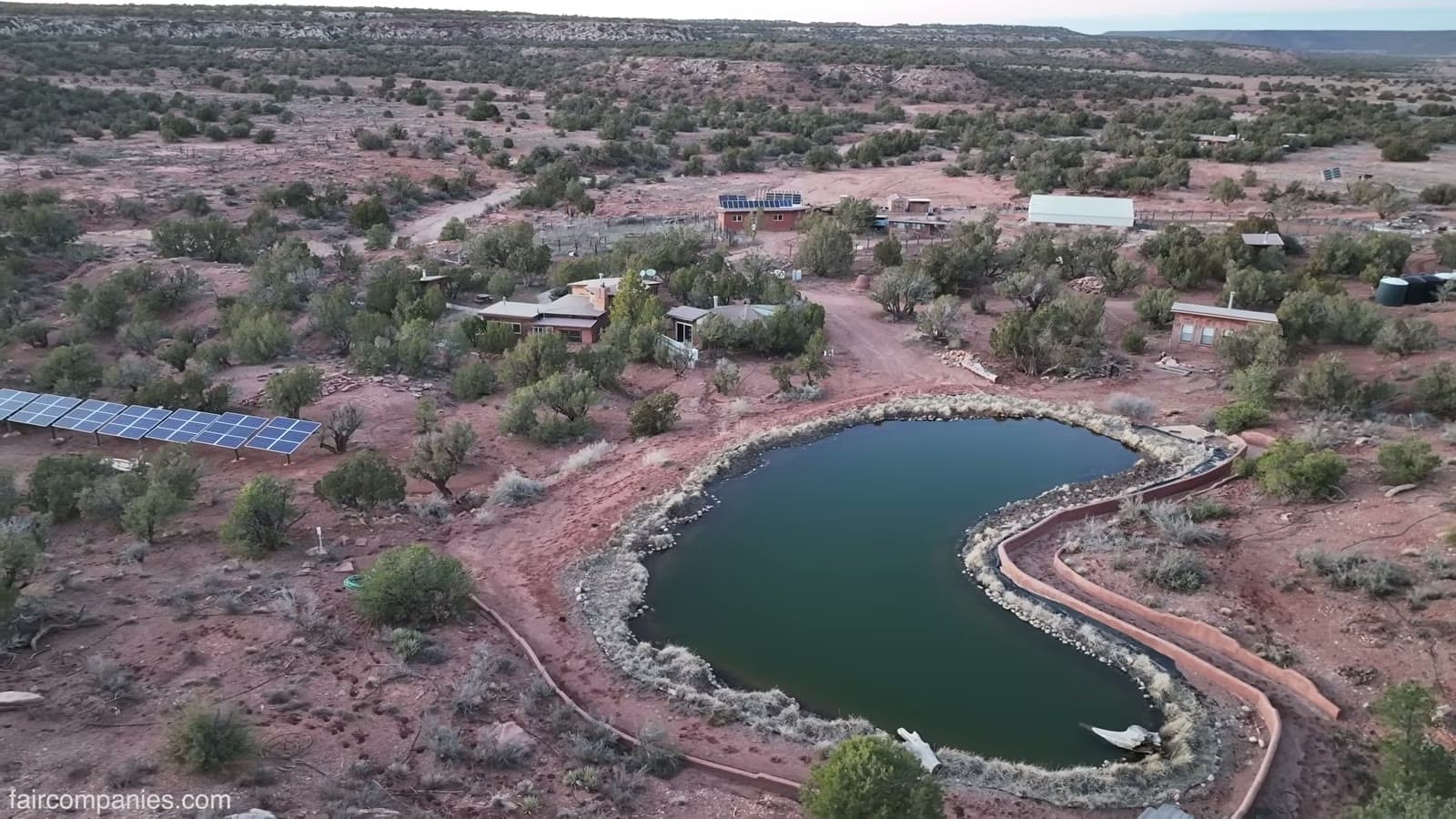
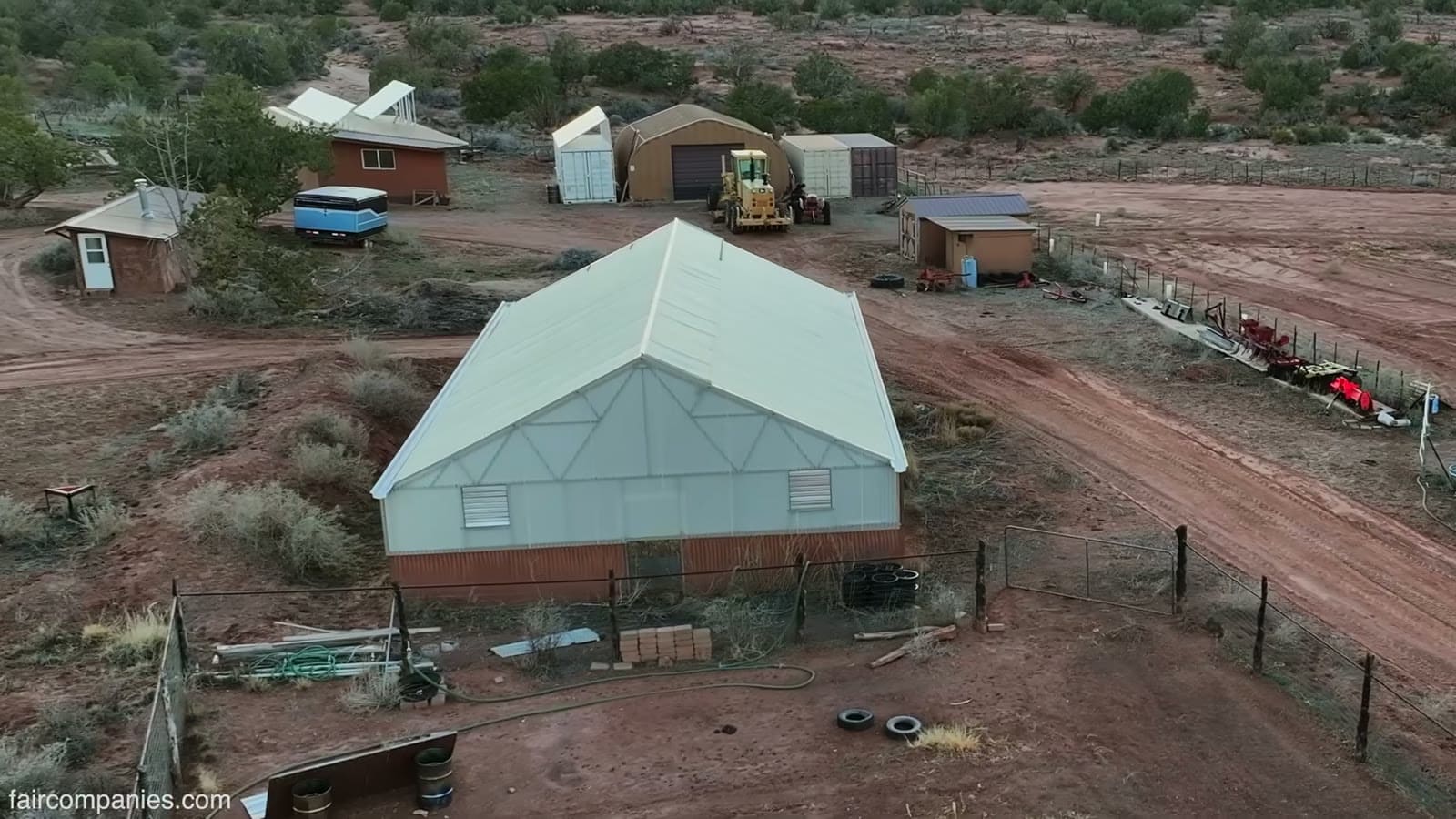
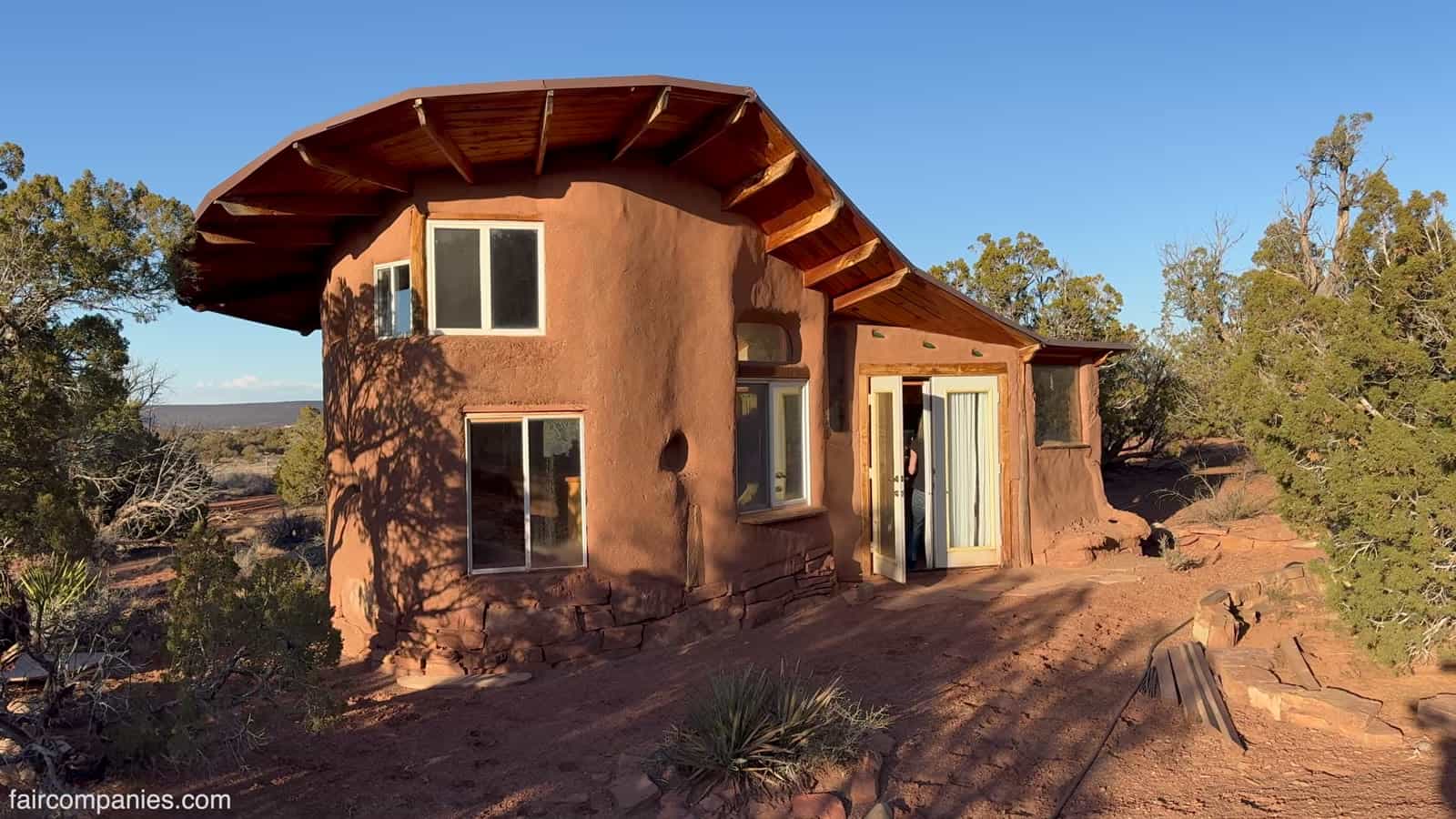
Coslor Cove isn’t starting from scratch. The founders purchased an old wellness retreat that already featured solar panels, a functioning greenhouse, a swimming pond, and six whimsical homes crafted from cob, stone, and earth. This “magical retreat” is now being transformed into a cooperative village designed for 200 families.
The vision for Coslor Cove is rooted in total self-sufficiency. Each household is responsible for generating its own power, growing its own food, and managing its own water and sanitation. Unlike a commune, it is a cooperative: members buy a share, are assigned a homestead site, build their own homes, and can sell their surplus through the co-op’s marketing channels. The co-op’s website notes that membership doesn’t convey deeded ownership of a specific parcel.
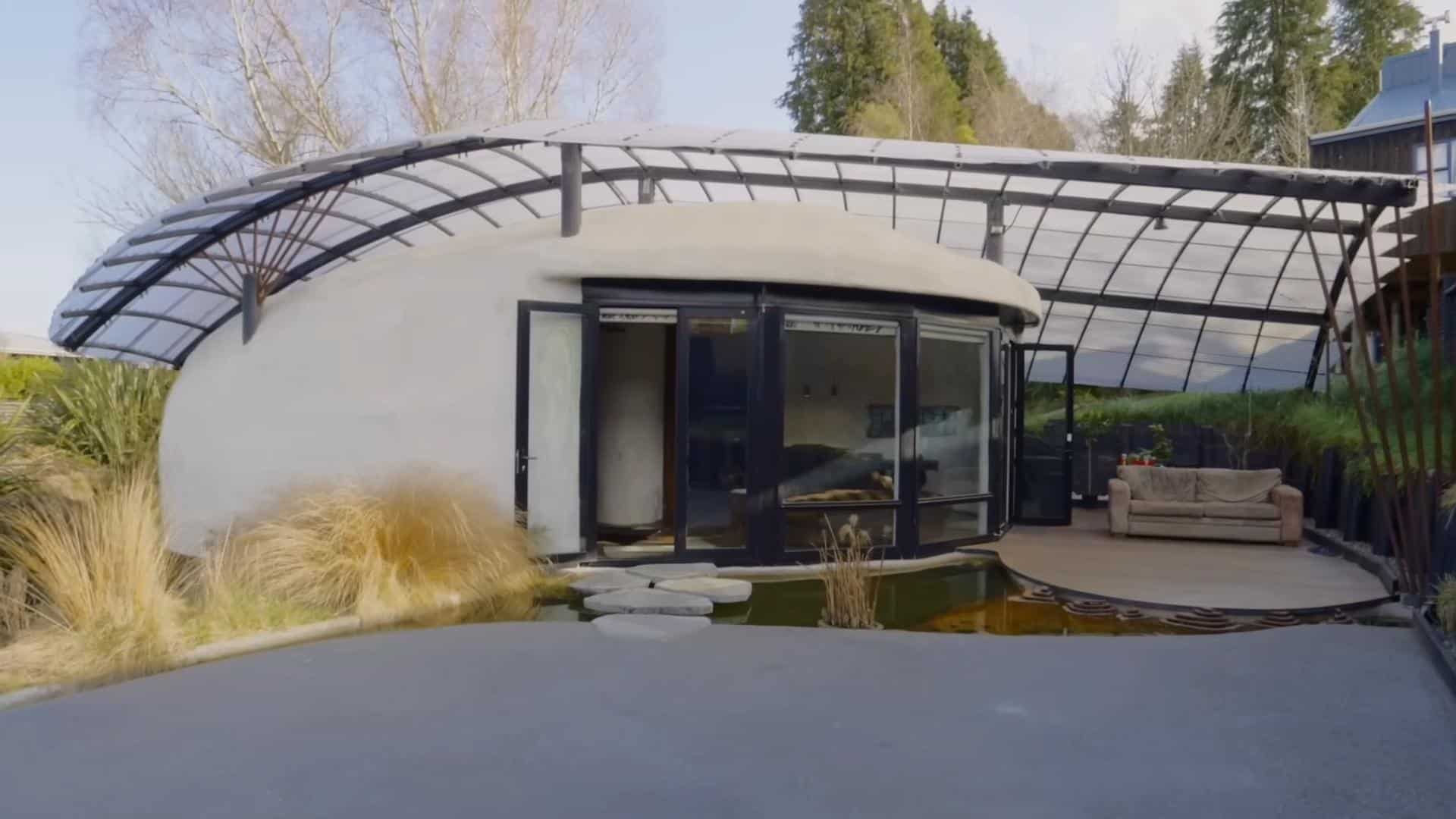
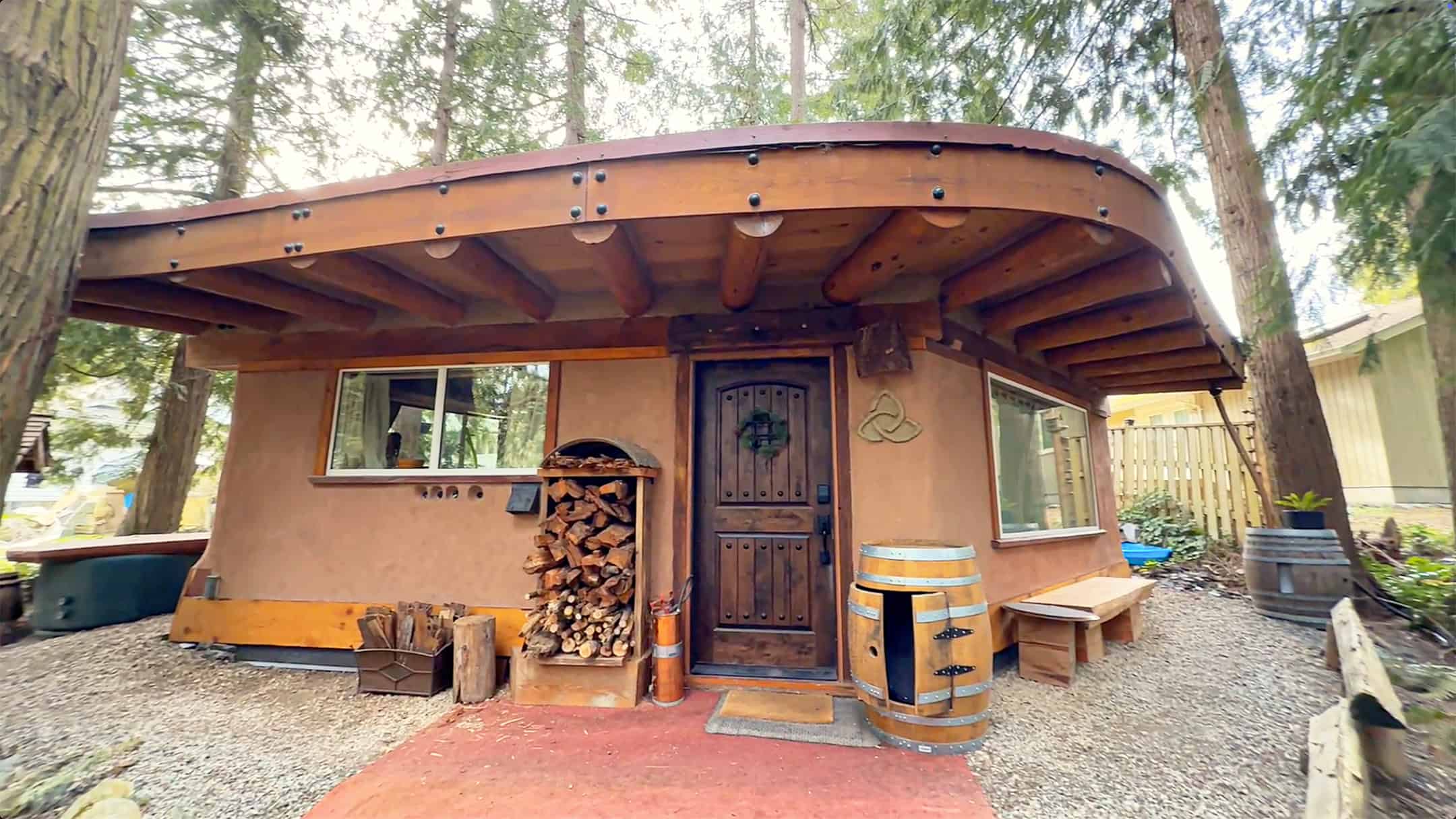
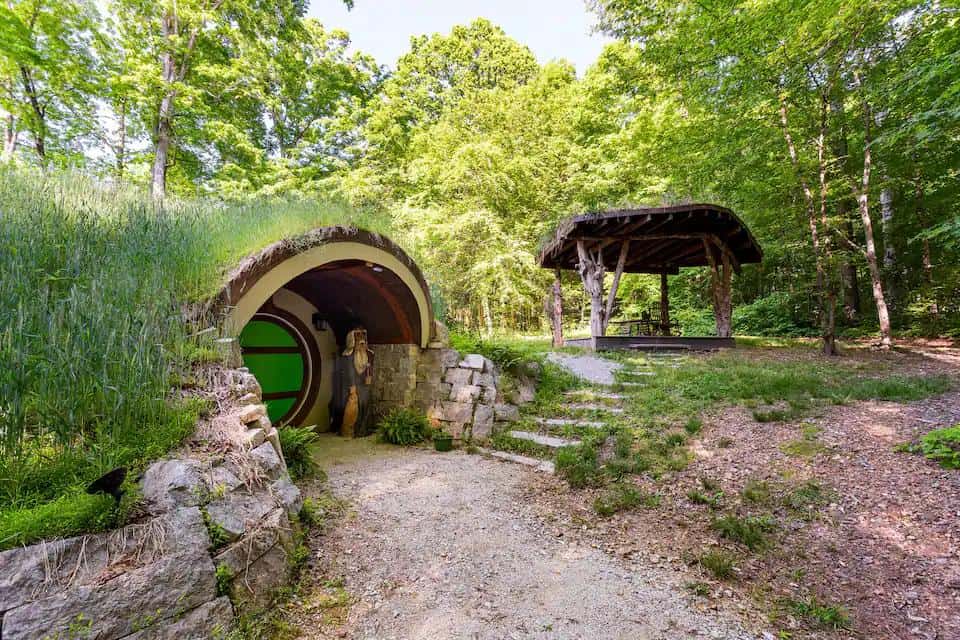
Fairytale Cob Homes and Earthen Domes
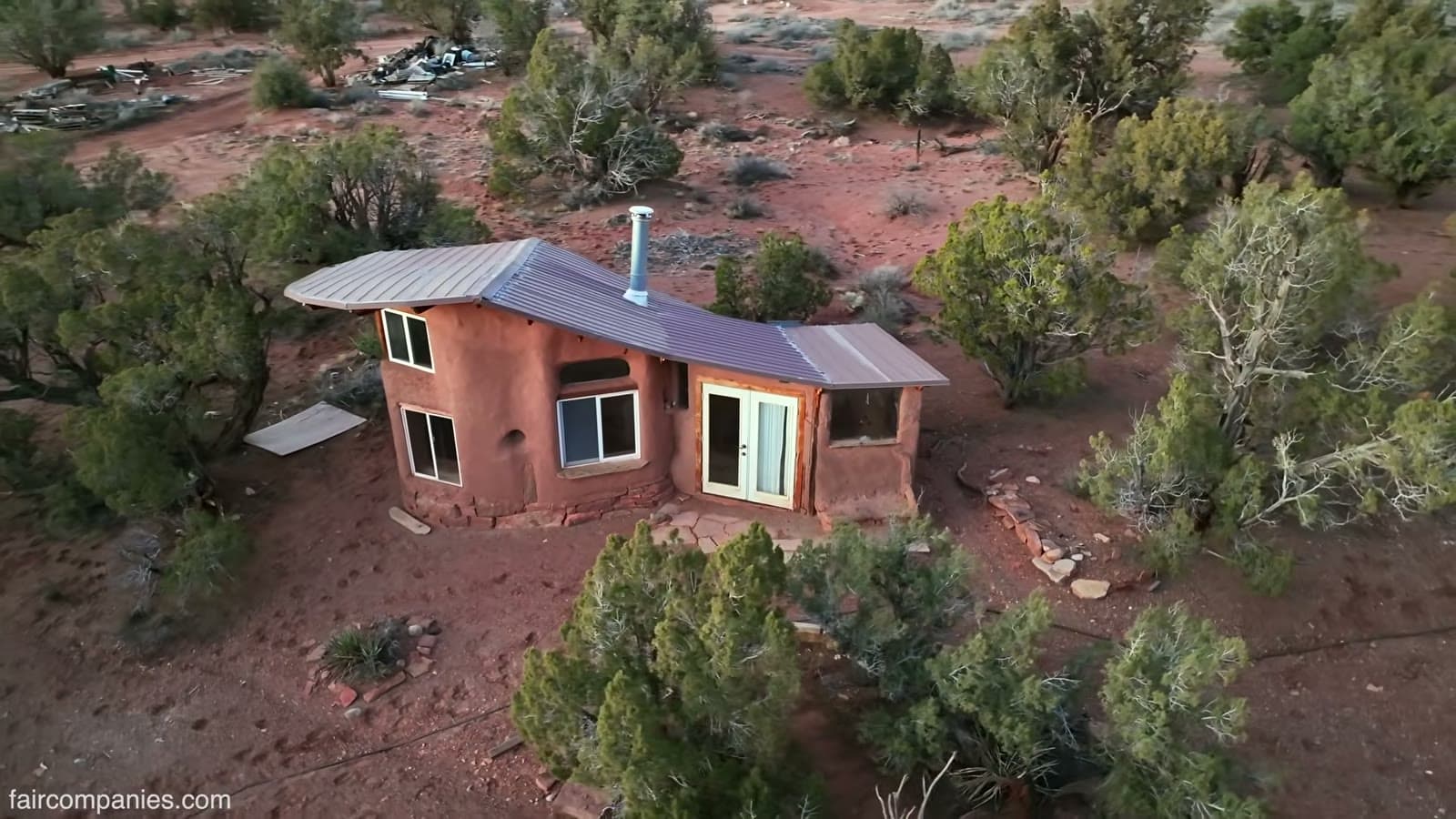
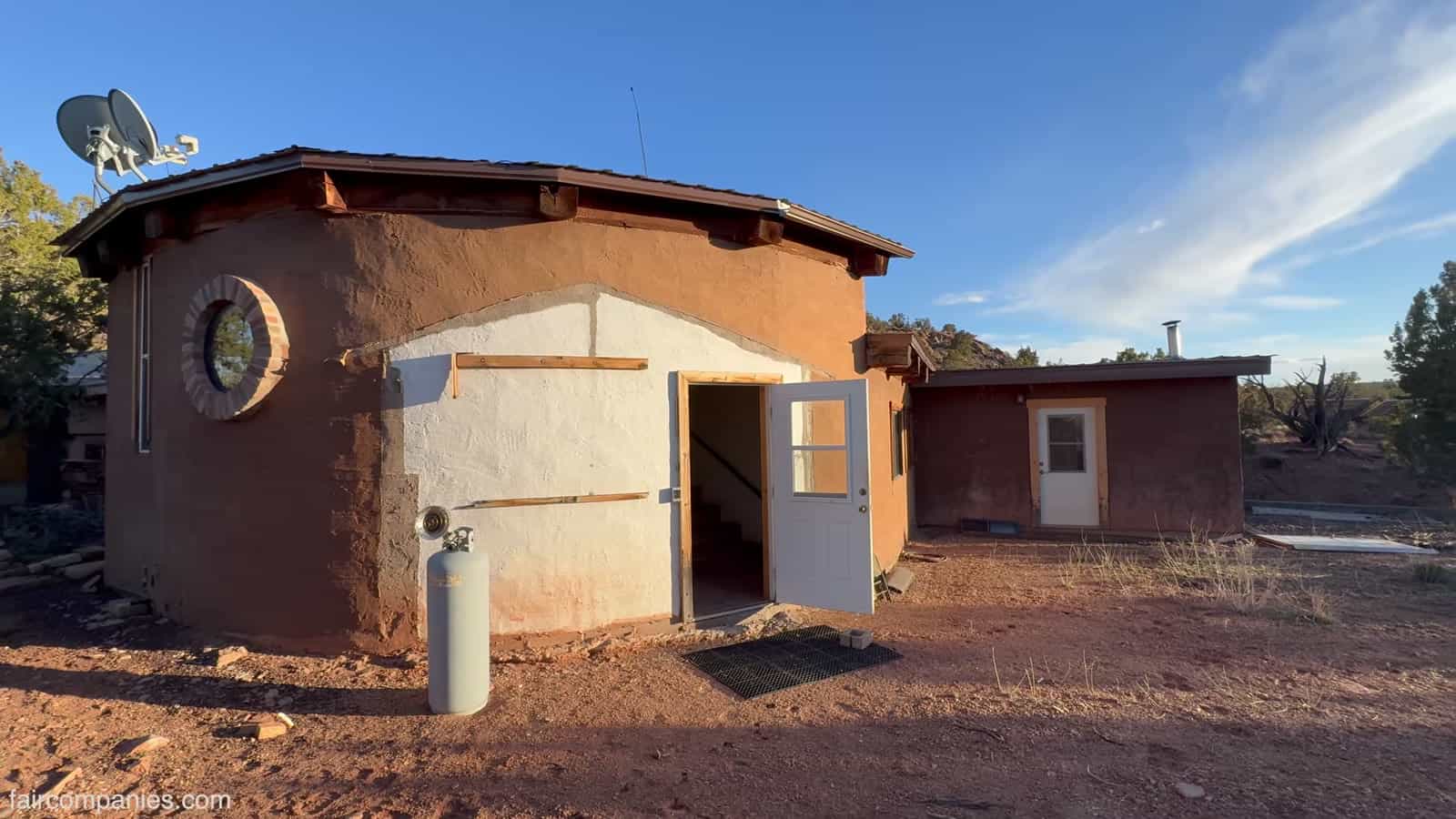
The tour showcases the stunning architectural variety at Coslor Cove, including fairytale-like cob homes and half-buried earthen domes designed for maximum thermal efficiency. These structures blend seamlessly into the Arizona landscape, proving that sustainable building can be both functional and beautiful.
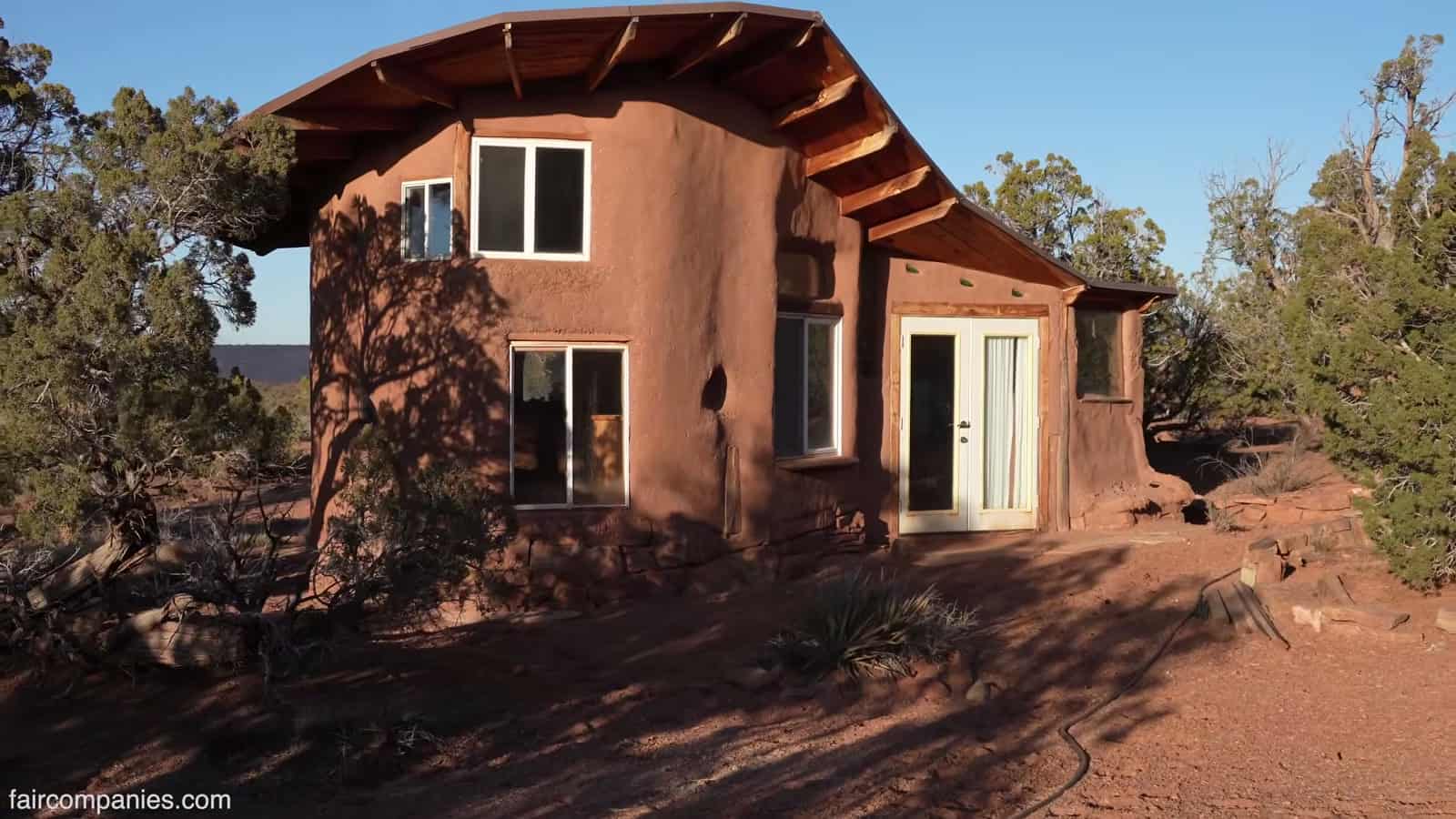
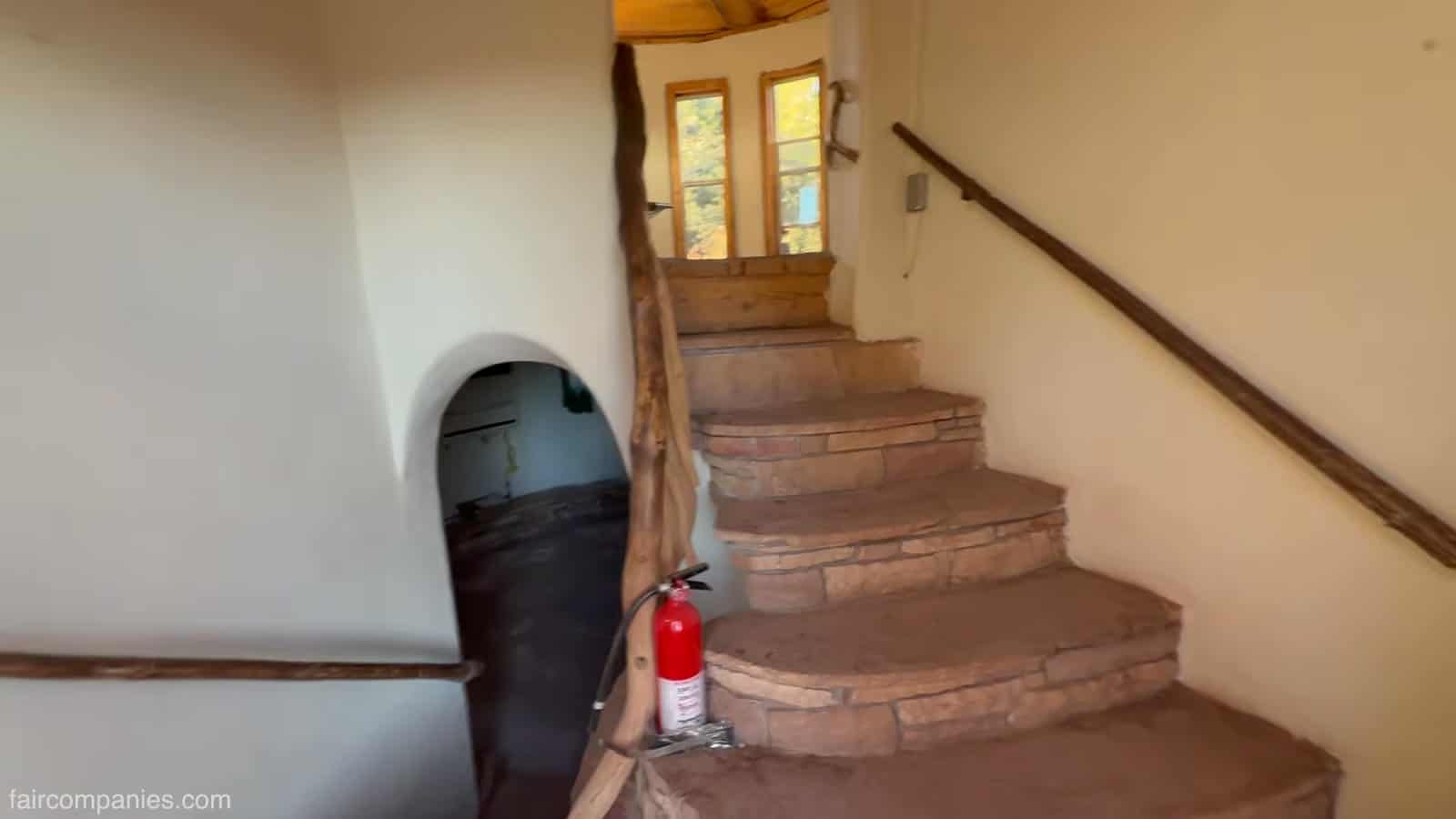
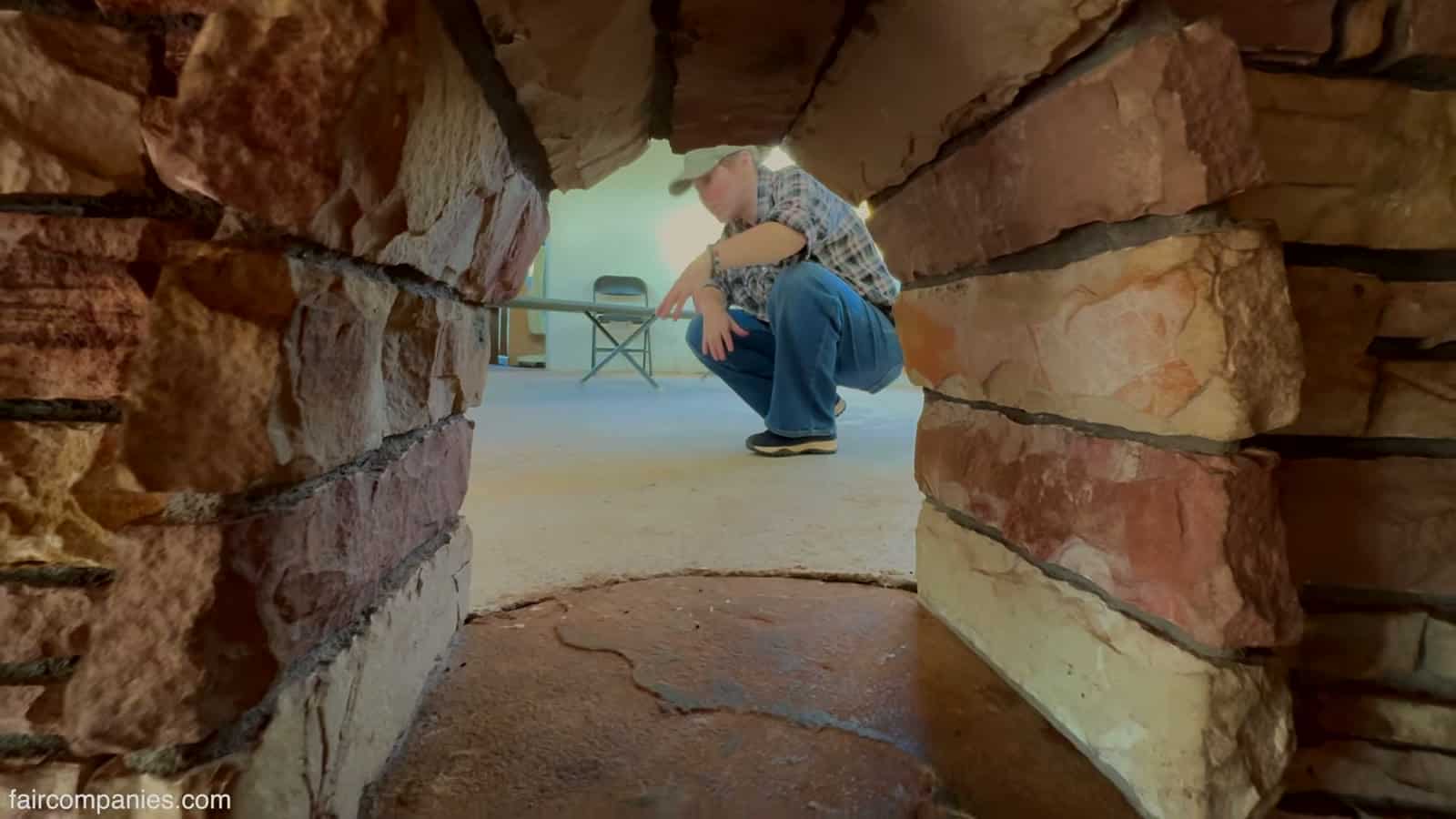
Inside, the homes show what makes cob so appealing to owner-builders. Thick earthen walls can be shaped by hand into curves, built-in niches, and rounded window openings that would be hard to frame in wood, and that mass soaks up the desert sun during the day and releases it slowly at night. Exposed pine ceilings, a wood stove for winter, and sculpted stone details like a curved staircase and an arched stone niche give each house its own personality.
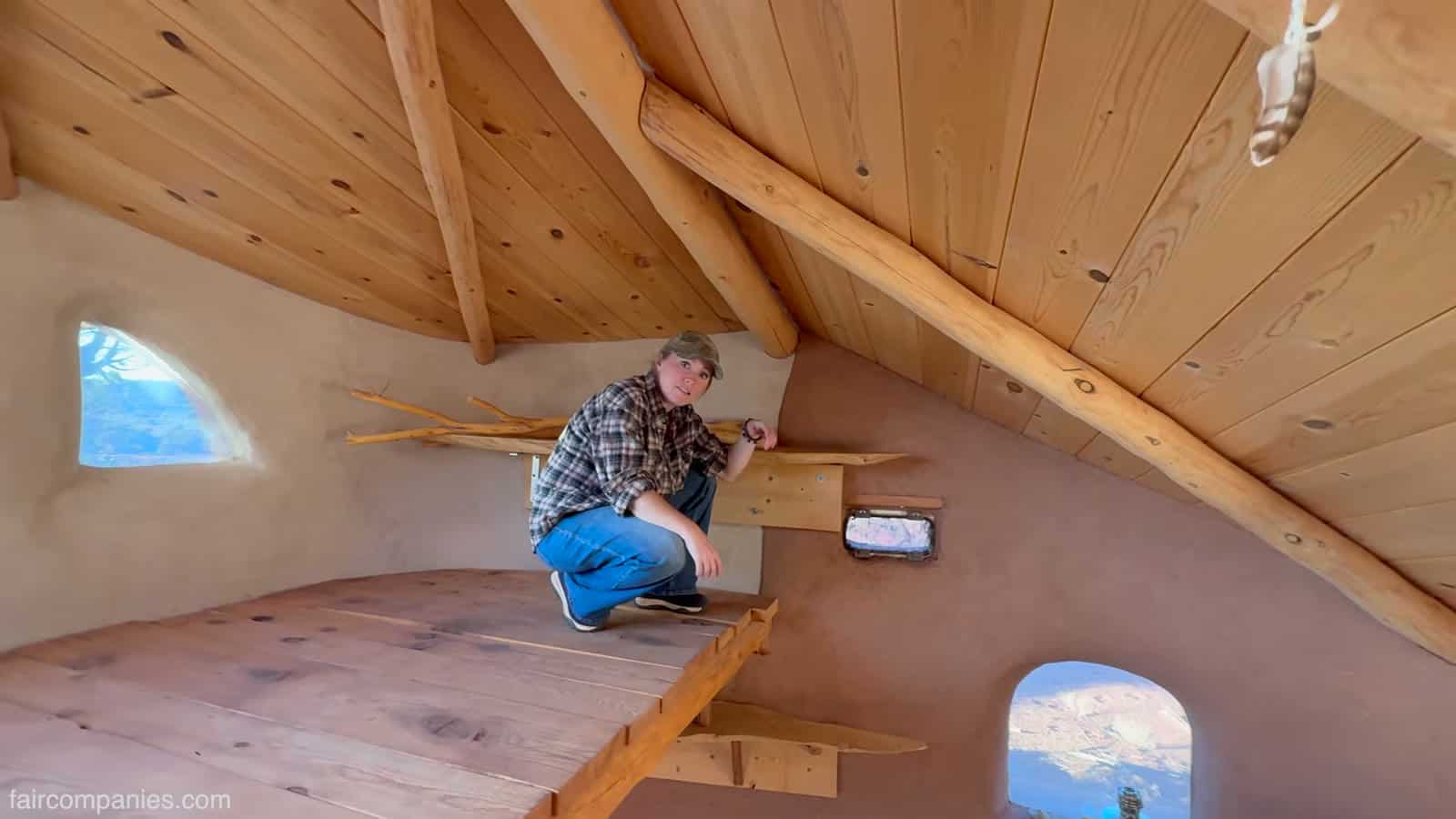
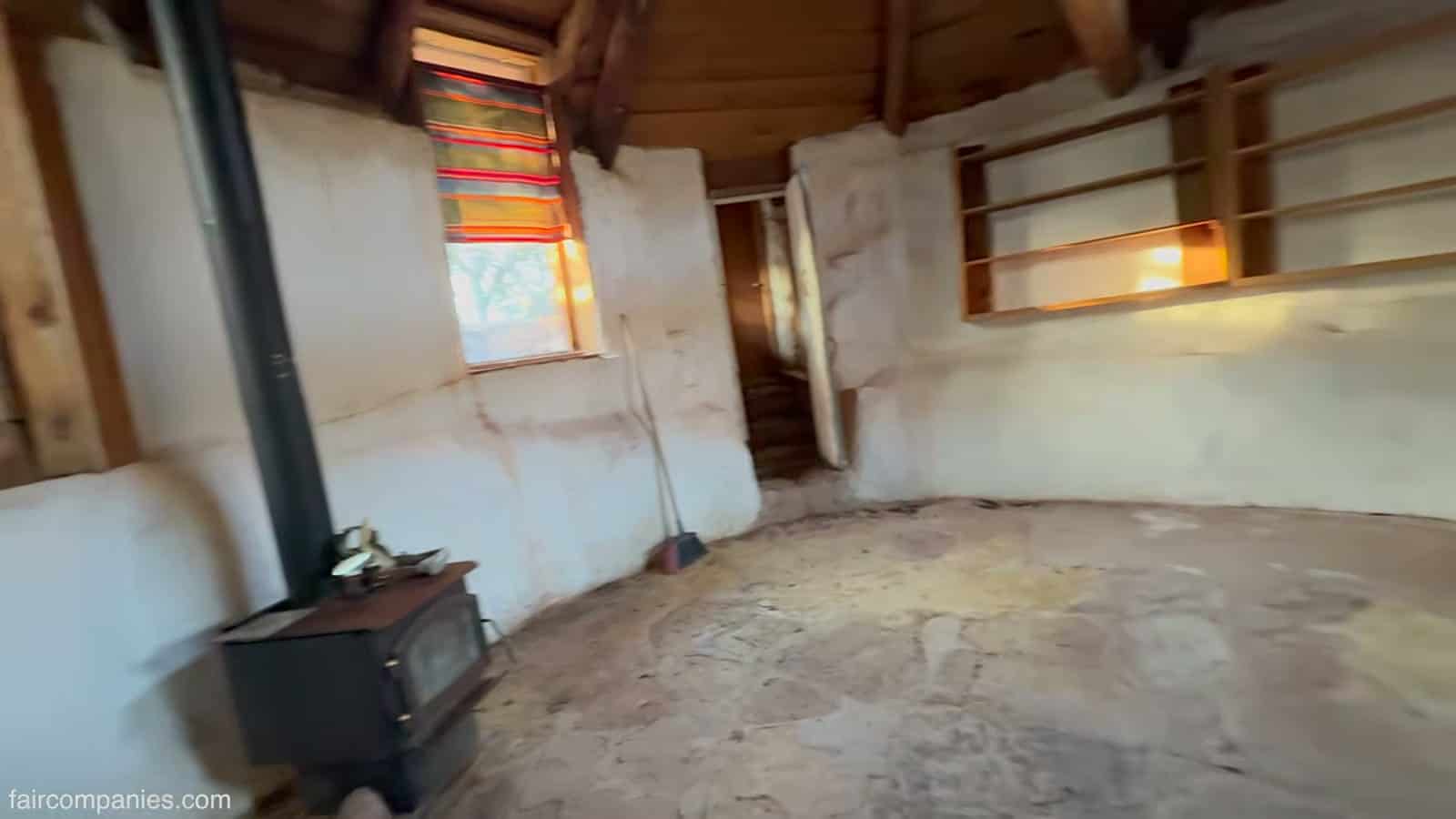
For Sarah’s family, the transition has meant learning new skills—from planting their first vegetable garden to raising goats and managing an off-grid solar system. It’s a life that requires hard work and dedication, but offers a level of freedom and community that is increasingly rare in the modern world.
Food, Animals, and Off-Grid Systems
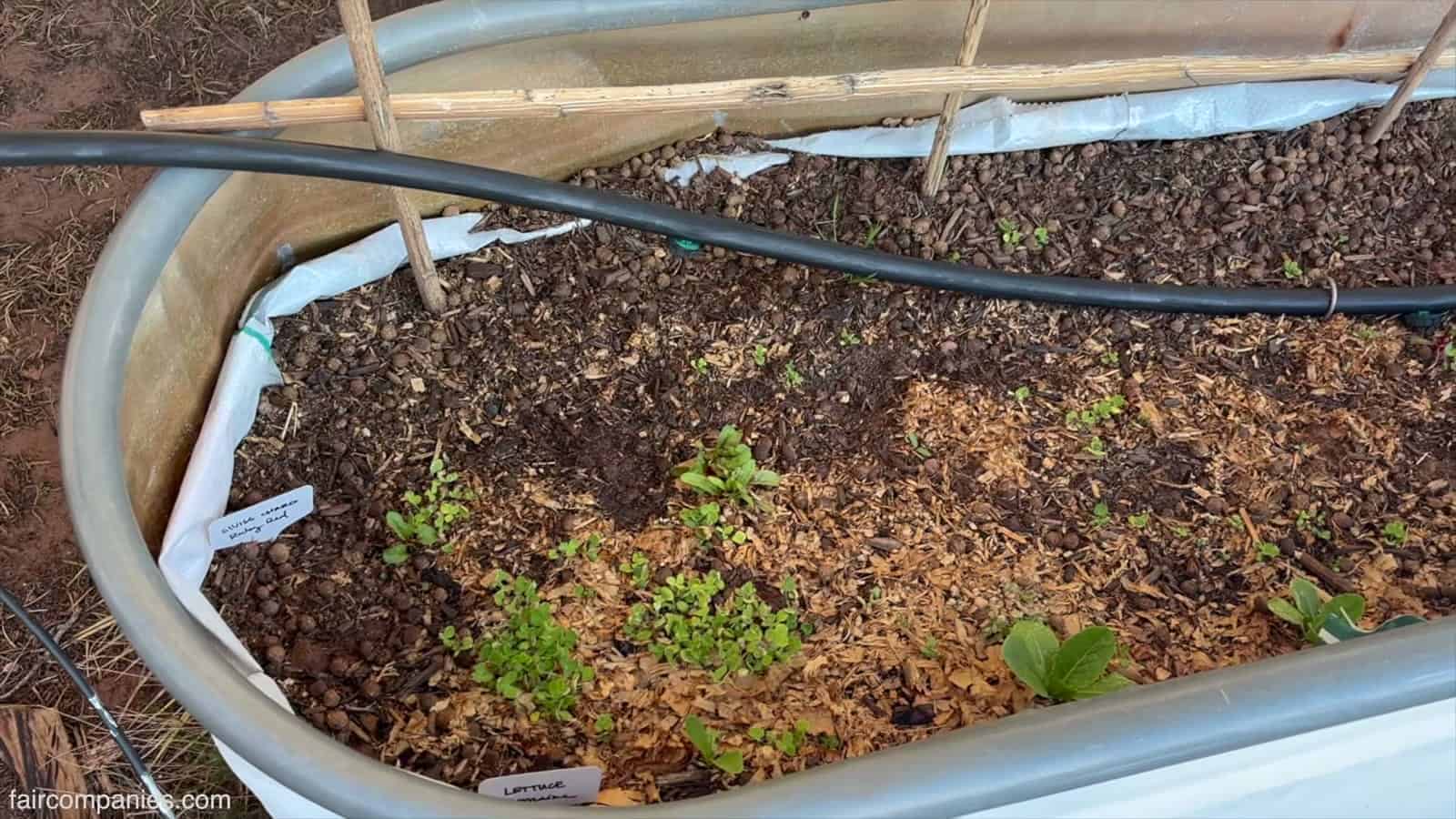
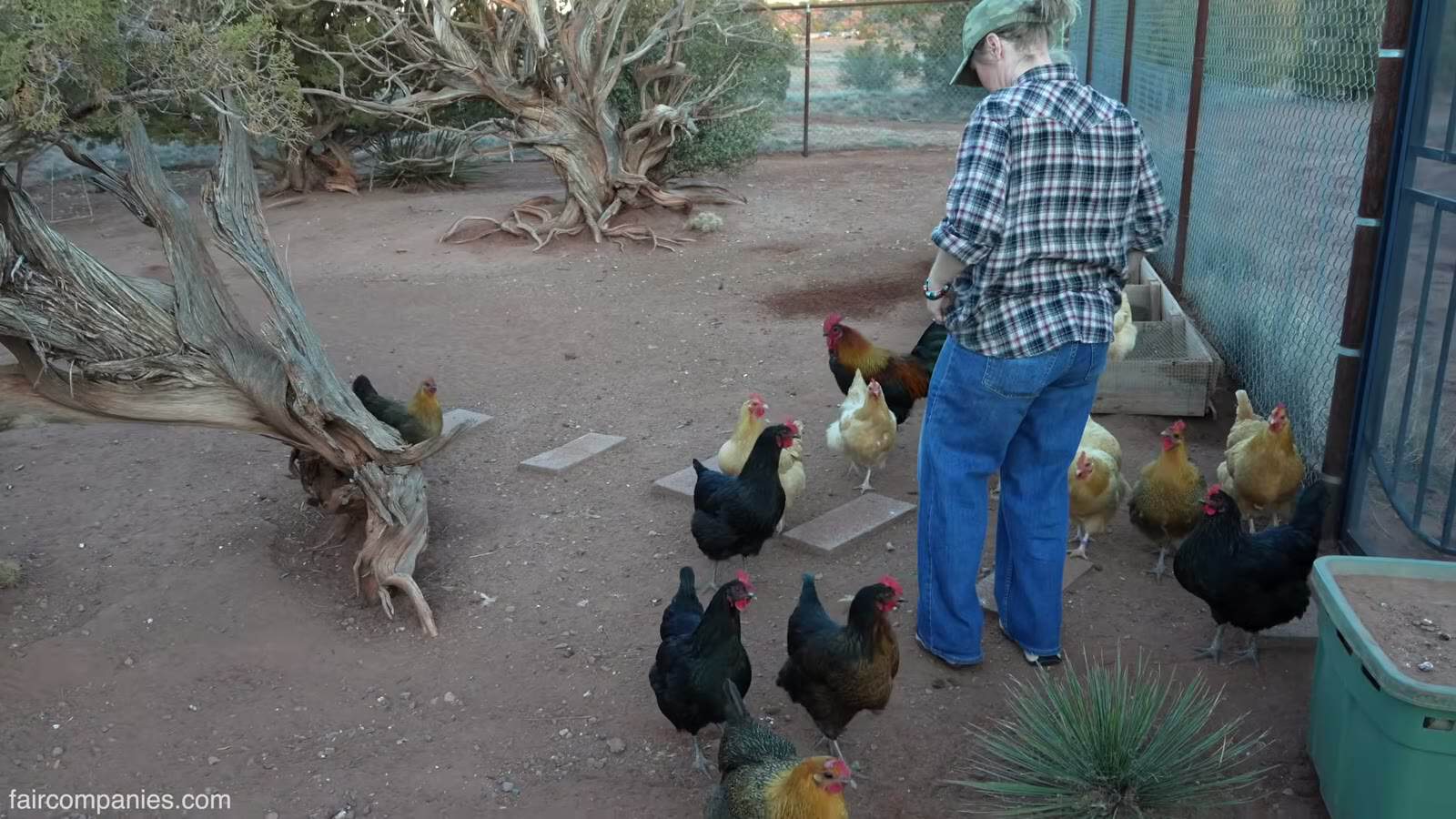
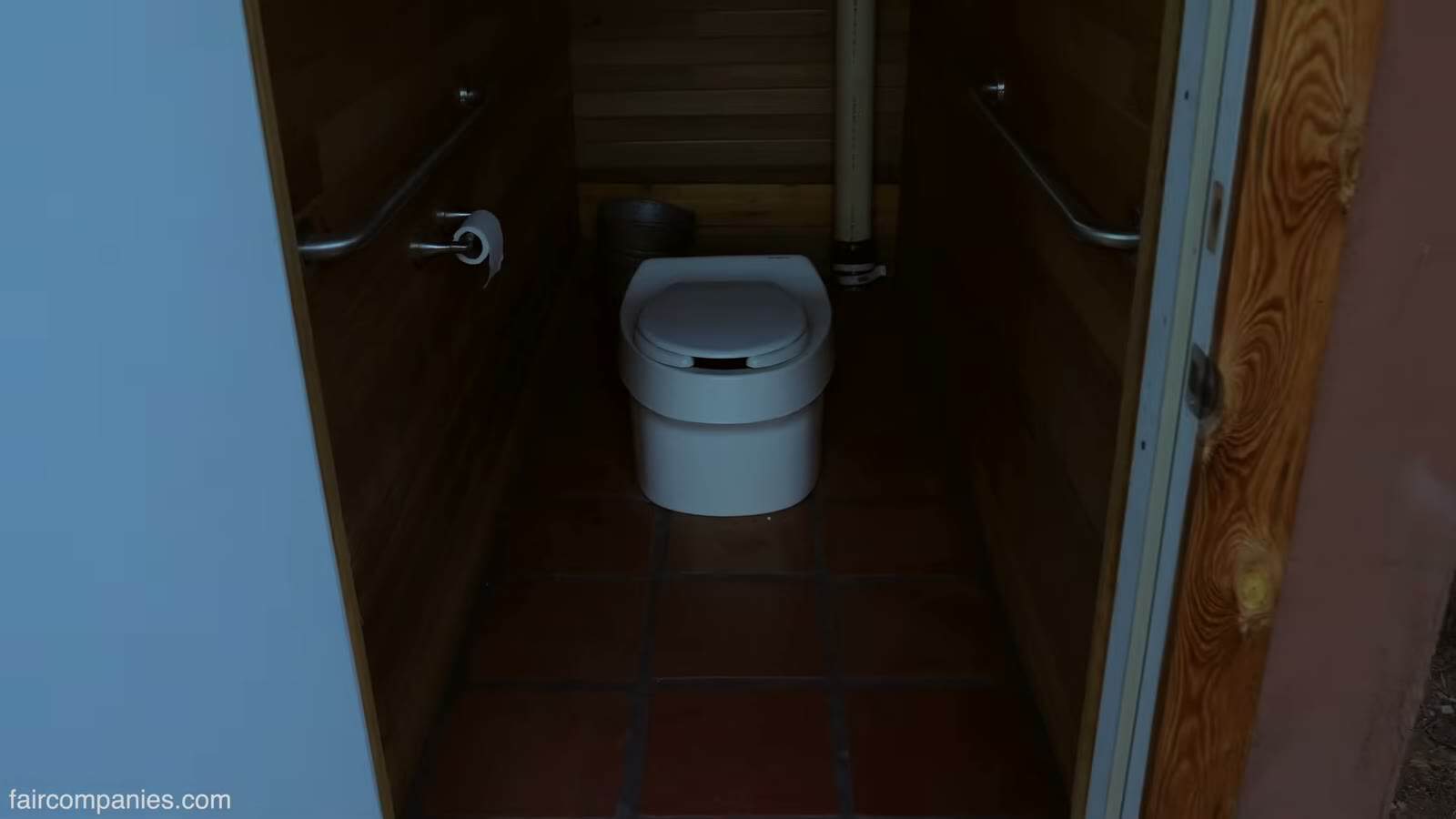
Self-sufficiency here is hands-on. Raised beds made from galvanized stock tanks with drip irrigation lines hold soil and water better than in-ground beds in the dry, rocky desert, and they keep plants up away from rabbits and other critters. Chickens provide eggs, and the composting toilets in the existing buildings save water on a property where every household handles its own waste. New homesteads still have to put in a septic system under the co-op’s rules.
Room to Grow Into a Village
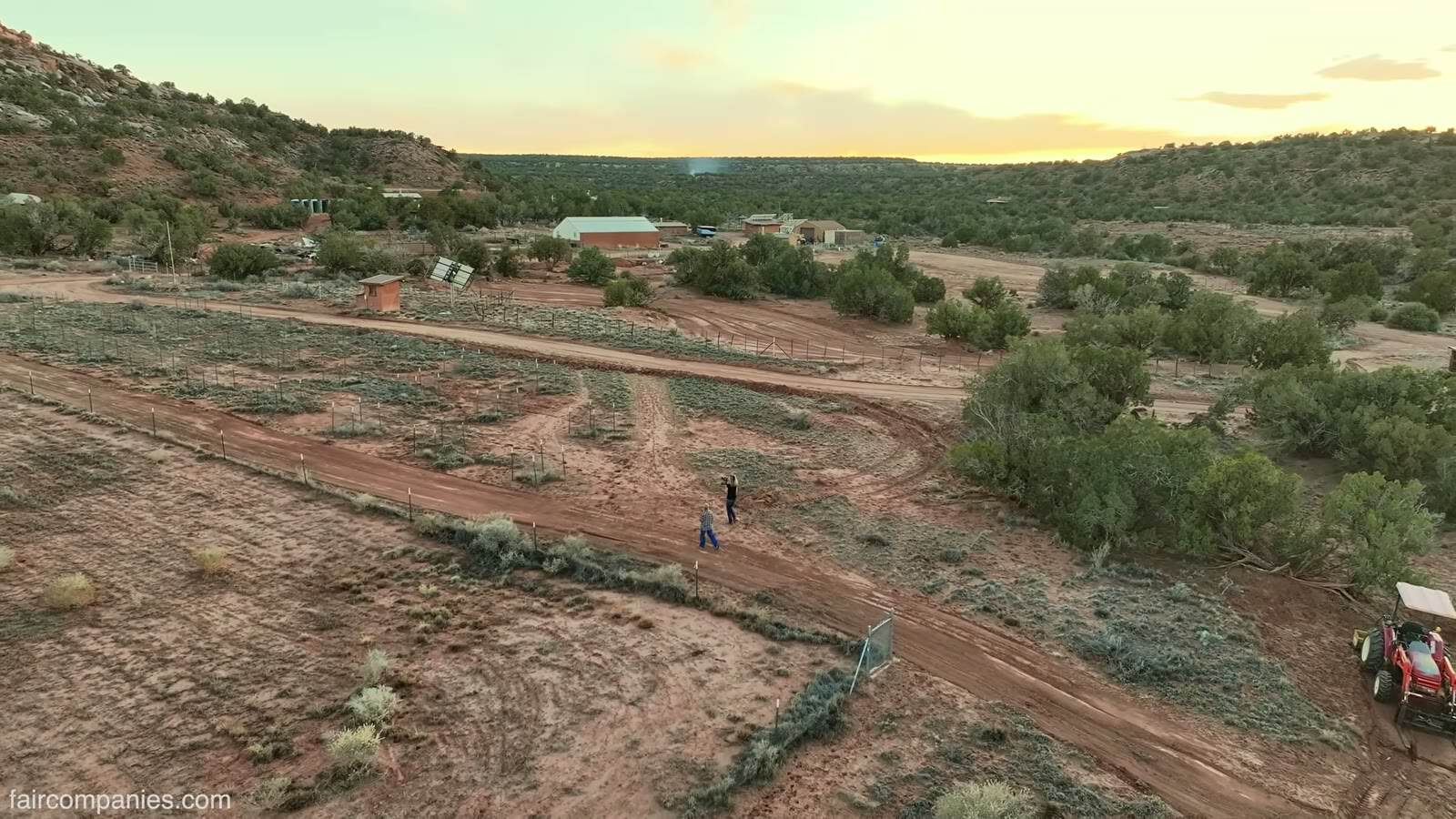
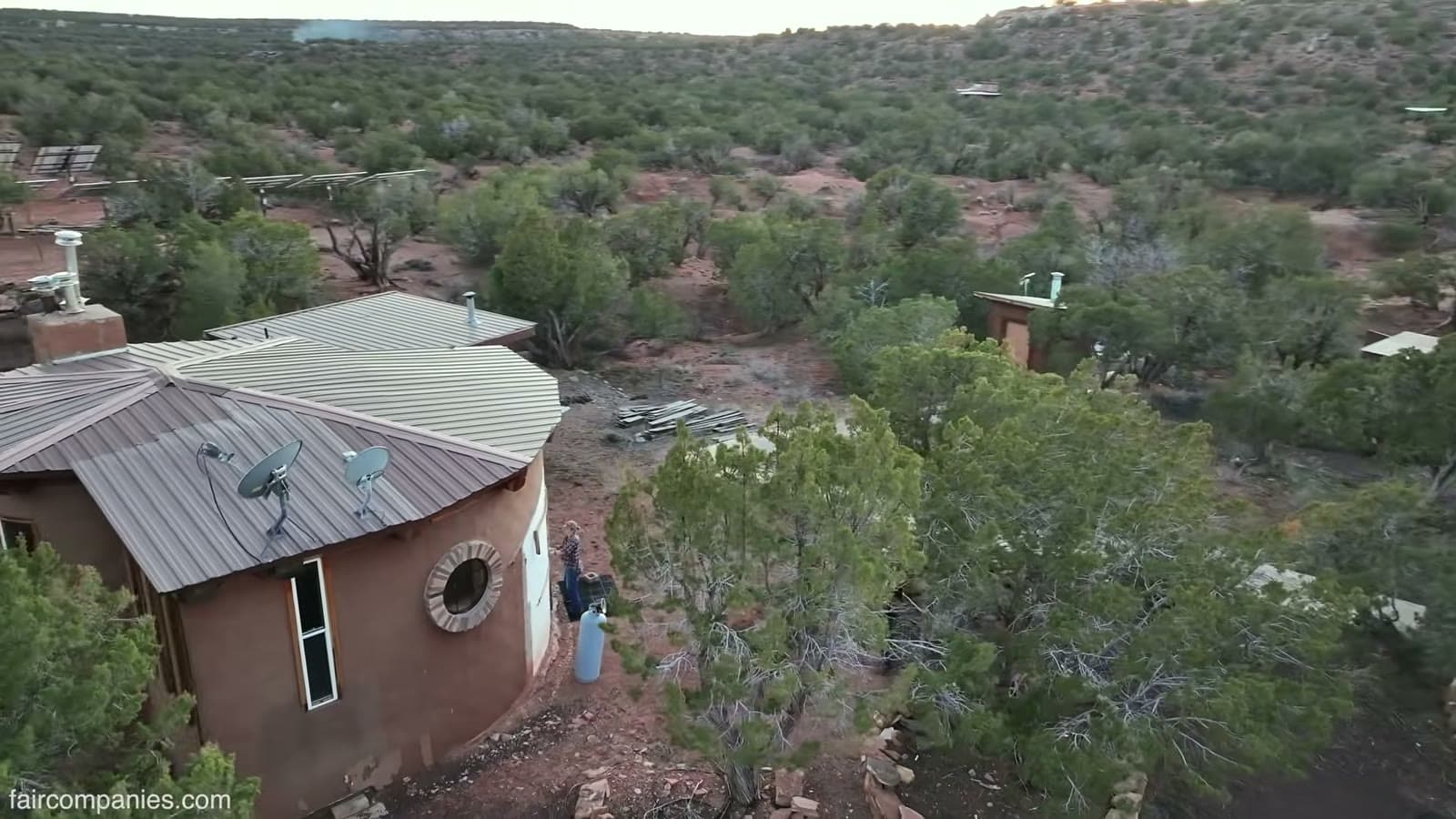
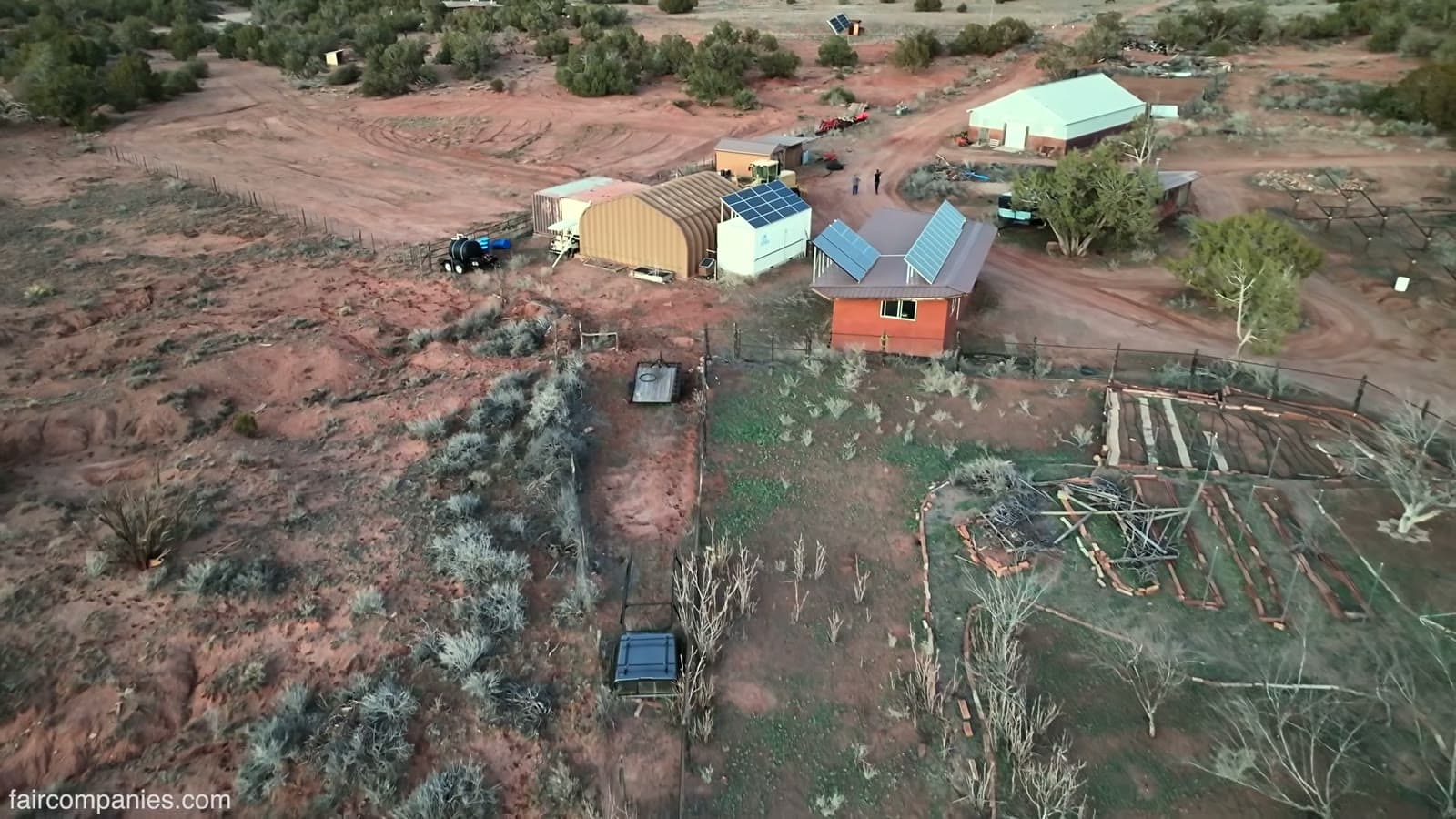
From above, the scale of the plan comes into focus. The existing cluster of homes, the greenhouse, and outbuildings sits in a small corner of the land, with open desert all around waiting for future homesteads of 2 acres or more.
Watch the Full Tour
Kirsten Dirksen of faircompanies visited Sarah’s family and walked through the homes, gardens, and plans for the village.
Community Details
- Location: northern Arizona, about 45 minutes down a dirt road
- Size: a 1,298-acre property managed by members of a land cooperative
- Homesteads: members can request homestead sites of 2 acres or more
- Shared resources: community greenhouse, shared tools and equipment, Starlink internet
- Existing structures: solar power, a greenhouse, a swimming pond, and six cob, stone, and earth homes from the former retreat
- Approach: each household produces its own power, food, and water, and can sell surplus through the co-op
What It Costs to Join
Coslor Cove’s FAQ lays out the numbers (checked October 24, 2026):
- $25,000 for a 2-acre share in the community, with a few larger 3- and 4-acre shares planned at higher prices
- The co-op estimates you’ll need access to at least $235,000 to build out a full homestead, and it doesn’t offer financing
- Members have three years from purchase to build a passive solar home, a well, a septic system, a barn or shop, and a greenhouse of at least 600 square feet
Before You Move
- This isn’t a tiny house community. The FAQ says new homes must be permanent (no mobile homes or tiny homes) and pass Navajo County building inspections.
- Expect an application process. The co-op asks for a one-page transition plan with your budget and timeline, a short “self-reliance journey,” a tour, and an entrance interview.
- Know where it is. The land is in Navajo County near Snowflake and Taylor, and the co-op asks visitors to come on an official tour because map directions cross private land and rough roads.
What Makes This Community Special
- Members buy into a land co-op and build their own homesteads, unlike a commune.
- Whimsical cob homes and half-buried earthen domes already stand on the land.
- Shared tools and a greenhouse help new families get started.
- A real-life experiment in self-sufficient living.
For more off-grid living, see 9 dreamy off-grid tiny homes, a family that built a straw-bale and cob earth home, and an 87-year-old who has lived off-grid for 50 years.
Learn More
Coslor Cove
Website: coslorcove.com
Video: Kirsten Dirksen / faircompanies on YouTube
Images: video stills via Kirsten Dirksen.
Highlights
- A family of five became the first residents of Coslor Cove in Arizona
- An off-grid cooperative on 1,298 acres
- Homestead sites of 2+ acres for members
- Cob homes, earthen domes, a greenhouse, and a swimming pond
- Members grow their own food and make their own power
Explore More
- 9 Dreamy Off-Grid Tiny Homes
- After Seven Years Tiny, They Built a Straw-Bale and Cob Earth Home
- Wobbly Hobbit: A Cob and Timber Tiny House
- 87-Year-Old Has Lived 50 Years Off-Grid
- Off Grid
Would you move your family to an off-grid village like this one? Tell us in the comments.
If you enjoyed this you’ll LOVE our Free Daily Tiny House Newsletter with even more!
You can also join our Small House Newsletter!
Also, try our Tiny Houses For Sale Newsletter! Thank you!
More Like This: Off Grid | Communities | Cob Homes | Video Tours
Disclosure: This post may contain affiliate links. If you purchase through one of our links, we may earn a commission at no additional cost to you.


Alex
Latest posts by Alex (see all)
- Family of Five Starts Over in an Off-Grid Cob Village in the Arizona Desert - November 11, 2026
- 13 Life-Changing Tiny House Transformations: Sheds, Skoolies, and DIY Builds - November 11, 2026
- From Cargo to Cozy: A Shipping Container Tiny Home with a Rooftop Terrace - November 11, 2026




Join the Conversation
No comments yet. Be the first to join the conversation.