
Disclosure: This post may contain affiliate links. If you purchase through one of our links, we may earn a commission at no additional cost to you.
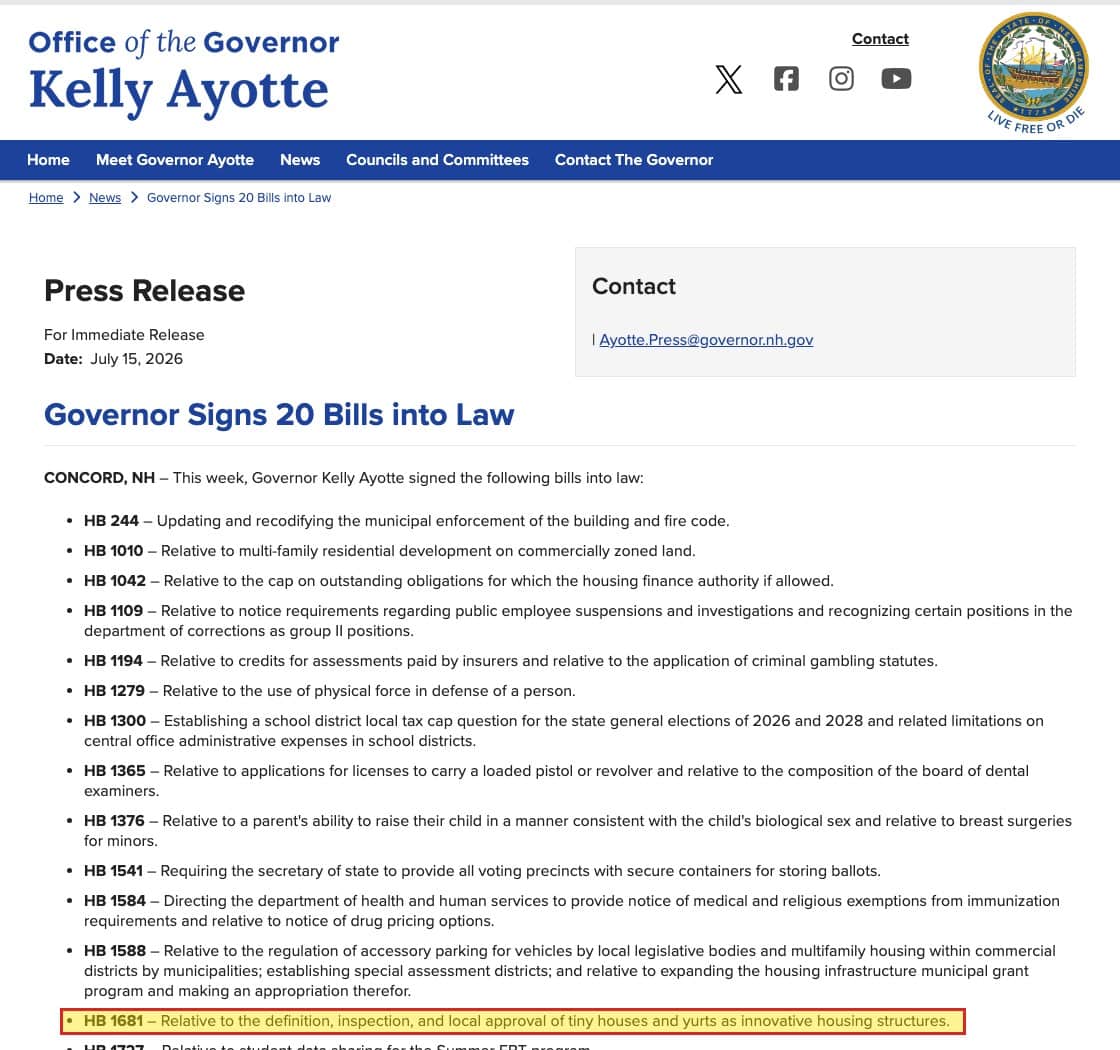
New Hampshire has written tiny houses, tiny houses on wheels, and yurts into state law. Governor Kelly Ayotte signed House Bill 1681 on July 15, 2026. It is Chapter 330 of the 2026 session, titled “relative to the definition, inspection, and local approval of tiny houses and yurts as innovative housing structures.”
The law took effect September 13, 2026, 60 days after passage. It creates a new section of state law, RSA 674:81–674:83, called Innovative Housing Structures. For tiny house owners, the big wins are a clear legal definition, a path to treating a THOW as a home instead of an RV, and a simpler inspection process for factory-built tiny homes.
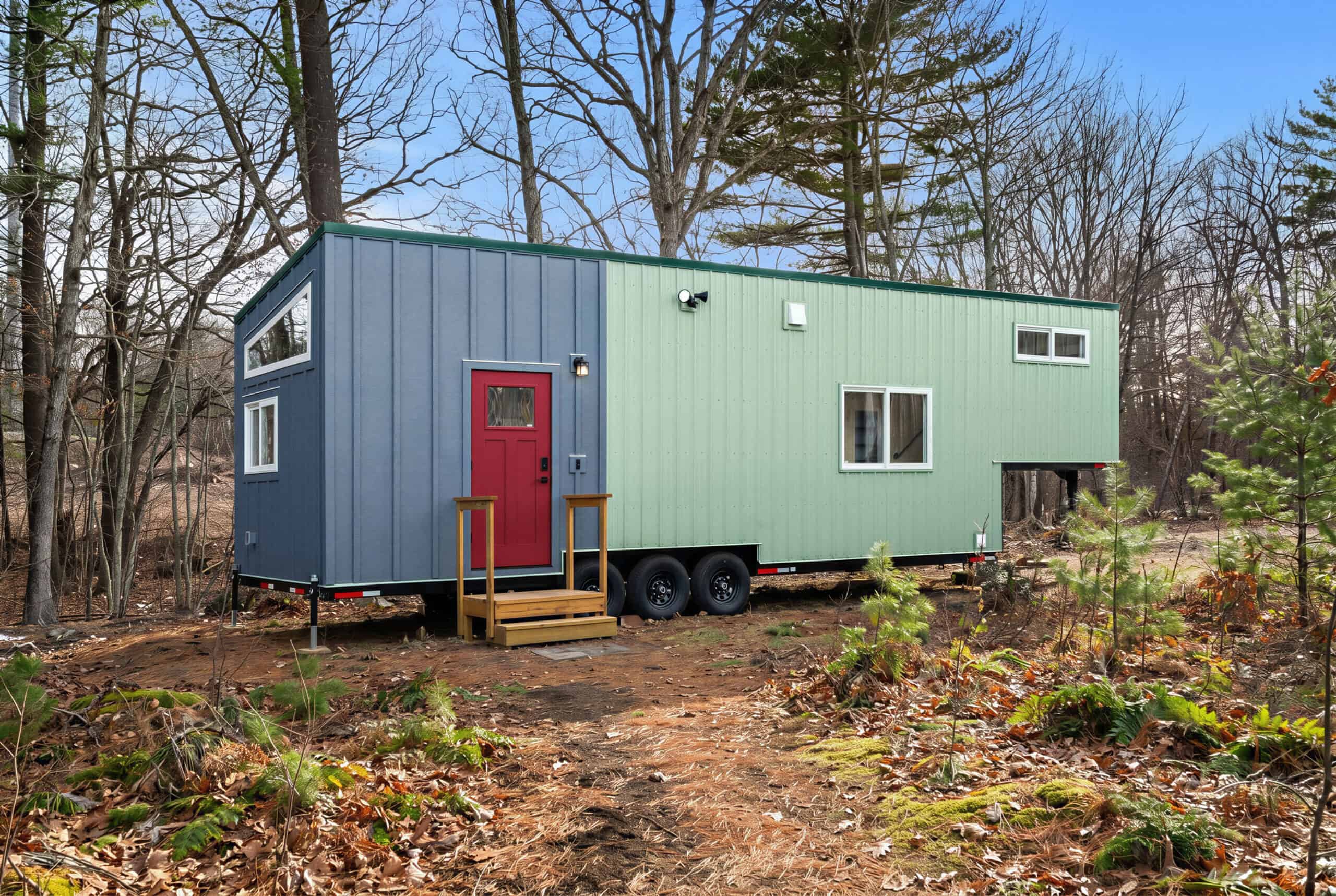
The umbrella term is IHS: a unique single residential unit such as a tiny house, a tiny house on wheels, or a yurt.
What Counts as a Tiny House
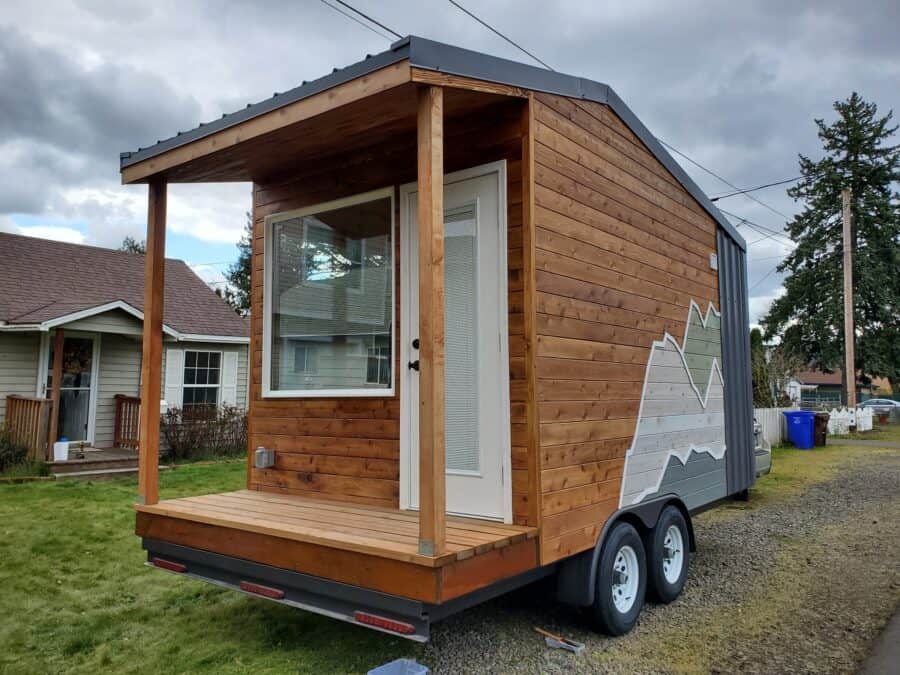
A tiny house, as Chapter 330 writes it, is a detached building used or intended for human habitation, with permanent living, sleeping, eating, cooking, and sanitation. Floor area is 600 square feet or less, excluding lofts. It sits on a stable ground surface or a foundation, and it has to meet the tiny-home provisions of the state building code.
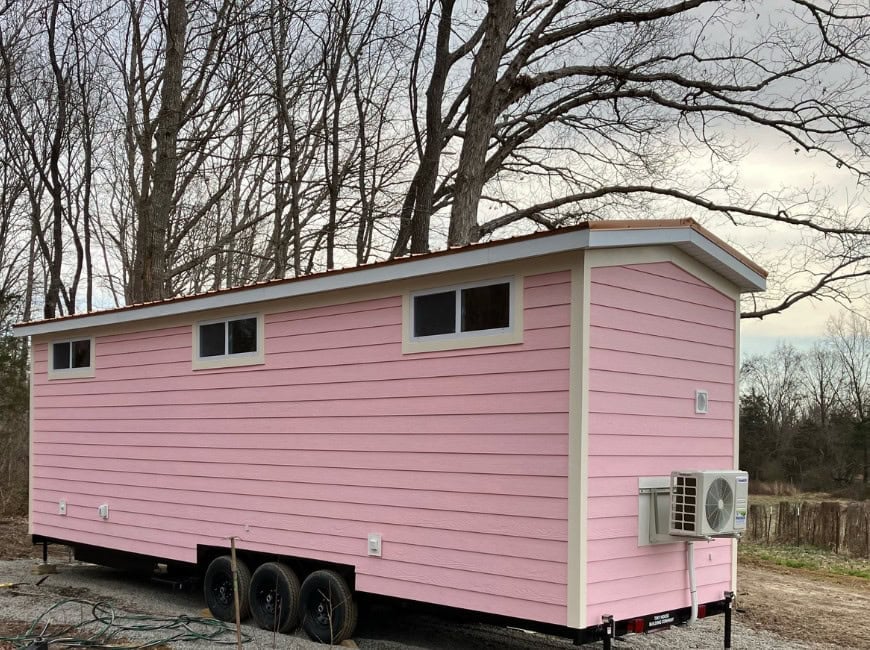
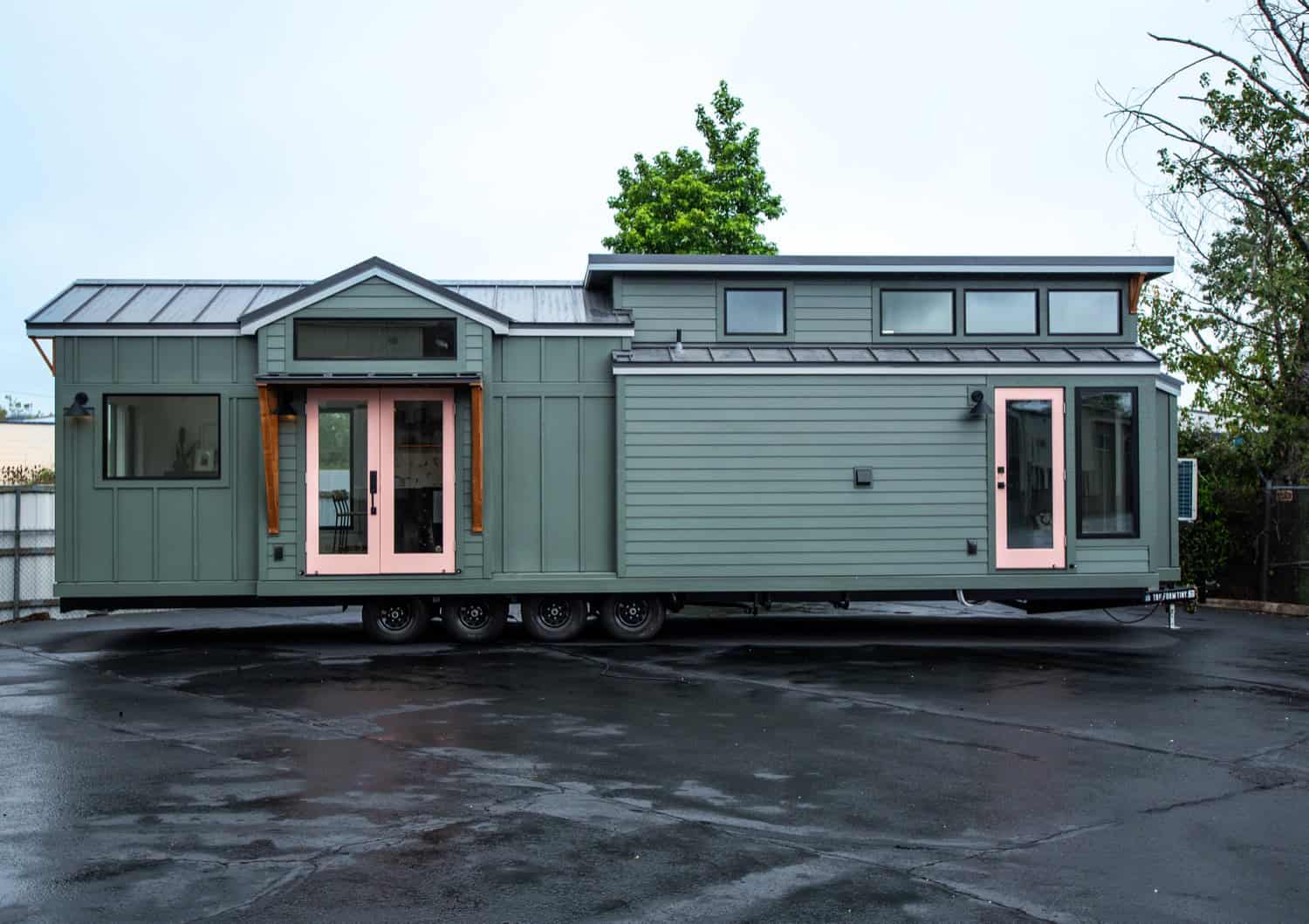
If that house is built on a trailer chassis without motive power, the statute calls it a tiny house on wheels. A THOW “shall not be considered a camp trailer or recreational vehicle when constructed for human habitation.”
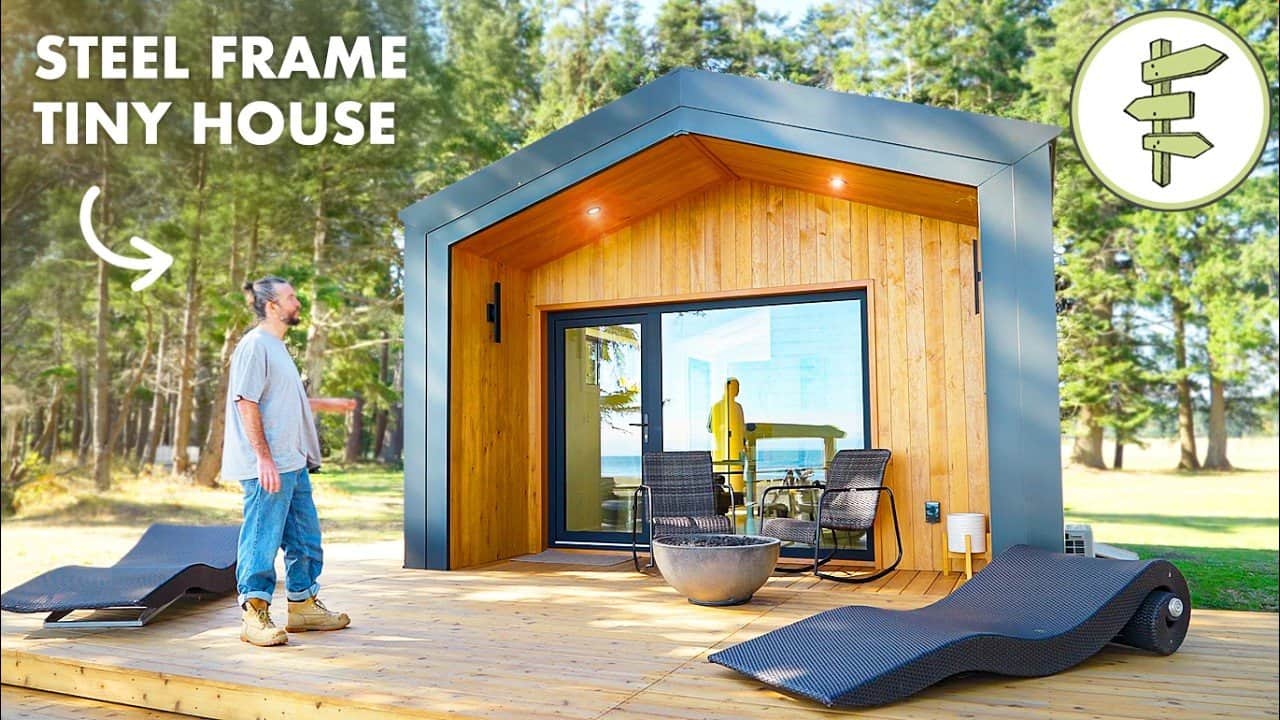
A yurt is written in as a style of tiny house — round or similar, freestanding, modeled after traditional nomadic dwellings and built with contemporary materials — for permanent or long-term residence.
Towns “May Permit” Them
RSA 674:82, as inserted, is the use section. A municipality may permit an innovative housing structure on an individual house lot where single-family dwellings are allowed, or as an accessory dwelling unit under RSA 674:72, “subject to all applicable land use requirements.”
Those two words — “may permit” — are the ones to keep. This is not a mandate that every town approve one. It is not a statement that tiny homes are now allowed on every lot in New Hampshire.
For zoning purposes, an IHS shall be treated as a single-family dwelling or an ADU. It still has to meet state drinking-water and wastewater rules.
If you are looking at a lot, or a backyard ADU, check with the town. Rules change. This is a report of the statute as signed, not advice about a specific property.
Moving a Tiny House on Wheels
If a tiny house is permanently built on a roadworthy flatbed trailer, the builder can move it with a dealer plate or a temporary trailer plate from the DMV. Those plates can be used to move it from where it was built to its dwelling site, or from one site to another if it’s sold.
Inspections for Factory-Built Tiny Homes
Tiny homes built on site must meet the state building code. For tiny homes built in a factory, the law lets the plan review and inspections happen where the home is built, either by a certified local building official in that town or through the state fire marshal’s modular building program. Once the manufactured parts are approved, the building official where the home is placed must accept that approval when issuing a certificate of occupancy. That could save builders and buyers from having the same work inspected twice.
The law also directs the state to write rules for wastewater treatment and disposal for these homes, and tells the state building code review board to update the building code to match.
Before You Buy or Build in New Hampshire
- Call the town first. The statute says a town may permit an IHS. Ask the planning or zoning office whether its ordinance already allows one on your lot or as an ADU.
- Plan for water and septic. State drinking-water and wastewater rules still apply, and the wastewater rules for these homes are still to be written.
- Ask your builder about inspections. If the home is built off-site, find out whether it will be inspected by a certified building official where it’s built or through the state fire marshal’s modular program. That approval is what your local building official has to accept.
- Watch the section numbers. If another 2026 bill, HB 1195, also became law, the new sections are renumbered RSA 674:82 through 674:84.
Why It Matters
- A clear legal definition gives towns a framework to say yes
- THOWs built for living are no longer treated as RVs or camp trailers under this law
- Yurts are recognized as permanent or long-term homes
- One factory inspection can follow a tiny home to its site
- Local zoning still decides where they go, so check with your town
Highlights
- HB 1681 (2026), Chapter 330 — signed by Governor Ayotte July 15, 2026
- Effective September 13, 2026
- Inserts RSA 674:81–674:83, Innovative Housing Structures
- Tiny house: detached dwelling, 600 sq ft or less excluding lofts, permanent living/sleeping/eating/cooking/sanitation, on stable ground or a foundation, meeting tiny-home building-code provisions
- THOW: tiny house on a trailer chassis without motive power; not a camp trailer or RV when constructed for human habitation
- Yurt: a style of tiny house, round or similar, for permanent or long-term residence
- A municipality may permit an IHS on a single-family house lot, or as an ADU under RSA 674:72, subject to land-use rules
- Treated as single-family dwellings or ADUs for zoning; drinking-water and wastewater rules still apply
- THOWs can be moved with a dealer plate or a temporary trailer plate
- Off-site inspections of factory-built tiny homes must be accepted by the local building official
Learn More
Bill text — HB 1681 / Chapter 330, final version
Bill status — Chapter 0330, signed by Governor
Governor’s office — Governor signs 20 bills into law
Instagram — Governor Kelly Ayotte, @kelly4nh
Explore More
- Virginia’s New ADU Law: Backyard Tiny Houses Get Easier to Build in 2027
- San Diego County Legalizes Tiny Homes on Wheels
- The Path to Legalizing Movable Tiny Houses: Tiny House Appendix Act 2
- News · Zoning · Tiny Houses · ADUs & Backyard Homes · THOWs · Yurts
Are you in a New Hampshire town that is already talking about HB 1681? What did planning say when you asked? Tell us in the comments.
If you enjoyed this you’ll LOVE our Free Daily Tiny House Newsletter with even more!
You can also join our Small House Newsletter!
Also, try our Tiny Houses For Sale Newsletter! Thank you!
More Like This: News | Zoning | THOWs | Yurts
Disclosure: This post may contain affiliate links. If you purchase through one of our links, we may earn a commission at no additional cost to you.


Alex
Latest posts by Alex (see all)
- Backyard ADUs: 50+ Prefab Units, Granny Flats, Garage Conversions & Laneway Homes - November 8, 2026
- She Paid $84K Cash for a No-Loft Tiny House — and Lives Mortgage-Free on Social Security - November 8, 2026
- New Hampshire Writes Tiny Houses, THOWs, and Yurts Into State Law - November 8, 2026




Join the Conversation
No comments yet. Be the first to join the conversation.