Disclosure: This post may contain affiliate links. If you purchase through one of our links, we may earn a commission at no additional cost to you.
It is the first question almost every Florida reader asks us, and it is the one with the most bad information floating around it: can you legally live in a tiny house in Florida?
The honest answer is yes, thousands of people already do. But Florida does not have one tiny house law. It has two completely separate legal tracks, and which one you land on is decided by a single thing: whether your tiny house has wheels under it. Get that distinction right and the rest of the process is manageable. Get it wrong and you can spend $80,000 on a beautiful home that your county will not let you sleep in.
This guide walks through both tracks, the specific building code Florida has already adopted for tiny houses, what actually happened to the tiny home and ADU bills in Tallahassee, and the four legal paths people are using right now.
The short answer
Tiny house on a permanent foundation: Legal statewide as a dwelling. Florida has adopted Appendix Q, the tiny house building code. Your real obstacle is local zoning, especially minimum house size and minimum lot size rules.
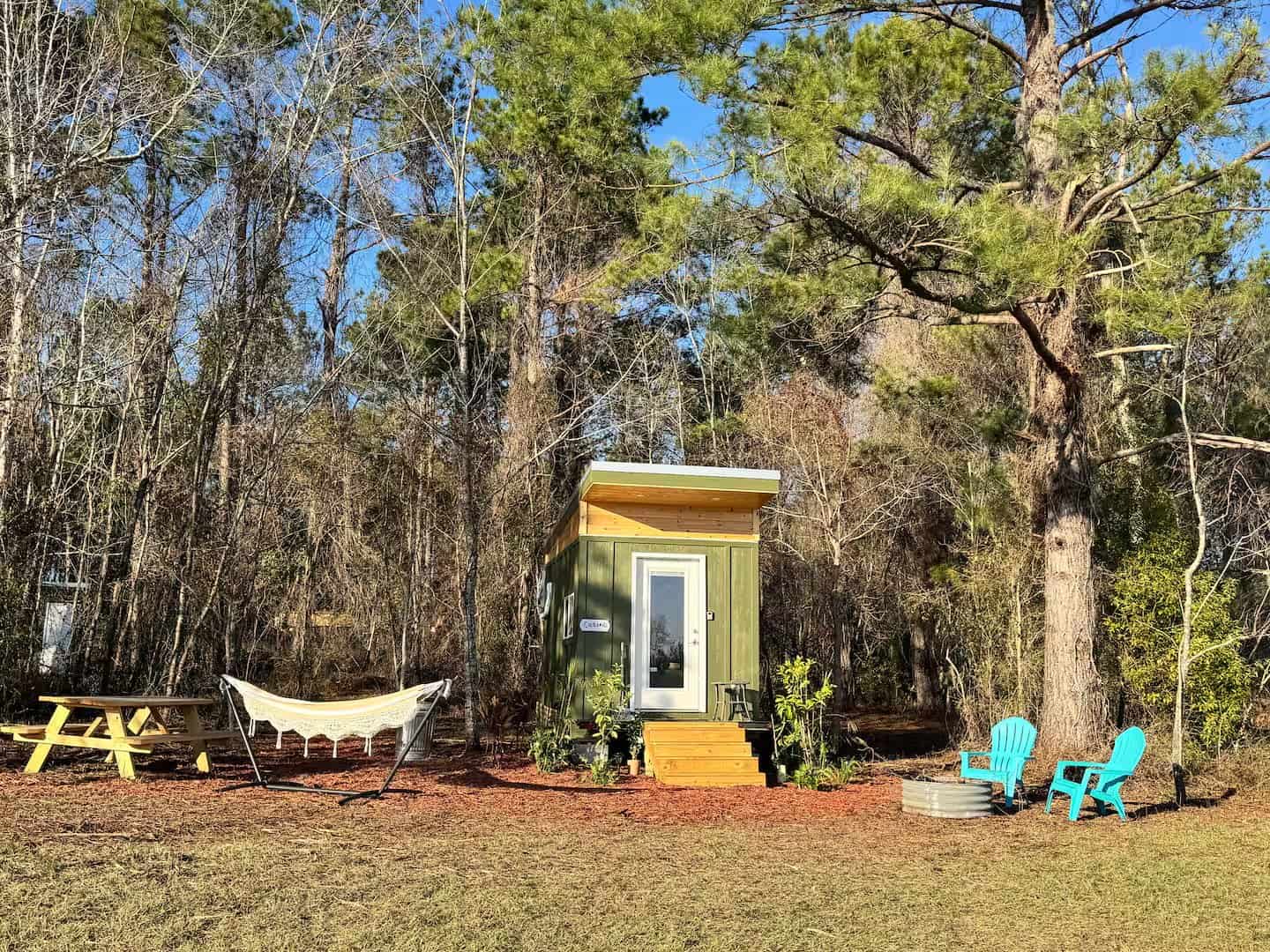
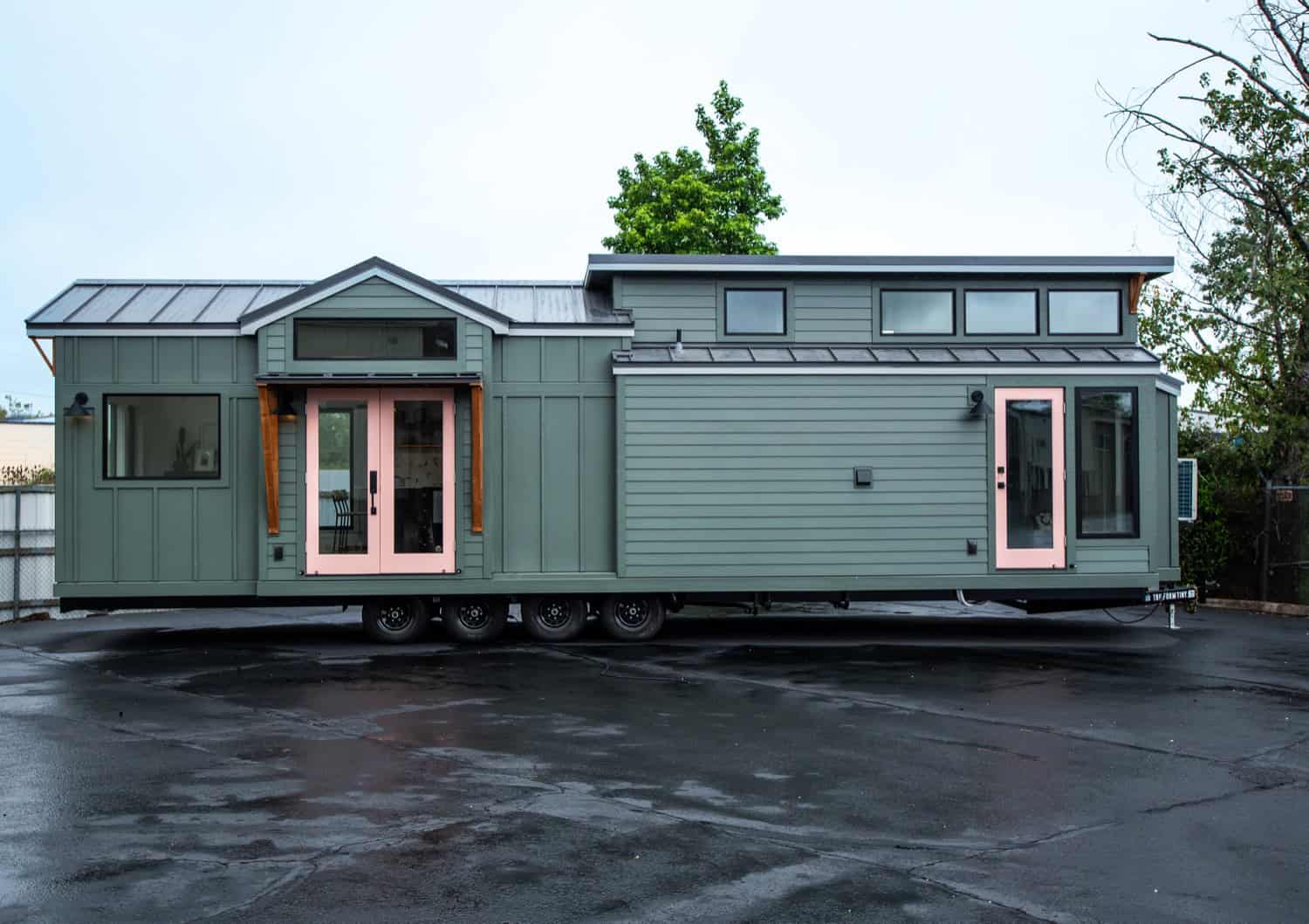
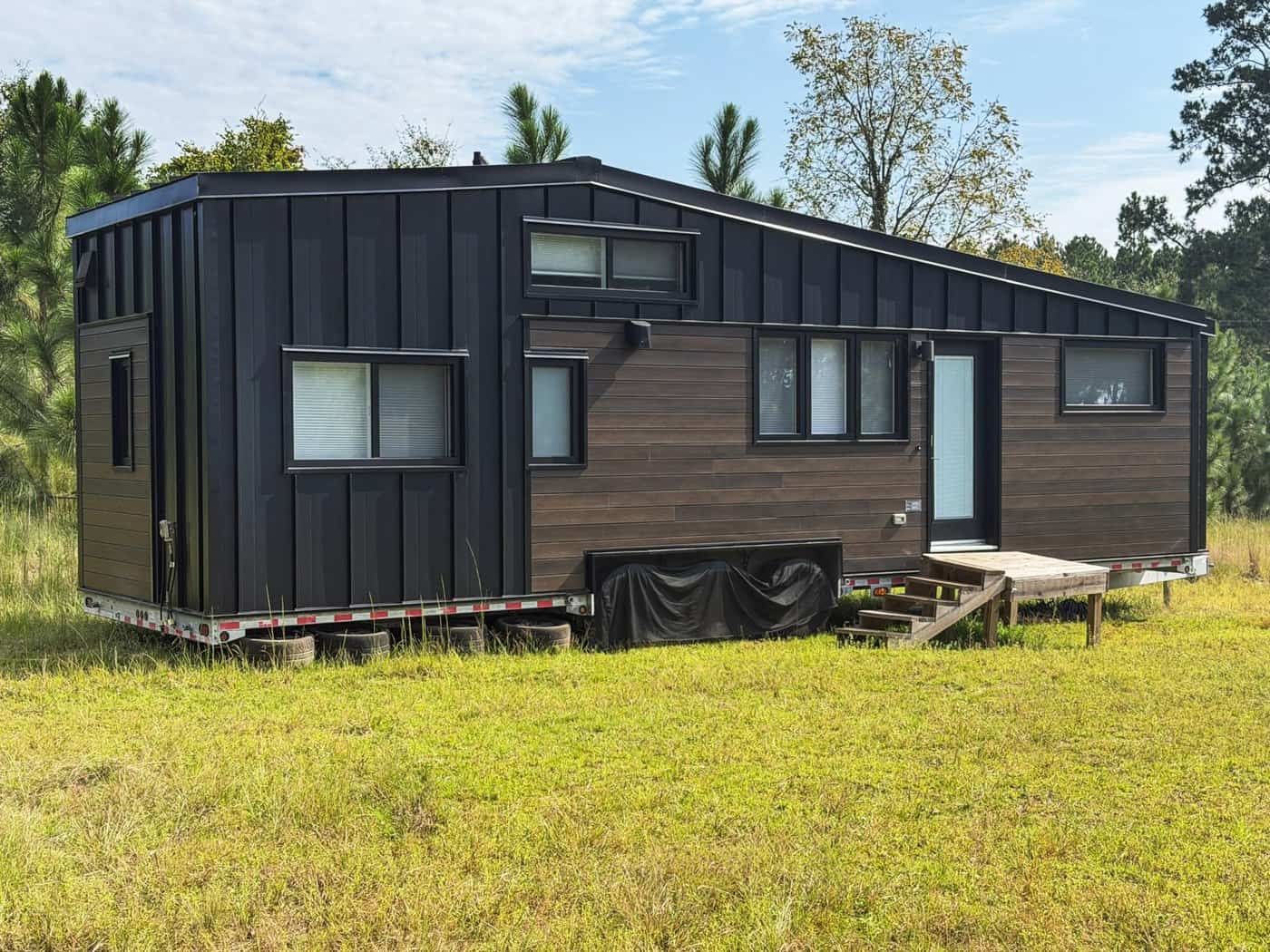
Tiny house on wheels: Legal to own and park, but Florida classifies it as a recreational vehicle or park trailer, not a dwelling. In most residential zones it cannot be your permanent, full-time residence. It belongs in an RV park, a park model community, or a tiny house community.
The Question Florida Law Actually Asks: Is It a House or a Vehicle?
Every confusing tiny house rule in Florida traces back to this fork. Two different agencies, two different rulebooks, two different outcomes.
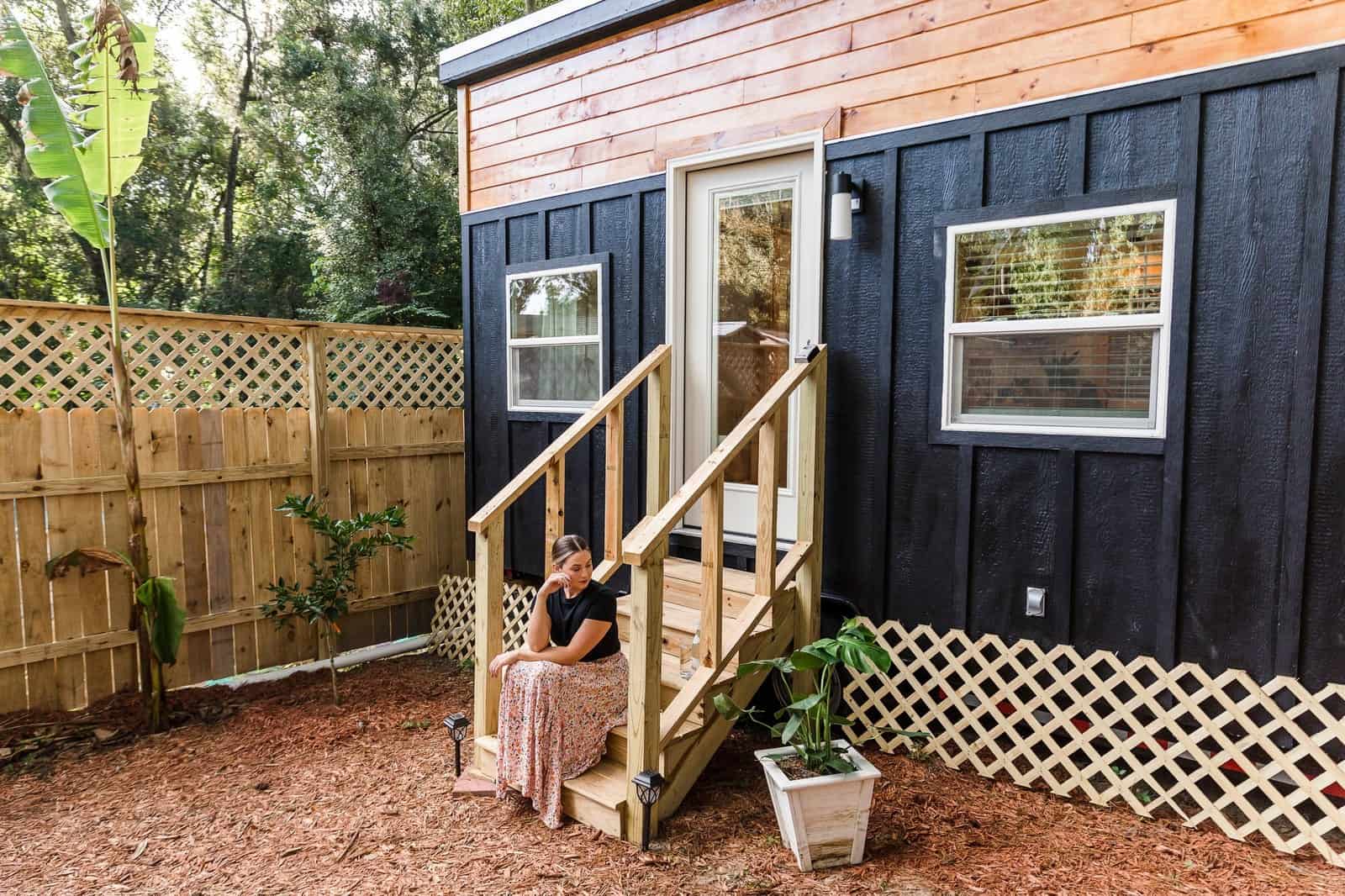
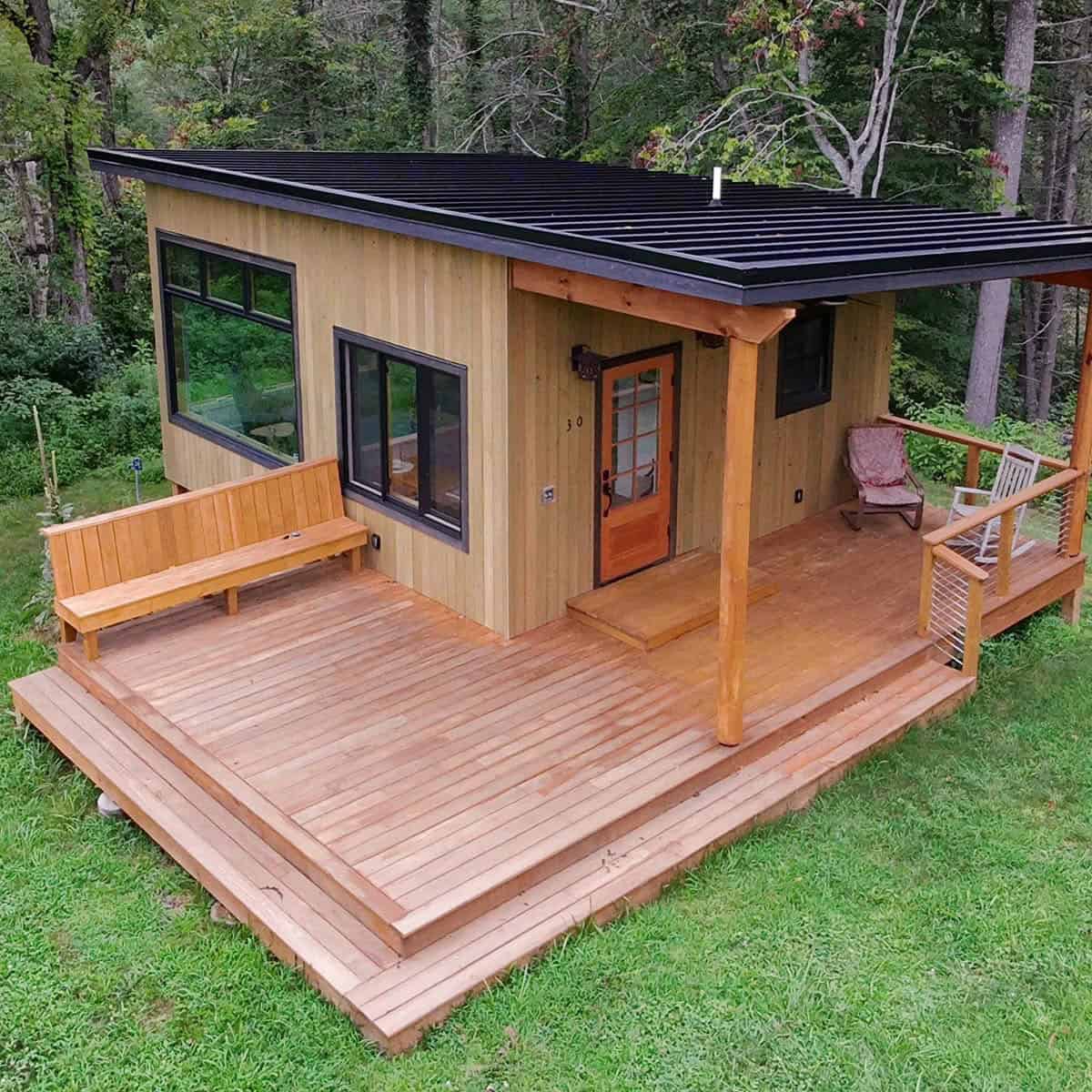
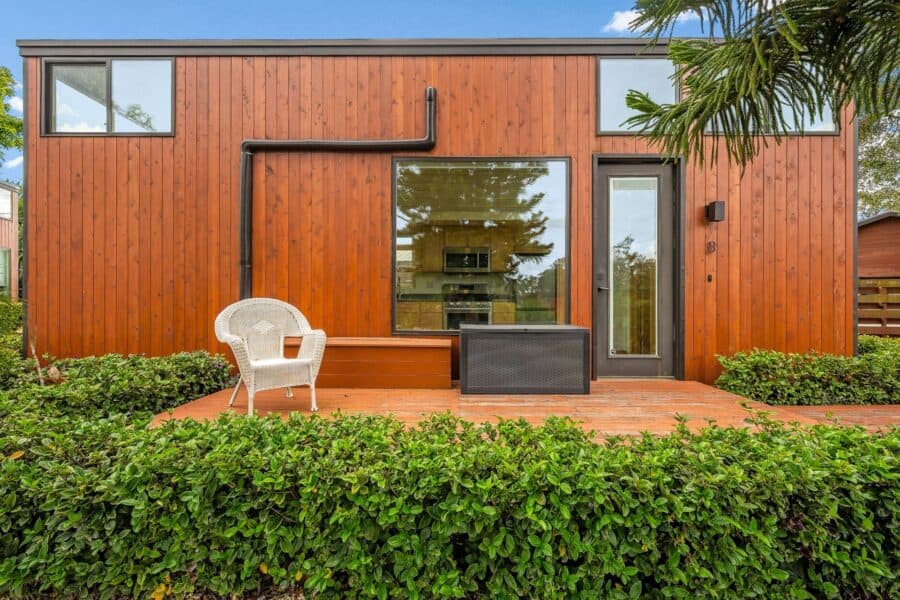
A tiny house built on a permanent foundation is regulated by the Florida Building Code and your local building department. It is a house. It gets a permit, an address, a certificate of occupancy, and a property tax bill. It can be your legal residence.
A tiny house on wheels is regulated by the Florida Department of Highway Safety and Motor Vehicles. It gets a title and a license plate. Legally it is closer to a travel trailer than to a home, and Florida statute defines a park trailer as a unit designed to provide seasonal or temporary living quarters. That word “temporary” is doing enormous work, and it is the reason most residential zoning districts will not let you live in one full time.
Neither track is a dead end. They just lead to very different places, and you need to choose deliberately rather than discover the difference after delivery day.
Track 1: Tiny Houses on Foundations Are Fully Legal in Florida
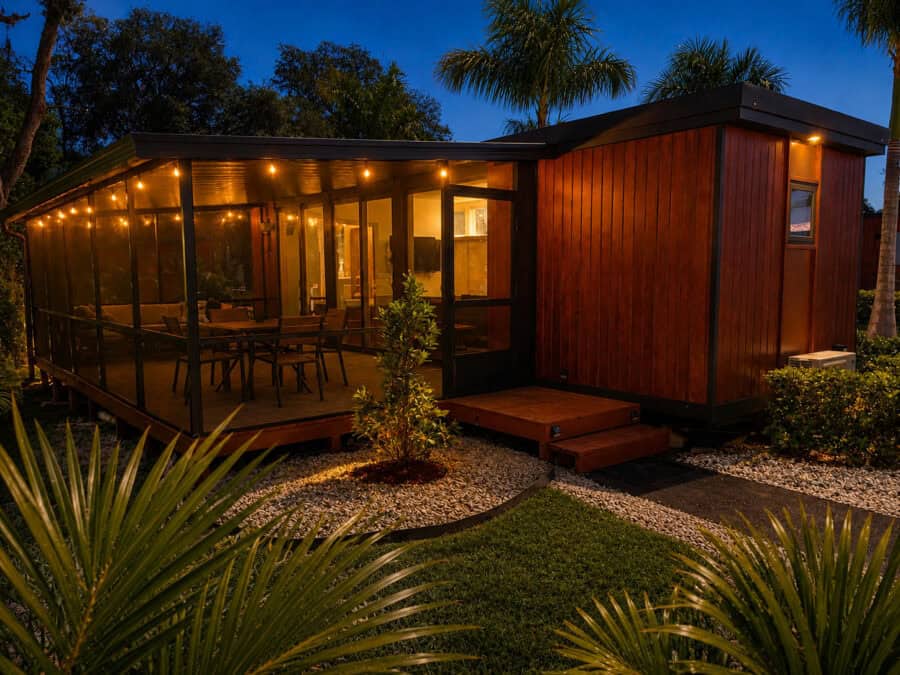
This is the part most people do not realize: Florida has already adopted the tiny house building code. Appendix Q is included in the 2023 Florida Building Code, Residential, Eighth Edition. It exists specifically so that a home under 400 square feet can be permitted without failing rules written for 2,000 square foot houses.
Appendix Q defines a tiny house as a dwelling 400 square feet or less, excluding lofts, and then relaxes the requirements that would otherwise make a compact design impossible to permit:
- Ceiling heights drop to 6 feet 8 inches for habitable rooms and hallways, and 6 feet 4 inches for bathrooms, toilet rooms, and kitchens.
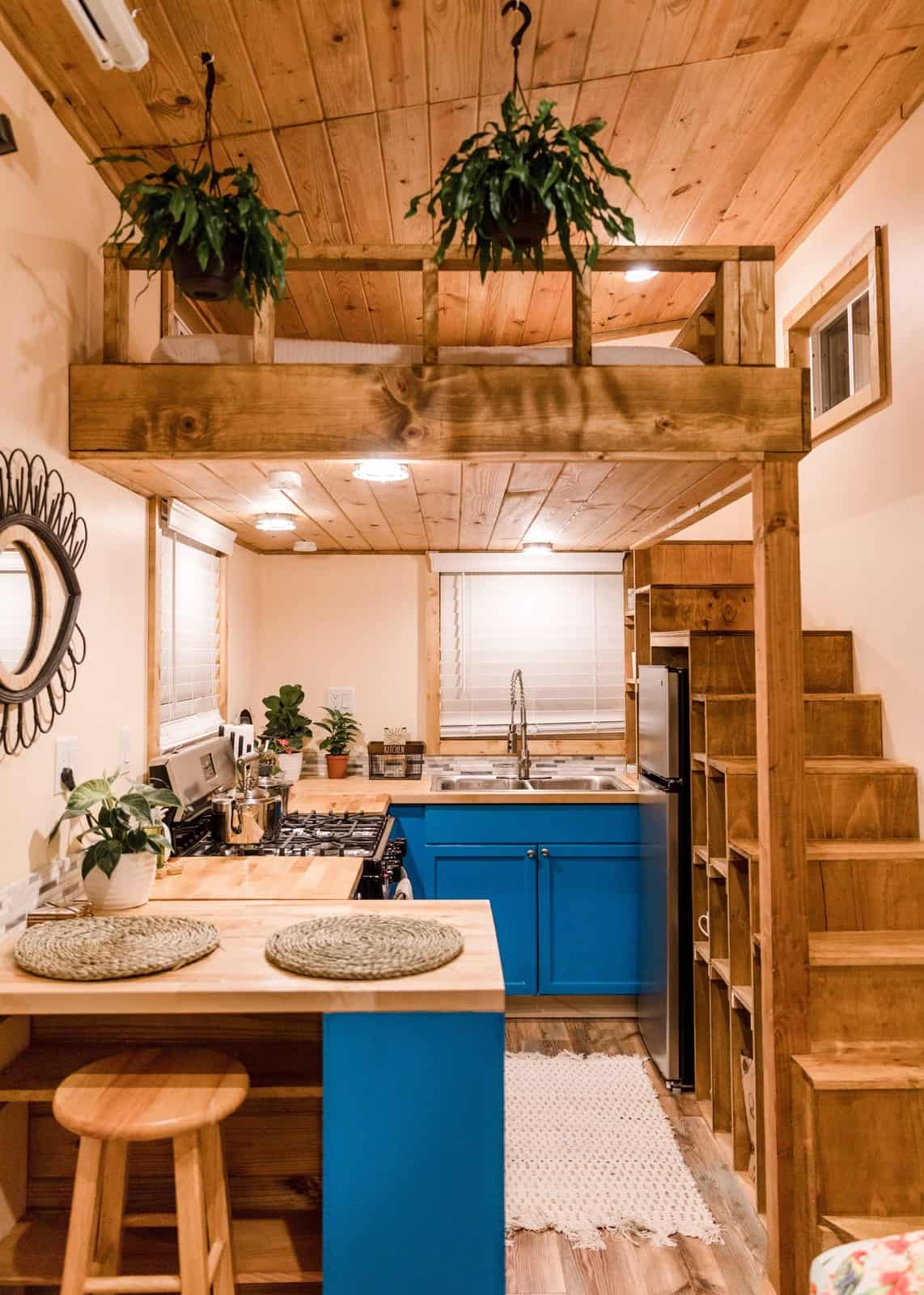
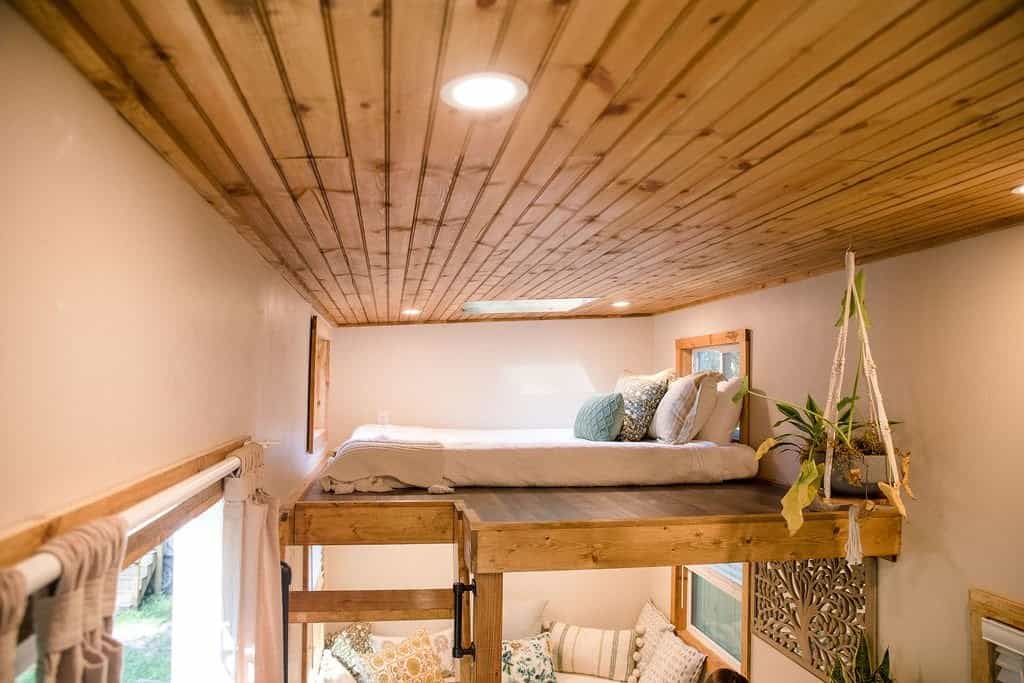
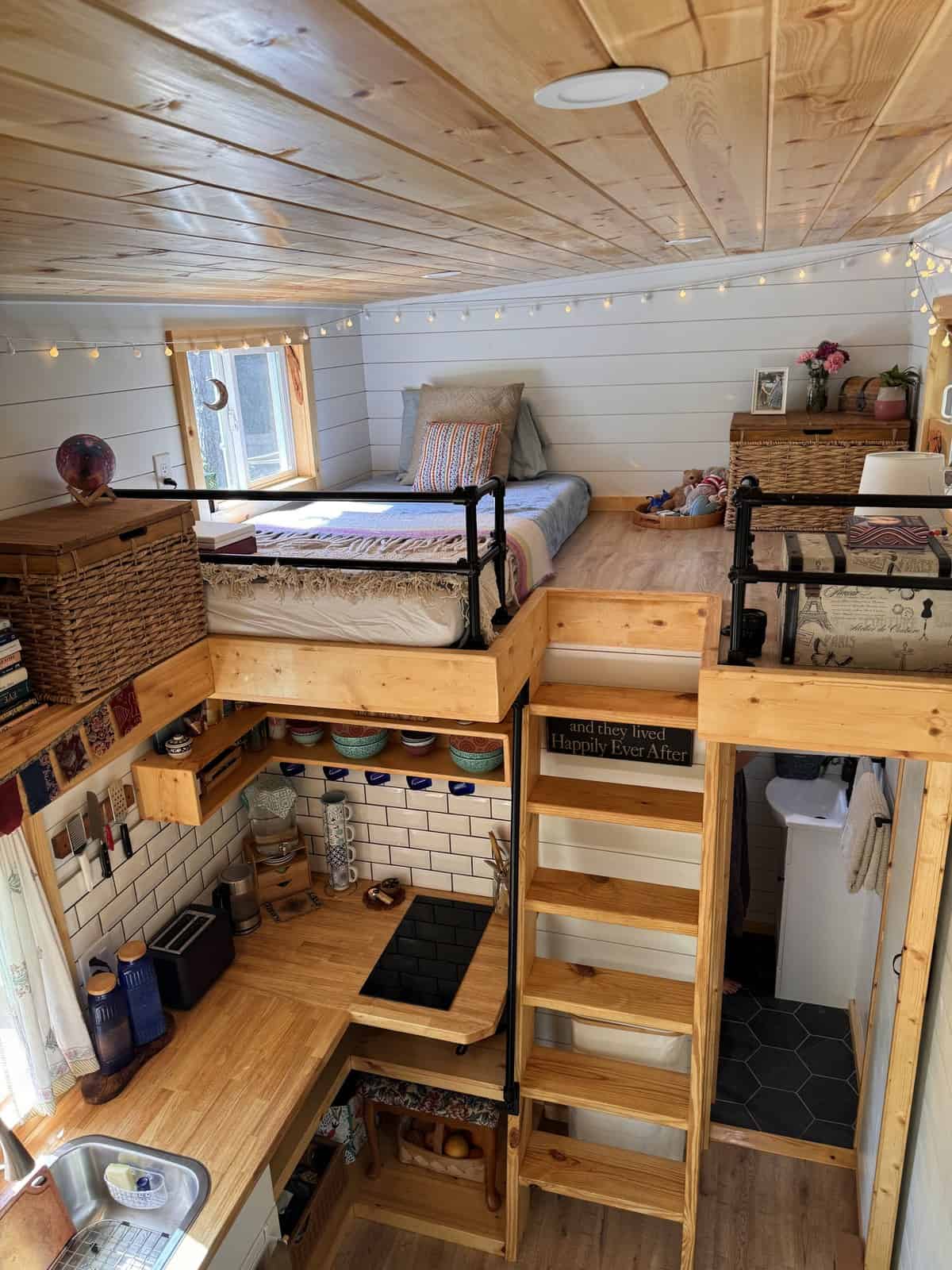
- Lofts are explicitly allowed, with a minimum of 35 square feet and a minimum horizontal dimension of 5 feet. Sloped areas under 3 feet do not count toward that minimum.
- Ladders to lofts are legal, not just stairs. Rungs must be at least 12 inches wide, spaced 10 to 14 inches apart, set at 70 to 80 degrees, and rated for 300 pounds per rung.
- Loft stairs can be narrower and steeper than normal, at 17 inches clear width at handrail height and risers up to 12 inches.
- Loft guards can be 36 inches tall or half the clear ceiling height, whichever is less.
- Egress roof access windows in sleeping lofts satisfy the emergency escape requirement if the opening is within 44 inches of the loft floor.
If you have ever been told a loft ladder or a 6 foot 8 inch ceiling is “not to code” in Florida, that information is out of date.
The catch that trips everyone up: Appendix Q solves the building code. It does nothing about zoning. Your county’s land development code sets minimum dwelling size, minimum lot size, setbacks, and whether a second unit is allowed at all. Plenty of Florida jurisdictions still require a primary residence of 600, 750, or even 1,000 square feet. Appendix Q will not override that. Zoning is where tiny house plans die, not the building code.
Track 2: Tiny Houses on Wheels Are Vehicles, Not Dwellings
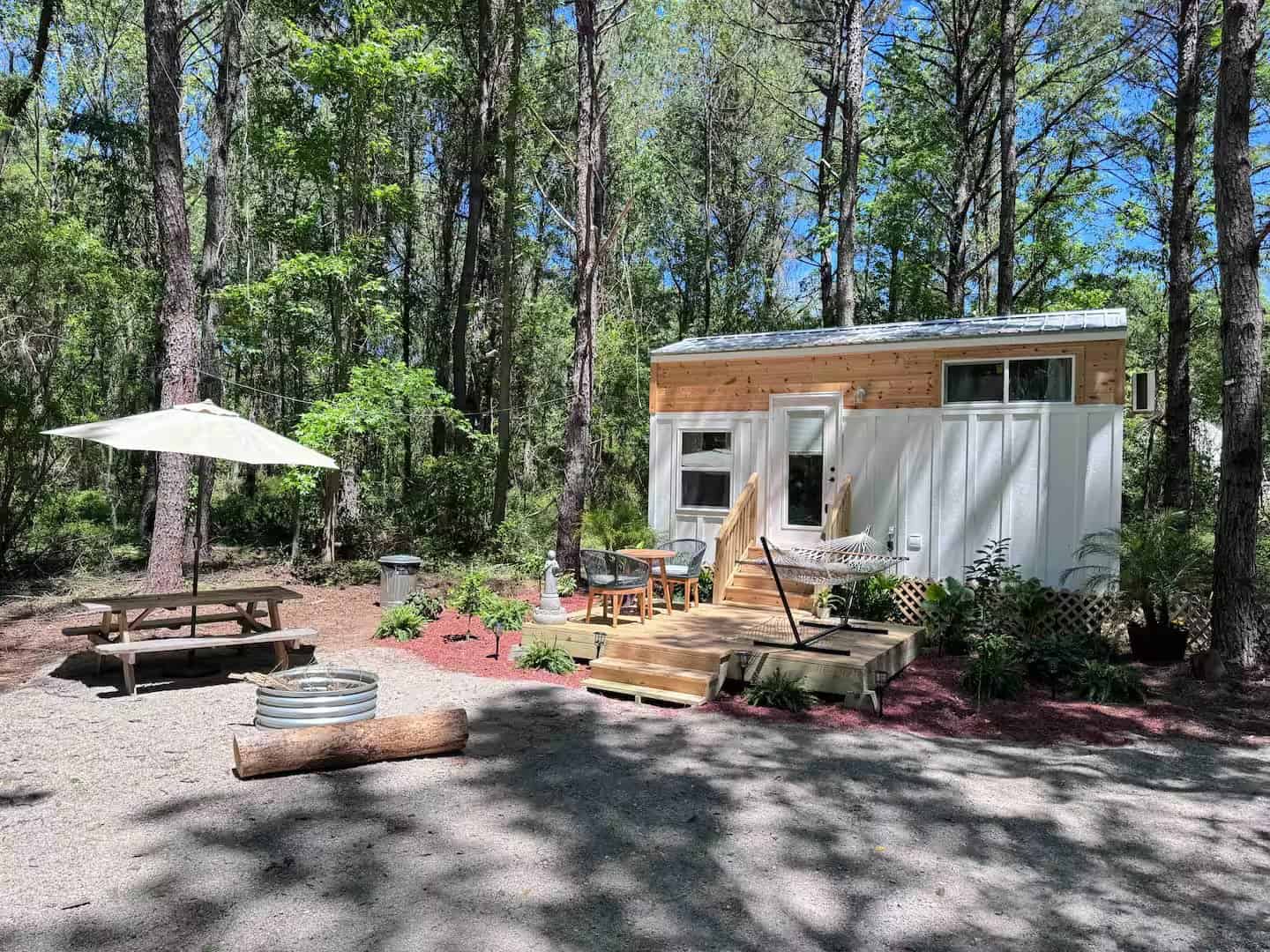
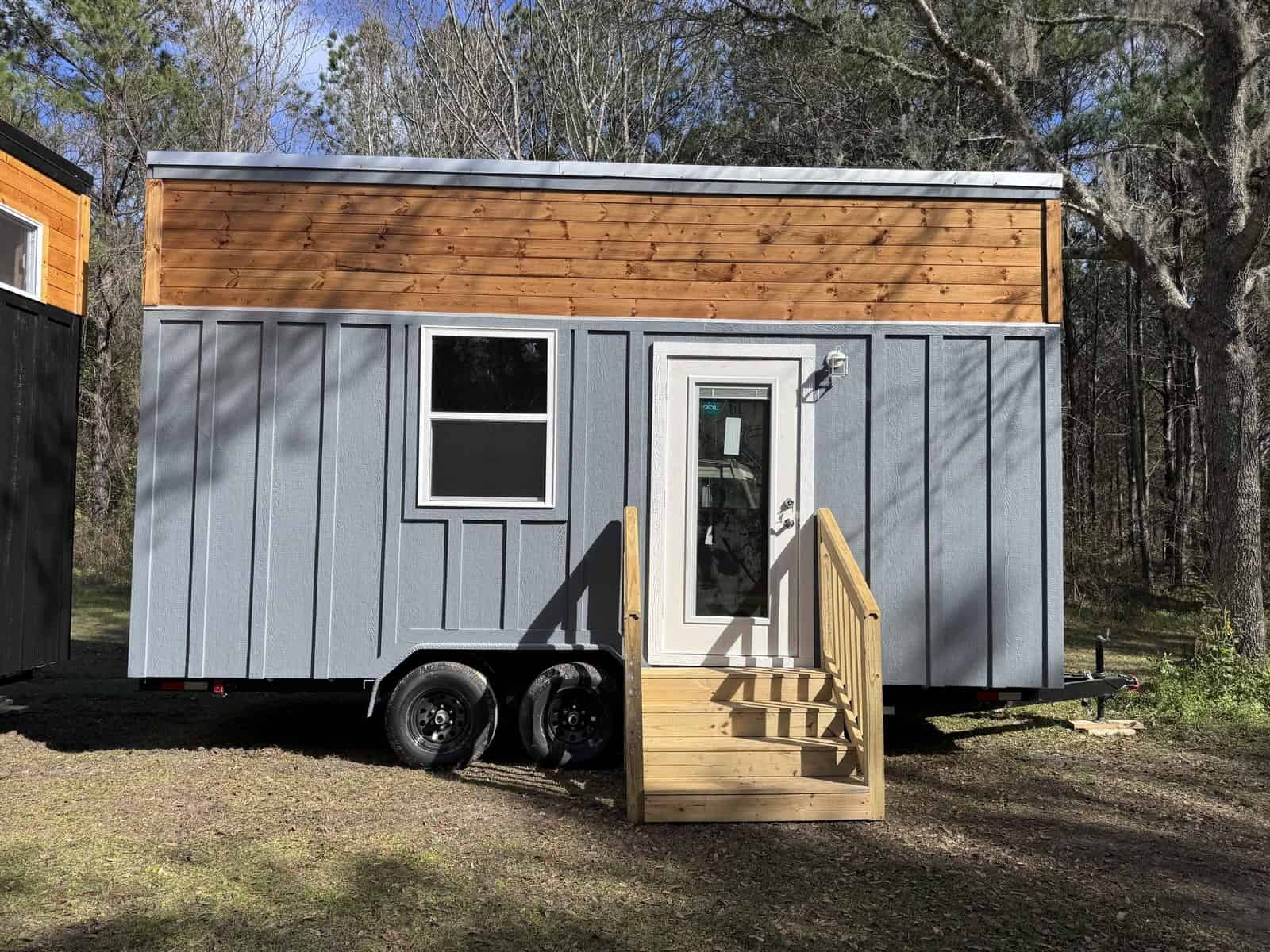
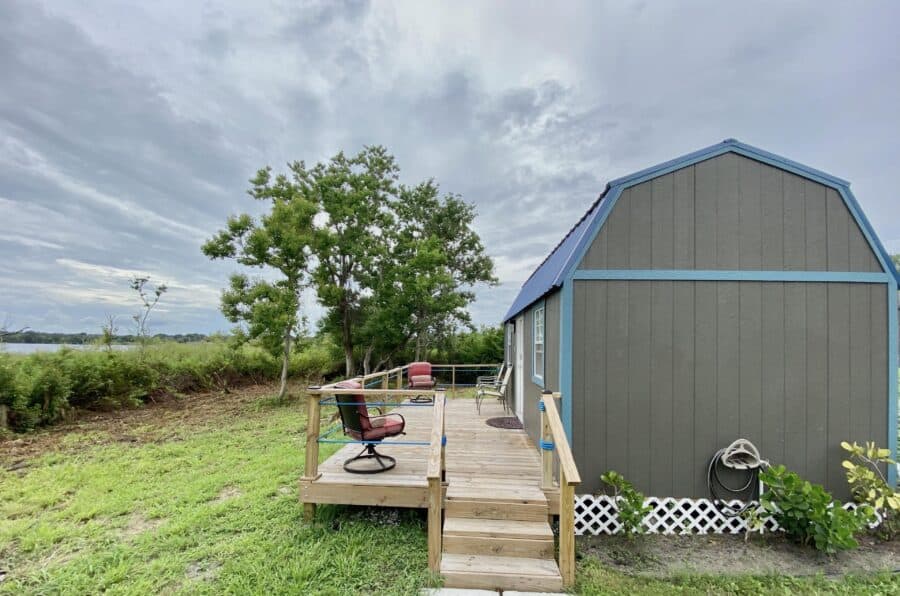
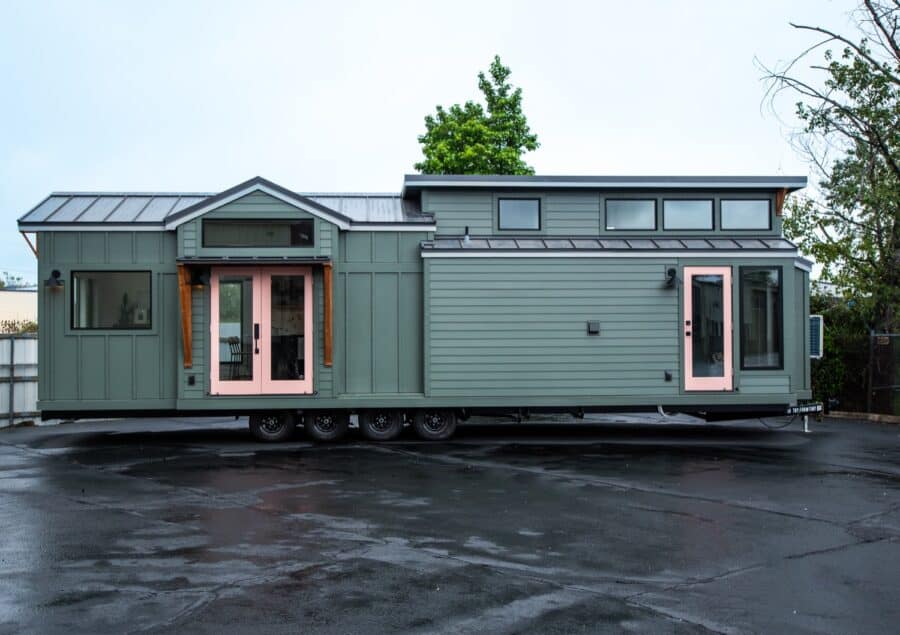
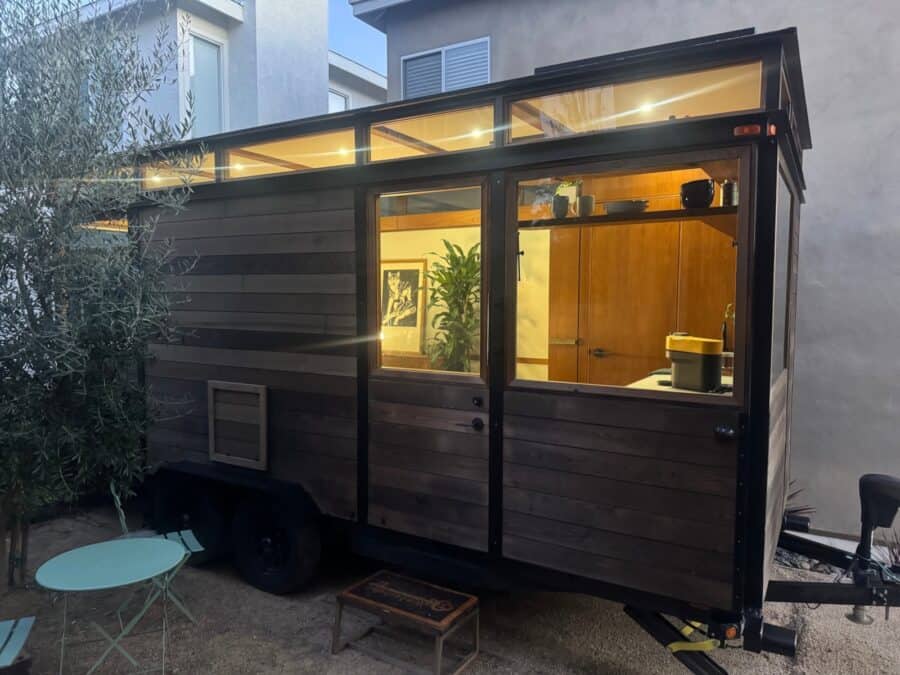
A tiny house on wheels in Florida is titled and registered through the state motor vehicle system, and it typically carries one of two certifications:
- RVIA certified, built to recreational vehicle standards. Florida treats it as an RV. You can park it in RV parks and tiny house communities, but you generally cannot use it as a permanent residence in a standard residential zone.
- ANSI A119.5 park trailer, capped at 400 square feet of living area when set up. These are the park models you see in tiny home resorts, and they can be placed in manufactured home and park model communities depending on local rules.
The certification matters enormously and it is not a formality. An uncertified, owner-built tiny house on wheels is the hardest possible thing to place legally in Florida, because it does not fit any of the boxes. It is not a permitted dwelling, and it is not a certified RV or park trailer either. If you are buying, certification should be near the top of your checklist.
Also worth knowing: several Florida counties limit how long an RV can be occupied on a private lot, and some require that a park trailer parked beyond a set number of days be placed on a permanent foundation. Those time limits are where enforcement usually starts.
What Happened to Florida’s Tiny Home and ADU Bills
This is where a lot of tiny house guides are simply wrong, so it is worth being precise. Several websites claim Florida passed a movable tiny home law or a statewide ADU mandate. Neither is true as of July 2026.
- HB 557, Movable Tiny Homes (2024) would have created a statutory definition for movable tiny homes and set construction and inspection standards. It died in the Commerce Committee on March 8, 2024. It never became law.
- SB 48 (2026) would have required every local government to adopt an ordinance permitting accessory dwelling units in single family zones by December 1, 2026, and would have barred local rental bans and owner-occupancy requirements. It passed the Senate unanimously, 38 to 0, and then died in messages on March 13, 2026.
- HB 1389 (2026) did become law as Chapter 2026-179, effective July 1, 2026. But the accessory dwelling unit section was removed by amendment before final passage. What survived deals with multifamily and mixed-use zoning and affordable housing incentives, not backyard tiny homes.
The practical takeaway: there is no statewide right to put a tiny house or an ADU on your Florida property. Every one of these decisions still happens at the county and city level. Anyone telling you “Florida legalized tiny homes” is describing a bill that failed.
The one genuinely encouraging signal is that the Legislature directed the state’s policy analysis office to study tiny homes as an affordable housing tool. The conversation is not over, it just has not produced a law yet.
The Four Legal Ways to Live in a Tiny House in Florida
Setting aside the theory, here is what actually works on the ground.
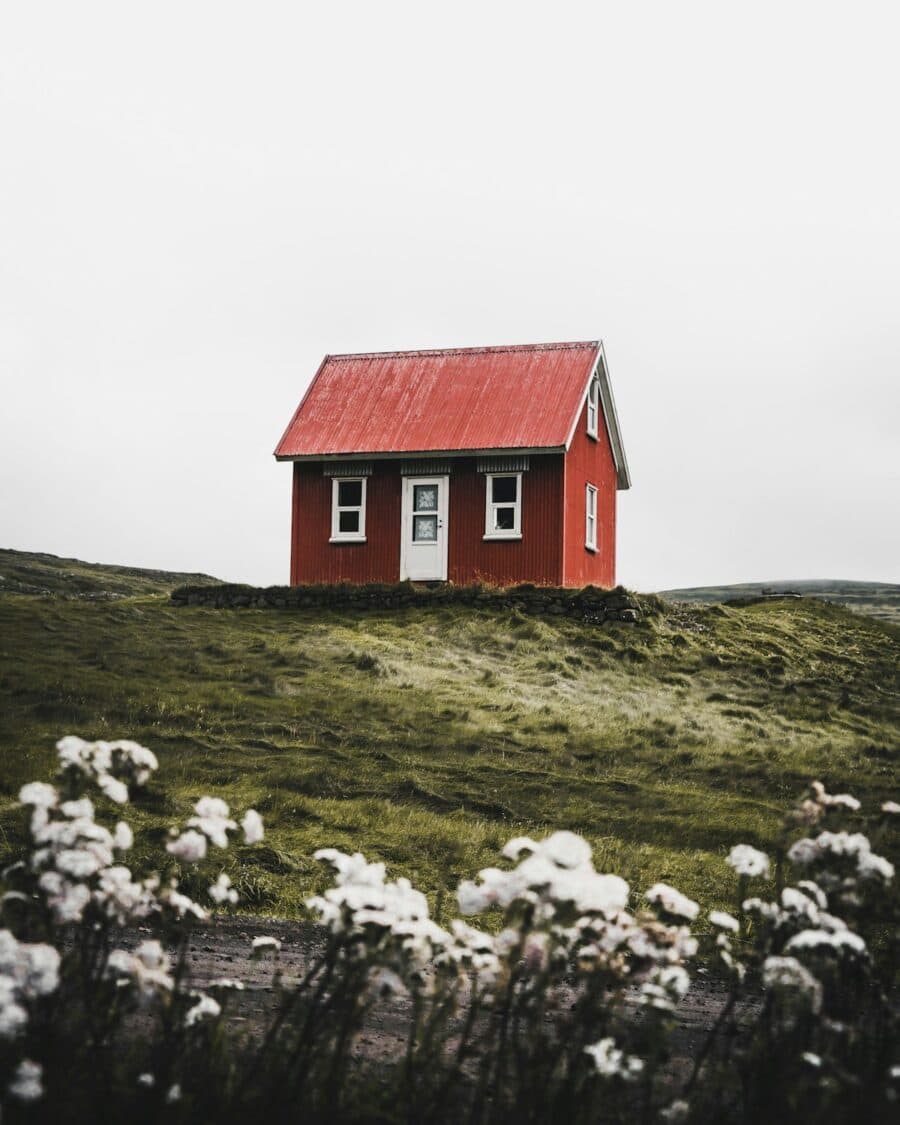
1. Build on a foundation as your primary residence
The cleanest legal path. You buy land zoned for a single family home, you permit a small house under Appendix Q, and you live in it like any other homeowner. You get a certificate of occupancy, a mortgage is possible, and you qualify for the homestead exemption. The constraint is finding a parcel whose zoning does not impose a minimum house size larger than what you want to build. Rural and unincorporated parcels are usually far more flexible than incorporated city lots.
2. Build an accessory dwelling unit where local code allows it
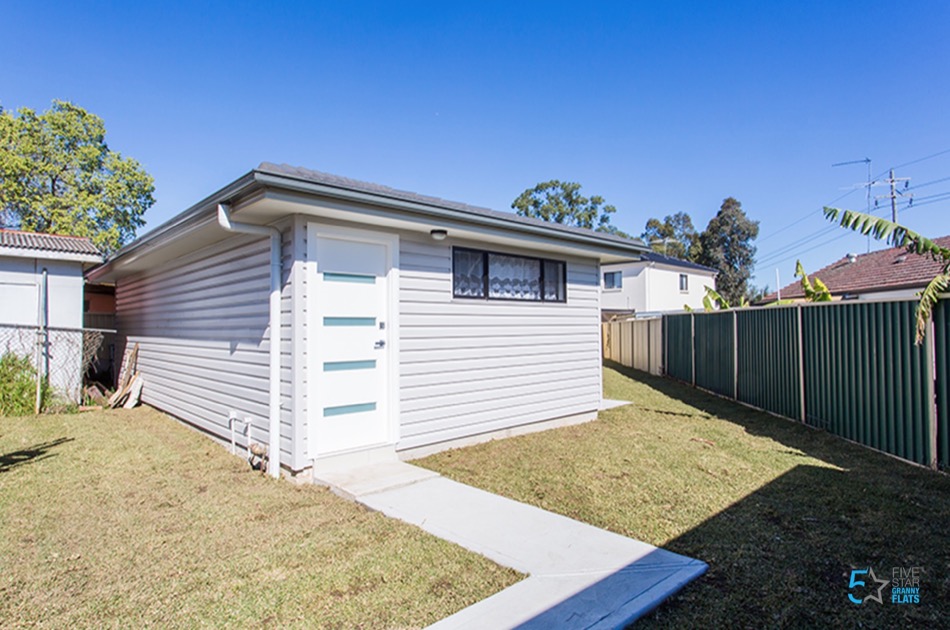
Many Florida jurisdictions do permit ADUs, granny flats, or guest houses on single family lots, even though there is no state mandate. Sarasota County, for example, has allowed accessory dwelling units of up to 750 square feet since Ordinance 2019-024, given final approval in September 2019. That ordinance is also a good illustration of how much fine print these rules carry: it applies only in unincorporated parts of the county, only in the RSF, RE, and RSF/PUD districts, allows just one unit per lot, requires the owner to live in either the main house or the ADU, and prohibits the units entirely on barrier islands and in cluster subdivisions. Note too that the City of Sarasota runs its own separate ADU program with different rules, so the county answer and the city answer are not the same. An ADU is usually the fastest approval you will get, because you are adding to an already-permitted lot rather than establishing a new residence. Check whether your jurisdiction requires the ADU to be on a foundation, whether it can be rented, and whether the owner must live in the main house.
3. Move into a tiny house or park model community
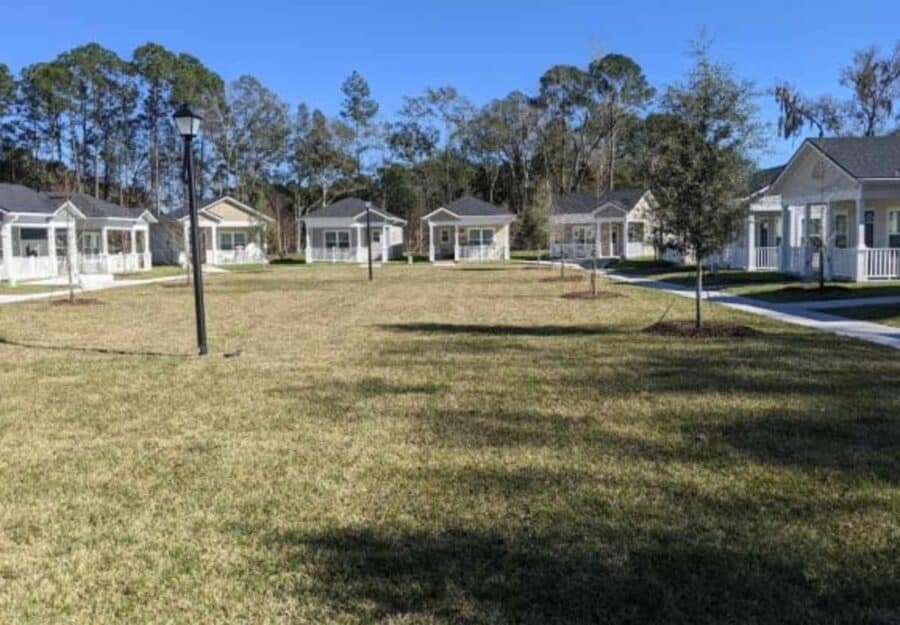
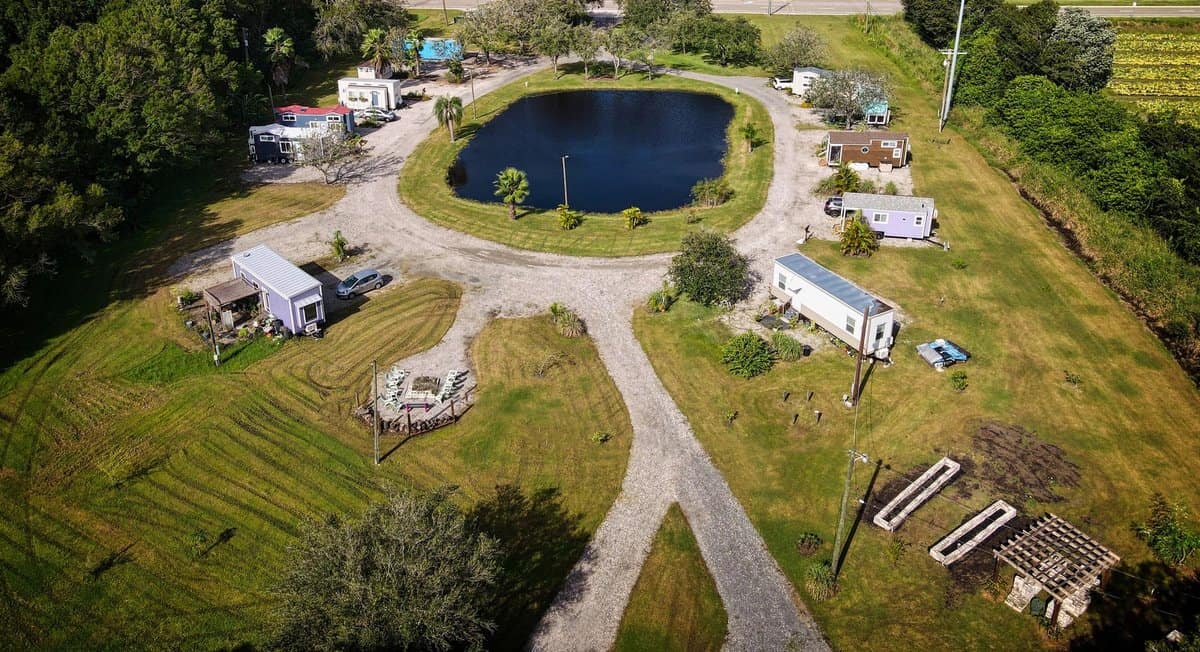
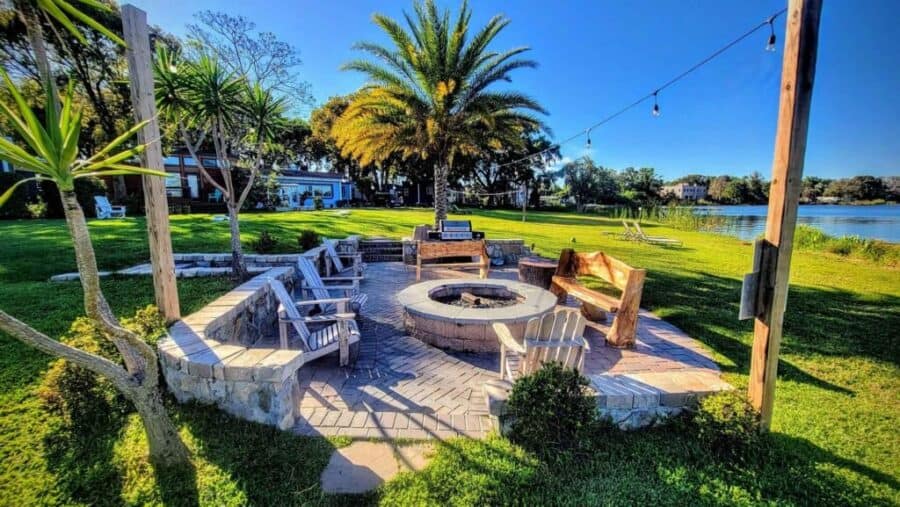
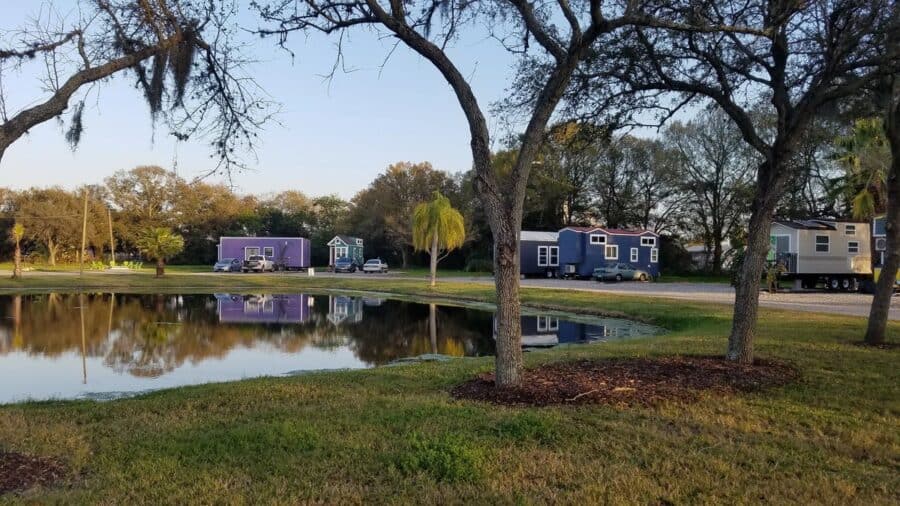
This is how the large majority of Florida tiny house owners solve the problem, and there is no shame in it. The community has already done the zoning work. You buy or bring the home, you lease the lot, and you live there legally and full time with utilities, mail, and an address. The trade-off is a monthly lot rent and community rules.
4. Long-term lease in a tiny house friendly RV park
The most flexible and least permanent option, and a good way to test the lifestyle before you commit. Your home stays a registered RV, you keep the ability to move, and you avoid the permitting process entirely. The trade-off is that you are renting, and park policies can change.
The Questions to Ask Your County Before You Buy Anything
Call your county planning and zoning department before you spend a dollar. Ask for the planner on duty, describe exactly what you want to do, and get answers to these:
- What is the minimum dwelling size in this zoning district?
- What is the minimum lot size, and what are the setbacks?
- Are accessory dwelling units permitted here, and at what maximum square footage?
- Will you permit a home under Appendix Q of the Residential Code?
- Is the parcel on sewer or septic, and what will a septic permit require for the number of bedrooms?
- How long may a recreational vehicle be occupied on a private lot?
- What are the impact fees and utility connection costs?
- Is there an HOA or deed restriction on the parcel? These override everything above and are the single most common surprise.
Get the answers in writing, by email, from a named person. A verbal yes from a front counter is not a permit.
Florida-Specific Gotchas Most Guides Skip
Even after the zoning is sorted, Florida adds a few requirements that people from other states do not see coming.
Wind load is not optional. Florida design wind speeds run well above most of the country, and Miami-Dade and Broward sit in the High Velocity Hurricane Zone with the strictest standards in the United States. A foundation-built tiny house has to meet these, which affects fasteners, sheathing, roof attachment, and window ratings. A tiny house built in a mild-climate state and trucked in may not comply.
Flood zones change everything. A large share of Florida parcels sit in a mapped flood zone, which can require the finished floor to be elevated above base flood elevation. That is a significant design and cost factor, and it also drives your insurance premium.
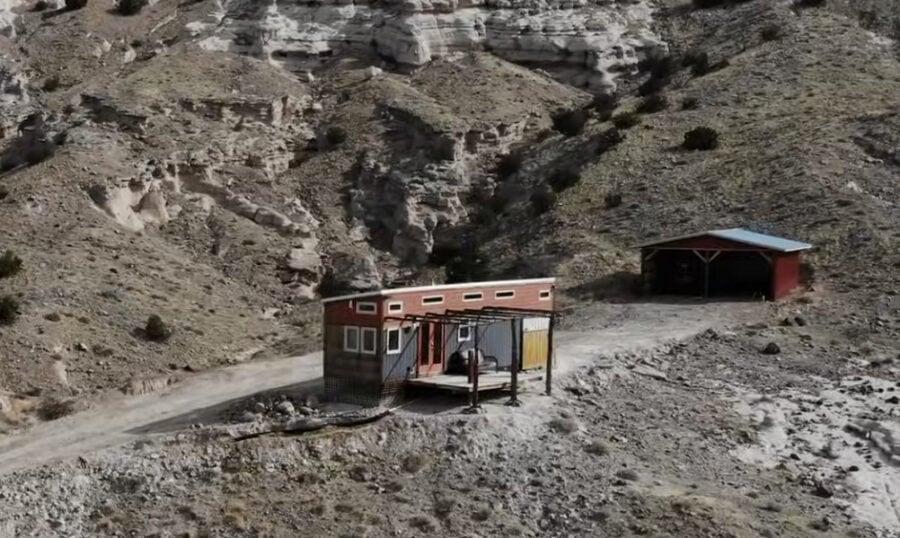
Septic sizing is often the real limit. On a rural parcel without sewer, the septic permit, not the house, frequently determines what you can build. Soil conditions, water table depth, and setbacks from wells and surface water all come into play.
A tiny house on wheels does not get the homestead exemption. If your home is titled as a vehicle, it is not real property. You lose the homestead exemption, the Save Our Homes assessment cap, and the ability to finance it with a conventional mortgage. Instead you are typically looking at RV or chattel financing at higher rates and shorter terms. This is one of the most underrated differences between the two tracks.
Insurance is a separate hurdle. Florida’s property insurance market is difficult even for conventional homes. Ask an agent about coverage for your specific home type before you buy, not after.
Try Before You Commit
Before spending tiny house money, spend a few nights in one. Florida has a good supply of tiny house stays, and a weekend tells you more about ceiling heights, loft ladders, and 200 square feet in August humidity than any amount of research will.
The Bottom Line
Yes, you can legally live in a tiny house in Florida. The state has adopted the tiny house building code, and there are real, established communities across the state where people live tiny full time right now.
What Florida has not done is create a statewide right to park a tiny house on wheels wherever you want and call it home. The 2024 movable tiny homes bill died, the 2026 ADU mandate died, and the ADU language was stripped from the housing bill that did pass. Until that changes, the answer to “is it legal” is always going to depend on your specific parcel, in your specific county, under your specific zoning district.
So choose your track deliberately. If you want permanence, equity, a mortgage, and the homestead exemption, build on a foundation and pick your land for its zoning before you pick it for its view. If you want mobility and a lower entry price, buy certified, and plan on a community or an RV park as your address. Both are legitimate. The people who run into trouble are the ones who buy a home on one track and then try to live on the other.
Related Reading
- The Ultimate Guide to Tiny House Living in Florida
- Best Tiny House Communities in the US
- San Diego County Legalizes Tiny Homes on Wheels
- No Rent, No HOA: 5 Tiny Home Owners Who Cracked the Code on Land
- Circle Pond Tiny Home Community in Ruskin, Florida
- Tiny Town Orlando: A Peaceful Lakefront Tiny Home Community
- Tiny Houses on Navaho: Modern Tiny Living in Jacksonville
- Tiny Homes for Seniors: Single-Level and Accessible Tiny Houses
- Best Tiny Homes Under $75K
This article is general information for Florida tiny house shoppers, not legal advice. Zoning and building rules change and vary by jurisdiction. Always confirm current requirements with your county or city planning and building departments before purchasing land or a home.
Disclosure: This post may contain affiliate links. If you purchase through one of our links, we may earn a commission at no additional cost to you.


Alex
Latest posts by Alex (see all)
- The Atlas by Zook Cabins: A 233 Sq. Ft. Park Model With a Bed That Rolls Onto the Deck - October 22, 2026
- Red Oak Fire Lookout: An 80-Foot Steel Tower With a 14×14 Cab - October 22, 2026
- White Oak Treehouse: Built Into a 210-Year-Old Oak - October 22, 2026