Disclosure: This post may contain affiliate links. If you purchase through one of our links, we may earn a commission at no additional cost to you.
For a growing number of Americans, retirement no longer means a paid-off four-bedroom house with rooms that sit empty and a yard that demands every Saturday. It means freedom: less to clean, less to pay for, less to worry about, and a great deal more money and time for the things that actually make these years worth looking forward to. That is exactly why tiny houses have become one of the most talked-about retirement strategies of the past decade.
A tiny home can let you unlock the equity trapped in a large house, slash your monthly cost of living, plant yourself near family or in a community of like-minded people, and design a space that will keep working for you as your needs change. But retiring into a tiny house is not as simple as buying the cutest model you can find online. The lofts, ladders, and clever-but-cramped layouts that suit a 28-year-old can become genuine hazards at 70. Zoning, healthcare access, financing, and long-term resale all deserve careful thought.
This guide walks through everything you need to weigh before downsizing into a tiny home for retirement: the real financial picture, the design choices that matter most as you age, where you are actually allowed to put a tiny house, how to pay for one, and how to make the transition without regret.
Why Tiny House Living Appeals to Retirees
The appeal goes far beyond the charm of a small, well-designed space. For people entering their 60s, 70s, and beyond, the math and the lifestyle line up in a way they rarely do at other stages of life.
Most retirees are working from a fixed or limited income, which makes predictable, low monthly costs enormously valuable. A tiny house dramatically reduces nearly every recurring expense a home generates: a smaller footprint means lower utility bills, minimal property taxes (or none, if the home is on wheels), cheaper insurance, and far less ongoing maintenance. Money that used to disappear into heating empty rooms and re-roofing a large house can instead fund travel, hobbies, grandchildren, and healthcare.
There is also the matter of equity. A retiree who owns a $400,000 house outright can sell it, buy or build a quality tiny home for a fraction of that, and walk away with a substantial cash cushion. For many people, that single move transforms a stressful retirement budget into a comfortable one.
Finally, there is the question of energy. Maintaining a large home is physical work, and that work gets harder every year. Tiny living strips the to-do list down to something manageable, freeing up the time and physical reserves that a big property quietly consumes. As we explore in Why People Downsize (It’s Not Just About Money), the motivation is often as much about reclaiming time and peace of mind as it is about the budget.

The Financial Case: What You Actually Save
It helps to look at the numbers honestly rather than relying on the rosy headlines. The savings are real, but they vary widely depending on how and where you live.
Purchase or build cost. A professionally built tiny house on wheels typically runs between $45,000 and $125,000 depending on size, finishes, and builder. A DIY build can come in well under that, while a high-end custom park model can exceed it. Compare that to the median U.S. home price, and the upfront difference is dramatic, particularly if you are selling a paid-off home to fund the move.
Ongoing costs. This is where tiny living quietly pays off month after month. Utilities for a well-insulated tiny home often run a fraction of what a conventional house costs to heat and cool. Property taxes shrink or disappear. Insurance is cheaper. And maintenance, the silent budget-killer of homeownership, becomes a minor line item rather than a recurring shock.
The hidden costs. Be realistic about what a tiny house does not eliminate. You will still need somewhere to put it, and land or a lot lease is a real, recurring expense. Tiny homes on wheels can be difficult to finance through traditional mortgages and may depreciate rather than appreciate. And if you ever need to relocate, moving a tiny house is more involved and costly than people expect.
The honest summary: a tiny house almost always lowers your cost of living, but whether it is a good investment depends heavily on the land underneath it.
Choosing the Right Type of Tiny Home for Retirement
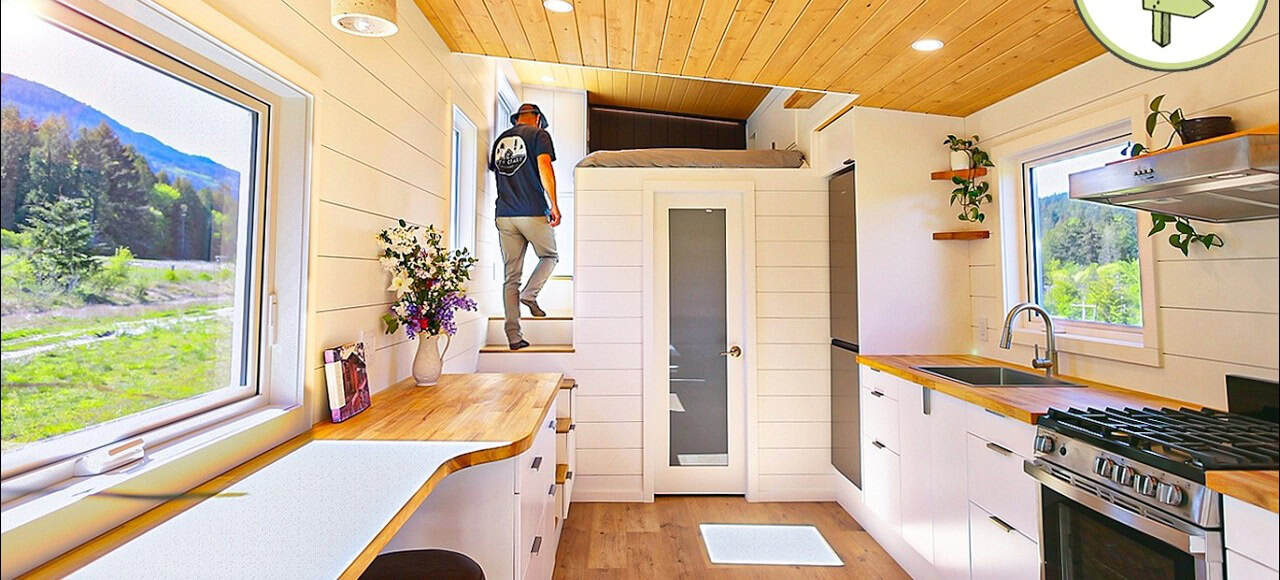
Not all tiny homes are created equal, and the differences matter enormously when you are planning to age in the space. The single most important design decision for most retirees is avoiding a sleeping loft.
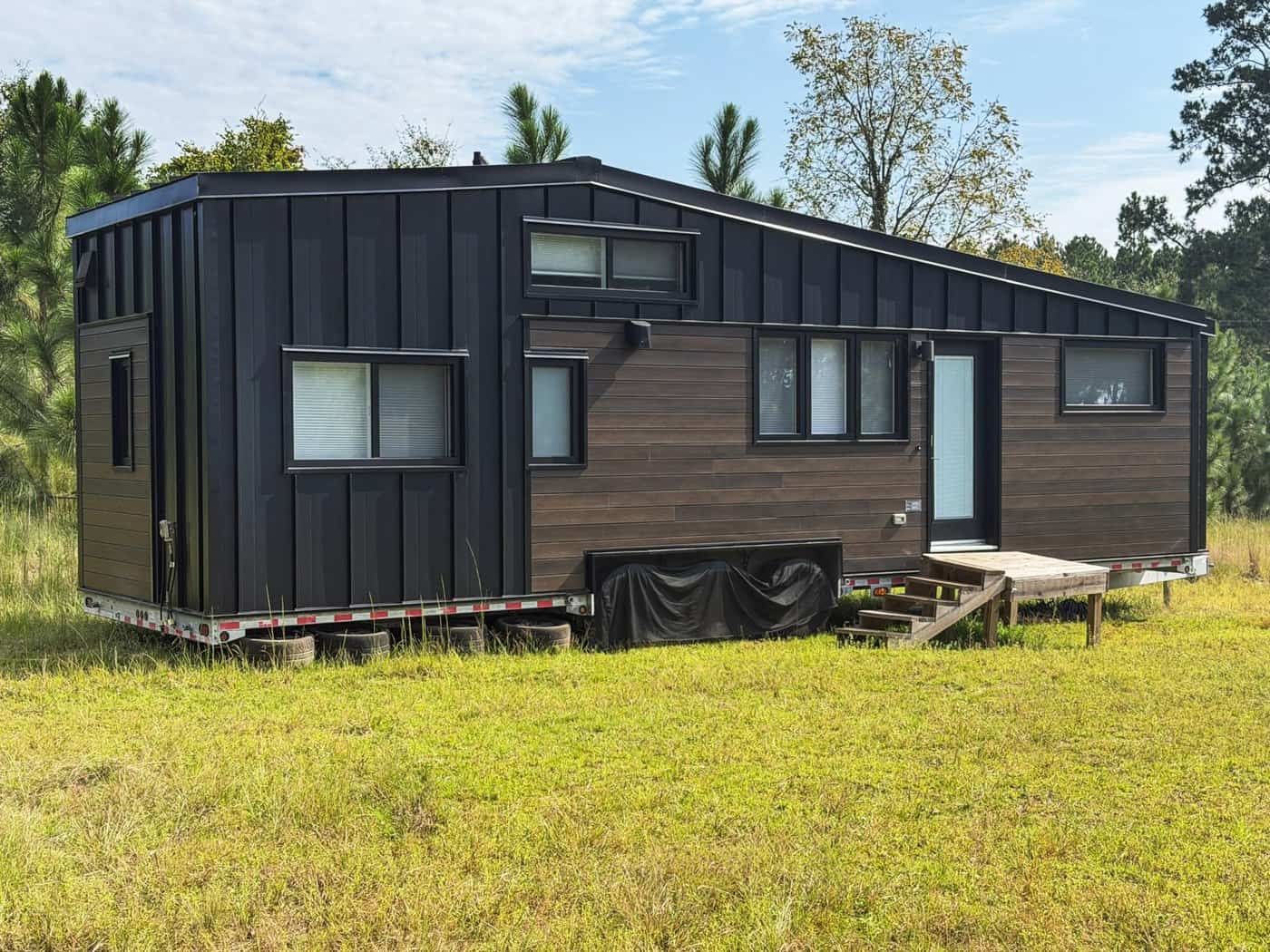
Single-level tiny houses. A ground-floor bedroom is the gold standard for retirement. Climbing a ladder or steep stairs to a loft every night is uncomfortable at best and dangerous at worst, especially during a midnight trip to the bathroom. Many builders now offer “first-floor bedroom” or “no-loft” layouts designed specifically with older buyers and accessibility in mind. The 32-foot Surya, for example, lives like a small apartment with everything on one level.
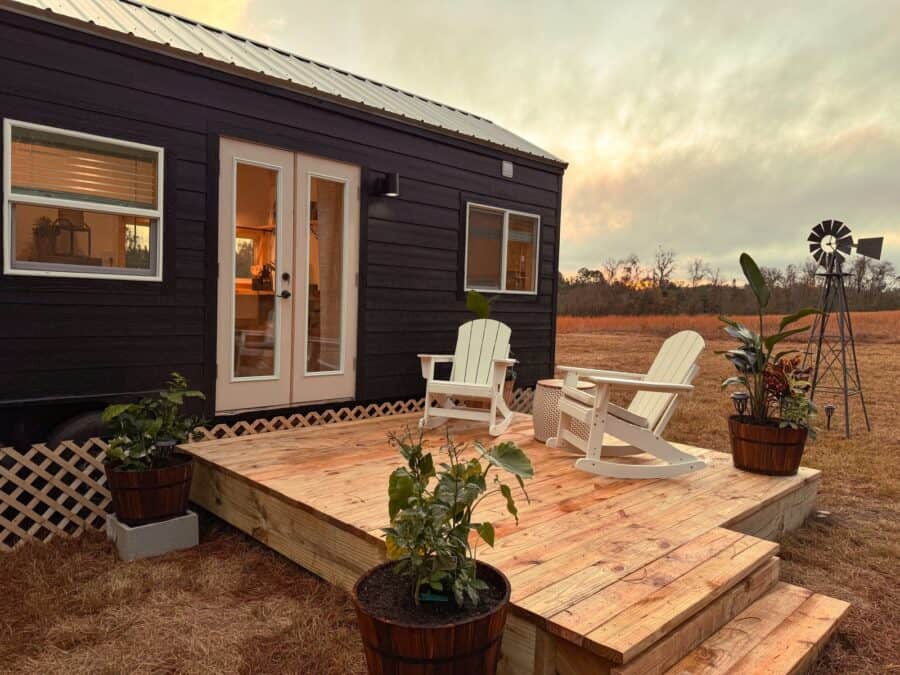
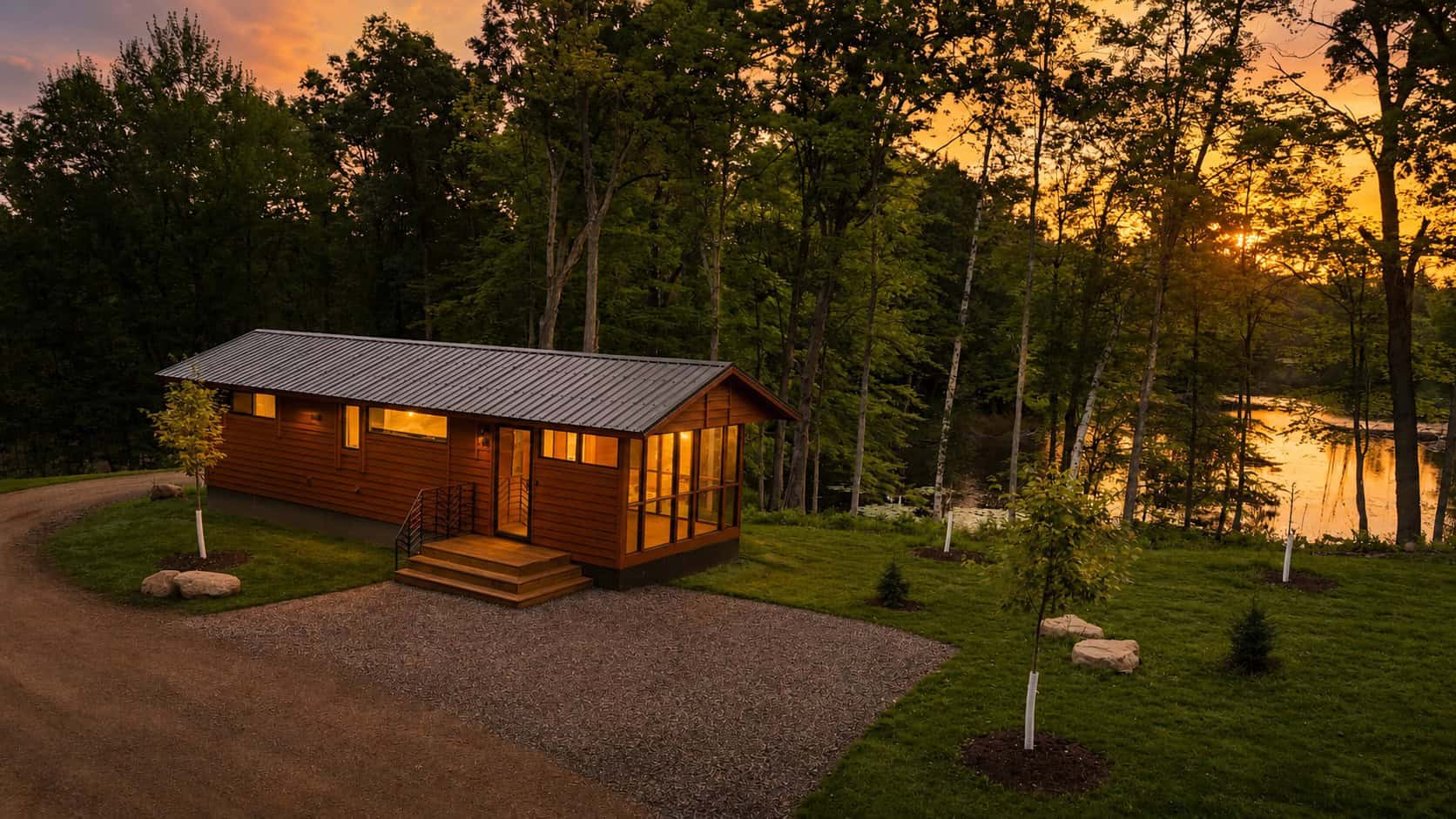
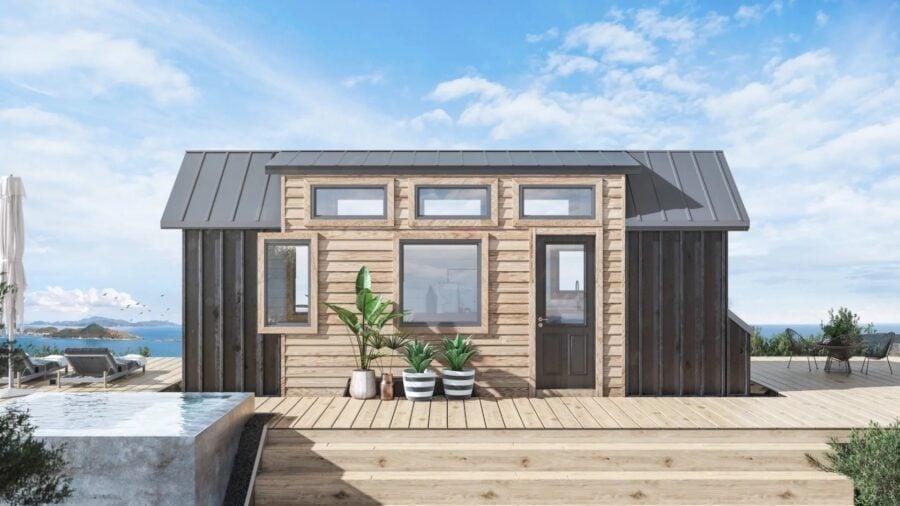
Park model homes. Park models (often around 400 square feet) sit in a sweet spot for many retirees. They are larger and more house-like than a typical tiny home on wheels, almost always single-level, and designed to be placed semi-permanently in tiny home or RV communities. They feel like a real, full-size small home while keeping costs and maintenance low. Models like the Urban Gable Park and the Cascade Max show just how comfortable a single-level park model can be.
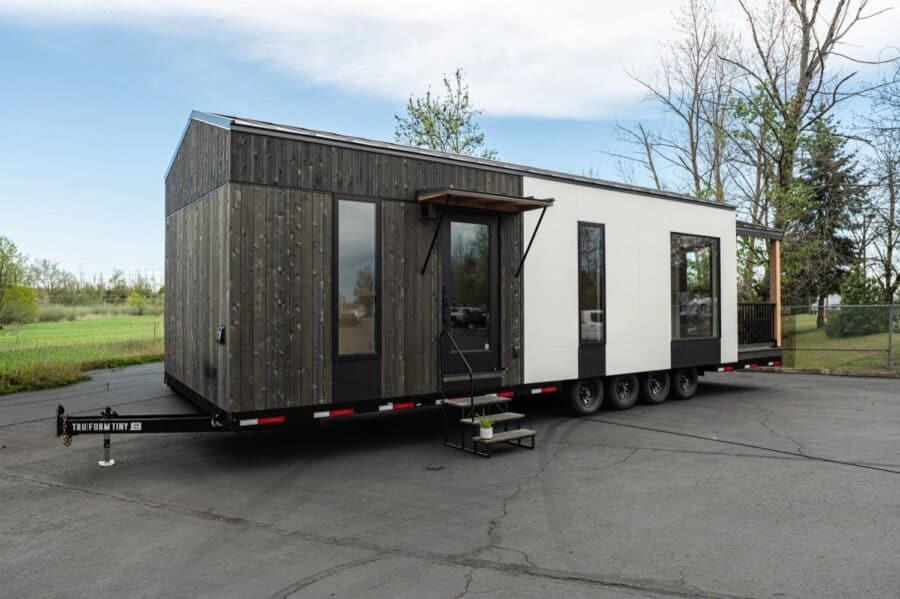
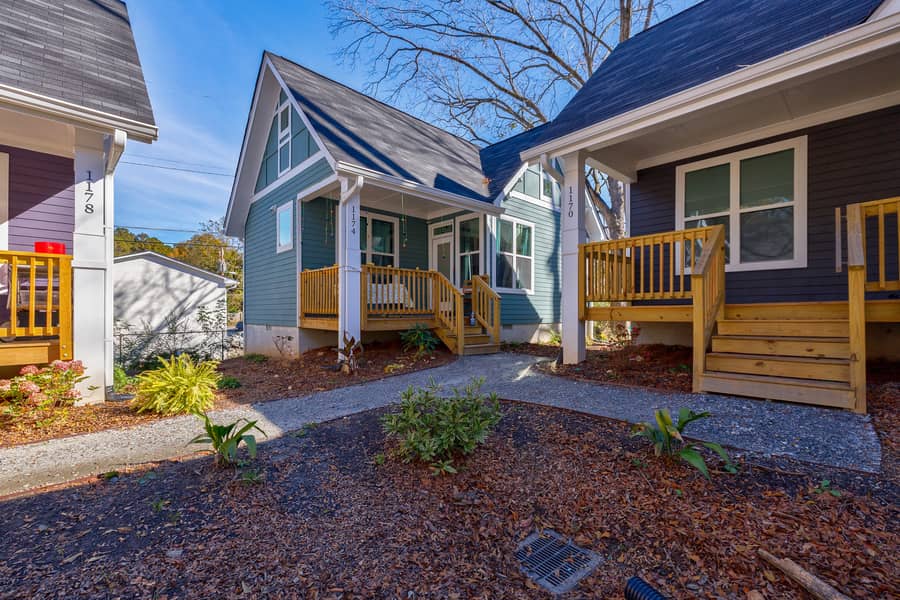
ADUs and backyard cottages. An accessory dwelling unit built on a foundation in a family member’s backyard can be the best of all worlds: a permanent, code-compliant small home with family close by for support, but full independence and privacy.
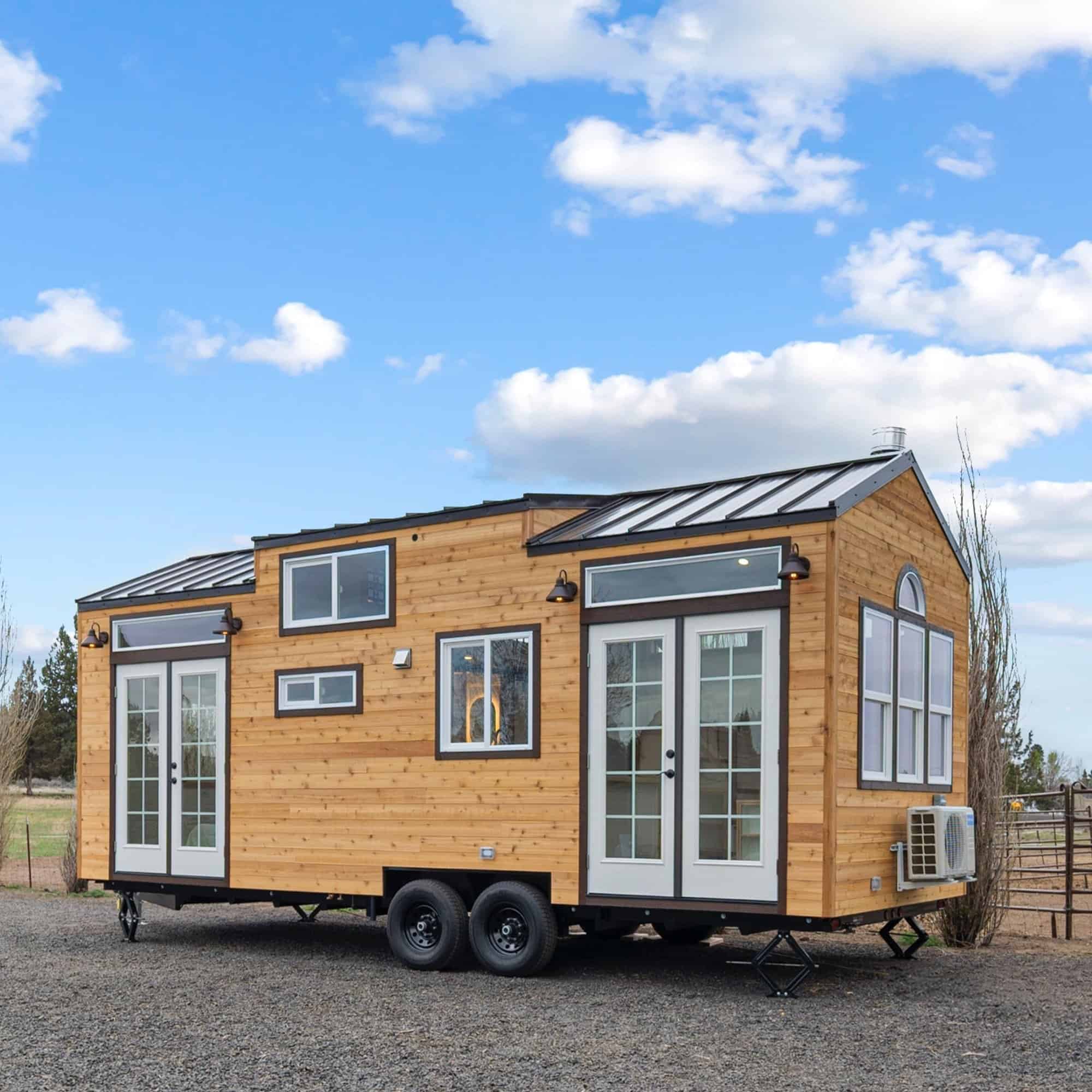
Tiny houses on wheels (THOWs). THOWs offer the most flexibility and the lowest property-tax exposure, and they are perfect for retirees who want to travel or aren’t ready to commit to one location. The trade-offs are tighter space, financing challenges, and the fact that they are classified as RVs in most places, which limits where you can legally live in one full-time.
Designing for Aging in Place
If there is one section of this guide to take to heart, it is this one. A tiny home that is delightful at 65 can become a trap at 80 if it isn’t designed with the future in mind. The good news is that thoughtful design costs little extra when planned from the start. A no-loft layout like the Eire proves you don’t have to sacrifice style to keep everything safely on one floor.
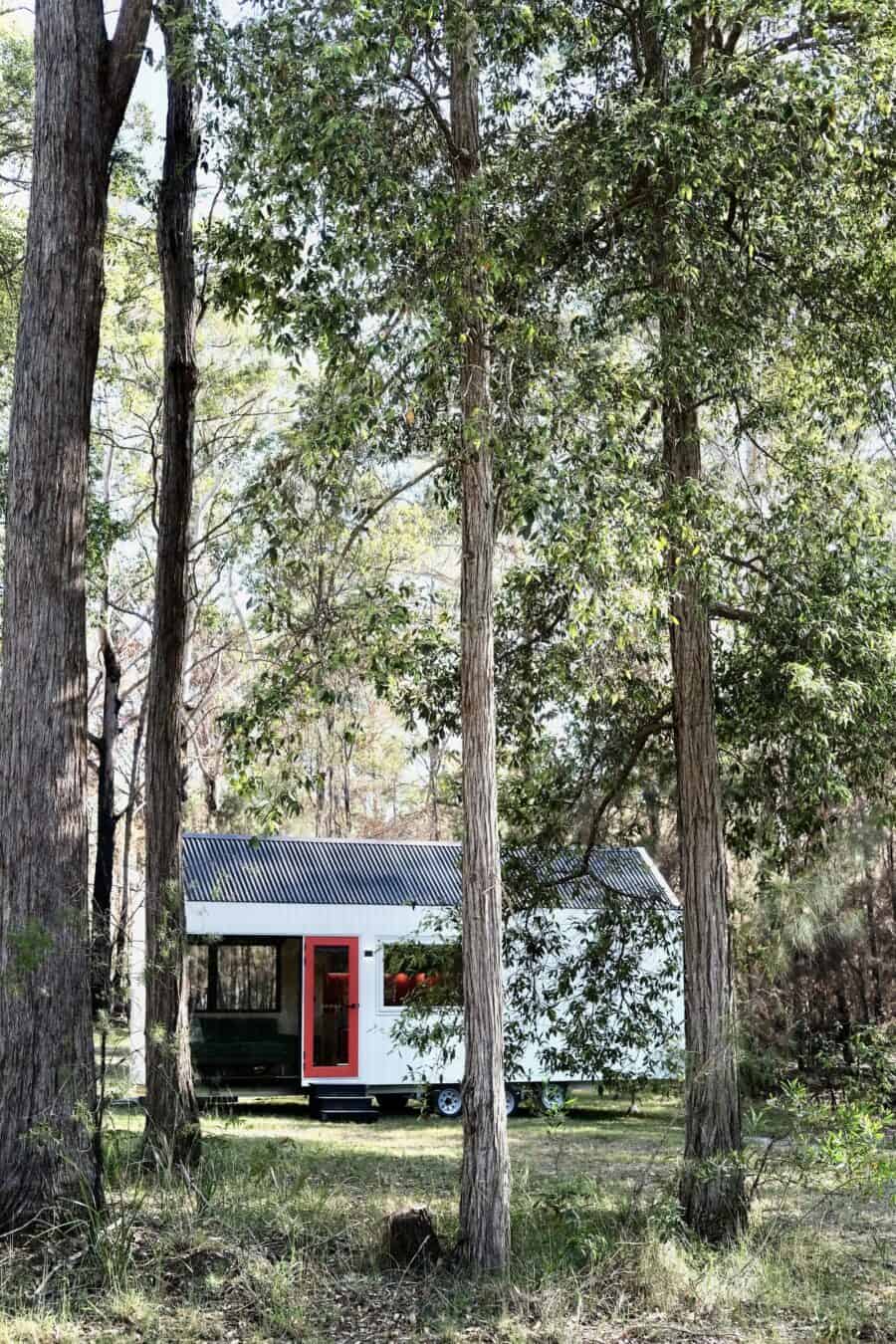
- Ground-floor sleeping. As covered above, prioritize a main-floor bedroom over a loft. This is non-negotiable for most people planning to stay put long term.
- Step-free or minimal-step entry. A gentle ramp or a single low step is far safer than a steep staircase up to the door. Many builders can add a ramp-ready entry.
- A walk-in or curbless shower. Skip the tub-step. A roll-in or low-threshold shower with a built-in bench and grab bars reduces one of the most common sources of household falls.
- Grab bars and blocking. Even if you don’t want grab bars now, ask the builder to add wood blocking behind bathroom and bedroom walls so bars can be installed easily later.
- Wider doorways and turning space. Doorways of 32 inches or more and an open floor plan leave room for a walker or wheelchair if they are ever needed.
- Lever handles and rocker switches. Lever door handles and faucets are far easier on arthritic hands than knobs, and rocker light switches beat tiny toggles.
- Good lighting. Generous, layered lighting and large windows reduce trip hazards and brighten a small space, which matters more as eyesight changes.
- Non-slip flooring. Choose flooring with traction and avoid loose rugs.
Designing for aging in place is not about making a home feel clinical. Done well, these features are invisible, and they mean the difference between a home you can enjoy for decades and one you outgrow in a few years.
Where Can You Actually Put It? Land and Zoning
This is the question that catches the most retirees off guard. The tiny house itself is often the easy part; finding a legal, comfortable place to live in it is the real challenge.
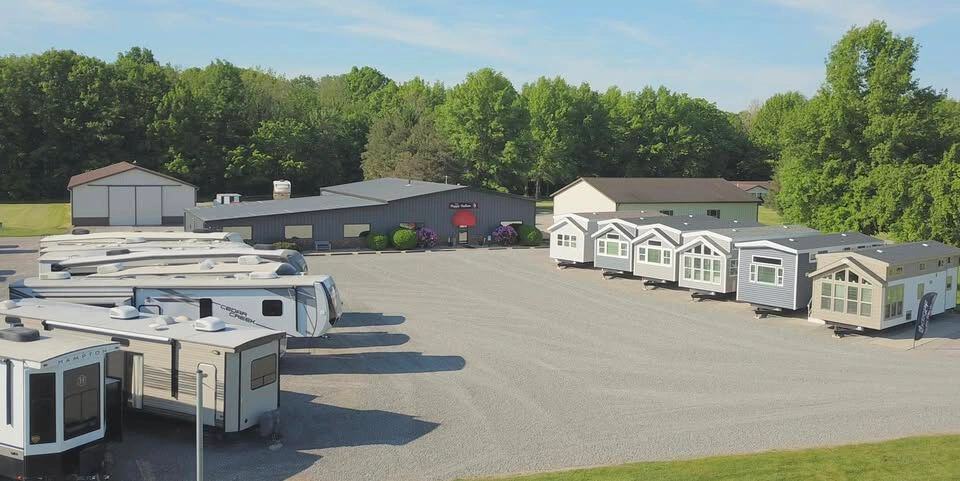
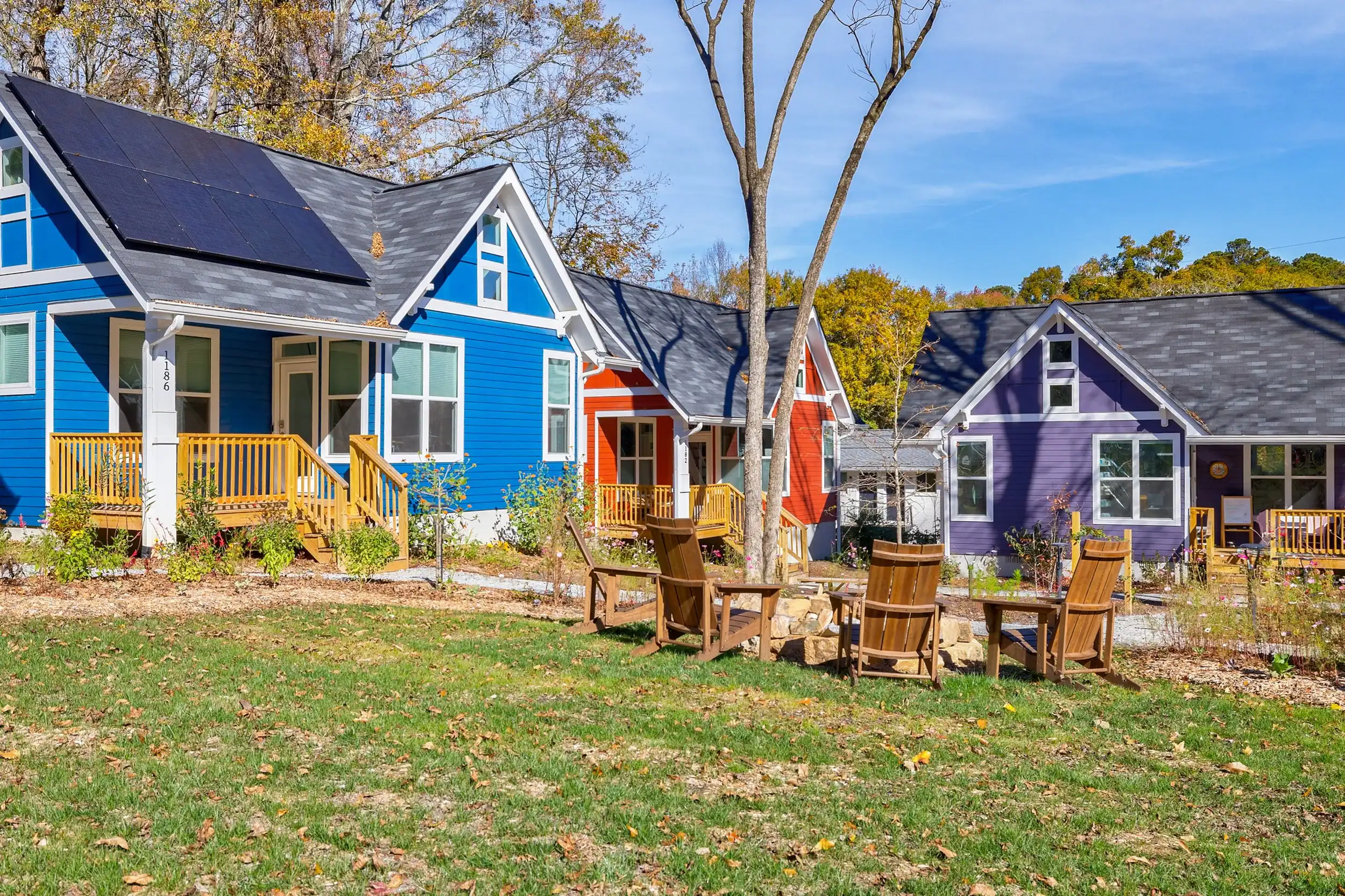
Tiny home and 55+ communities. A growing number of communities are built specifically for tiny homes, and some are age-restricted (55+) and designed around the needs of retirees. These offer lot leases, shared amenities, built-in social connection, and the reassurance that the zoning is already sorted out. For many retirees, this is the simplest and most pleasant path. Our roundup of the Best Tiny House Communities in the US is a great place to start your search.
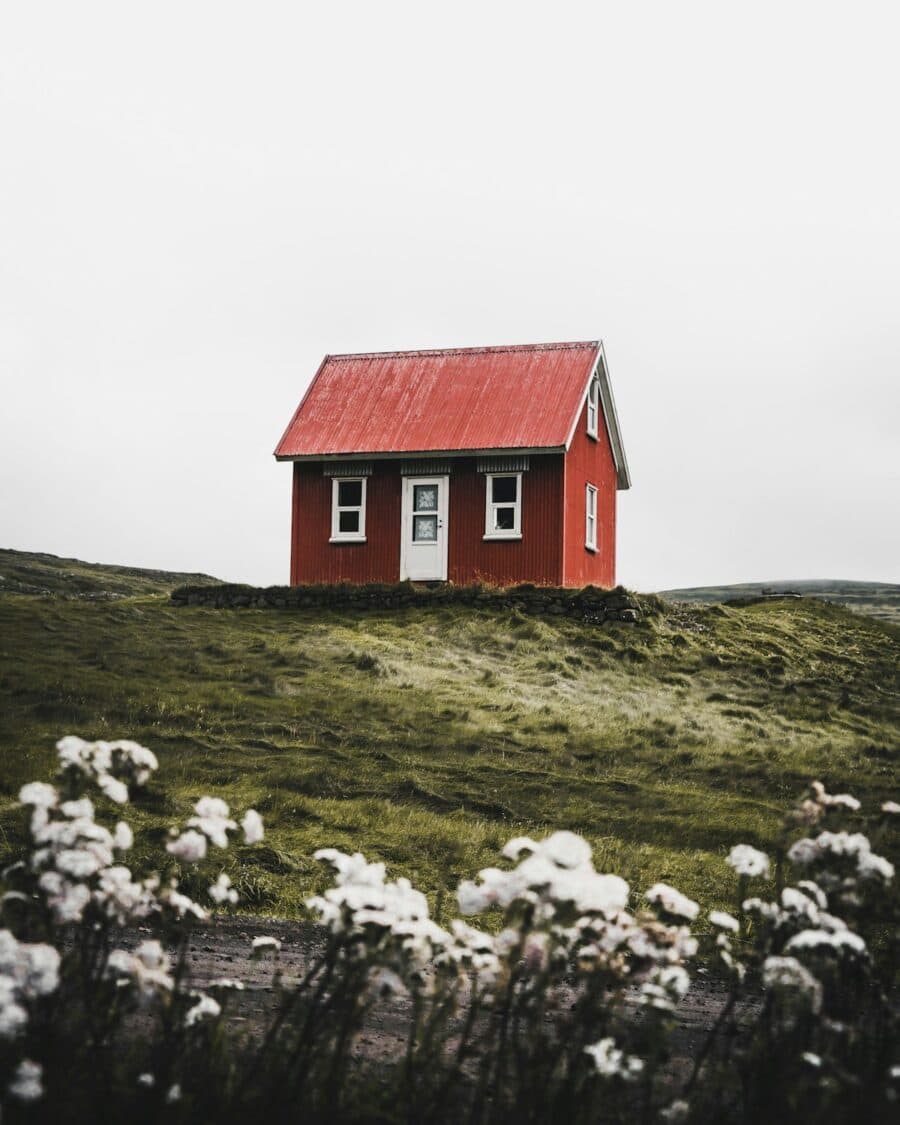
RV and park model resorts. Many RV resorts welcome park models and tiny homes on wheels for long-term or seasonal living, often in warm-weather states popular with retirees. A 400-square-foot community cottage lodge can feel remarkably like a permanent home.
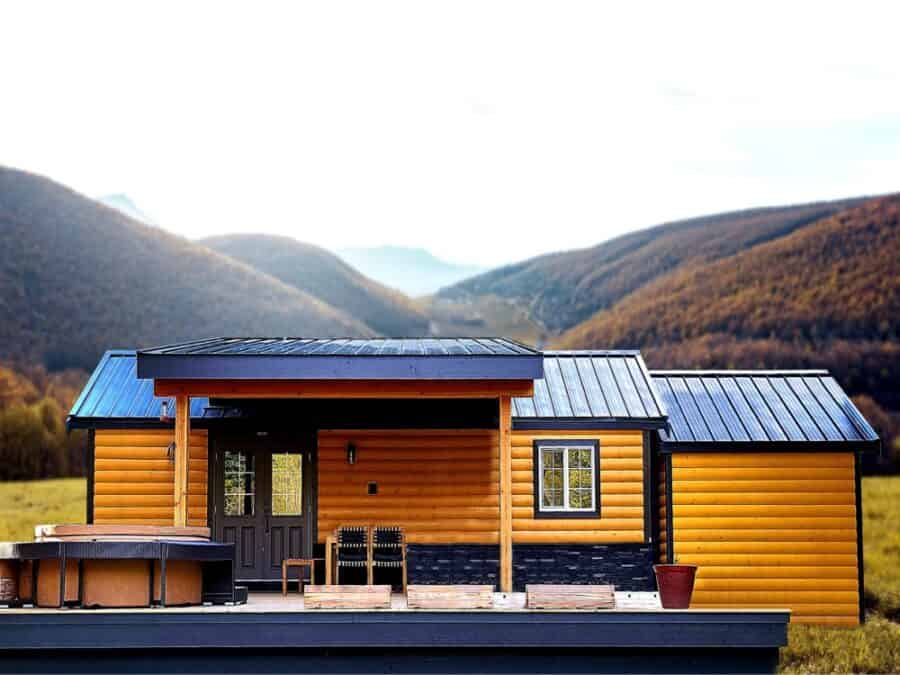
Your own land. Buying land gives you the most control but the most responsibility. You must confirm that local zoning allows a tiny home as a permanent residence, arrange utilities or off-grid systems, and handle permits. Rules vary wildly by county and even by parcel.
Family property and ADUs. Placing a tiny home or ADU on a family member’s land is increasingly popular and increasingly legal, as many states have loosened ADU rules. It keeps loved ones close while preserving independence.
The golden rule: verify the zoning before you buy anything. Call the local planning or zoning office, ask specifically about full-time residency in a tiny house or park model on the parcel you have in mind, and get the answer in writing if you can. Assumptions about zoning are the single most common source of expensive tiny house regret.
Healthcare and Practical Considerations
Retirement planning has to account for the years when health needs grow, and location plays a huge role here. Before committing to a spot, consider proximity to quality healthcare, specialists, and hospitals. A beautiful tiny home an hour from the nearest emergency room may not be the right choice for someone managing a chronic condition.
Think also about support networks. One of the strongest arguments for a tiny home in a family member’s backyard or in a dedicated community is that you are never truly alone. If a fall or illness occurs, help is close. Isolation is a genuine health risk in later life, and a connected living situation guards against it.
Finally, plan for the possibility that your needs may eventually exceed what a tiny home can provide. Having an exit strategy, whether that means a transition plan, nearby family, or an age-restricted community with care options, is part of responsible retirement planning.
Buying vs. Building
Most retirees are better served by buying from an established builder than by attempting a DIY build, though there are exceptions.
Buying from a professional builder gets you a finished, warrantied, code-aware home with accessibility features built in, and it spares you the considerable physical and logistical demands of construction. The trade-off is higher cost. Look for builders who specifically offer single-level or accessible designs, and ask to speak with past retiree customers.
Buying used can deliver a tremendous value, often at a steep discount to new. Inspect carefully for water damage, trailer or frame condition, and the quality of the original build, and bring in a professional inspector familiar with tiny homes if possible.
Building it yourself can cut costs dramatically and delivers a home tailored exactly to your needs, but it demands time, skill, tools, and stamina that not every retiree wants to commit. A middle path is hiring a builder to complete the shell and finishing the interior yourself, or working from professional plans.
Financing a Tiny Home in Retirement
Financing is one of the trickier aspects of tiny living, and it works differently than a traditional mortgage. Because many tiny homes are classified as RVs or personal property rather than real estate, conventional mortgages usually don’t apply.
Common options include RV loans (for certified tiny houses on wheels), personal loans, builder financing, and, for ADUs or foundation-built homes, traditional home equity products or construction loans. Retirees have one notable advantage here: many are selling a paid-off home and can pay cash, sidestepping financing entirely. Paying cash from home-sale proceeds is often the cleanest route and leaves you debt-free, which is exactly the position most people want to be in during retirement.
Whatever path you choose, build a realistic budget that includes not just the home but land or lot fees, utility hookups, delivery and setup, insurance, and a contingency fund. Tiny homes are cheaper than conventional houses, but they are not free to own.
The Art of Downsizing
Moving from a full-size house into a few hundred square feet is as much an emotional process as a logistical one, and it deserves time and patience. Decades of accumulated belongings cannot be sorted in a weekend.
Start early, well before your move date, and work room by room rather than trying to tackle everything at once. Sort possessions into keep, donate, sell, and give-to-family categories. Be especially thoughtful with sentimental items: photographs can be digitized, a few meaningful keepsakes can be displayed, and family heirlooms can be passed on now rather than stored.
Many retirees find the process surprisingly freeing once they are past the initial difficulty. Letting go of the burden of stuff is, for a lot of people, one of the unexpected joys of tiny living. The goal is not deprivation but intention: keeping what you love and use, and releasing the rest.
Pros and Cons at a Glance
The advantages are substantial: dramatically lower living costs, access to home equity, minimal maintenance, the freedom to live near family or travel, a smaller environmental footprint, and a simpler, less burdensome daily life. For the right person, these add up to a richer, less stressful retirement.
The drawbacks are real and worth respecting: limited space for hosting family or storing belongings, zoning and legal hurdles, financing complications, potential difficulty reselling, and the physical limitations of a small space if health declines and the home wasn’t designed for aging. Tiny living also isn’t ideal for couples who need significant personal space or retirees who frequently host overnight guests.
The deciding factor is usually honesty about your own temperament and needs. Tiny house retirement rewards people who genuinely value simplicity, flexibility, and lower costs over square footage and conventional homeownership.
Is a Tiny House Retirement Right for You?
Ask yourself a few honest questions. Do you crave less to maintain and lower monthly bills? Would freeing up your home equity meaningfully improve your retirement? Are you comfortable letting go of most of your belongings? Do you have a clear, legal place to put the home, near healthcare and the people you care about? And can you design or choose a home that will keep working for you as you age?
If you answered yes to most of these, a tiny house could be one of the best decisions of your retirement, offering a level of financial freedom and simplicity that a conventional home simply can’t match. If you hesitated on space, zoning, or aging in place, those are exactly the issues to resolve before you buy, not after.
Retirement is the chapter you spent a lifetime working toward. For a growing number of people, a thoughtfully chosen tiny home is the key that turns it into the freest, simplest, and most affordable years of their lives.
Highlights
- Tiny homes can sharply reduce retirement living costs and unlock the equity in a larger home.
- Prioritize single-level layouts with a ground-floor bedroom; avoid sleeping lofts and ladders.
- Build in aging-in-place features from the start: curbless showers, grab-bar blocking, wide doorways, and step-free entry.
- Verify zoning before buying anything; 55+ tiny home communities and ADUs on family land are often the simplest legal paths.
- Consider proximity to healthcare and a support network when choosing a location.
- Many retirees pay cash from a home sale, sidestepping the financing hurdles tiny homes can pose.
- Downsize early and intentionally, keeping what you love and use.
Related Stories
- Tiny Retirement: Single-Level Tiny House Plans
- Why People Downsize (It’s Not Just About Money)
- The Surya: A 32-Foot Single-Level Tiny House
- The Eire: A Clean-Lined Tiny House With No Loft
- 2026 Urban Gable Park: A Modern Single-Level Park Model
- Cascade Max: A 399 Sq. Ft. Modern Mountain Park Model
- Rolling Bear’s Black Bear: A 400 Sq Ft Community Cottage Lodge
- Best Tiny House Communities in the US
Disclosure: This post may contain affiliate links. If you purchase through one of our links, we may earn a commission at no additional cost to you.


Alex
Latest posts by Alex (see all)
- A Hotel Designer’s 484 Sq Ft Milan Apartment with a Rotating Room Divider - October 9, 2026
- Hermosa Orchards Village: A Durango Tiny Home Community with Its Own Fruit Orchard - October 9, 2026
- The Sanctuary Minnesota: A Tiny House Village on 80 Acres of Woods - October 9, 2026