Disclosure: This post may contain affiliate links. If you purchase through one of our links, we may earn a commission at no additional cost to you.
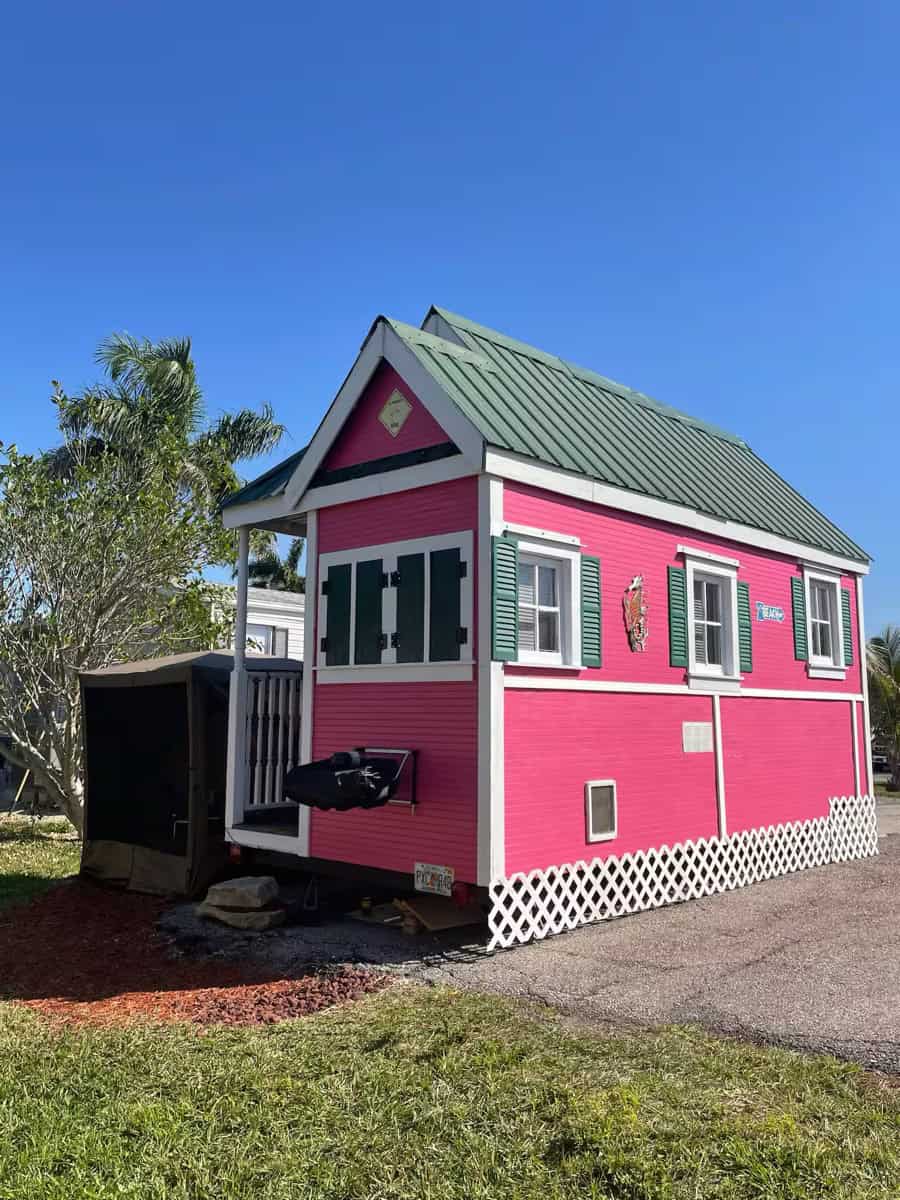
A website recently advertised a tiny home called the “Nurses Model” for $18,000. A reverse image search traced the photo back to its real owner: Movable Roots, a builder in Melbourne, Florida. The home in that photo is actually called The Cat House, and it retails for $165,000.
That listing wasn’t a bargain. It was bait. And according to a News 6 investigation by Louis Bolden, it’s part of a wave of tiny house fraud that’s costing would-be buyers thousands of dollars each.
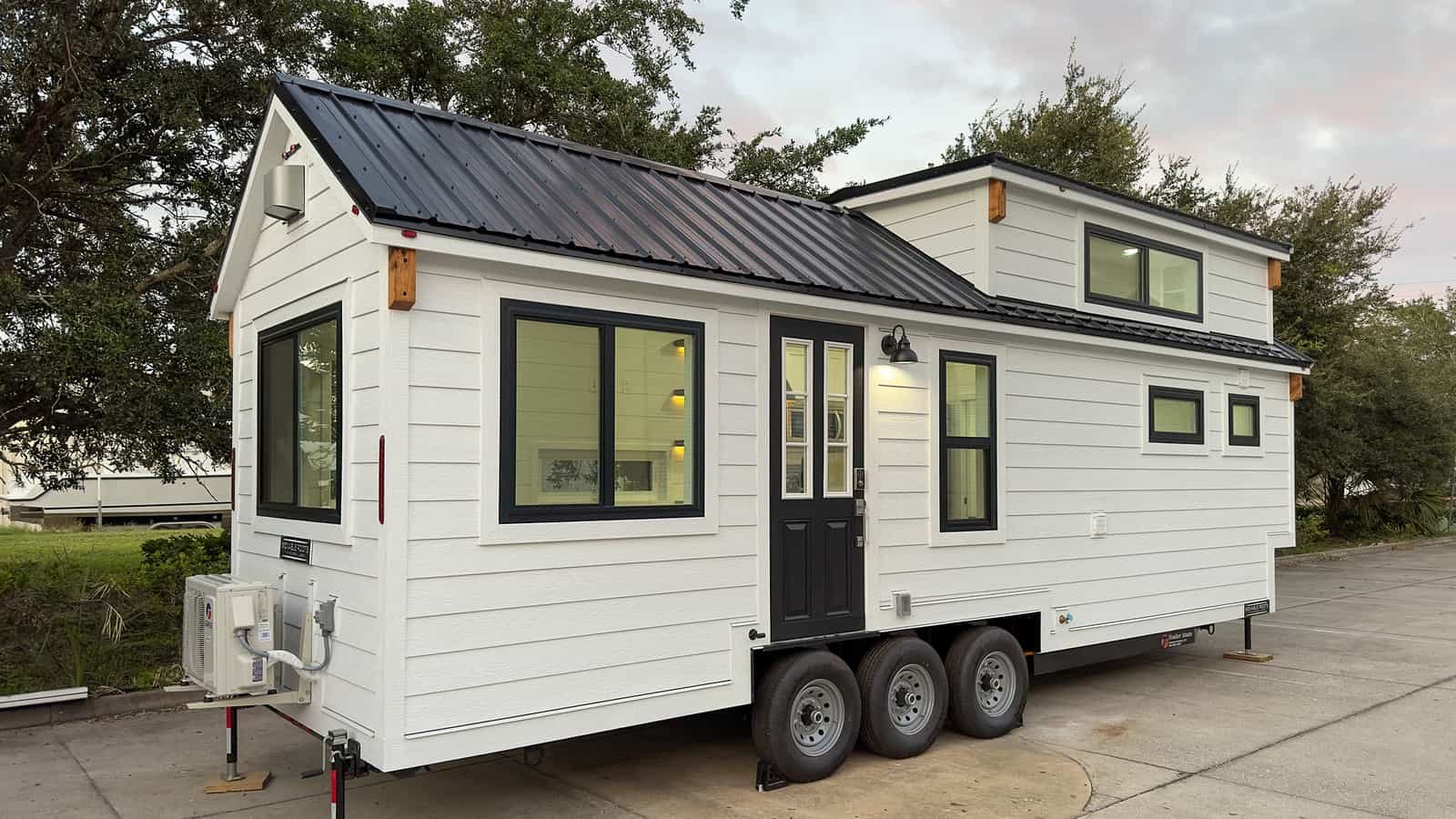
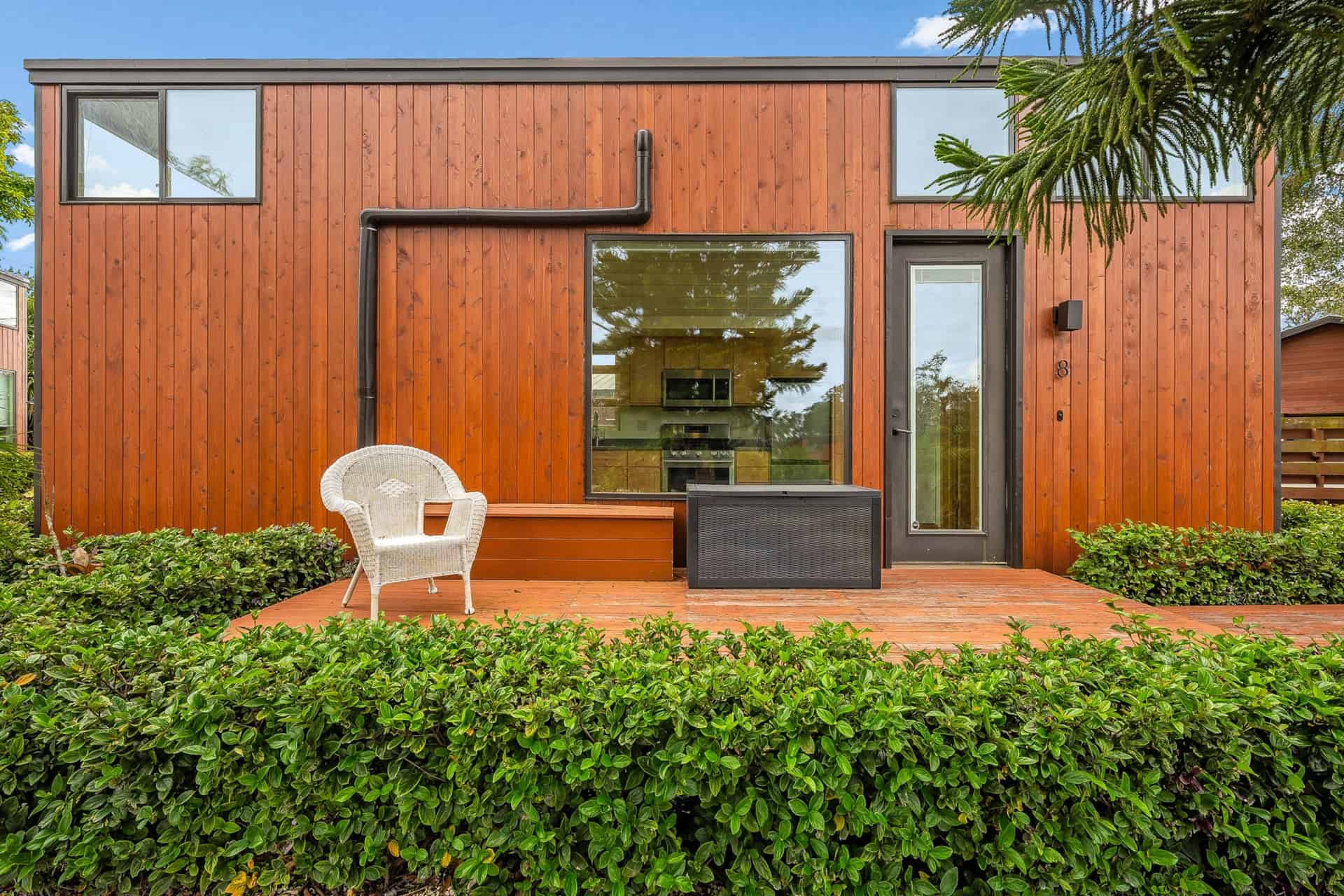
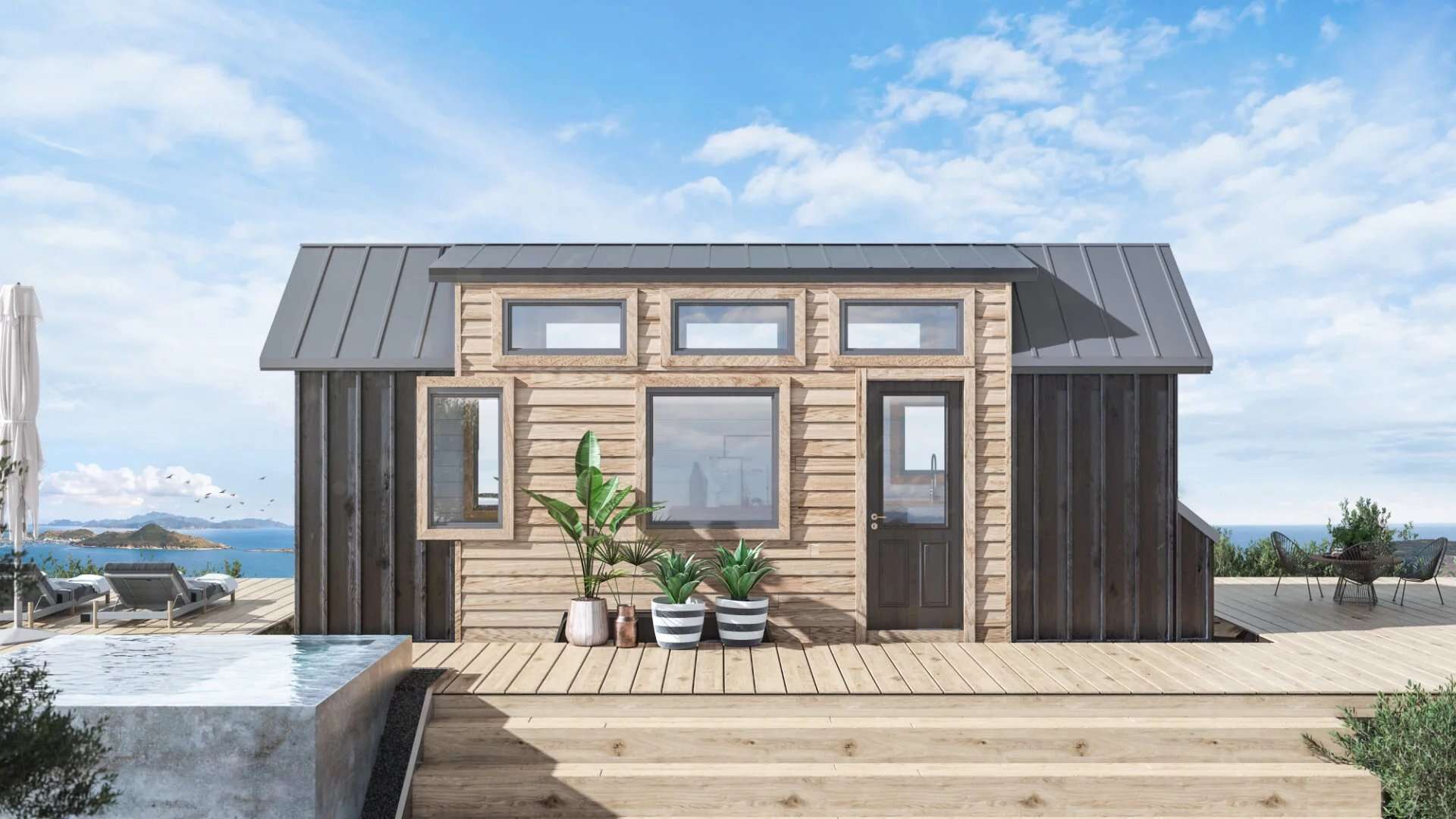
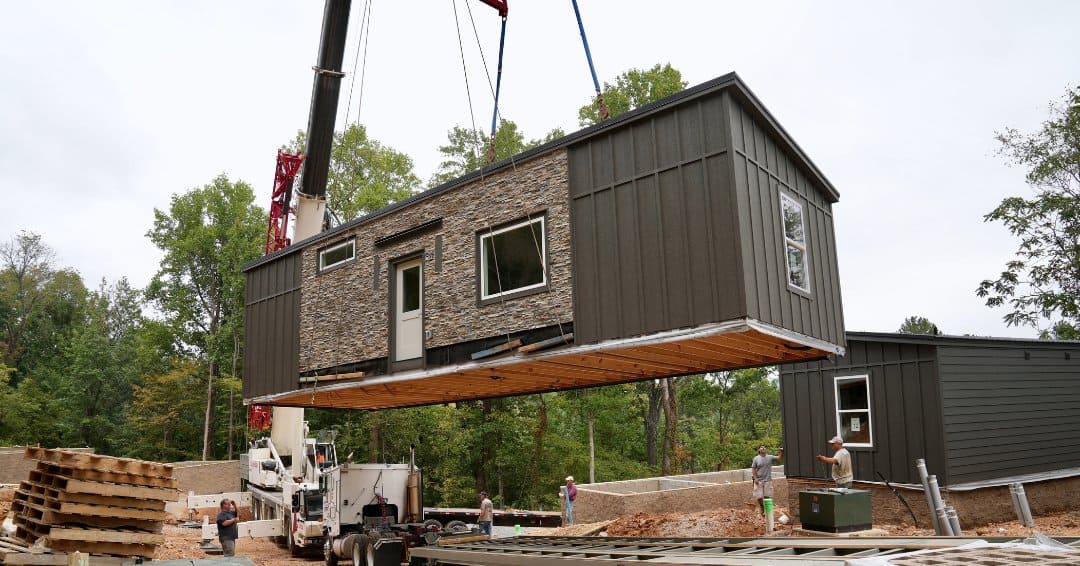
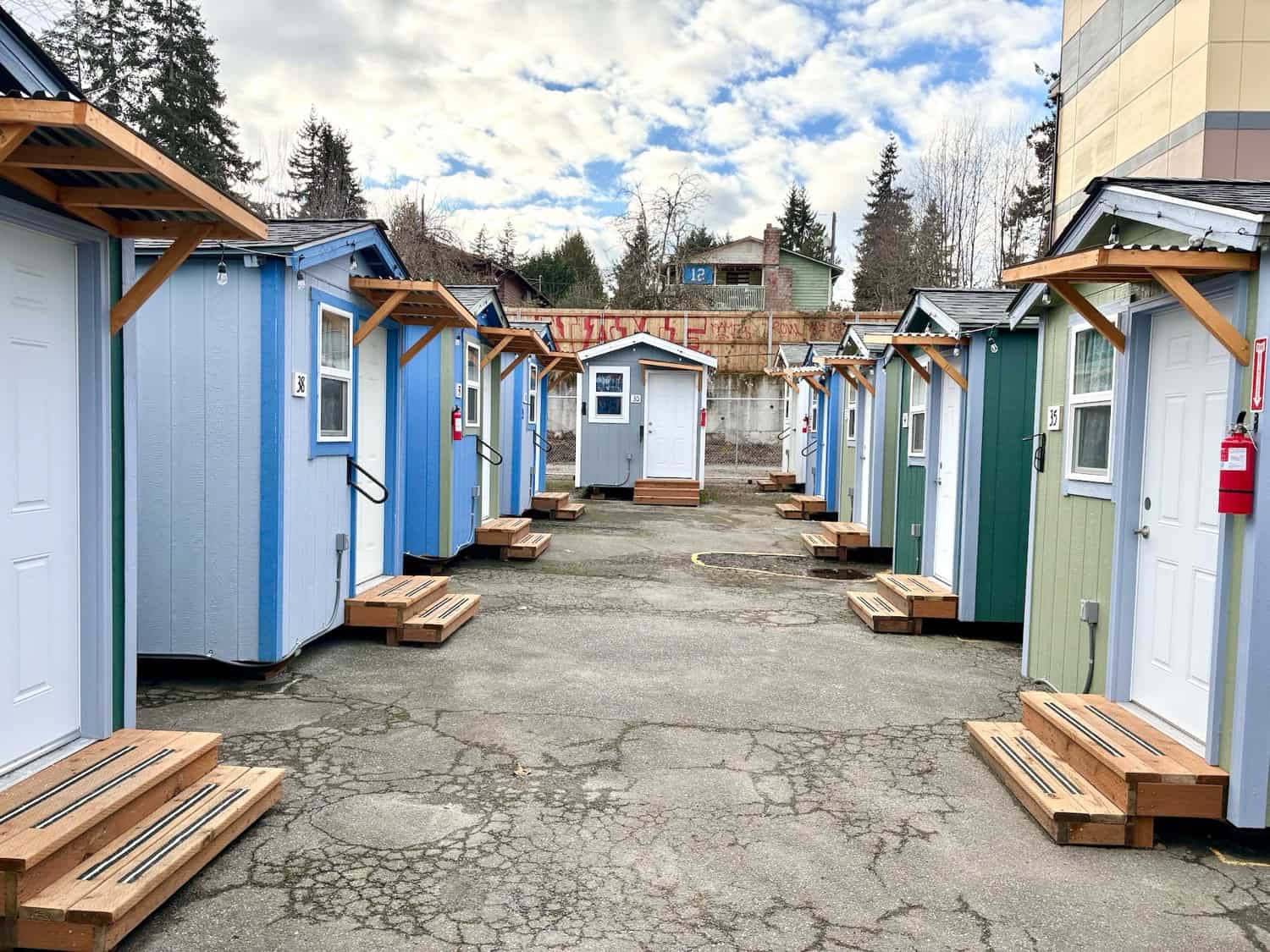
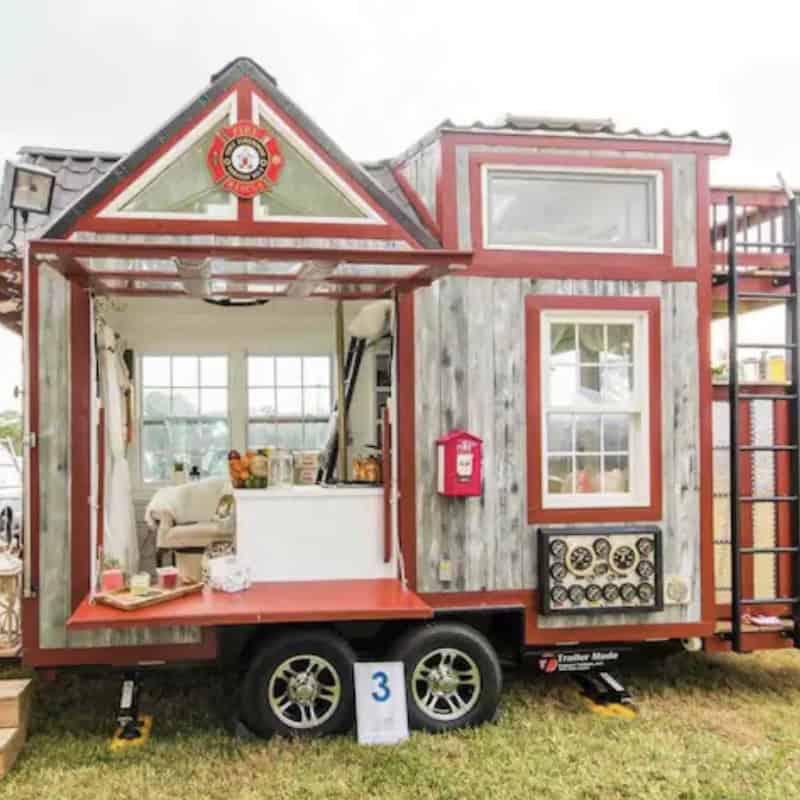
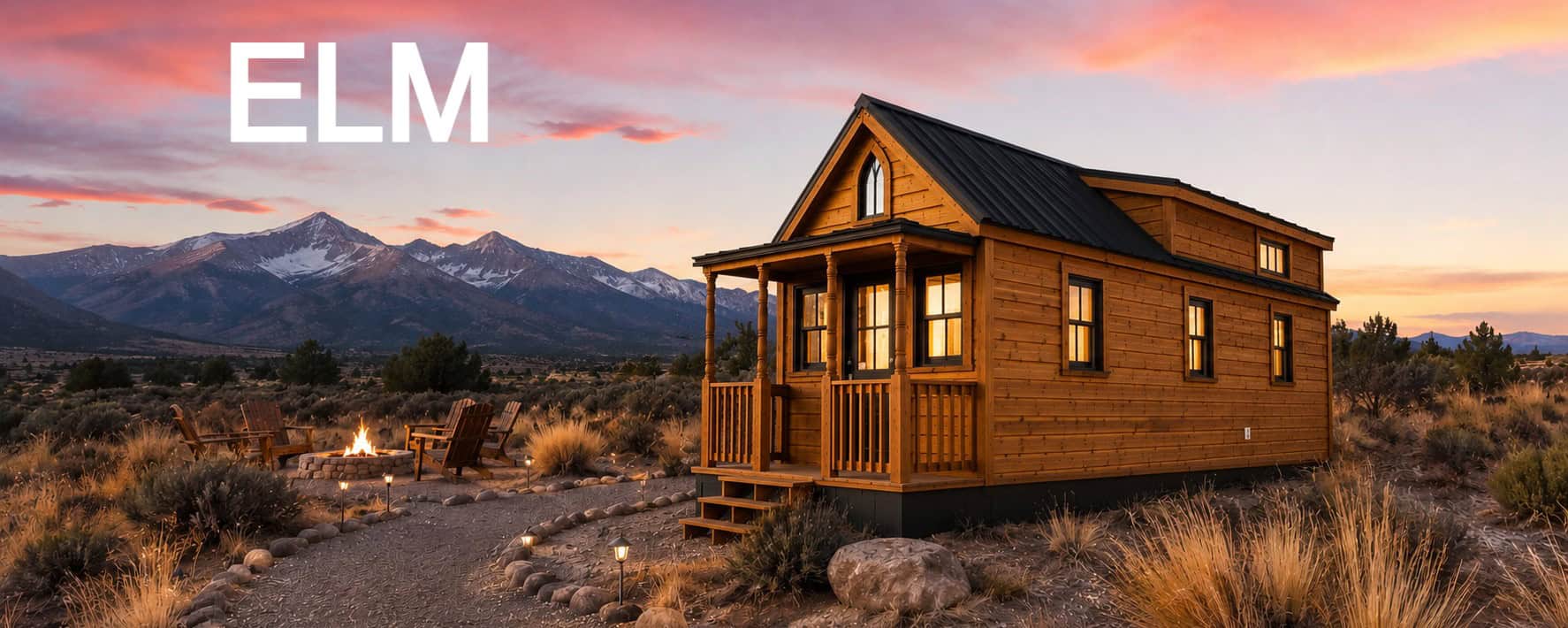
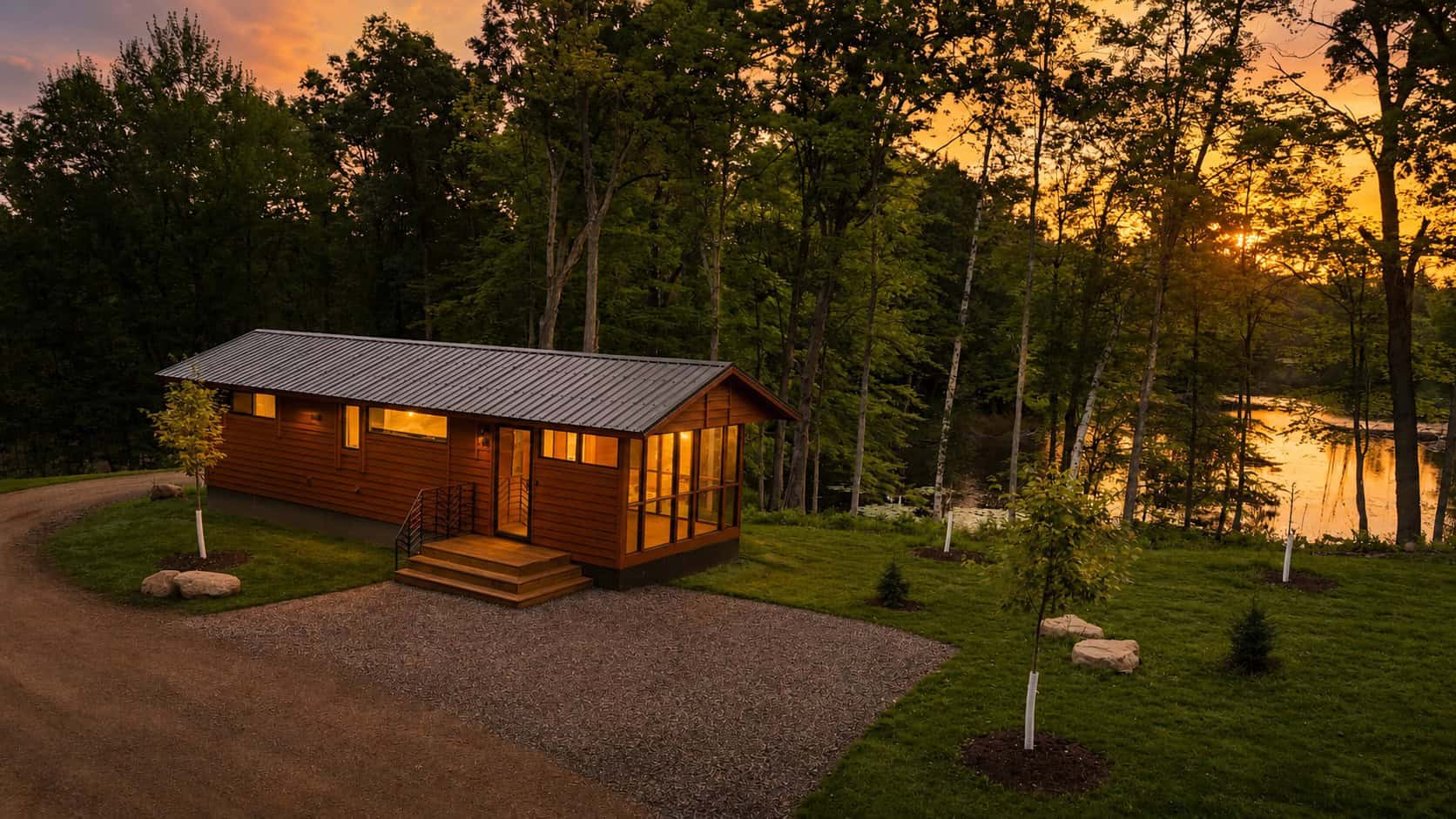
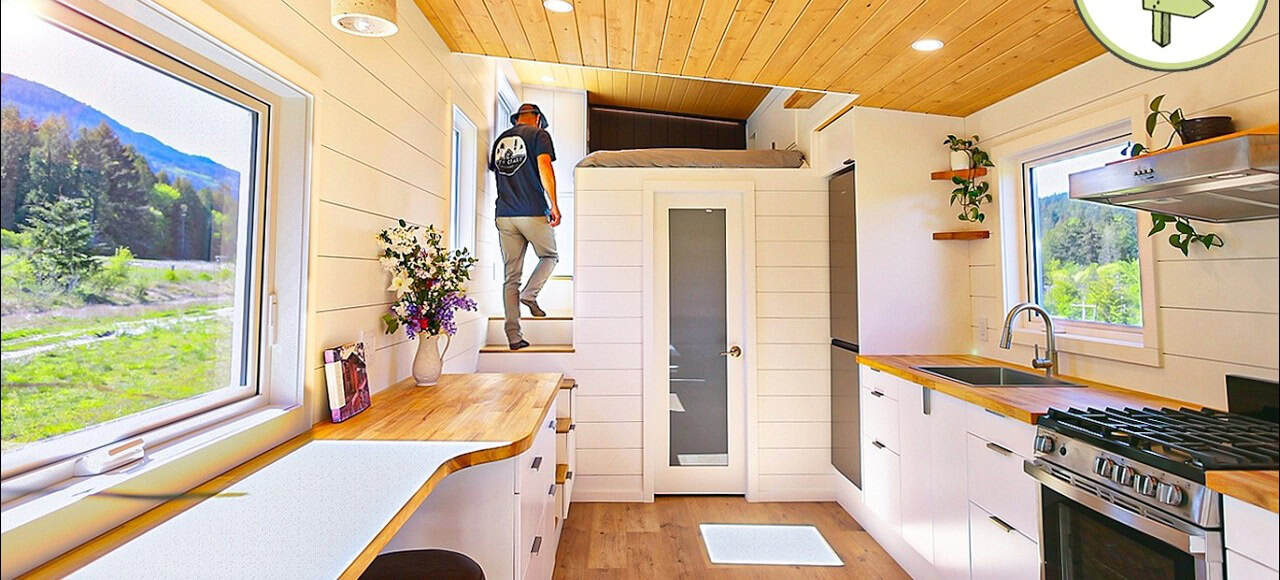
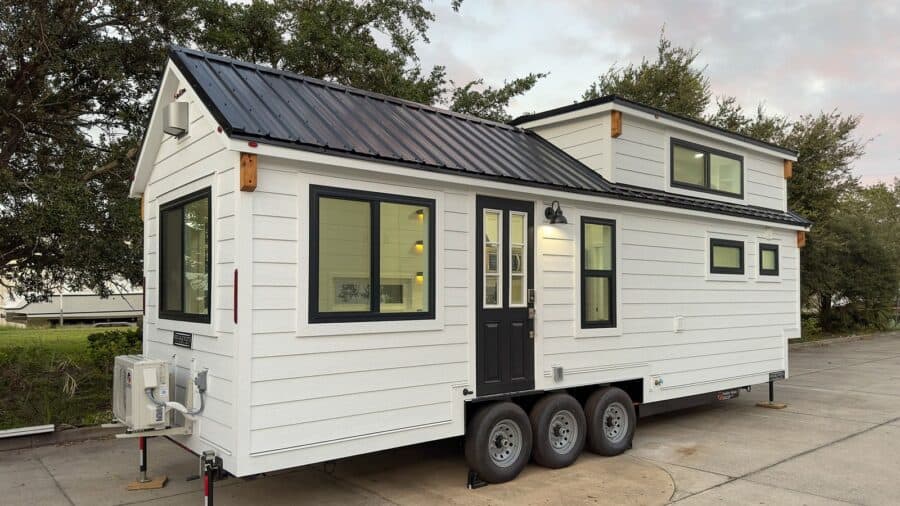
A genuine Movable Roots build. Photos of real homes like this one are exactly what scammers steal for fake listings. Images courtesy of Movable Roots.
First, To Be Completely Clear: Movable Roots Is the Victim Here
This is important enough to say before anything else. Movable Roots has done nothing wrong. They’re a legitimate Melbourne, Florida manufacturer that has been building custom modular homes, ADUs, park model RVs and tiny homes on wheels for about a decade. We’ve featured their work here before.
Their only role in this story is that they build homes attractive enough that criminals keep stealing the photos. If you came across this article searching their name, they’re the company being impersonated, not the one doing the impersonating.
“They’re taking advantage of people not doing their due diligence,” Mike Cheatham of Movable Roots told News 6.
How the Scam Actually Works
The mechanics are simple, which is exactly why it keeps working:
- Steal the photos. Scammers lift professional images from real builders’ websites and social media.
- Post them cheap. The stolen photos go up on Facebook Marketplace and on purpose-built fake websites, priced at a fraction of the real value.
- Ask for a deposit. Once a buyer bites, the “company” requests a deposit to hold the build.
- Disappear. There is no home. There was never a home.
Nikki Cheatham, the company’s Chief Marketing Officer, described the pricing gap to News 6: “This one is $129,000, and they will advertise it for like $40,000 and then people will be like oh my gosh, I can do that and they’ll say just a deposit for $5,000, and they will send them that $5,000 and they will never see the house.”
Roughly a third of the real price is the sweet spot. Low enough to feel like the deal of a lifetime, high enough not to seem impossible.
Asked why fraud has picked up, Mike Cheatham pointed at the obvious culprit, though he was careful not to overstate it: “I’m not really sure. I believe it has to do with the housing crisis, right?”
That tracks. The same affordability squeeze that makes tiny houses appealing is what makes a too-good-to-be-true price tag so hard to walk away from.
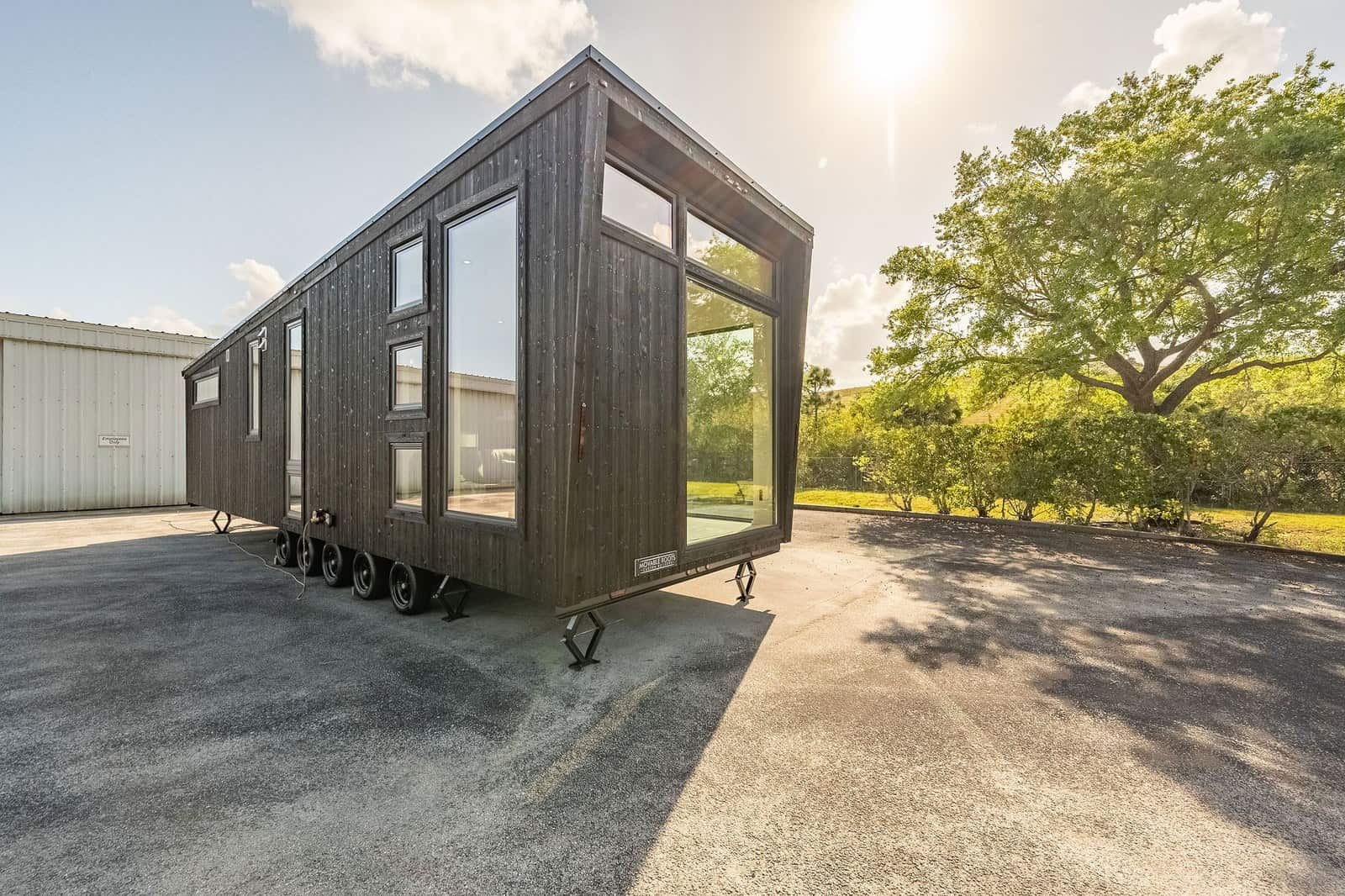
Image courtesy of Movable Roots
What It Costs Real People
In a related case News 6 reported in March, a woman named Kayla Morgan found a tiny home listing online and picked out a two-bedroom, one-bath model. She was contacted by a man who identified himself as Ian St. Clair and said he owned a company called Tiny Homes USA.
“He seemed like a decent guy,” Morgan said.
An invoice shown to News 6 put the total price at $52,000 with a $13,000 down payment. Volusia County detectives say Morgan then made two more payments of $6,500 each. The house was never delivered. She and her son have been living in hotels since.
“That is a gut-wrenching hurt,” Morgan said. “Because I mean not only does it hurt me, but it hurts my son.”
The Volusia County Sheriff’s Office arrested the man named in the affidavit. Detectives say his real name is Ian Stewart, and he was booked on charges including fraud and grand theft. News 6 reported that court records show a prior 2014 sentence of six years for a mortgage fraud scheme, and that he remains on probation in that case. Stewart has pleaded not guilty to the current charges, and News 6 reported it did not hear back from his attorney. Charges are accusations, not convictions.
Here is the News 6 report on that case:
Morgan’s case isn’t an outlier. Tiny house fraud happens often enough that buyers have organized against it — there’s a Facebook group whose entire purpose is naming the sellers doing this, and an industry nonprofit that fields reports. Both are worth knowing about before you shop, and they’re linked in the next section.
Red Flags in a Tiny House Listing
Pulled from the News 6 reporting and from what the Movable Roots team flagged:
- The price is roughly a third of comparable builds. This is the single loudest signal. Real tiny homes from real builders cost real money.
- No phone number. The fake “Nurses Model” listing gave only a Gmail address.
- A free email domain. An established manufacturer has email at its own domain, not a generic Gmail account.
- An address that doesn’t match anything. That listing claimed an Alabama address with no other verifiable presence.
- They won’t do a live walkthrough. Cheatham called this a major warning sign. A real builder will happily video-call you from inside the actual home.
- Pressure to send a deposit fast. Urgency is the oldest tool in the box.
- The listing lives only on Facebook Marketplace or a site that appeared recently with no history behind it.
How to Verify a Builder Before You Send Any Money
None of this is complicated. It just takes twenty minutes that a scammer is counting on you skipping.
- Reverse image search every photo. Drop the listing images into Google Images or TinEye. This is exactly how News 6 unmasked the $18,000 listing. If the photos belong to a different company, you’re done — walk away.
- Insist on a live video walkthrough of the specific home, in real time, where you get to say what to point the camera at. Pre-recorded footage proves nothing; it can be stolen too.
- Call the phone number. An actual human at an actual shop should answer.
- Check the business registration. Most states have a free searchable database of registered businesses. Confirm the company exists, and that it has existed for longer than a few weeks.
- Look up the physical address on satellite and street view. Is there a manufacturing facility there, or a vacant lot?
- Search the company name with words like “scam,” “review,” and “complaint.”
- Visit in person if you possibly can. For a purchase this size, a day trip is cheap insurance.
- Cross-check against the builder’s official site. If a listing claims to be a known company, go to that company’s real website yourself — typed in directly, not clicked from the ad — and ask them if the listing is theirs.
Where to Check Before You Buy
A few community resources exist specifically for this, and they’re free:
- Tiny Home Sales List of Known Scammers — the Facebook group News 6 referenced. It’s a private group of around 700 members, so you’ll need to request to join, and it exists to call out tiny home sellers who take deposits with no contract. Search the seller’s name there before you send anything.
- Tiny House Alliance USA — a 501(c)(3) nonprofit that publishes a fraudster-spotting guide and takes reports of suspicious sellers. Their red flags line up with everything above: prices too good to be true, other builders’ photos, “DM me on Facebook” instead of a real website, and a brand-new profile claiming years in business.
- Movable Roots’ own scam warning — written by the builder being impersonated, so they know the pattern better than anyone. Their advice: contact the builder through official channels to confirm a listing is real, ask for a facility tour or live video walkthrough, reverse image search the photos, and report fake listings to Facebook.
One caution on the scammer list: it’s community-maintained, not verified or adjudicated. A name on it is a reason to dig much harder, and an absence from it proves nothing — new fake accounts appear constantly. Use it as one input, not a verdict.
Pay in a Way You Can Reverse
This is the part that decides whether a bad outcome is a headache or a catastrophe.
Wire transfers, Zelle, Cash App, Venmo, gift cards and cryptocurrency are effectively irreversible. Once that money is gone, it’s gone, and scammers ask for these methods precisely because of that. A credit card, by contrast, gives you chargeback rights. For larger sums, a licensed escrow service holds the funds until the home actually exists.
If someone selling you a five-figure home insists on a payment method with no recourse, that alone is enough reason to stop.
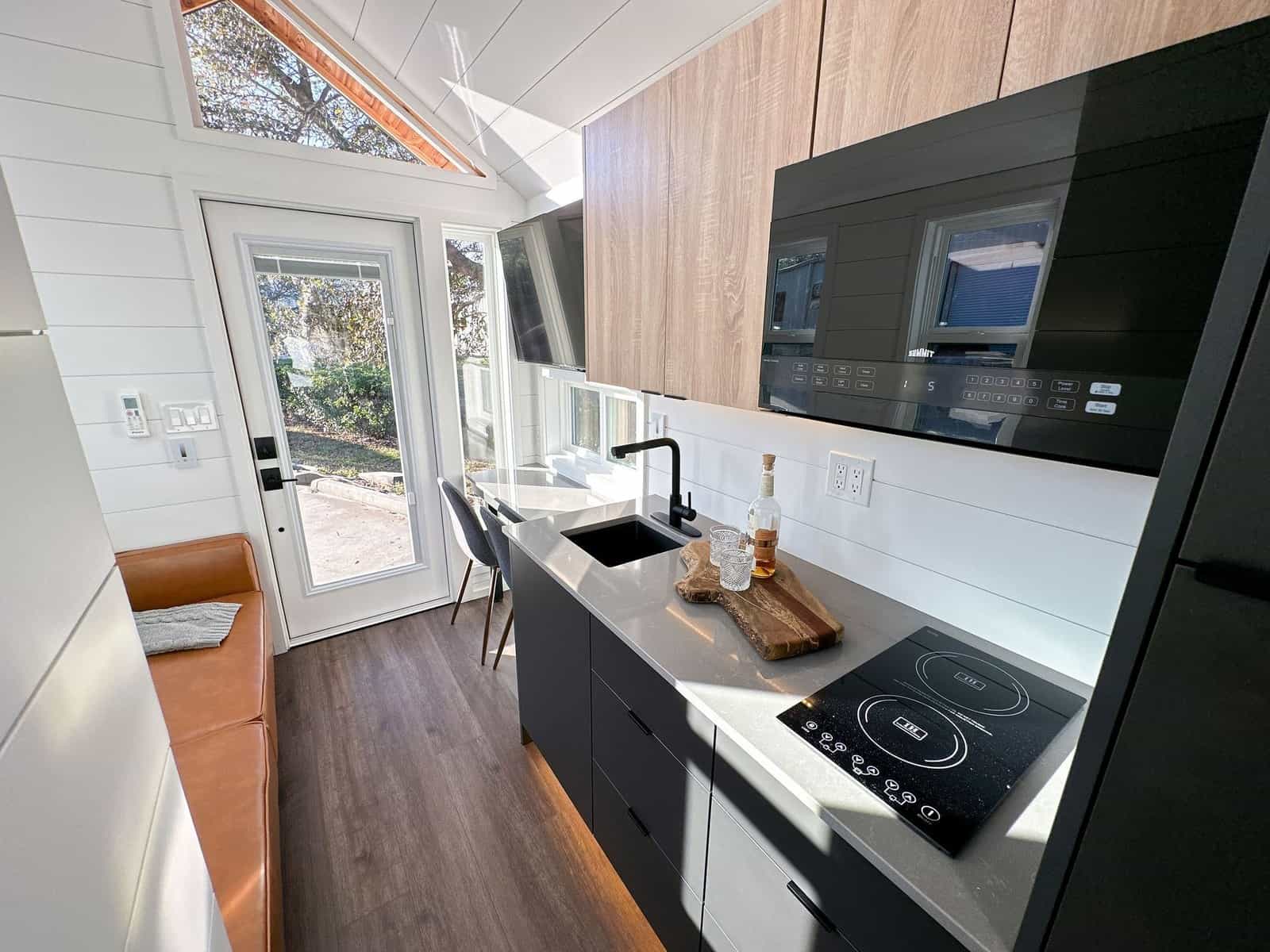
Image courtesy of Movable Roots
If You’ve Already Been Scammed
It’s worth reporting even when it feels hopeless — patterns across multiple complaints are often what makes a case.
- Your local sheriff’s office or police department. The arrest in Morgan’s case came from a county sheriff’s investigation.
- The FBI’s Internet Crime Complaint Center at ic3.gov, since these scams cross state lines.
- The FTC at reportfraud.ftc.gov.
- Your state attorney general’s consumer protection division.
- Your bank or card issuer immediately. Speed matters — some transfers can still be recalled within a narrow window.
- The real builder whose photos were stolen. They want to know, and they may already be tracking the fake accounts.
Highlights
- Scammers are stealing photos from real tiny house builders and reposting them as fake listings
- A fake “$18,000” listing turned out to be a $165,000 Movable Roots home called The Cat House
- Movable Roots is the company being impersonated — they are a victim in this, not a participant
- Typical pattern: advertise at about a third of the real price, collect a deposit around $5,000, vanish
- One Florida buyer paid $26,000 toward a $52,000 home that never arrived; an arrest followed and the case is pending
- Biggest red flags: no phone number, Gmail-only contact, mismatched address, refusal to do a live walkthrough
- Reverse image search is the single fastest way to expose a fake listing
- Never pay by wire, Zelle, gift card or crypto — those payments can’t be clawed back
- A private Facebook group, “Tiny Home Sales List of Known Scammers,” and the nonprofit Tiny House Alliance USA both track these sellers
Source and Further Reading
- Tiny house fraud targets Melbourne manufacturer; homebuyers losing thousands — Louis Bolden, News 6 / ClickOrlando, April 28, 2026
- Woman says tiny home not delivered; Orlando man arrested — News 6 / ClickOrlando, March 3, 2026
- Movable Roots — the real builder, Melbourne, Florida
- Tiny House Alliance USA — nonprofit industry advocacy and consumer-protection resources
- Have You Seen A Tiny Home Scam? — The Tiny Life’s buyer-side checklist for separating real sellers from fake ones
Explore more: News · Tiny House Builders · Guides · Best Tiny House Builders Guide
Have you run into a fake tiny house listing, or had a close call? Tell us in the comments — what tipped you off? The more specific the warning signs we collect here, the more people we keep from losing their savings.
Subscribe to our Newsletters:
Join the Tiny House Newsletter => https://tinyhousetalk.com/tinyhousenewsletter
Join The Small House Newsletter => https://tinyhousetalk.com/small-house-newsletter/
Join Our Tiny Houses For Sale Newsletter => http://tinyhousetalk.com/tiny-houses-for-sale-newsletter
Disclosure: This post may contain affiliate links. If you purchase through one of our links, we may earn a commission at no additional cost to you.


Alex
Latest posts by Alex (see all)
- Deer Valley Fawn: A White Farmhouse-Style HUD Tiny Home with a Covered Porch - October 11, 2026
- Deer Valley Fawn Unlimited: A HUD-Certified 540 Sq Ft Tiny Home with a Vaulted Kitchen - October 11, 2026
- Great Outdoor Cottages Bayview 300: A Park Model with a Glass-Walled Rooftop Deck - October 11, 2026