
Disclosure: This post may contain affiliate links. If you purchase through one of our links, we may earn a commission at no additional cost to you.
The Going Tiny Series, Part 34 of 45 · Guide 4 of 5: Bringing Them On Board
A free chapter goes up every day. See every part. Rather have it all at once, with printable worksheets? Get the Going Tiny Toolkit.
Sometimes the reluctant person isn’t in your house at all. It’s a mother-in-law, a brother, the friends from church, or the neighbors. And sometimes your partner’s hesitation is really about them: “What would my family think?”
When “what will people think?” is the real objection
This concern is about respect and belonging. It’s not shallow. Most of us care how the people we love see us. A few ways to approach it:
- Ask whose opinion matters most. Usually it’s two or three specific people, not “everyone.”
- Talk about how you’d describe it. “We downsized to a small cottage so we could retire early and travel” lands differently than “we’re moving into a tiny house.” Both can be true. Choose the words that feel honest and comfortable to your partner.
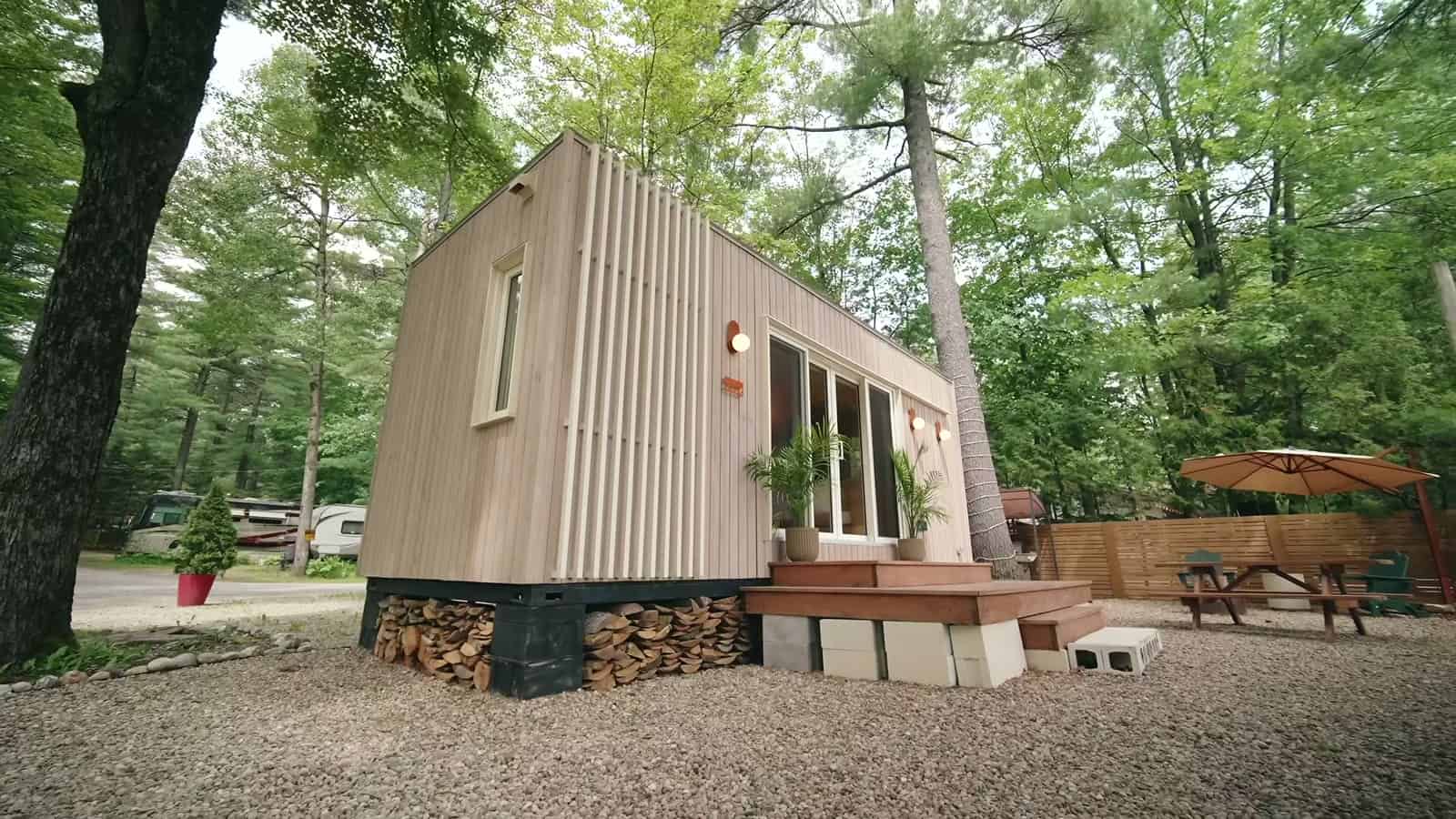
- Let quality speak. A well-built small house or cottage, nicely finished, often changes minds in one visit.
- Invite skeptics to try it. If you have a guest cabin or rent a tiny house for a weekend, invite the doubtful relative to come along or visit.
- Accept that some people won’t get it. That’s okay. Your partner’s comfort matters more than winning over every relative.
Handling advice and opinions
Once you start talking about living smaller, people will have opinions. Some short, kind responses you can use:
- “We’re still exploring. Nothing’s decided.”
- “You might be right about that. It’s one of the things we’re thinking through.”
- “We’ve thought about the money side pretty carefully, but I appreciate you looking out for us.”
- “Come see it when we’ve figured it out. I’d love to show you.”
Agree with your partner ahead of time on what you’ll share with family and when. Nothing undermines trust faster than one partner hearing about “our plans” from their own sister.
Want to do this on paper?
The printable PDF of Bringing Them On Board has fill-in worksheets for this step, including:
- Our Values & Dreams
- The Objection Decoder
- Where Are We Each on the Spectrum?
They come with all five guides in the Going Tiny Toolkit.
Caregiving and family obligations
Some readers can’t move because someone depends on them: aging parents, a disabled family member, grandchildren they help raise, or adult kids with a new baby. One reader’s girlfriend had made a commitment to move in and help with two children and a grandbaby. Those obligations are real, and they deserve respect in the plan, not resentment.
- Name the obligation and its likely timeline, even if it’s uncertain.
- Look for small options near the people you care for. A backyard cottage on a family member’s property, where allowed, can let you live small and stay close.
- Plan for the caregiver’s own needs. Caregivers need rest and privacy too; a small home shouldn’t make that harder.
- Separate “not now” from “never.” Many caregiving seasons end. A plan that starts after can still be a good plan.
A real home from Tiny House Talk

Photo courtesy of Janet
Janet's small home in her son's backyard
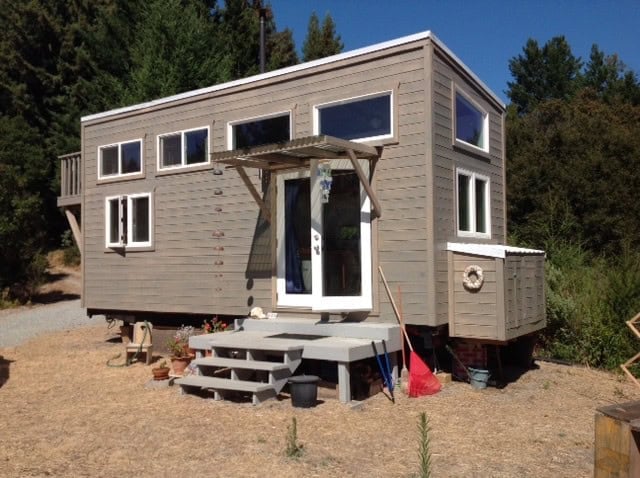
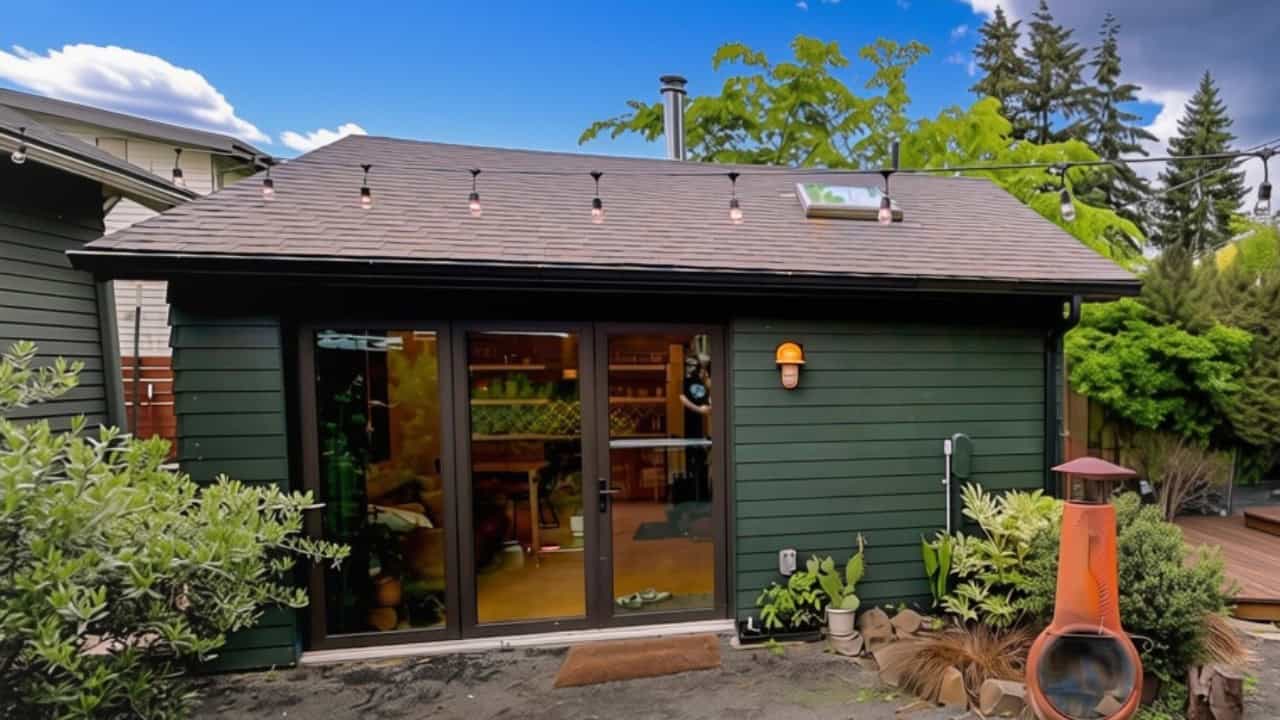
Living small can mean living close. Janet, 75, moved into a 320-square-foot home her son and his wife built in their yard in Danville, Kentucky, once local rules allowed ADUs. She's two steps from them and her two teenage granddaughters, cooks family meals about twice a week, and still has plenty of privacy.
Jobs and timelines
A reader named Joe wrote that his wife had about two and a half years left as a teacher, and that it’s hard to move somewhere remote and still teach. That’s a common situation: one partner’s job or pension anchors you to a place for a while.
Rather than treating the job as an obstacle, build the plan around it:
- Simplify and declutter now, while you’re still in place.
- Save the money you’ll need later (see The Tiny House Money Plan).
- Research land and zoning in the places you might move (see Where Can I Put It?).
- Take trial trips to those places during school breaks or vacations.
- Put the move on the calendar for after the work milestone, and revisit it together each year.
Done this way, the waiting years aren’t lost. They’re the planning years.
Your turn
Is someone in your life on the fence about living smaller? Share what's worked (or hasn't) in the comments.
Want the whole series in one place?
This series is free to read here, and it always will be. If you’d rather have it as five clean, printable PDFs, that’s the Going Tiny Toolkit:
- Bringing Them On Board (the guide this chapter comes from): conversation starters, low-risk trial ideas, and worksheets for couples and families
- The Tiny House Money Plan
- Where Can I Put It?
- Tiny Without the Ladder
- Your First Tiny Steps
Every guide adds printable worksheets and a 30-day action plan, and Tiny Without the Ladder comes with the bonus One-Level Floor Plan Idea Book (18 to-scale floor plans). All five are $47, with a 30-day refund.
← Previous: Part 33: Going Tiny With Kids, Teens, Grown Kids, and Grandkids
Next (tomorrow): Part 35: When You Still Disagree About Going Tiny
Not sure which part matters most for you? The free 10-minute What’s Really Holding You Back? quiz tells you where to start. And to get a new part (and a new home) in your inbox each day, join the free Tiny House Newsletter.
Disclosure: This post may contain affiliate links. If you purchase through one of our links, we may earn a commission at no additional cost to you.


Alex
Latest posts by Alex (see all)
- Small Homes for Extended Family, Friends, and Caregiving - November 21, 2026
- He Turned a 1999 Dump Truck into an Off-Grid Truck Camper Built for Alaska - November 20, 2026
- The Treasure Chest: A New AWD Sprinter 144 Camper Van with Maple Finishes and a Real Freezer - November 20, 2026




Join the Conversation
No comments yet. Be the first to join the conversation.