
Disclosure: This post may contain affiliate links. If you purchase through one of our links, we may earn a commission at no additional cost to you.
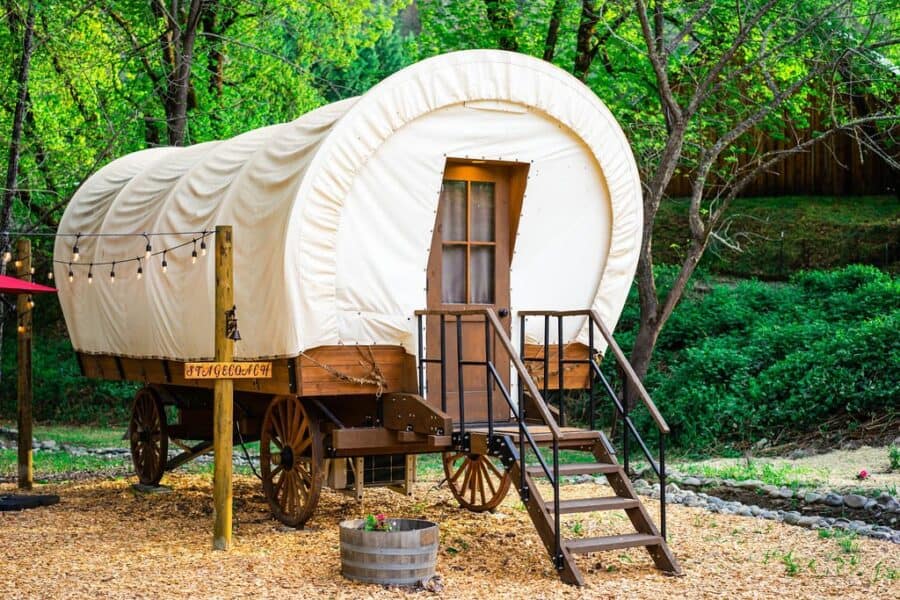
Here’s a fun way to spend a night in Oregon history: an “enchanted” Conestoga-style covered wagon parked beside the Applegate River, on an 11-acre homestead outside Grants Pass. Outside, it’s all canvas bonnet and big wooden wheels. Inside, there’s a king bed, bunk beds, a daybed, heat, air conditioning, and Wi-Fi, with a private bathhouse a short walk away.
It’s also a great excuse for a little history lesson. This valley is named after the Applegate family, who blazed one of the wagon routes that brought settlers into southern Oregon in the 1840s. And when you think about it, a covered wagon was one of America’s original tiny houses on wheels.
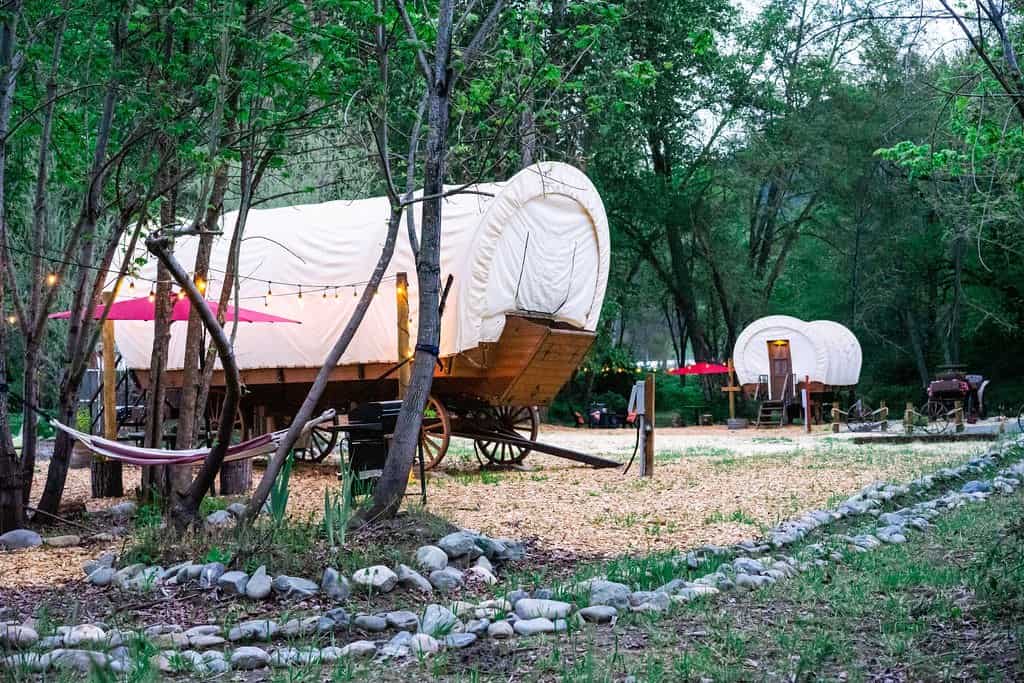
Image via Glamping Hub
A Wagon Camp on an Applegate River Homestead
The wagon camp sits in a forested corner of the hosts’ 11-acre farm, next to the river and a large pond, surrounded by mountains. The hosts live on the property, but at the opposite end from the wagons, so guests have the camp to themselves. There are two wagons, and booking both lets a larger group of up to 10 take over the whole camp.
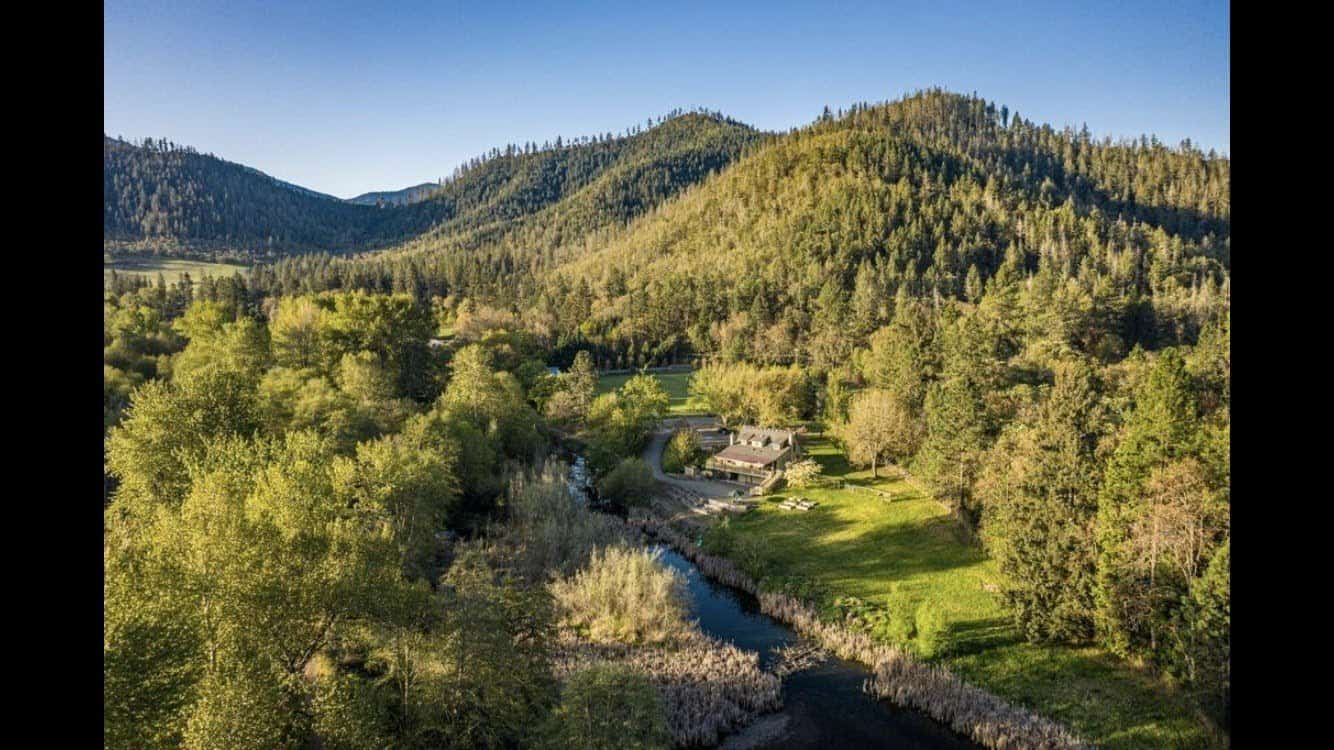
Image via Glamping Hub
Inside the Wagon: Room for Five
Step up into the wagon and it’s surprisingly roomy under the arched canvas. At the far end is a king bed with a wooden headboard and Western-themed pillows. Guests often mention in reviews how much more spacious it is than they expected.
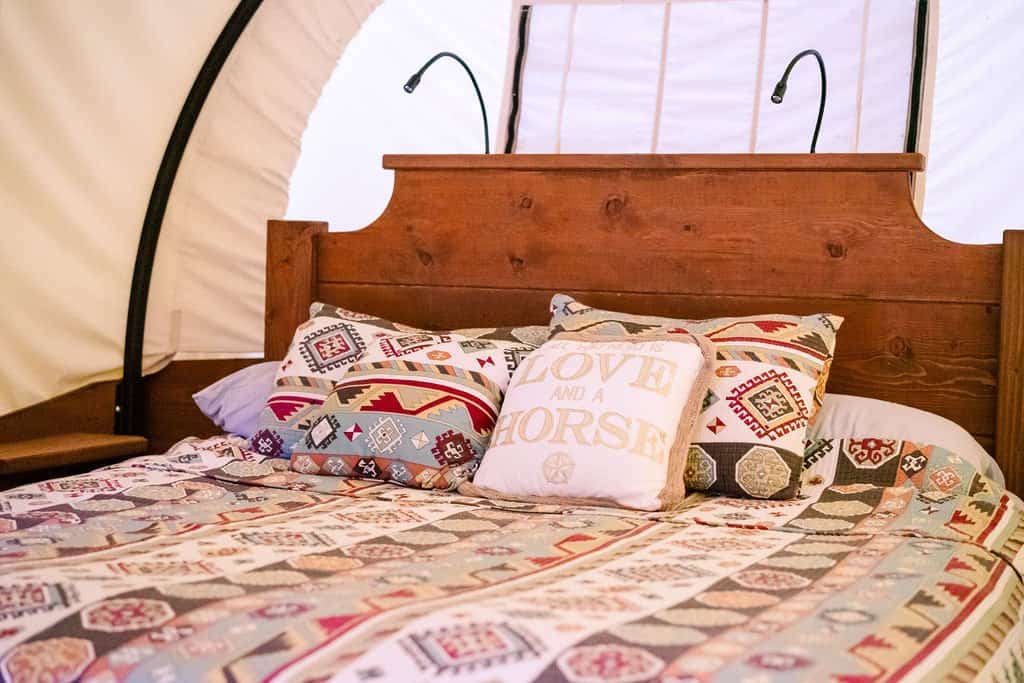
Image via Glamping Hub
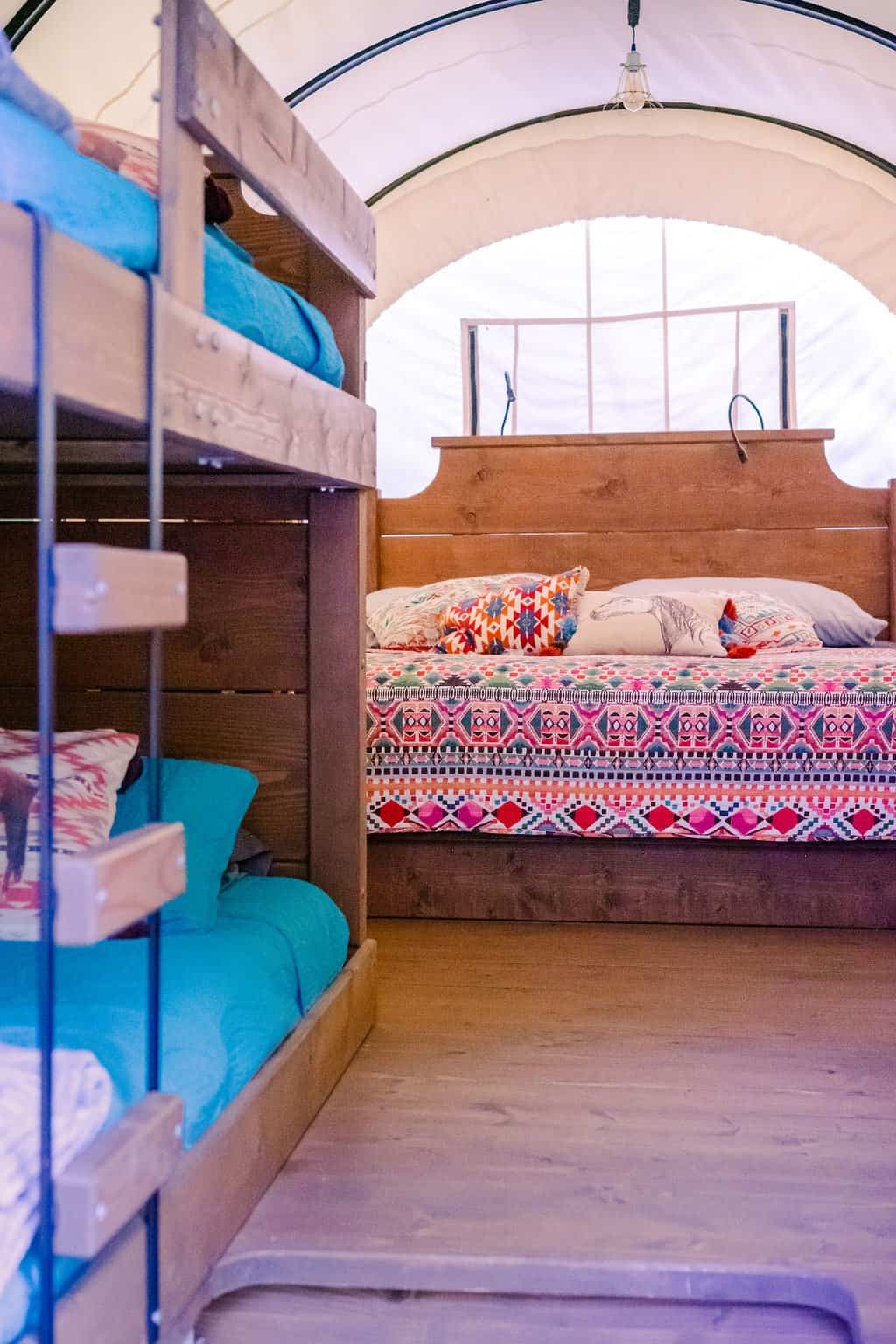
Image via Glamping Hub
Along one side, a set of wooden bunk beds is perfect for kids, and a cushioned twin daybed by the door adds a fifth spot. All together, the wagon sleeps five.
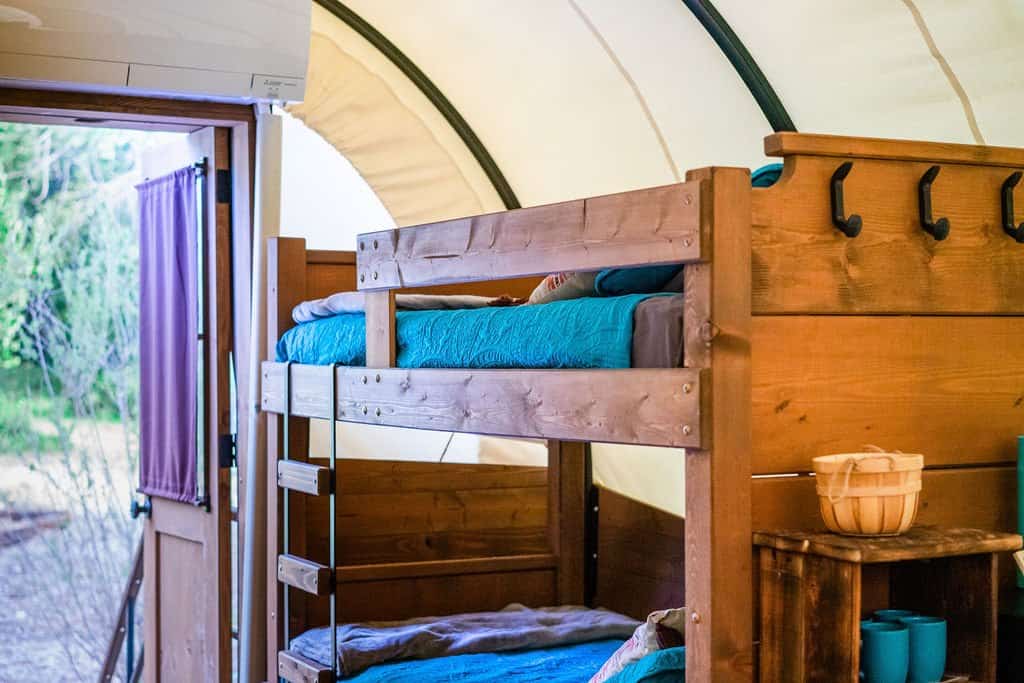
Image via Glamping Hub
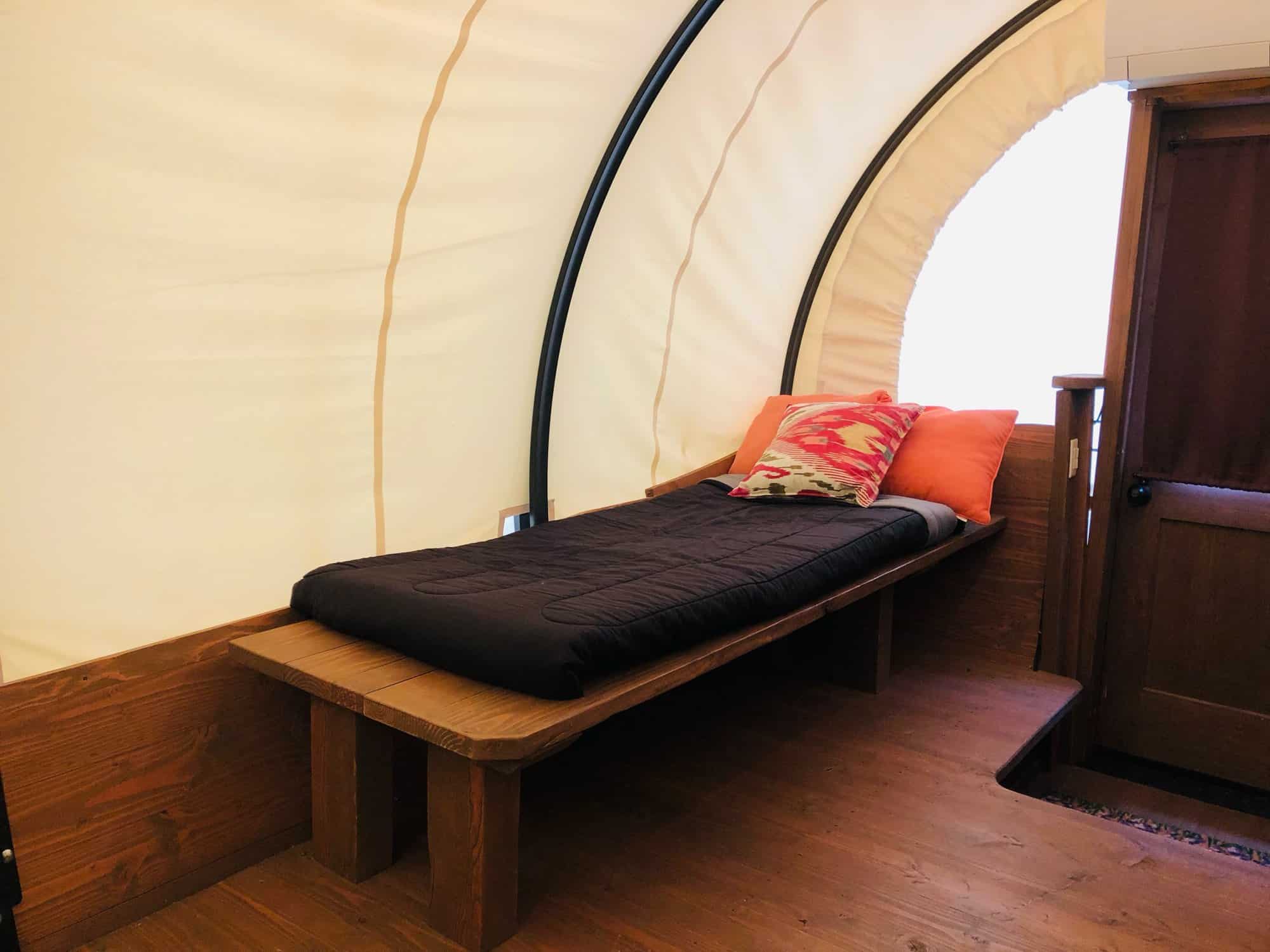
Image via Glamping Hub
A built-in shelf holds a coffee maker, mugs, and a mini fridge for basics. The hosts recommend bringing a cooler too.
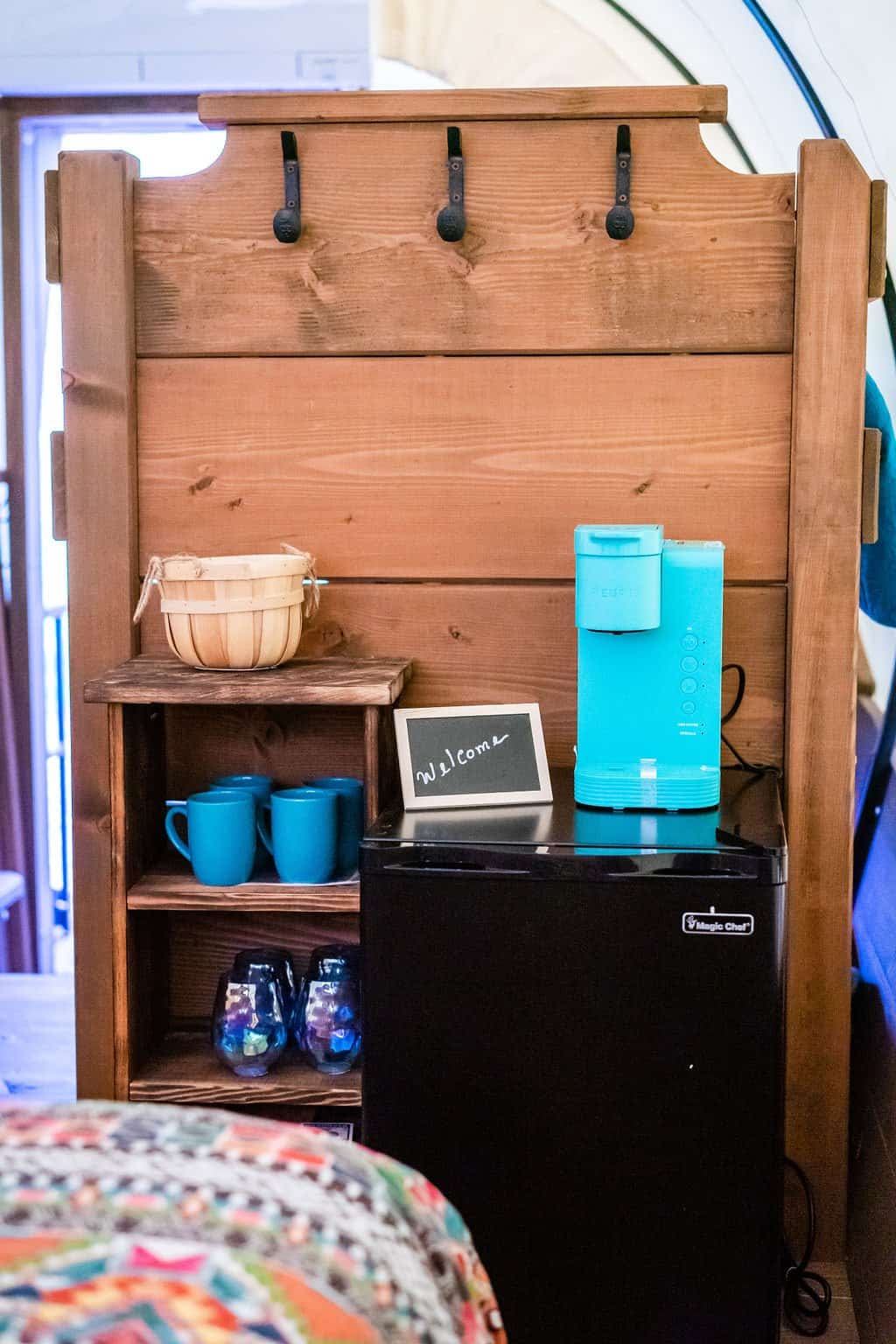
Image via Glamping Hub
At night, the canvas glows like a lantern.
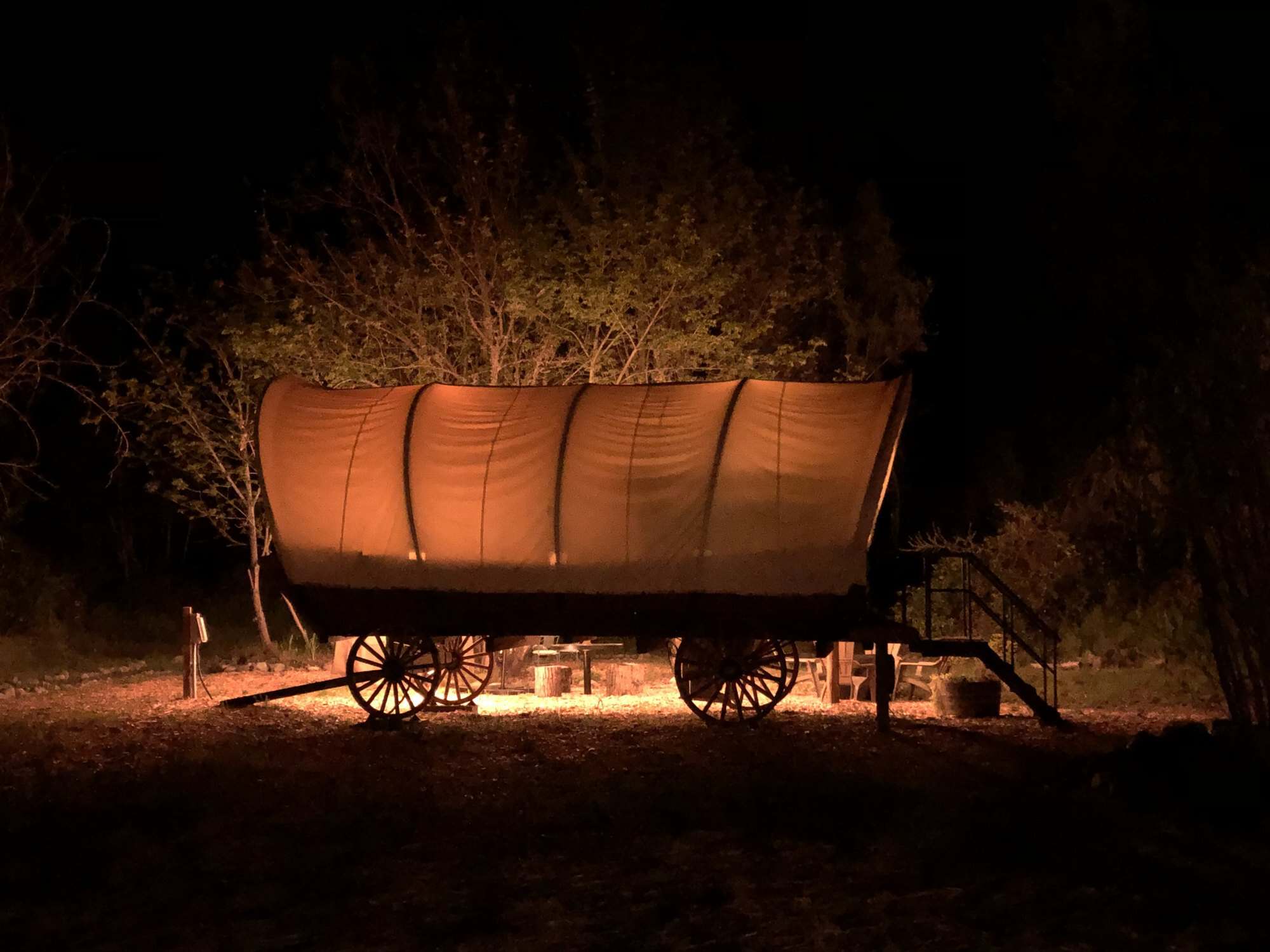
Image via Glamping Hub
The Sundance Bath House
Instead of a bathroom inside the wagon, there’s a little Old West-style bathhouse called the Sundance Bath House, with a sink, toilet, and shower. Reviewers say it’s spotless.
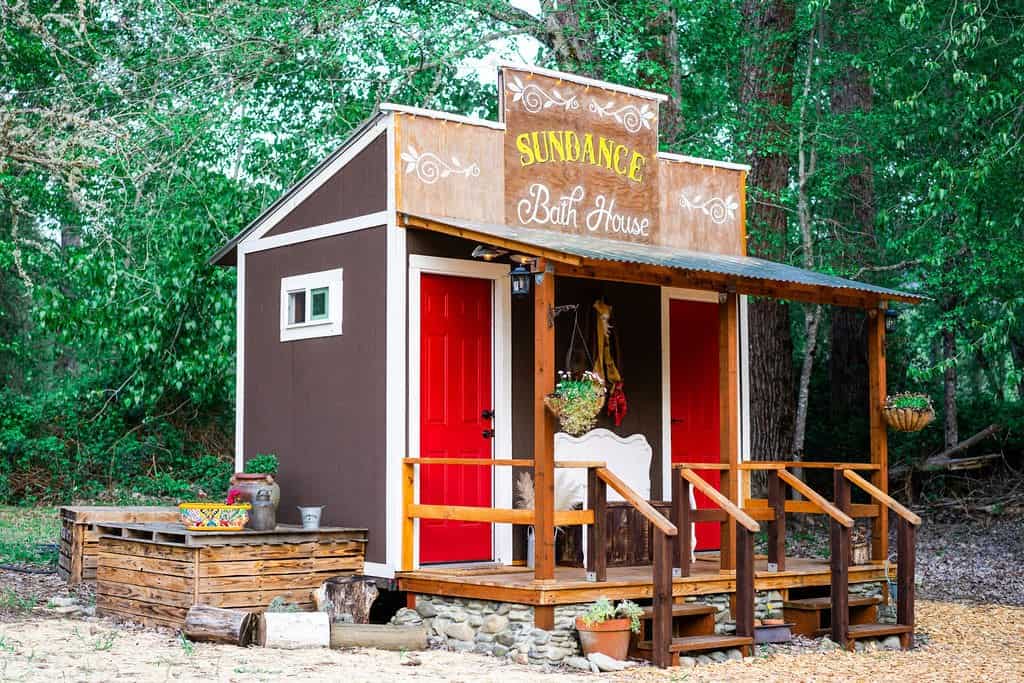
Image via Glamping Hub
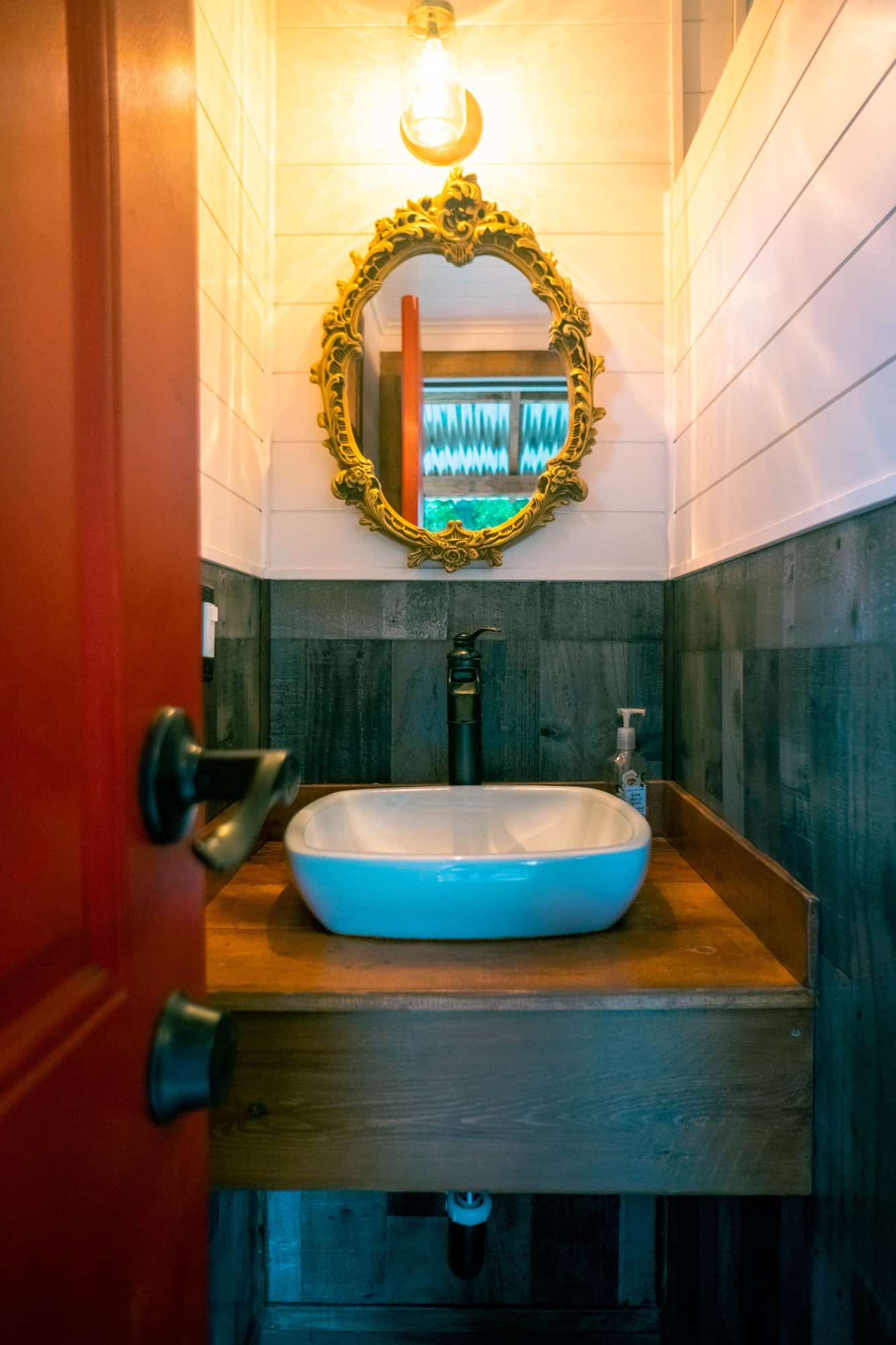
Image via Glamping Hub
Outdoor Living at Camp
Like the pioneers, you’ll spend most of your time outside. Each wagon has a seating area with Adirondack chairs and a propane fire table, there’s a gas grill and camp cooking setup, and you’ll find hammocks and cornhole around camp.
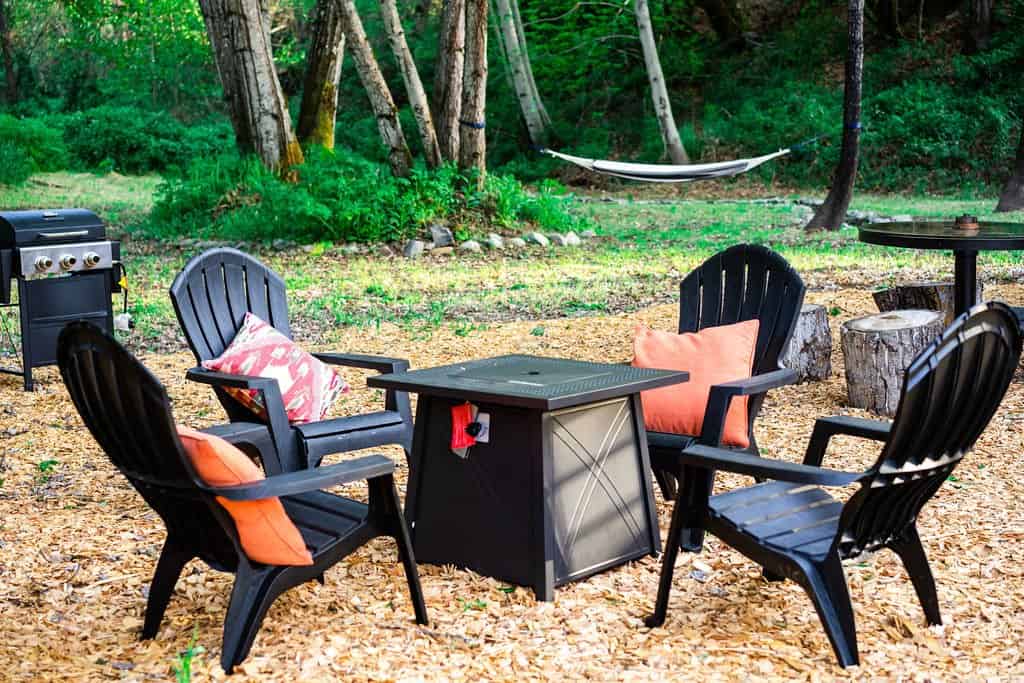
Image via Glamping Hub
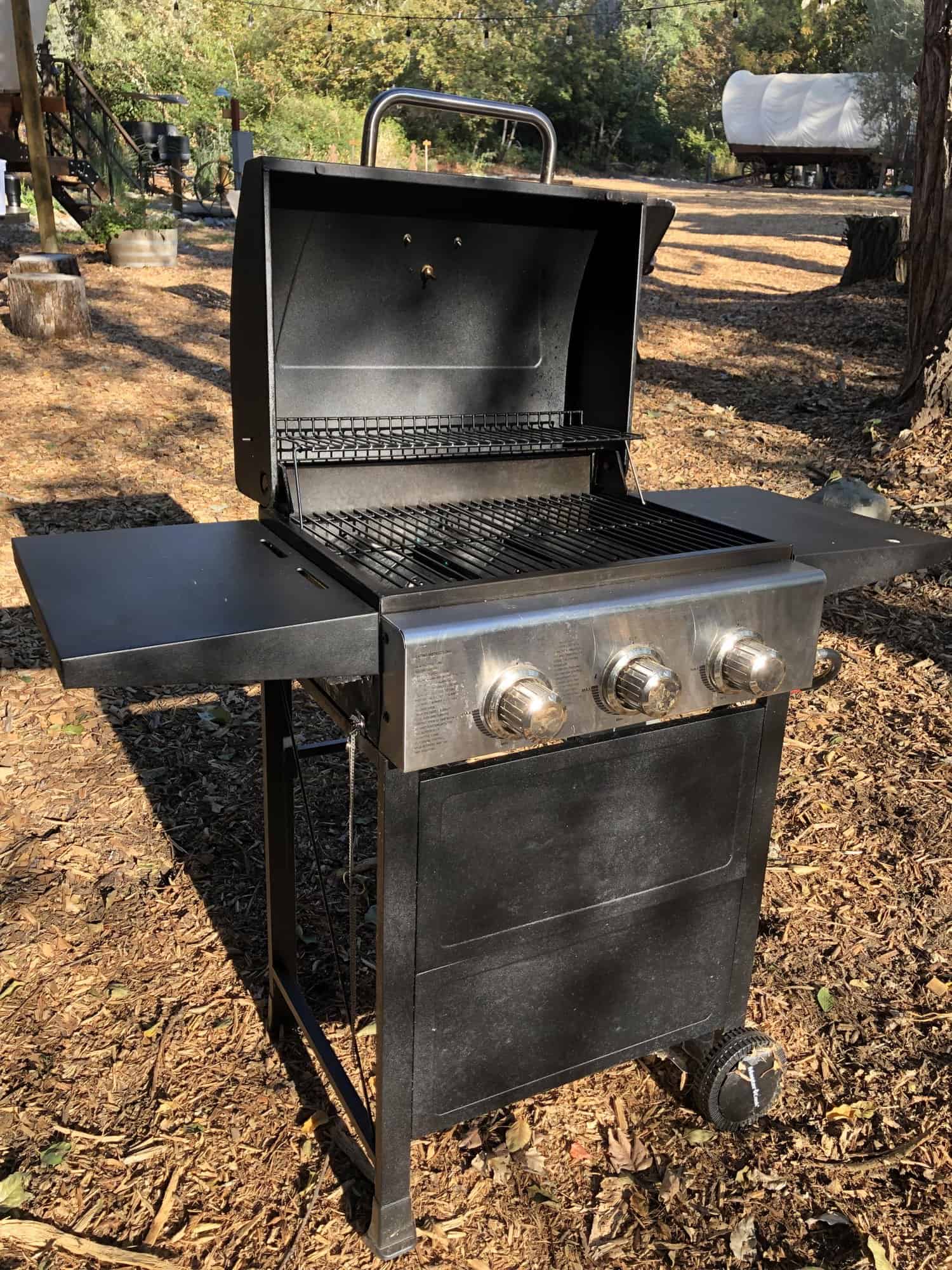
Image via Glamping Hub
The River, the Swimming Hole, and the Farm Animals
The Applegate River runs right along the property. You can kayak, fish, float on a tube, or cool off in the swimming hole next to camp. There’s no lifeguard, so the hosts ask that kids and non-swimmers bring life jackets.
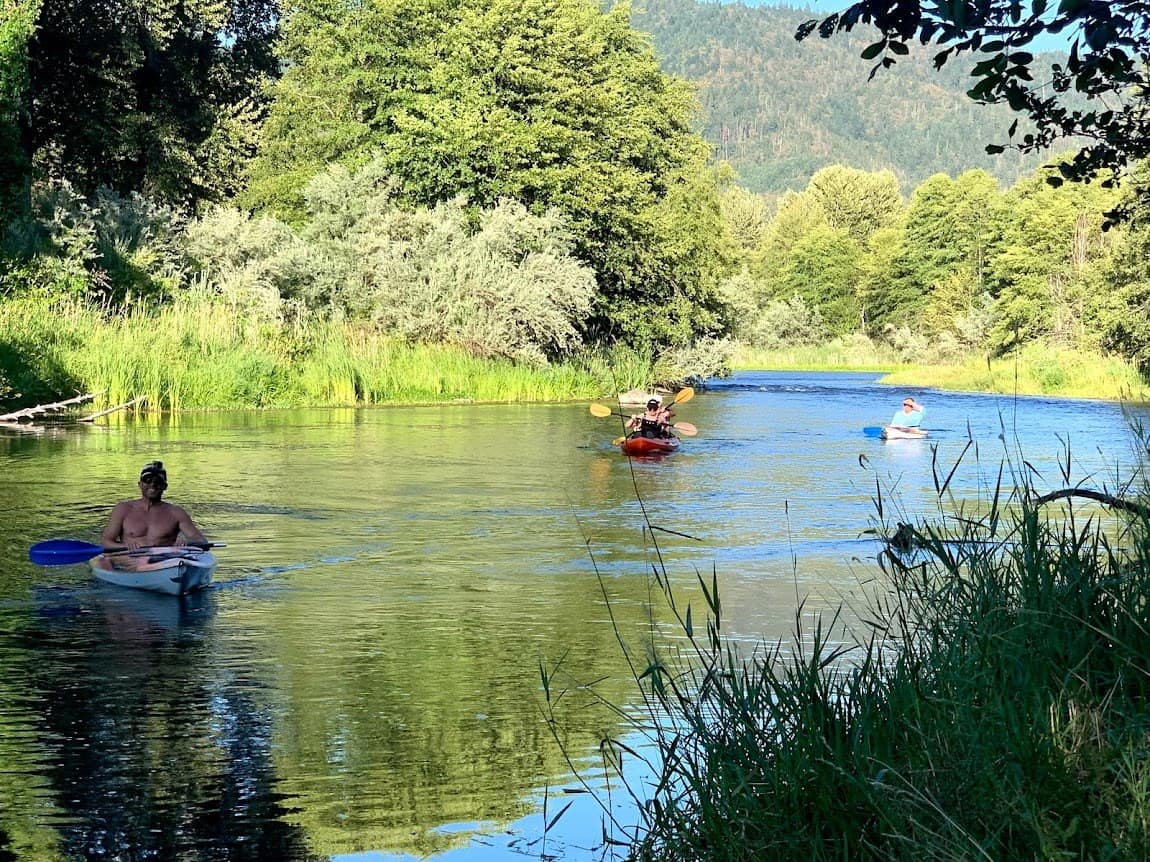
Image via Glamping Hub
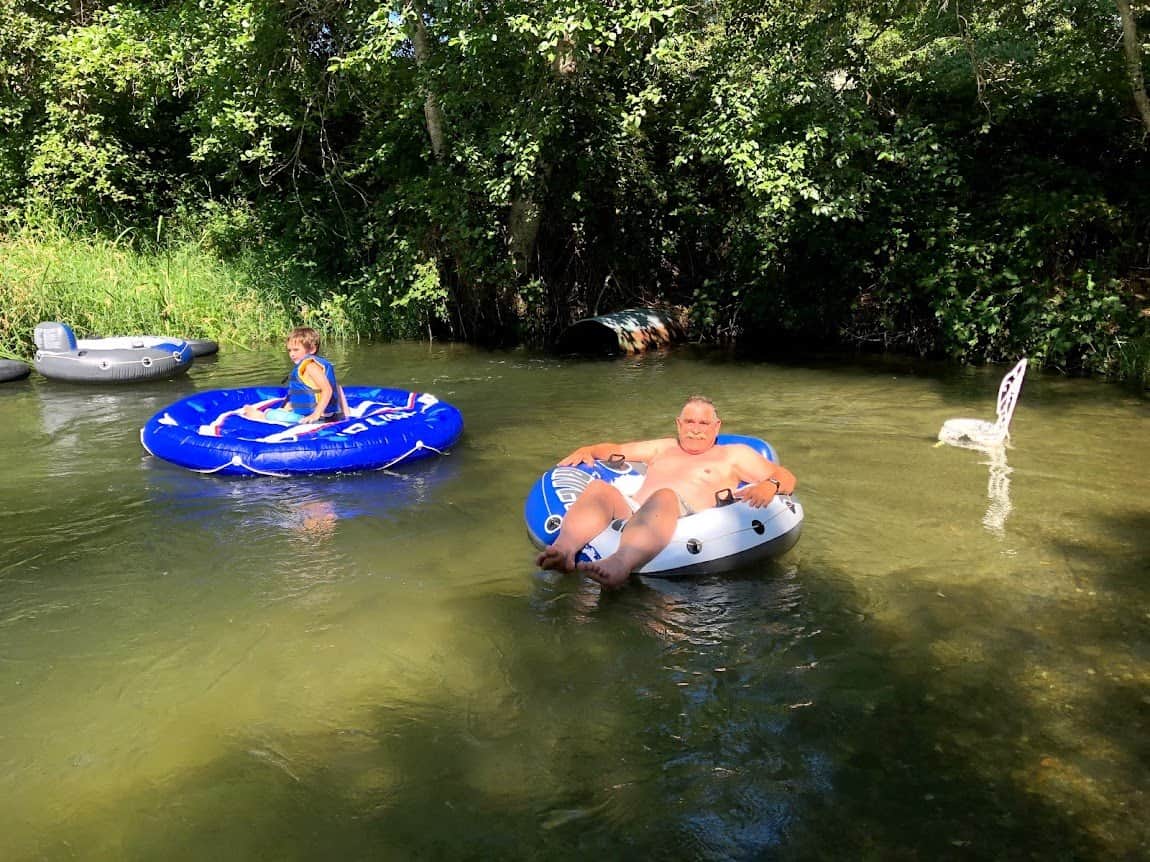
Image via Glamping Hub
The homestead is a working little farm, too, with goats, a llama, and other friendly animals. The hosts give tours, and kids love it. Just don’t feed the animals or go into their pens without a host.
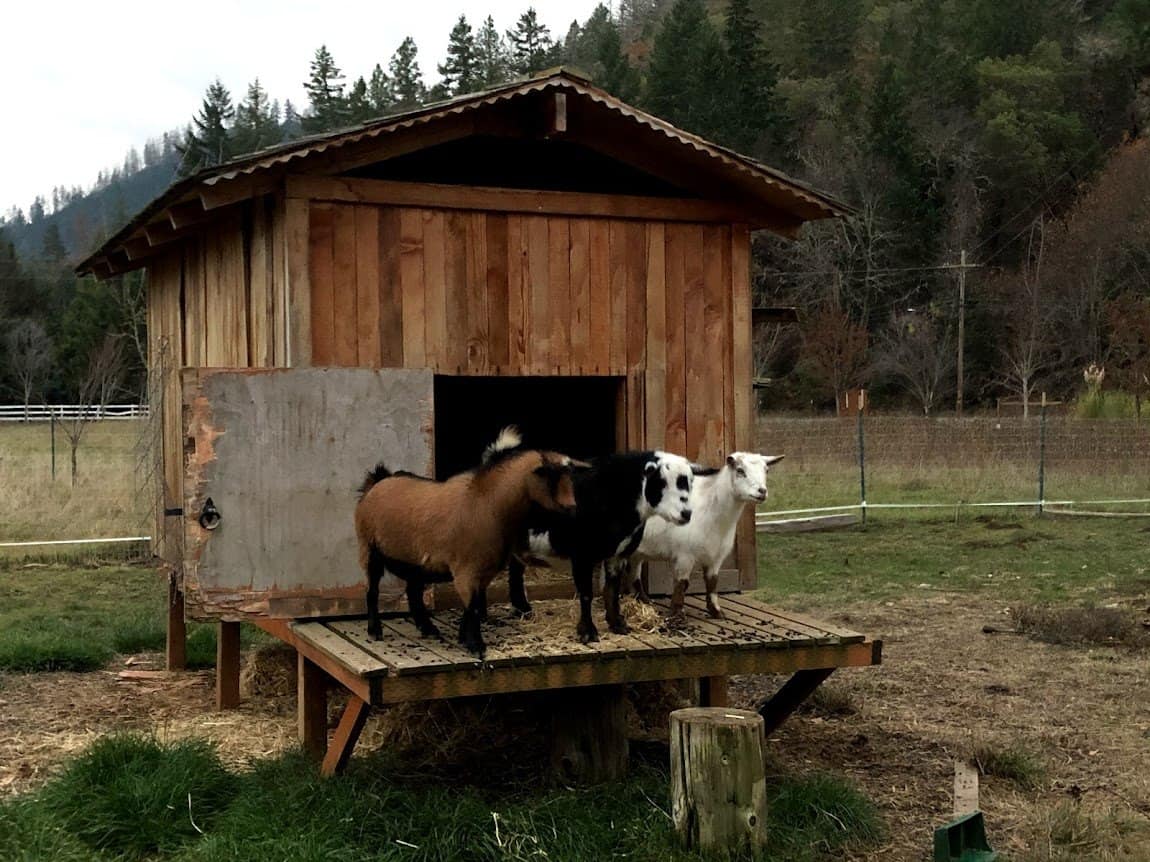
Image via Glamping Hub
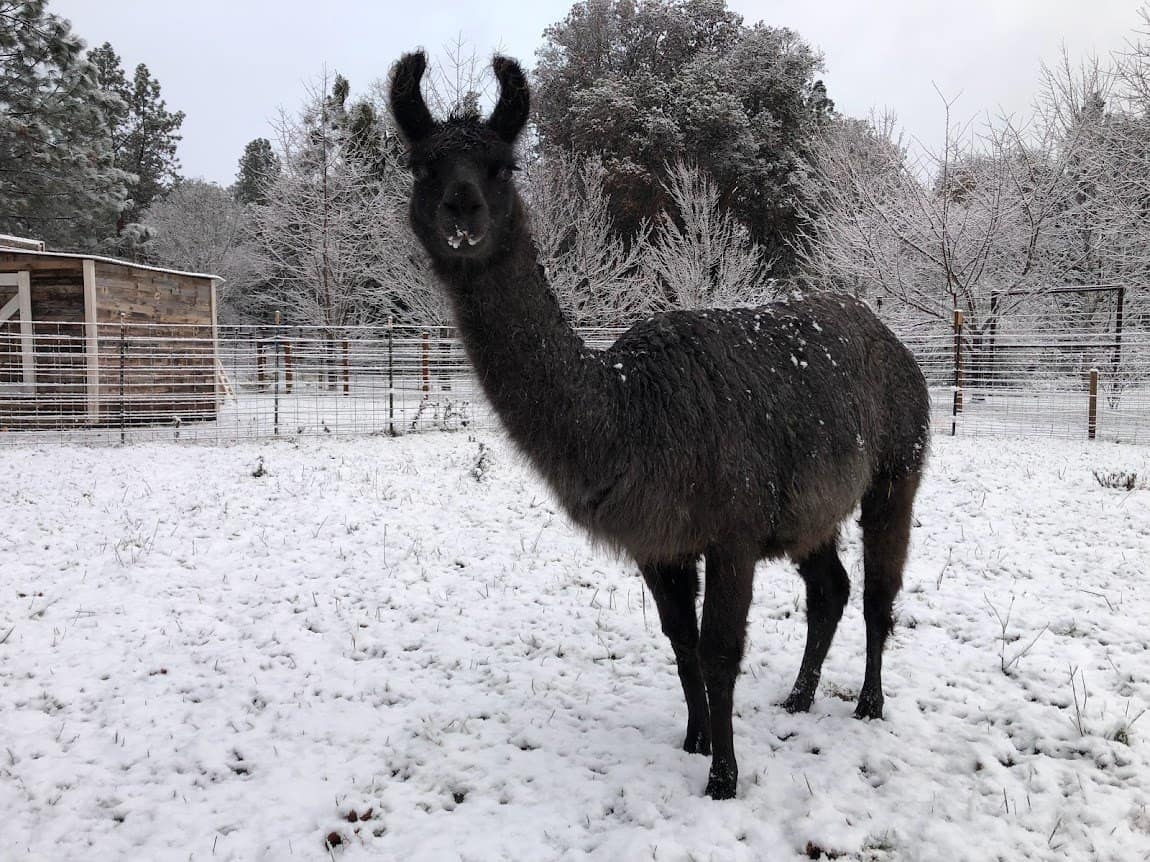
Image via Glamping Hub
Around the property you’ll also spot antique wagons and buggies, including a green wagon painted with the words “The Original Mobile Home.” Its sign says it was built in 1914 for a film studio. We can’t vouch for that part, but we love the sentiment.
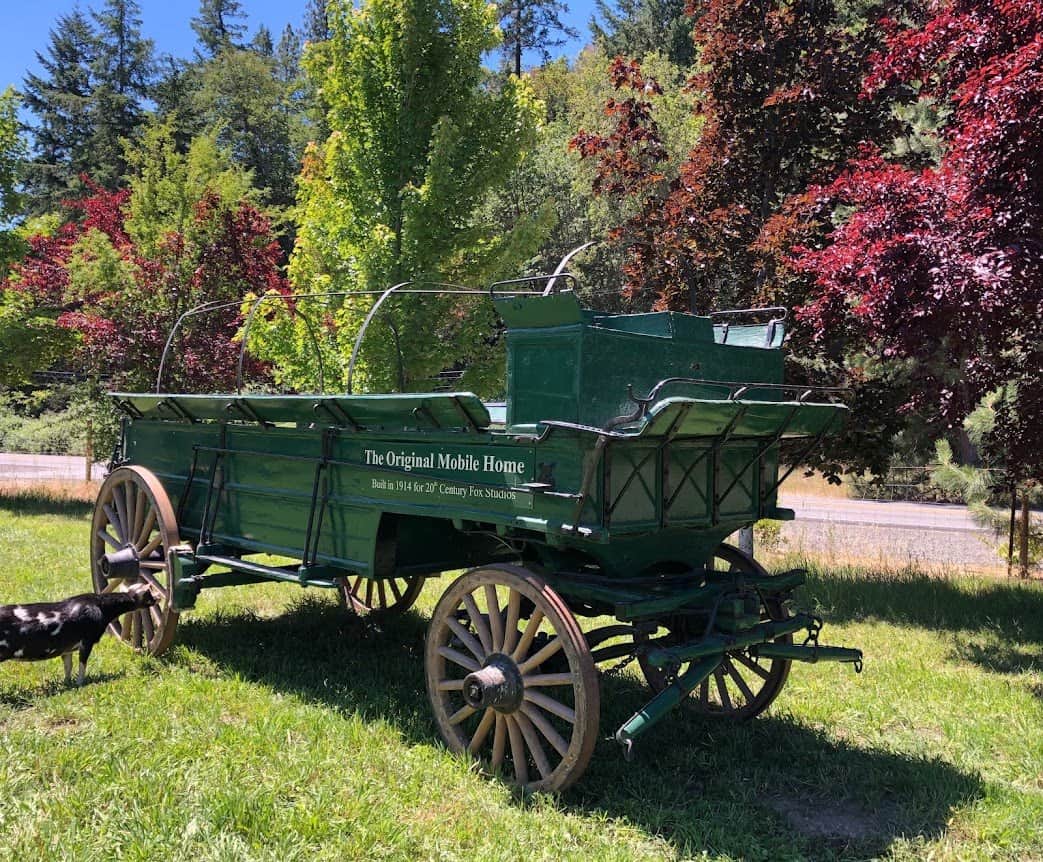
Image via Glamping Hub
A Little History: Covered Wagons and the Road to Oregon
Between the 1840s and 1869, when the transcontinental railroad was finished, about 400,000 people traveled west on the Oregon Trail and its branches, which ran roughly 2,170 miles from the Missouri River to Oregon. Most made the trip in four to six months, walking beside their wagons much of the way.
Here’s a fun fact: most of those pioneers didn’t actually use Conestoga wagons. True Conestogas were big, heavy freight wagons from the Conestoga River valley of Pennsylvania, used to haul goods to Philadelphia as far back as the early 1700s. They needed large teams to pull them. Most emigrant families used smaller, lighter farm wagons nicknamed “prairie schooners,” because their white canvas tops looked like sails crossing a sea of grass. The Conestoga name just stuck in the popular imagination, so today any covered wagon tends to get called one.
The Applegate Trail Came Right Through Here
The Applegate Valley takes its name from Jesse and Lindsay Applegate. In 1843, their families came west on the Oregon Trail and lost two children on the dangerous final stretch down the Columbia River. Three years later, in 1846, the brothers helped scout a more southerly route into the Willamette Valley. The Applegate Trail, also called the South Road, ran through northern Nevada and California, crossed the Klamath Basin and the Cascades into southern Oregon, then followed Bear Creek and the Rogue River before heading north. In other words, wagons rolled through this very corner of the state, just a short distance from where this one is parked today.
Settlers kept coming. Under the Donation Land Claim Act of 1850, a settler could claim a big piece of Oregon land by living on it and working it for four years. It’s important to remember that this land had long been home to Native peoples, including the Takelma in the Rogue and Applegate valleys, and that the law was open only to white settlers and some people of mixed Native ancestry.
A Wagon Was a Tiny House on Wheels
Think about what those wagons really were. A typical emigrant wagon bed was only about 4 feet wide and 10 to 12 feet long. That’s roughly 40 to 50 square feet, smaller than a lot of modern bathrooms, and it held a family’s food, tools, clothes, and keepsakes for a half-year trip. Families often slept in tents or under the wagon, and when they finally arrived, many lived out of the wagon or a quick lean-to while they built a cabin.
That’s tiny living at its most extreme. Every item had to earn its place, because every extra pound wore out the oxen. Families who overpacked famously left heirloom furniture and cast iron stoves along the trail.
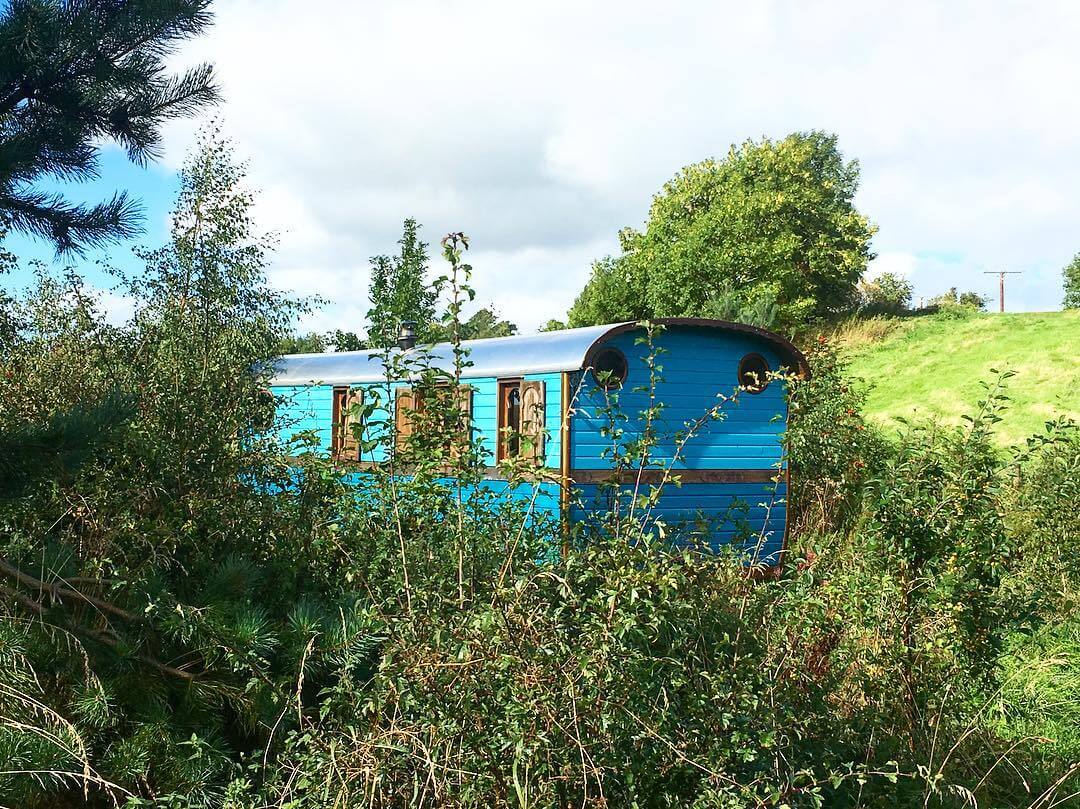
And the idea of a home on wheels never really went away. In the late 1800s, sheepherders in Wyoming and across the West lived for months at a time in sheep wagons, compact wagons with a bed, a wood stove, storage, and a workspace, the ancestors of today’s tiny houses. Romani families in Europe built beautifully decorated vardo wagons. In the 1920s and 30s came the first travel trailers, then mobile homes, and eventually the modern tiny house on wheels. The covered wagon is right there at the start of that family tree.
Stay Details
- Location: 11-acre homestead on the Applegate River near Grants Pass, Oregon
- Sleeps: 5 per wagon (king bed, bunk beds, and a twin daybed), or up to 10 when you book both wagons
- Comforts: Heat, air conditioning, Wi-Fi, electricity, mini fridge, and coffee maker
- Bathroom: Private bathhouse with sink, toilet, and shower
- Outdoors: Fire table, Adirondack chairs, gas grill, hammocks, river access, swimming hole, and nature trails
- Nearby: Applegate Valley wineries 5 to 15 minutes away, Rogue River rafting about 20 to 25 minutes away, and Oregon Caves National Monument about 15 miles as the crow flies
- Rating: 4.9 from 11 reviews
What Makes This Wagon Special
- History you can sleep in. A covered wagon in a valley named for the family that blazed a wagon trail into southern Oregon.
- Pioneer looks, modern comfort. Heat, A/C, Wi-Fi, and a real bed beat sleeping under a wagon on the prairie.
- Great for families. Bunk beds, farm animals, and a swimming hole make it a hit with kids.
- Room to grow the group. Book the second wagon and up to 10 people can share the camp.
Learn More About Oregon’s Wagon Trails
- Oregon National Historic Trail (National Park Service): the history of the trail, maps, and places along the route where you can still see wagon ruts.
- California National Historic Trail (National Park Service): the Applegate Trail is officially part of this National Historic Trail.
- National Historic Oregon Trail Interpretive Center: a museum near Baker City, Oregon, run by the Bureau of Land Management, with living history programs and real wagon ruts nearby.
- Historic Oregon City: Oregon City was the official end of the Oregon Trail, and this site has info on visiting.
- Applegate Trail and sheep wagon on Wikipedia: quick reads on the southern route into Oregon and the West’s original tiny homes on wheels.
Highlights
- Conestoga-style covered wagon on an 11-acre homestead on the Applegate River
- King bed, bunk beds, and a twin daybed that sleep five, with heat, A/C, and Wi-Fi
- Private Old West-style bathhouse
- River swimming hole, kayaking, nature trails, and friendly farm animals
- A second wagon lets groups of up to 10 share the camp
- Set in the valley named for the Applegate family, who blazed a wagon trail into southern Oregon
Related Stories
- Handmade Vardo in Oregon
- Living in a Micro Wagon Tiny House with Her Goat
- A Handcrafted 104 Sq. Ft. Vardo-Style Tiny House in Washington
- 105 Sq. Ft. English Shepherd Hut Wagon Cabin
Could you have packed your whole life into a covered wagon? Would you spend a night in this one? Let us know in the comments!
If you enjoyed this you’ll LOVE our Free Daily Tiny House Newsletter with even more!
You can also join our Small House Newsletter!
Also, try our Tiny Houses For Sale Newsletter! Thank you!
More Like This: Vacations | Airbnb & Rentals
Disclosure: This post may contain affiliate links. If you purchase through one of our links, we may earn a commission at no additional cost to you.


Alex
Latest posts by Alex (see all)
- Sleep in a Covered Wagon on the Applegate River, Where Oregon’s Pioneer Trails Once Ran - November 20, 2026
- Tanya’s $75 Play Kitchen Minivan: Budget Van Life in a Dodge Grand Caravan - November 20, 2026
- Upper Klamath Bush Camp: Safari Tent Glamping You Can Only Reach by Raft - November 20, 2026

Join the Conversation
No comments yet. Be the first to join the conversation.