Disclosure: This post may contain affiliate links. If you purchase through one of our links, we may earn a commission at no additional cost to you.
The Going Tiny Series, Part 1 of 45 · Guide 1 of 5: The Tiny House Money Plan
A free chapter goes up every day. See every part. Rather have it all at once, with printable worksheets? Get the Going Tiny Toolkit.
Years ago I asked Tiny House Talk readers a simple question: “What’s holding you back from going tiny, going small, downsizing, or simplifying?” Hundreds of you answered. Almost half of the answers came down to the same thing. Money.
Not “I’d like a little more money.” Real, specific money problems. Fixed incomes. Disability checks that barely cover rent. Student loans. Credit that won’t get you a loan. A big house you’d have to sell first, with nowhere to live while you do it. Banks that will lend on a truck but not on a little house.
My biggest fear is that I will never be able to afford to make my tiny house dreams a reality.
— Charity, Tiny House Talk reader
Why is it easier to get financing for $600,000 for a house or $60,000 for a new truck, but not $50,000 for a small house?!
— Emily, Tiny House Talk reader
Haven’t figured out how to save up money on a limited income while still paying rent.
— Jes, Tiny House Talk reader
This guide is my honest answer to those comments. It won’t hand you money, and it won’t promise that a tiny house will fix your finances. What it will do is help you see your real numbers clearly, so you can choose a path that fits the life and income you actually have.
First, the most important thing
You do not have to go tiny
A tiny house on wheels is one path. So is a small cottage, a used park model in a friendly community, a backyard unit near family, a camper you live in for a few years, a smaller apartment, or simply staying where you are and spending less. Every one of those counts as a win. The goal of this guide is a home you can afford and enjoy, not a particular square footage.
One reader put it perfectly: putting a tiny house on land with a big mortgage can defeat the whole purpose. If going smaller would put you deeper into debt or leave you without a legal place to live, it isn’t the right move yet, and that’s okay. Knowing that is valuable too.
Who this guide is for
- Anyone who has said, “Money is the only thing holding me back.”
- People on fixed incomes, Social Security, SSI, SSDI, or a pension.
- Renters who want to stop renting someday, and homeowners who want to sell and downsize.
- People with debt, low credit, or no credit who still want a plan.
- Couples and families trying to figure out whether smaller would actually save money.
How to use it in one evening
- Read Parts 2 and 3 (about 40 minutes). You’ll learn what each path really costs, including the parts nobody mentions.
- Fill in Worksheet 1 (about 20 minutes). Your current monthly cost of living is the number everything else hangs on.
- Pick one or two paths and rough them out on Worksheet 2. Pencil is fine. Guesses are fine.
- Skim the rest and come back to the chapters you need: saving, selling a house, or financing.
- Finish with Worksheet 7, your next 30 days. Small steps, written down.
Want to do this on paper?
The printable PDF of The Tiny House Money Plan has fill-in worksheets for this step, including:
- Your Current Monthly Cost of Living
- Path Cost Estimator
- Your Next 30 Days
They come with all five guides in the Going Tiny Toolkit.
A word about numbers
Every price in this guide is a typical range as of 2026, gathered from current industry and consumer sources. Prices vary a lot by region and change every year. Use these ranges to get oriented, then get real quotes where you live. Where I say “verify locally,” I mean it. Rules about lending, benefits, taxes, and building change, and the people at your local offices are your best source.
And one last thing before we start. You’re not behind. You’re not foolish for wanting this. A lot of people reading this guide have very little in savings, and some have nearly nothing. A plan can start at zero.
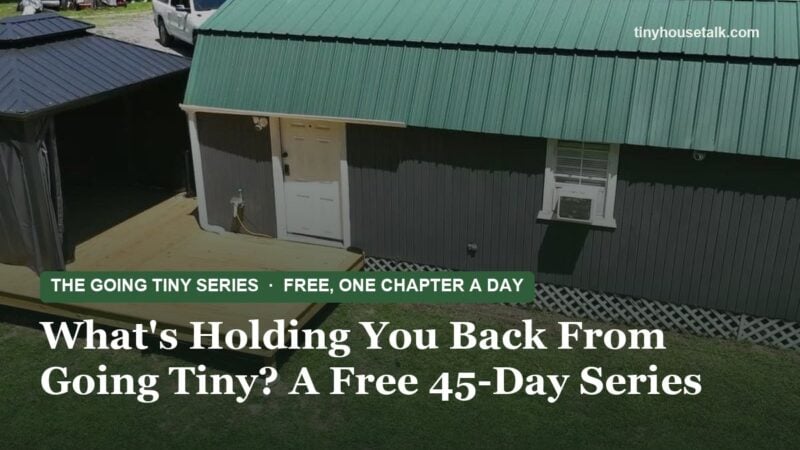
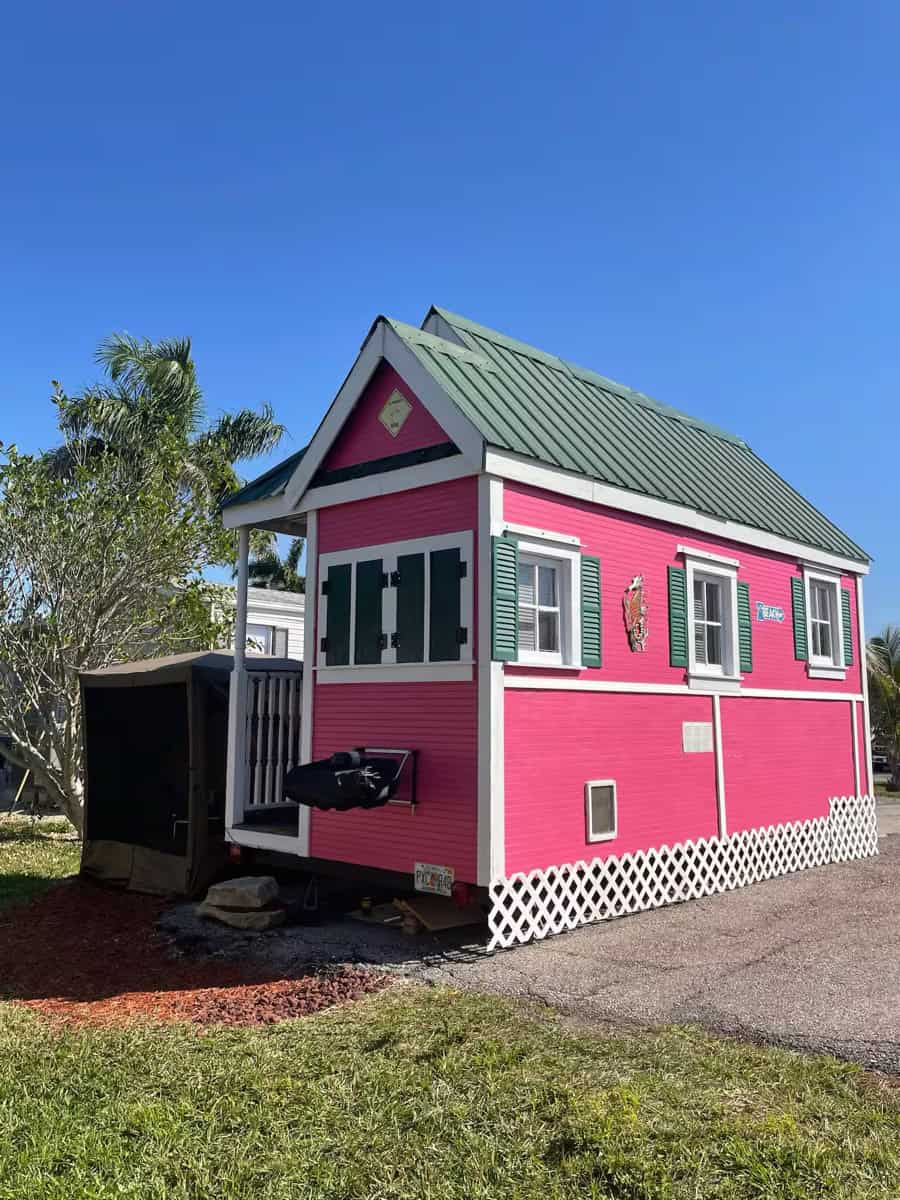
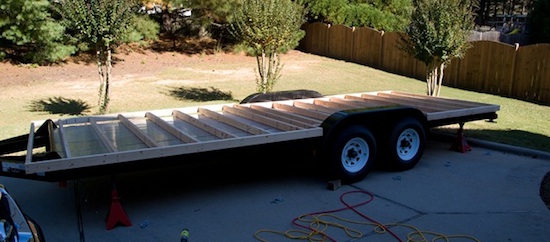
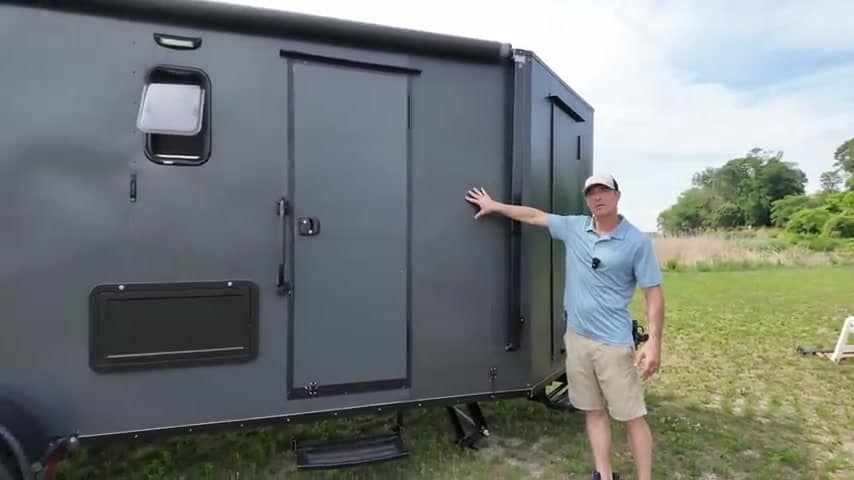
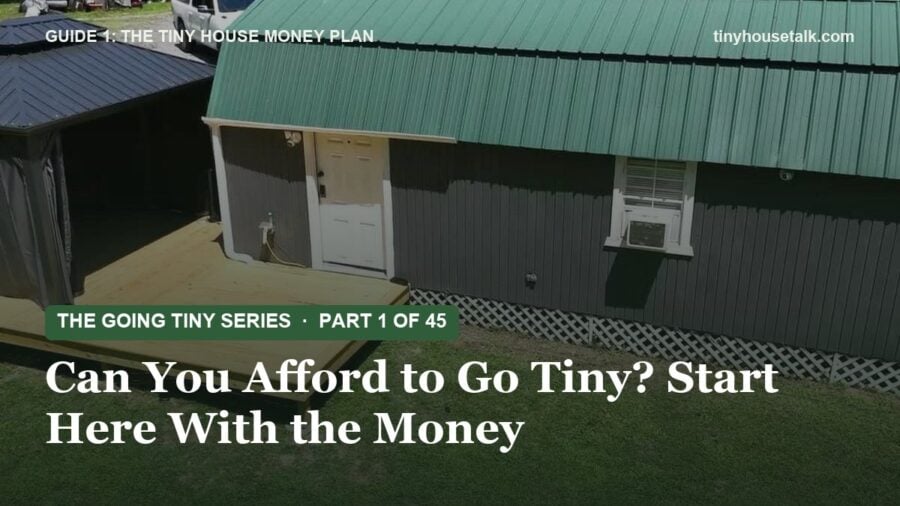
Top photo: Turning a shed into a home takes more than the shed. Photo via Tiny House Giant Journey/YouTube. See their story.
Your turn
What's the money question you're stuck on right now? Tell me in the comments.
Want the whole series in one place?
This series is free to read here, and it always will be. If you’d rather have it as five clean, printable PDFs, that’s the Going Tiny Toolkit:
- The Tiny House Money Plan (the guide this chapter comes from): real 2026 cost ranges, a savings plan for any income, and every way people pay
- Where Can I Put It?
- Tiny Without the Ladder
- Bringing Them On Board
- Your First Tiny Steps
Every guide adds printable worksheets and a 30-day action plan, and Tiny Without the Ladder comes with the bonus One-Level Floor Plan Idea Book (18 to-scale floor plans). All five are $47, with a 30-day refund.
Next (tomorrow): Part 2: What Going Smaller Really Costs: Tiny House, Park Model, ADU, and More
Not sure which part matters most for you? The free 10-minute What’s Really Holding You Back? quiz tells you where to start. And to get a new part (and a new home) in your inbox each day, join the free Tiny House Newsletter.
Disclosure: This post may contain affiliate links. If you purchase through one of our links, we may earn a commission at no additional cost to you.


Alex
Latest posts by Alex (see all)
- Can You Afford to Go Tiny? Start Here With the Money - October 19, 2026
- What’s Holding You Back From Going Tiny? A Free 45-Day Series - October 19, 2026
- From Shipping Container to Family Home: An Expandable 775-Sq-Ft Prefab in Rural Cyprus - October 18, 2026