
Disclosure: This post may contain affiliate links. If you purchase through one of our links, we may earn a commission at no additional cost to you.
Composting toilets transform human waste into usable soil through natural decomposition, eliminating the need for plumbing connections and saving significant water. This guide explains the complete process from collection to finished humanure, including urine separation, odor control with sawdust, and the one-year composting timeline that kills pathogens and produces garden-ready material.
System Components
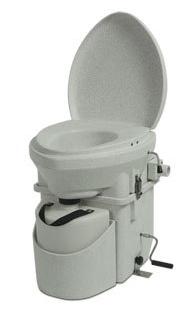
- Toilet Unit: DIY or commercial composting toilet
- Urine Separator: Optional diverter for separate liquid collection
- Cover Material: Sawdust or wood shavings for odor control
- Collection Container: Removable bucket or bin
- Composting Bins: Outdoor containers for 1-year processing
- Access Door: External opening for easy bucket removal
DIY Composting Toilet Design
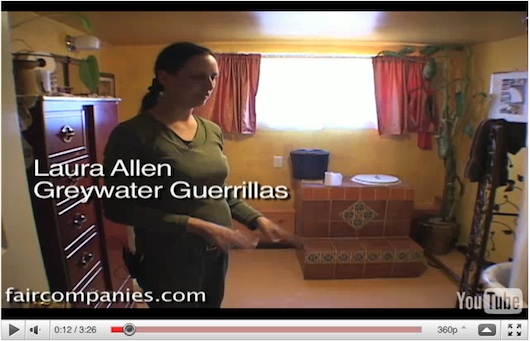
Video via Laura Allen/Greywater Guerillas and Kirsten Dirksen/Faircompanies
External Access for Easy Maintenance

Outdoor Composting Bins

Finished Humanure After One Year

The Composting Process
- Step 1: Use toilet normally, covering deposits with sawdust after each use
- Step 2: Optional: Separate urine for immediate use as diluted nitrogen fertilizer
- Step 3: When container fills, transfer to outdoor composting bin
- Step 4: Allow material to compost for one full year
- Step 5: After 365 days, pathogens die and material becomes odorless soil
Lessons from Composting Toilet Systems
- Sawdust Eliminates Odors: Sprinkling wood material after each use controls smell without chemicals
- External Access Simplifies Maintenance: Doors that open from outside keep handling outdoors
- One Year Kills Pathogens: Full composting cycle ensures safe, usable end product
- Water Savings Are Significant: Commercial buildings save thousands of gallons daily with composting systems
- DIY Construction Reduces Cost: Self-built toilets cost far less than commercial units while functioning identically
Related Composting Toilet Resources
Related Categories
You can share this using the e-mail and social media re-share buttons below. Thanks!
If you enjoyed this you’ll LOVE our Free Daily Tiny House Newsletter with even more!
Also, try our Tiny Houses For Sale Newsletter!
More Like This: Off-Grid | Tiny Houses
See The Latest: Go Back Home to See Our Latest Tiny Houses
Disclosure: This post may contain affiliate links. If you purchase through one of our links, we may earn a commission at no additional cost to you.


Alex
Latest posts by Alex (see all)
- 7 Tiny House Builders in Ontario, Canada Worth Knowing - November 2, 2026
- The Nordic Abode: A 176 Sq. Ft. Scandinavian Tiny House with a Soaking Tub - November 2, 2026
- Tru Form Tiny Park Model for Dillon Beach Resort and Other Hospitality Builds - November 2, 2026





Join the Conversation
27 comments