Disclosure: This post may contain affiliate links. If you purchase through one of our links, we may earn a commission at no additional cost to you.
Most of us learn about off-grid living the same way: YouTube rabbit holes, forum threads, and a lot of hopeful guessing. You can read about a composting toilet for two years and still have no idea what one actually smells like, how it gets emptied, or whether your spouse will tolerate it. That gap between reading and doing is exactly what the 2026 Off-Grid Workshop Camps are built to close.
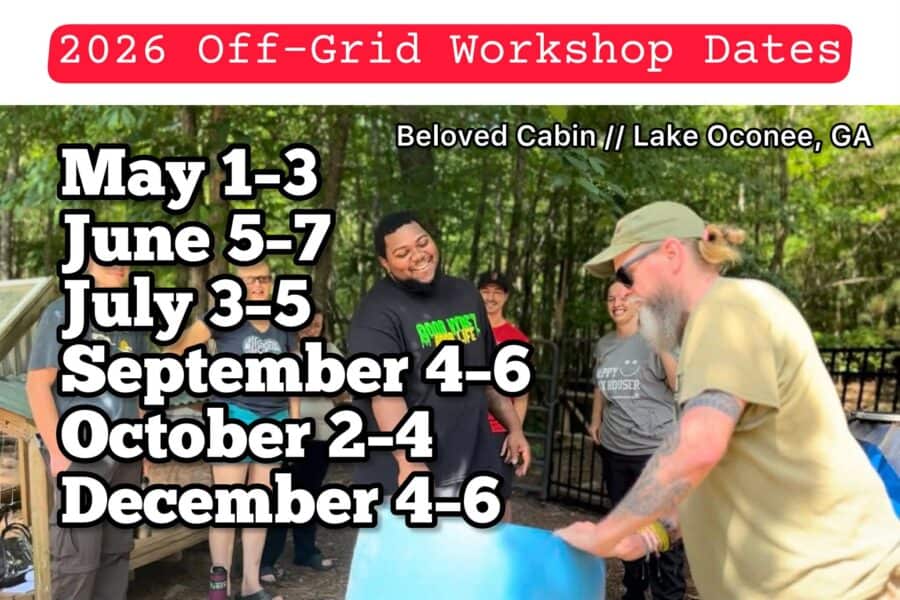
Hosted by John and Fin Kernohan — founders of the United Tiny House Association — these are three-day, hands-on weekend camps held at their own property, Beloved Cabin Homestead & Stay, near Lake Oconee in Middle Georgia. It’s roughly 1.5 hours east of Atlanta off I-20, and the specific address only goes out to registered attendees. You don’t sit in a conference hall looking at slides. You walk around a working homestead where all of this stuff is actually installed, running, and being lived with every day.
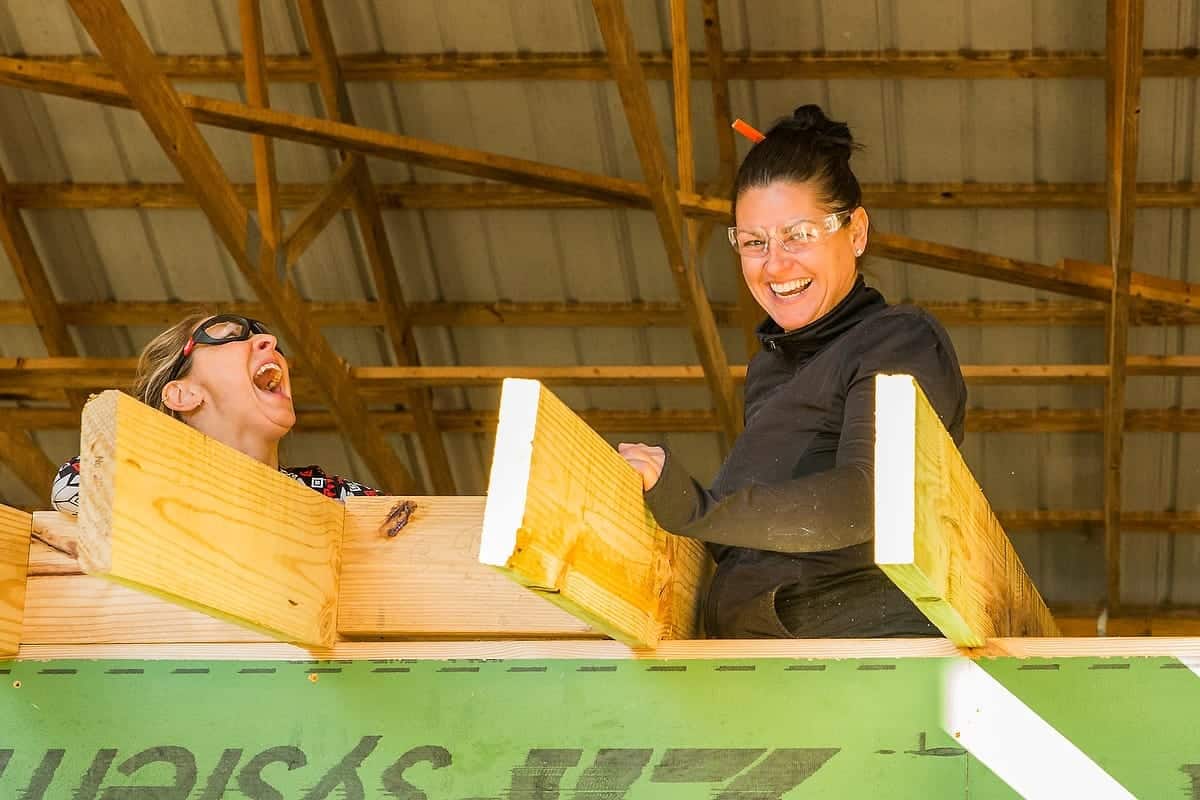
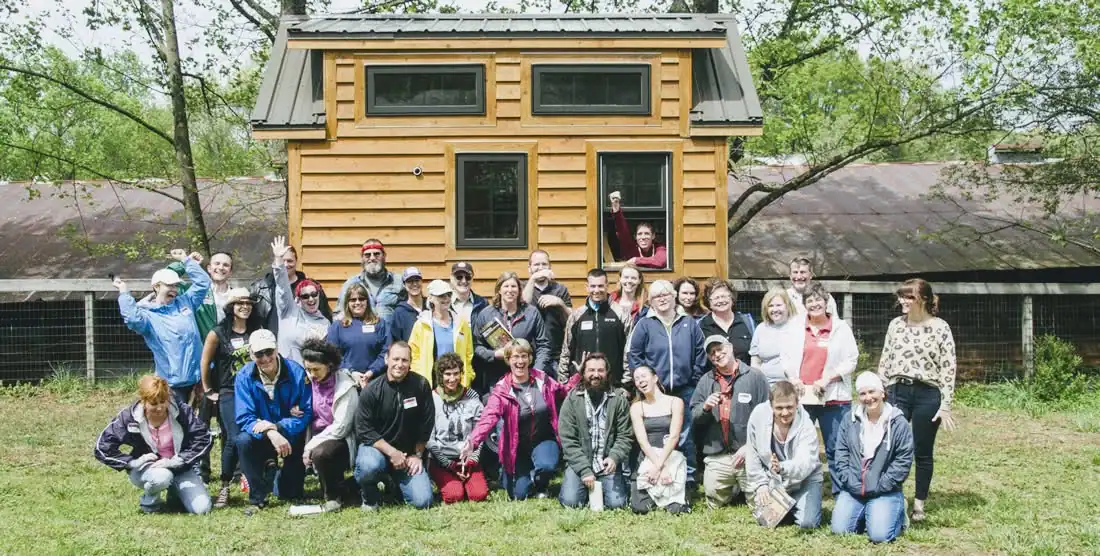
Images courtesy of United Tiny House Association
What the Weekend Actually Looks Like
Each camp runs Friday through Sunday on the first weekend of the month. The first class starts Friday at 1 PM EDT, and a meet-n-greet follows at 6 PM. Saturday and Sunday are the full days: workshops from 10 AM to 5 PM, back to back.
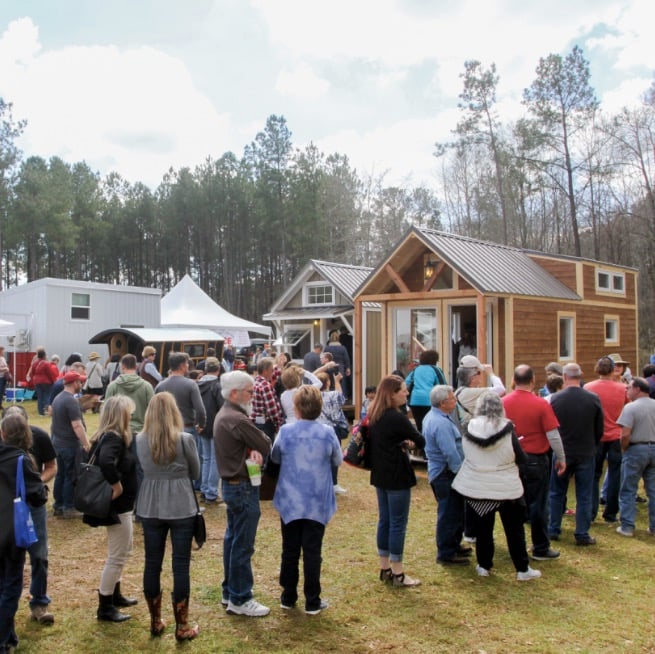
What makes the schedule work is that the evenings aren’t filler. Saturday night is a potluck dinner and a bonfire, and past camps have brought in live music (Arbour Season, The Octobers, and Trinity Michaels have all played). If you’ve ever been to a tiny house festival, you already know that the conversations around the fire at 10 PM are often where the real information changes hands — the honest cost numbers, the permit workaround that actually worked, the mistake somebody made on their first build.
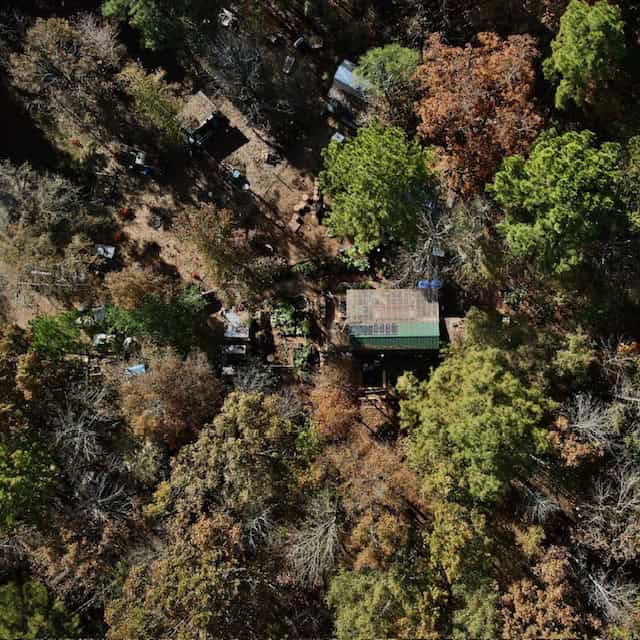
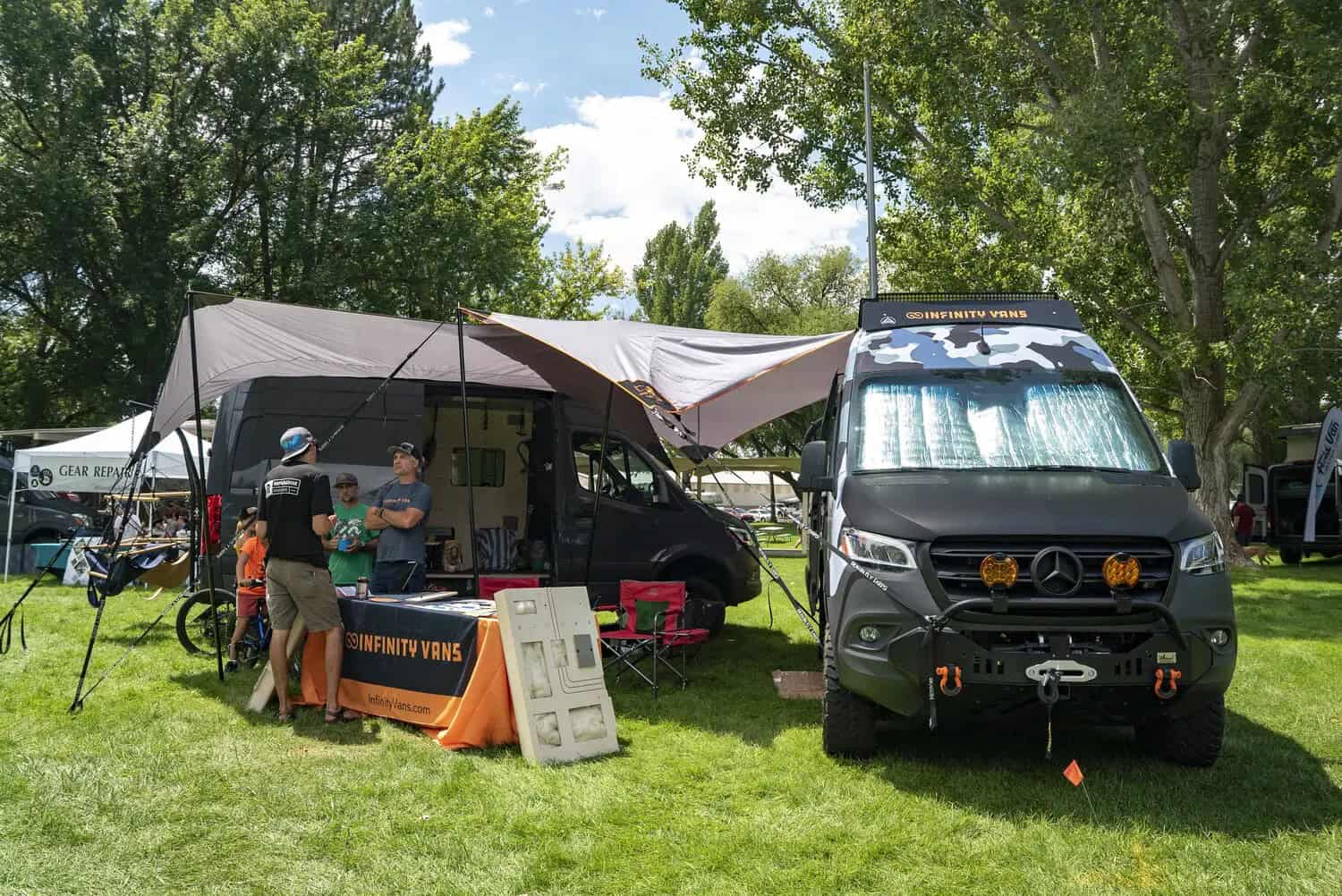
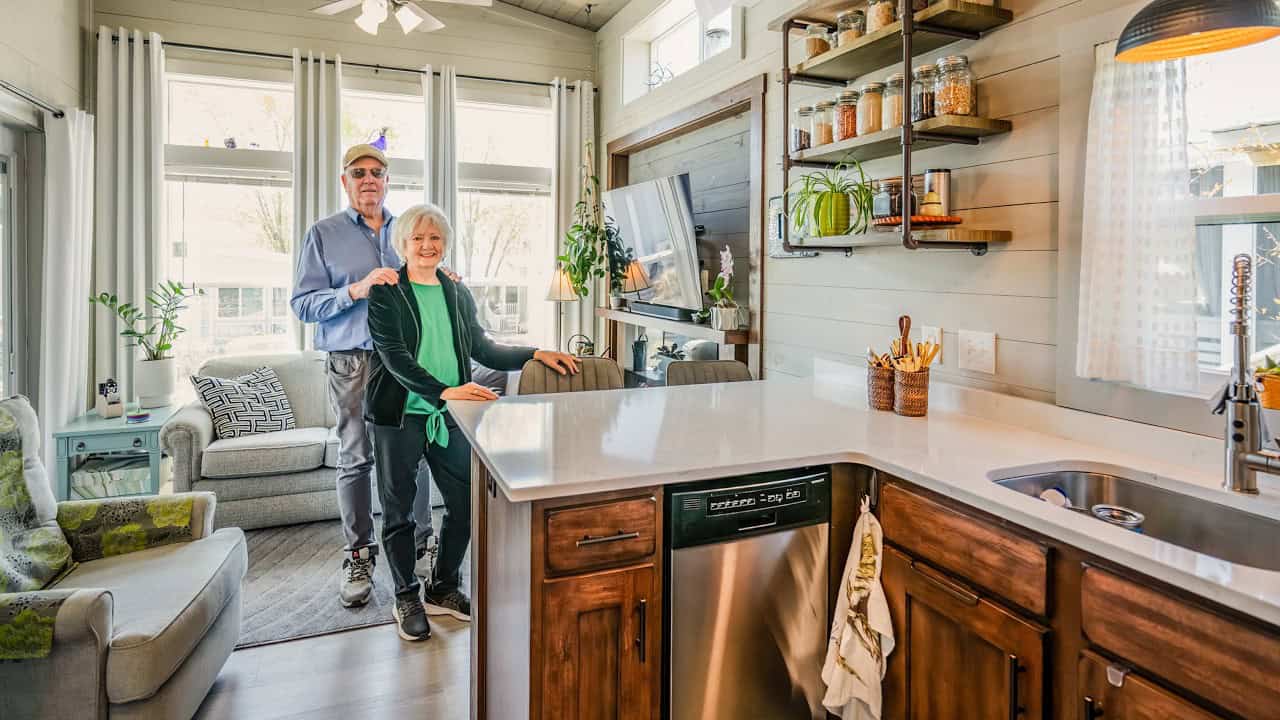
Image courtesy of United Tiny House Association
The Workshop Topics
The published lineup covers the systems that trip up most first-time off-gridders. Here’s what’s on the list, and why each one matters more than it sounds:
- Solar — The single biggest source of budget overruns in off-grid builds. Panel wattage is the easy part; battery bank sizing, inverter selection, and honest load calculations are where people get burned.
- Rainwater Collection — Catchment, filtration, and storage. Georgia gets enough rainfall to make this viable, and seeing a working system beats any diagram.
- Biogas Technology & Off-Grid Sewage — The topic almost nobody covers well online. Biogas digesters turn waste into usable cooking fuel, and this is one of the few places you’ll see one running in person.
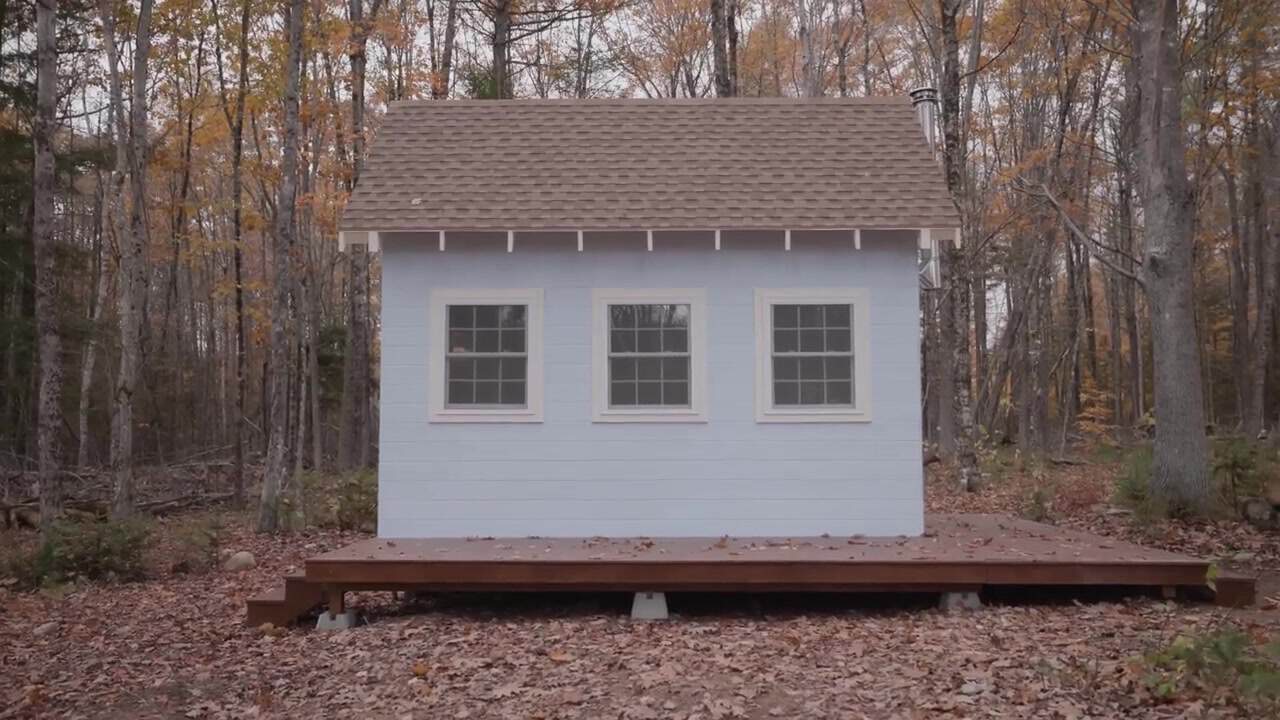
- Shed-to-Home Conversion 101 — Arguably the most practical path to an affordable dwelling right now. A finished shed shell costs a fraction of a custom THOW build.
- Humanure Composting — The full process, not just the theory. If you’ve read the Humanure Handbook and still felt uncertain, this is the class.
- Composting Toilets — Commercial units versus DIY, maintenance reality, and the questions people are too polite to ask.
- Earning Money with Your Property — The one that quietly makes the rest possible. The Kernohans rent out a yurt, domes, a skoolie, and tiny houses on their own land, so this isn’t hypothetical advice.
The organizers also note there are more classes beyond this list, plus a field trip to Villages Bans Portable Buildings — which pairs naturally with the shed-to-home session — and tours of the tiny homes and small houses on site.
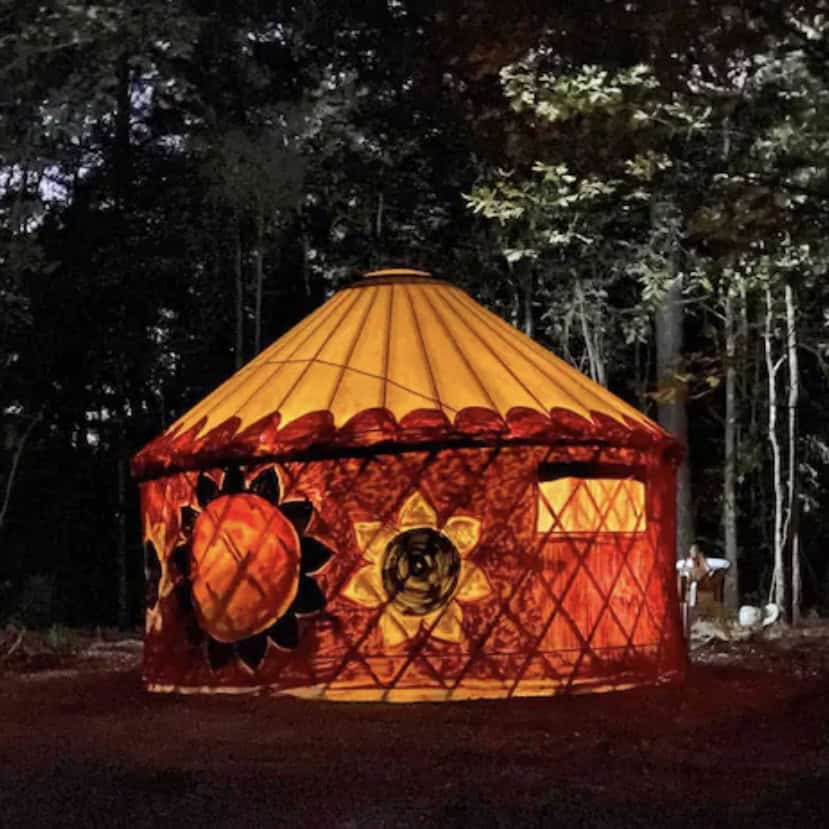
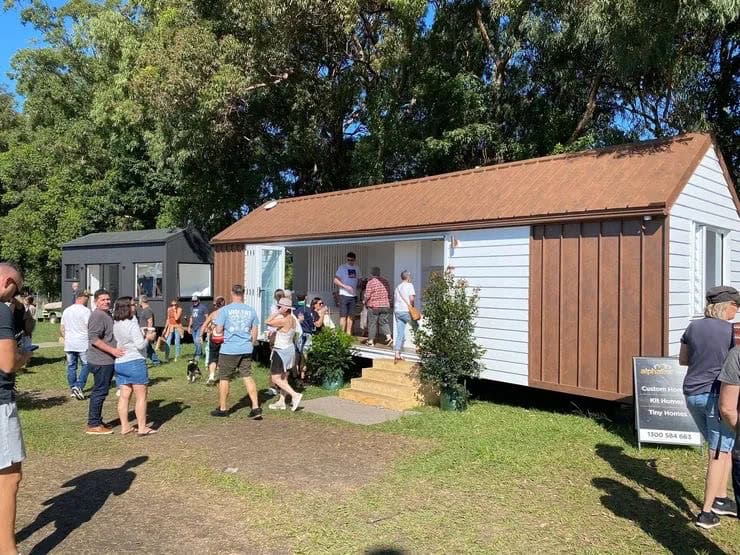
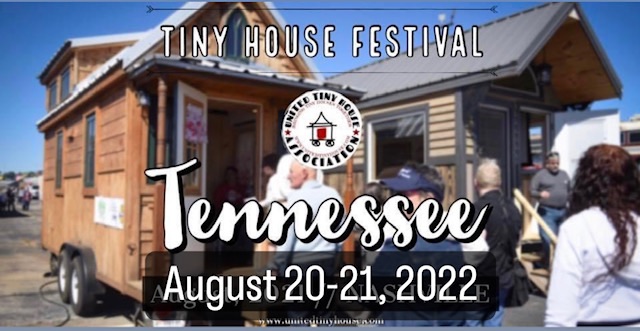
Image courtesy of United Tiny House Association
You Sleep in the Alternative Structures
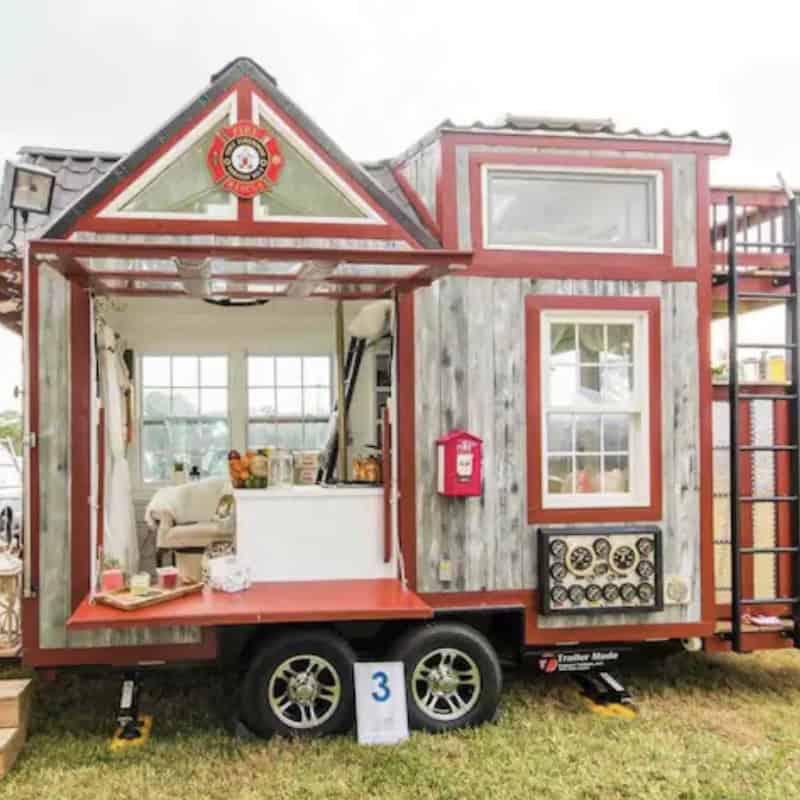
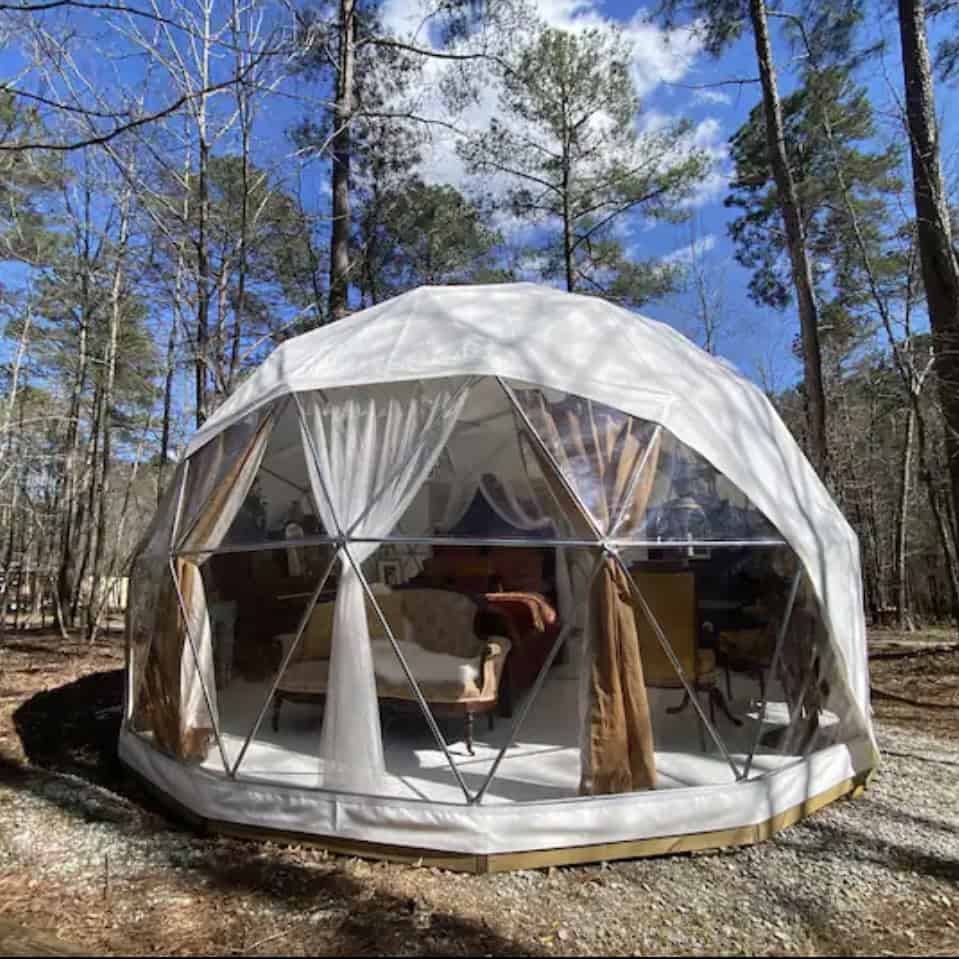
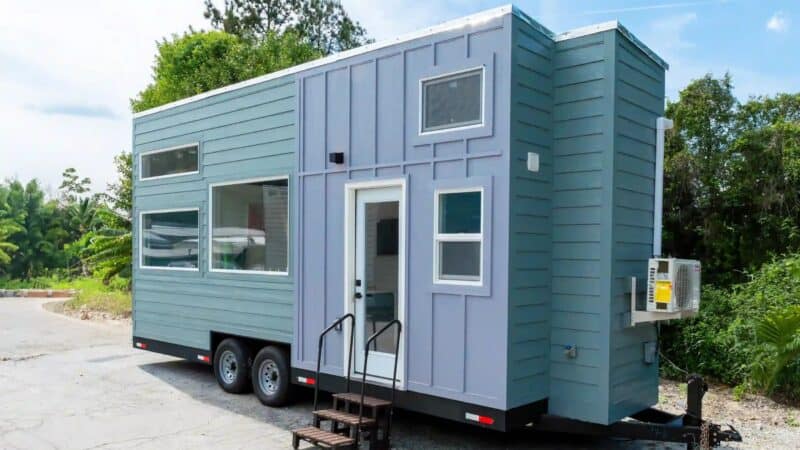
This is the part that separates these camps from a typical workshop weekend. On-site camping is free with registration, and the property also has a yurt, geodesic domes, a converted skoolie, and tiny houses available.
Spending two nights in a 14-foot yurt or a geodesic dome tells you things a tour never will. How does condensation behave overnight? Where does the cold settle? Is the round floor plan charming or annoying by the second morning? For anyone weighing a non-traditional dwelling, a weekend of actually sleeping in one is worth more than a month of research.
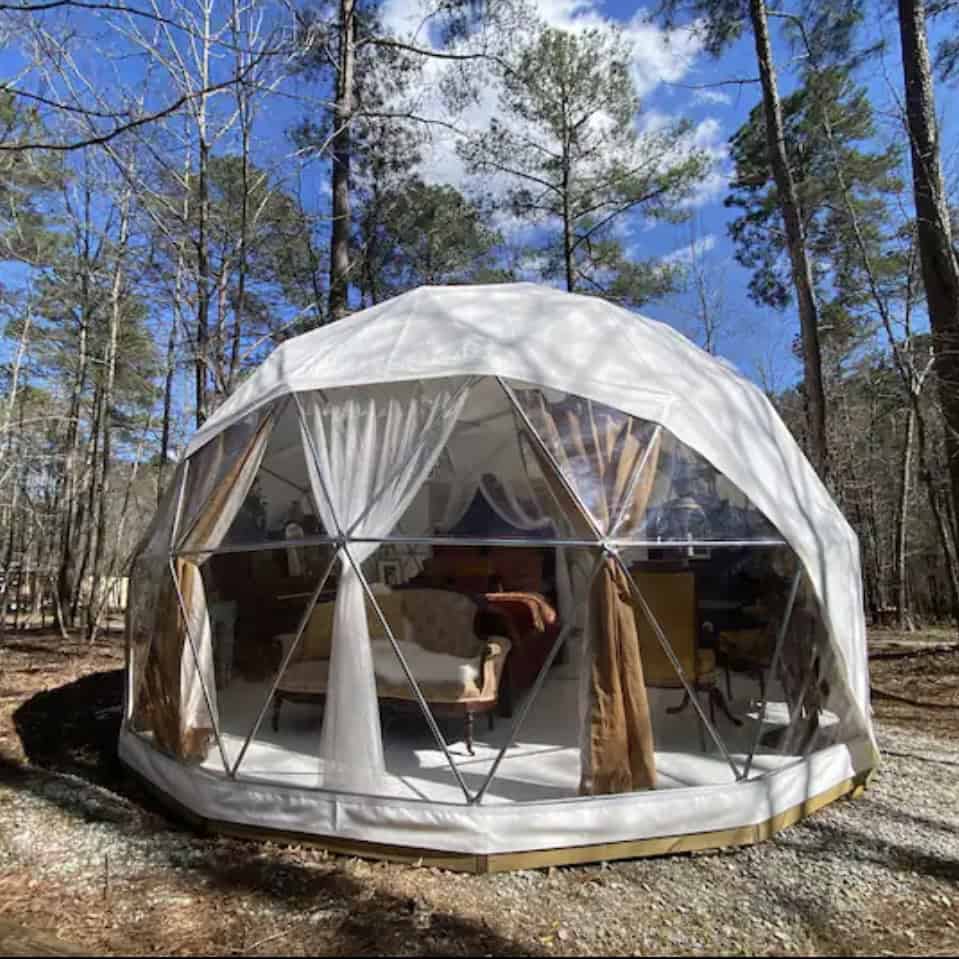
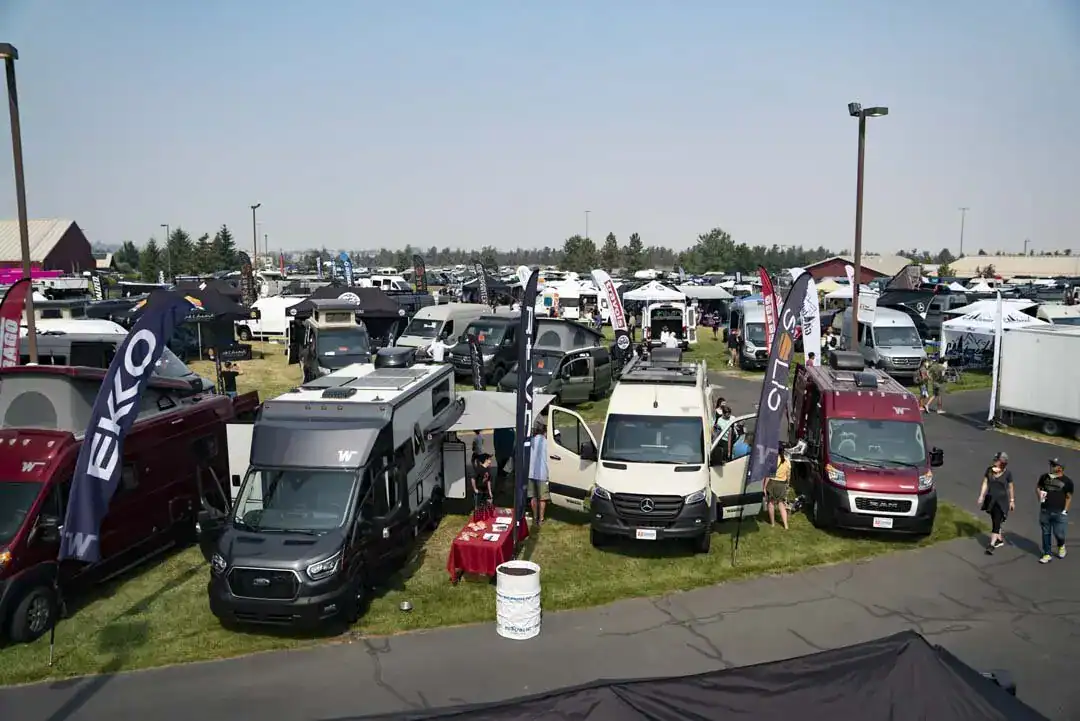
Image courtesy of United Tiny House Association
Remaining 2026 Dates
The 2026 season runs six weekends, and three are still ahead:
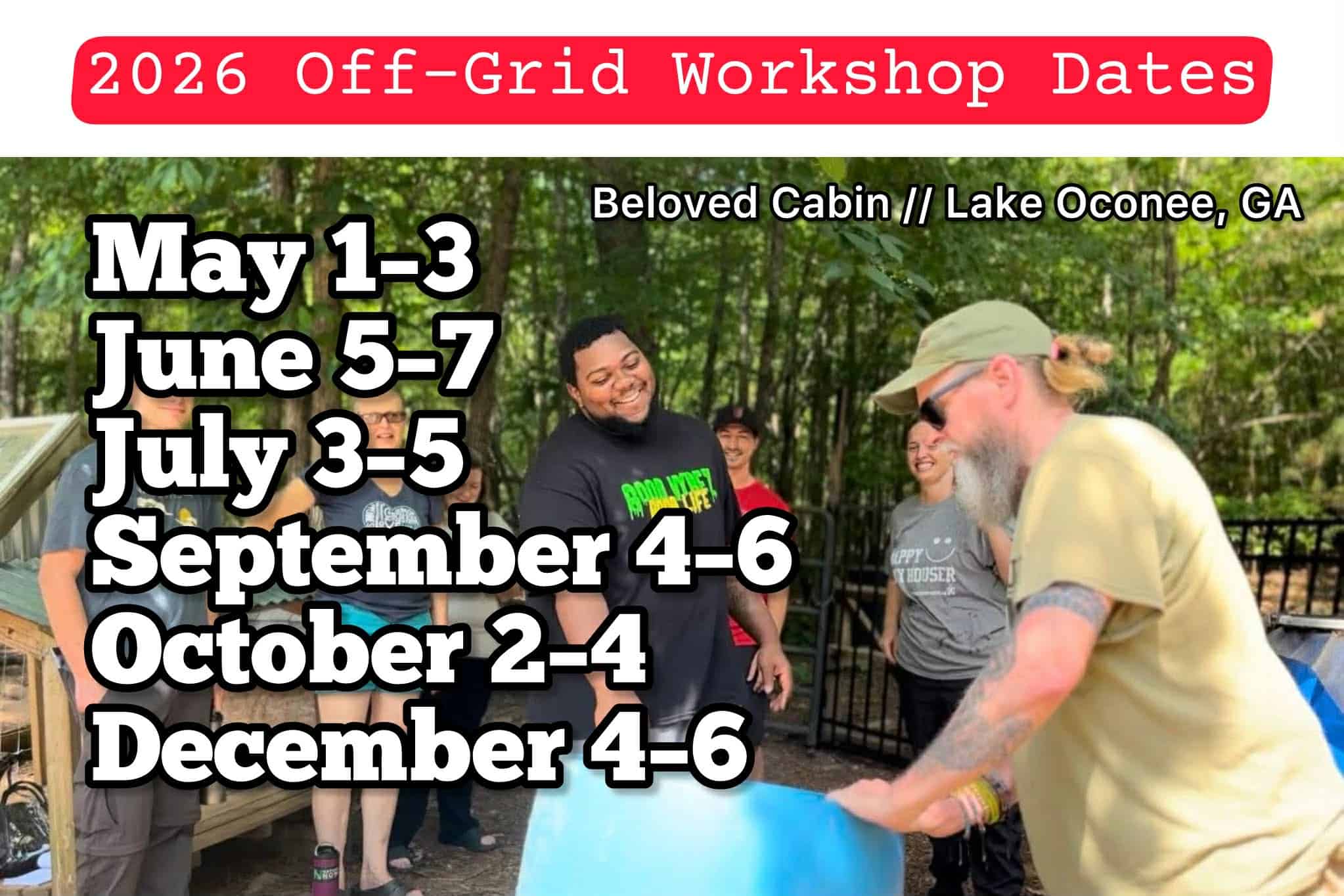
- September 4–6, 2026
- October 2–4, 2026
- December 4–6, 2026
The May 1–3, June 5–7, and July 3–5 camps have already passed. If you’re choosing between the remaining three, October is the sweet spot for Georgia weather — comfortable days, cool enough nights for the bonfire to feel earned, and no summer humidity while you’re standing around a solar array.
Cost
- Individual registration: $299
- Couple registration (2 people): $549
Split across three days of instruction, that’s roughly $100 a day per person, with free on-site camping included. For context, a single sizing mistake on a battery bank can cost more than the entire weekend. If you’re building with a partner, the couple rate saves $49 and means you both hear the same answers — which prevents a surprising number of arguments later.

Image courtesy of United Tiny House Association
Who These Camps Are For
Be honest with yourself about where you are in the process. These camps are a strong fit if you:
- Own land (or are close to buying) and need to decide on power, water, and waste systems
- Are considering a shed-to-home conversion and want to see one before committing
- Keep stalling on composting toilets or humanure because the online information feels incomplete
- Want to generate income from a property and need a model that already works
- Learn by doing rather than reading
They’re a weaker fit if you’re purely in the daydreaming phase with no property and no timeline — a free tiny house festival will scratch that itch for less money.
Other Ways to Attend
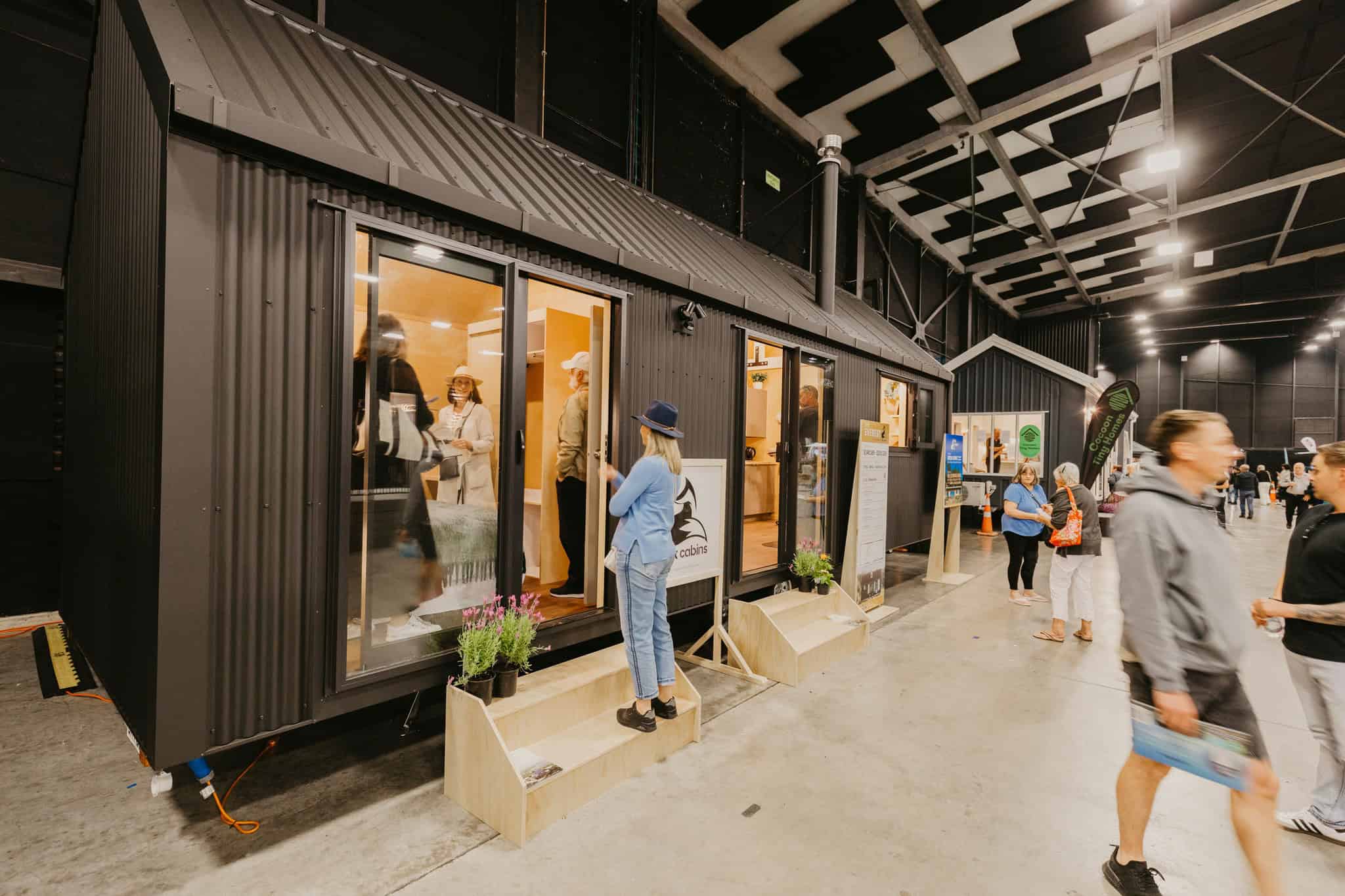
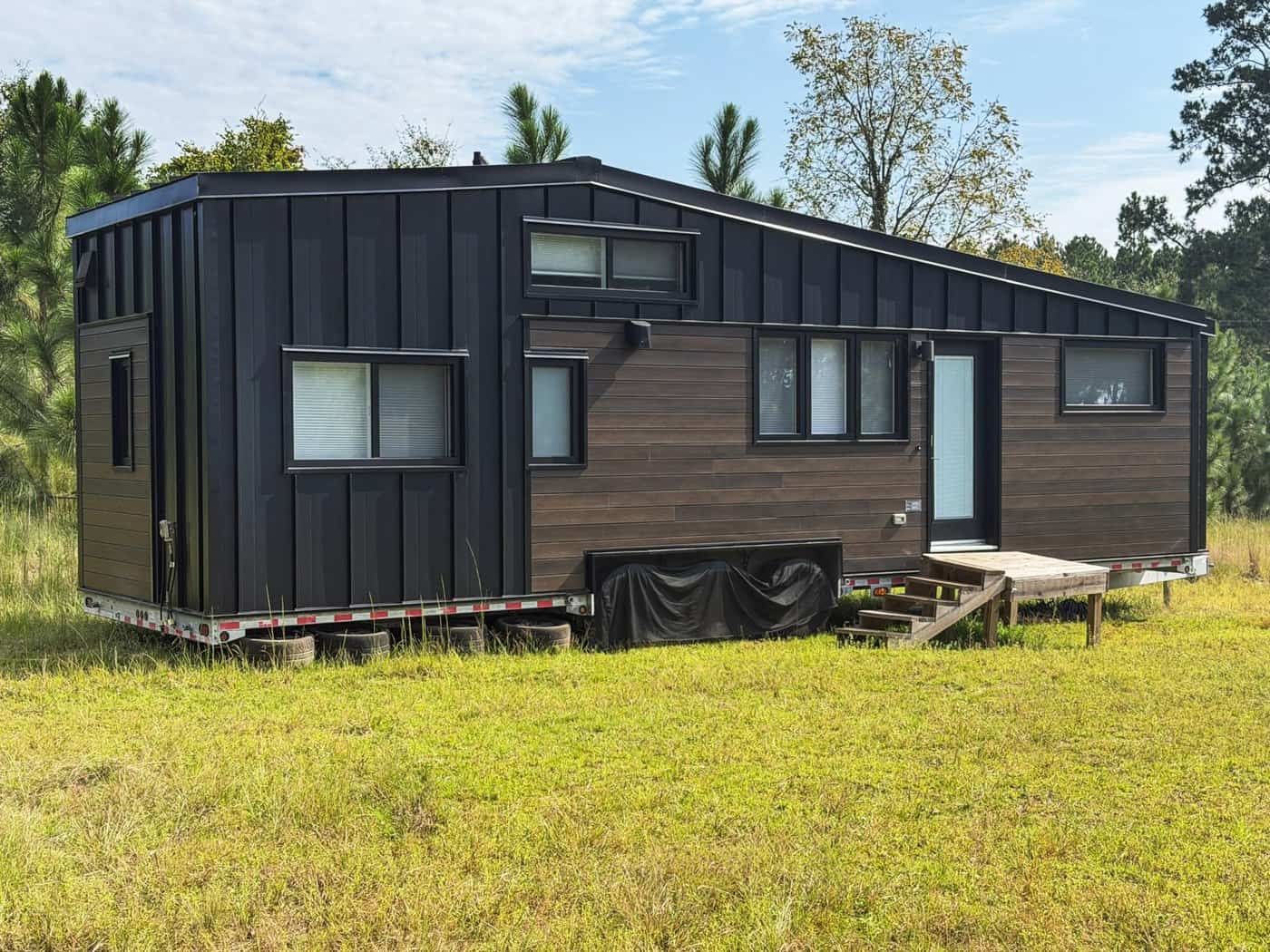
The United Tiny House Association also opens the weekends up to participants beyond paying attendees. Private tiny home owners can attend free in exchange for offering tours of their home. Vendors with relevant products and services, tiny home builders and manufacturers, food concession vendors, and volunteers are all invited to apply through the registration forms on the site.
If you own an interesting tiny home and enjoy talking about it, that free-attendance route is worth a look.
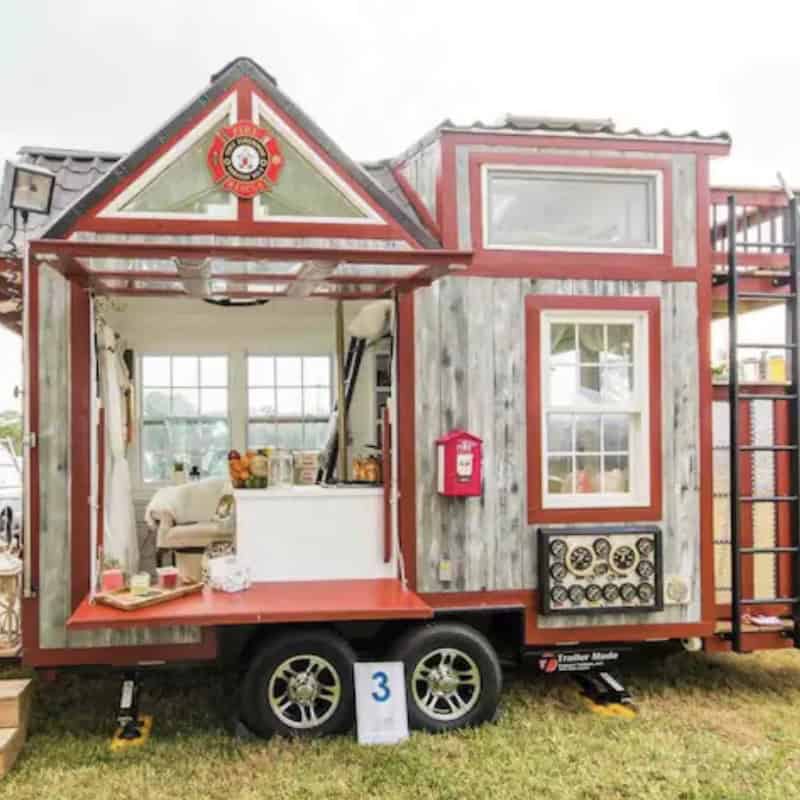
Image courtesy of United Tiny House Association
Event Details
- Event: 2026 Off-Grid Workshop Camps
- Hosts: John & Fin Kernohan, United Tiny House Association & Beloved Cabin Homestead & Stay
- Location: Beloved Cabin Homestead & Stay, Middle Georgia (31024), near Lake Oconee — about 1.5 hours east/southeast of Atlanta off I-20. Exact address provided to registered attendees.
- Remaining dates: September 4–6, October 2–4, December 4–6, 2026
- Hours: Friday first class 1 PM EDT, meet-n-greet 6 PM; Saturday & Sunday workshops 10 AM–5 PM EDT
- Price: $299 individual / $549 per couple
- Lodging: Free on-site camping; yurt, geodesic domes, skoolie, and tiny houses also available
Learn More
- 2026 Off-Grid Workshop Camps — event page
- Registration & tickets
- Vendor, builder, home owner & volunteer forms
- Contact the United Tiny House Association
Highlights
- Three-day hands-on off-grid workshop camps on a working Georgia homestead
- Classes on solar, rainwater collection, biogas and off-grid sewage, shed-to-home conversion, humanure, composting toilets, and property income
- Field trip to Villages Bans Portable Buildings plus tiny home and small house tours
- Free on-site camping, with a yurt, geodesic domes, a skoolie, and tiny houses also available to stay in
- Saturday potluck, bonfire, and live music
- $299 individual / $549 per couple
- Three dates left in 2026: September 4–6, October 2–4, and December 4–6
Would you spend a weekend learning this stuff hands-on, or are you the type who’d rather figure it out on your own property? Tell us in the comments.
Disclosure: This post may contain affiliate links. If you purchase through one of our links, we may earn a commission at no additional cost to you.


Alex
Latest posts by Alex (see all)
- The Atlas by Zook Cabins: A 233 Sq. Ft. Park Model With a Bed That Rolls Onto the Deck - October 22, 2026
- Red Oak Fire Lookout: An 80-Foot Steel Tower With a 14×14 Cab - October 22, 2026
- White Oak Treehouse: Built Into a 210-Year-Old Oak - October 22, 2026