
Disclosure: This post may contain affiliate links. If you purchase through one of our links, we may earn a commission at no additional cost to you.
Are you getting ready to buy your very own tiny house? Now comes the hard part – finding a reputable tiny house builder.
We at PAD Tiny Houses have heard from a number of people lately who bought tiny homes from professional builders, and now need significant repairs within the first year of living. It’s disappointing, but avoidable, so we asked an expert how to have a good tiny house buying experience.
When Derin Williams from Shelter Wise started building custom tiny homes in 2012, he was among the first tiny house builders in the country. Shelter Wise no longer builds custom homes, but does still offer their popular Hikari Box and Cider Box Tiny Houses, and Derin shares his unique expertise on tiny house design and construction through local and online consulting. With years of experience seeing how his own homes and the homes of others have stood the test of time, here are some of Derin’s tips for buying a tiny house.

Experience is Everything
Your builder should have a few tiny house builds under his or her belt. The standard remodeling contractor or new construction builder won’t have enough experience to build their first tiny house correctly. They will make mistakes. Some traditional builders will say, “It should be easy,” but it’s not. There are things that traditional builders are not aware of when it comes to building tiny spaces that also must hurdle down the road at 60 mph. There are nuances when building on a trailer, and special attention required to provide a safe and healthy environment.
Your builder should be providing you with references from past clients right off the bat. If not, ask for them. And no, their family and friends do not count as “client references.” And yes, you should still get references even if you saw their work on TV. TV cameras and professional lighting can make a home look amazing, but it may look very different in person, and may not live quite as large as they say. A “luxury” or “high-end” tiny house does not always mean a quality tiny house.
You may also want to connect with the tiny house community in your area on Facebook or Meetup to see if you can get in touch with someone who has worked with them.

Get a Contract and a Warranty
For goodness sakes, get a legal contract. Emails, handshakes, smiles and warm, fuzzy feelings are not a substitute for a good contract. Your builder should be providing this, and if he or she is not, then find someone who will. You can lose a lot of sleepless nights over debates about what was never written down and signed on, so get it all in writing. If your builder’s contract looks fishy or contains provisions you’re not comfortable with, request an explanation or ask to make changes. Contracts are usually written to protect the contractor, so you may need to speak up to protect yourself. You may even want to have an attorney who specializes in construction contract review the contract – in the end, their fee could actually save you money, and many sleepless nights.
If the builder provides a warranty, does it carry across state lines? If your builder is in Utah and you move your home to California, what happens when you have a plumbing leak or a window won’t close? Ask about distance and timelines for potential warranty-based repairs – and as with the contract, get it in writing. Typically warranties only cover workmanship and do not cover product failure. But let’s say, for instance, that your siding starts warping. If it’s a standard product that’s been installed on thousands of other homes, then the issue is probably an installation (aka workmanship) failure. But in order to prove this, the home would need to be partially deconstructed to reveal the cause of the problem. Who covers this cost when it’s one year later and you had a one year limited warranty? That’s a true story, unfortunately.
Your builder should also be able to show you that they are insured and bonded and better yet licensed, or at least that they meet the state requirements where they are located. Ask for proof of insurance, and ask what it covers.
Do they need to be RVIA certified? Not necessarily. For some customers it’s important to get an RV loan to purchase the house, but RVIA certification doesn’t operate as a stamp of quality workmanship. RVIA certification was designed for spaces that are meant to be used occasionally and not as full time homes – which is how many people are using their tiny houses on wheels. RVIA certification does promote certain health and safety requirements, but skips others that we think are pretty important – such as the use of interior products made with toxic chemicals that will be off-gassing into your tiny breathing space for years to come. We encourage people to do their own research on what RVIA certification offers them, but we also caution that “RVIA certified” does not mean “high quality tiny house certified.”

Be An Educated Buyer
Educate yourself and take a workshop on building a tiny house – even if you’re not building yourself. It will arm you with the right questions to ask, and help you decipher whether to call back that Craigslist contractor who said he could build you anything.
Do your homework about legality and parking. Tiny homes are not legal permanent residences in most places. The TV shows gloss over this finer point, but it’s true. Yes, there are plenty of people living in tiny houses, and there are areas in the country that are beginning to allow them, but for the most part they are still not legal and are subject to county code violations.
Many tiny house folks are interested in using salvaged materials to save money or get a unique look for their house, but know that you’ll have to pay more for labor to have them installed. Salvaged goods are great, but they often take extra elbow grease to work with. If your builder says using salvaged materials will cost more, they’re not ripping you off, they’re just being honest.
Shop Smart!
Throughout the shopping and building process, be kind and respect other people’s time. Builders are people too, and they’re usually doing the best they can and not trying to rip anyone off. But in this new and confusing market, it’s your responsibility to be a smart shopper. Do thorough research on your builder, educate yourself about the process, and you should be able to find someone to build you a solid tiny house that should last for many years.
Tiny House Designs By Shelter Wise
Shelter Wise offers DIY tiny house builders many great designs to work from. Five different Shelter Wise tiny house plan sets are available from PAD Tiny Houses. Here’s a quick guide to Shelter Wise’s work:
The Hikari Box Tiny House is light filled and spacious, with 14 windows, two skylights, and two sleeping lofts! Watch the video below for a tour from Derin, and learn more about the plans here.
[youtube https://www.youtube.com/watch?v=xmCnsKklG6I]
The Cider Box Tiny House has a double loft option as well, and a full kitchen, and even space for laundry. The plans available from PAD include designs for a 20 and 24 foot house.

The Bunk Box Tiny House uses unique construction techniques to create an extra-spacious interior and a cool industrial-chic feel. You’ll love the extra head height in the loft, too!

The Salsa Box Tiny House is super compact, super mobile and super affordable – the materials cost just $8,000, including the trailer!
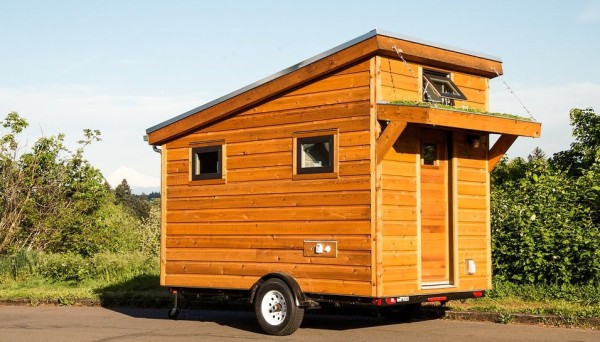
The Miter Box Tiny House has a great, modern feel, with a mix of warm wood and cool metal details. And the dining area is sized to convert into a second full bed to squeeze in overnight guests!

You can also contact Shelter Wise today to inquire about ordering a professionally-made Hikari Box or Cider Box Tiny House, or to schedule a one on one consultation with Derin for his unique technical expertise.
Disclosure: This post may contain affiliate links. If you purchase through one of our links, we may earn a commission at no additional cost to you.


Billy Ulmer
Latest posts by Billy Ulmer (see all)
- Cider Box Tiny House Plans 40% Off – Now With Editable 3D Model! - June 12, 2017
- Buying a Tiny House? Read This First! - February 6, 2017
- The Warm and Modern Bunk Box Tiny House on Wheels! - October 27, 2016









Join the Conversation
14 comments