Disclosure: This post may contain affiliate links. If you purchase through one of our links, we may earn a commission at no additional cost to you.
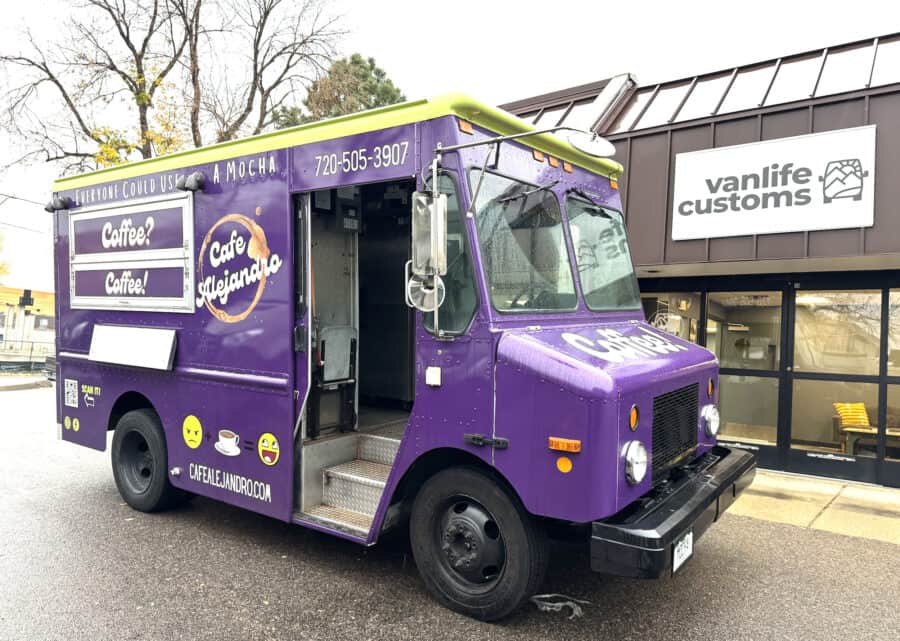
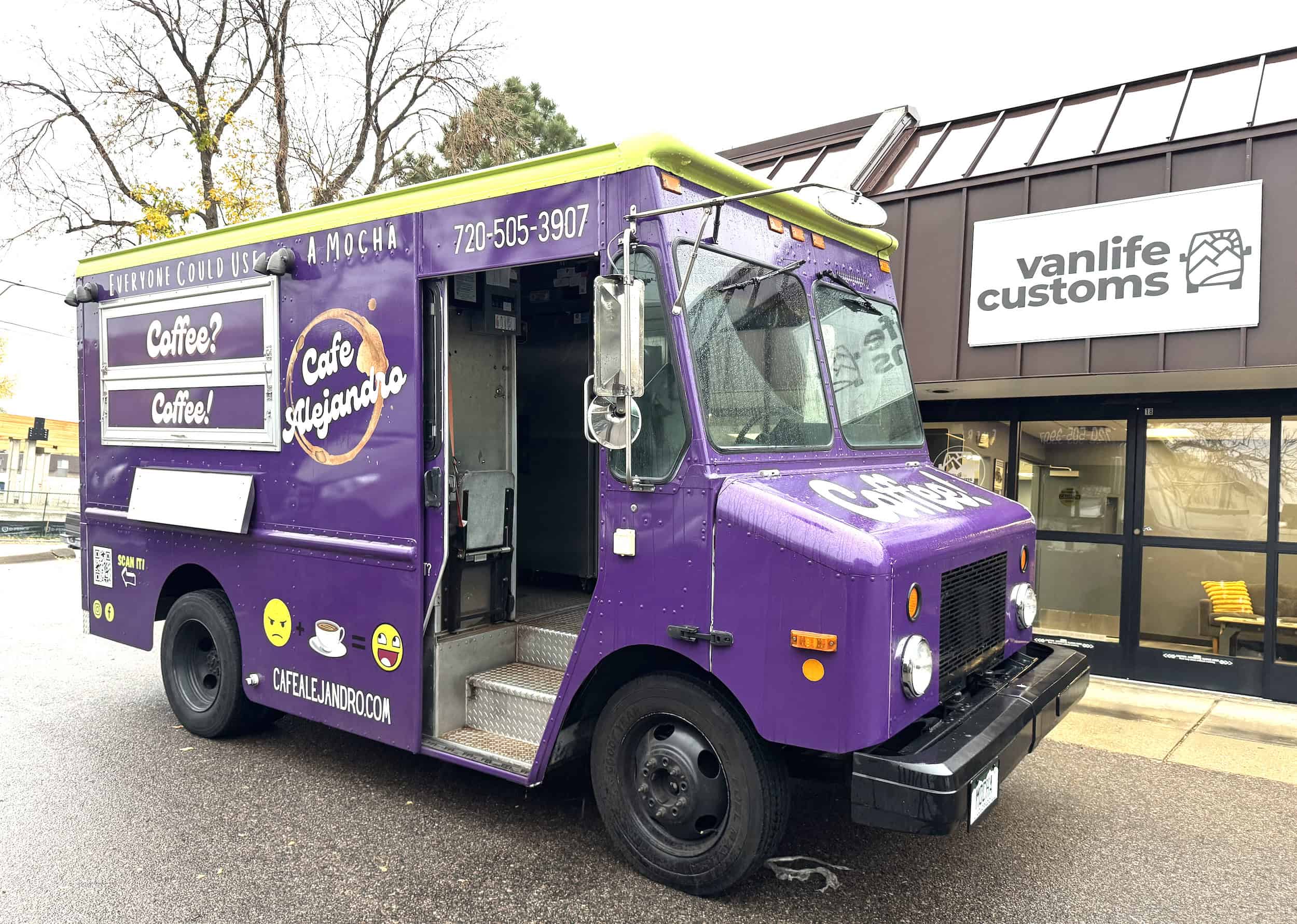
If you own a food truck or mobile business, you’re likely familiar with the constant hum, fuel costs, and emissions associated with traditional generators. What if there was a cleaner, quieter, and more cost-effective solution—and someone else paid for 80% of it? Vanlife Customs, in partnership with the Regional Air Quality Council (RAQC), is helping food truck owners transition to eco-friendly battery-powered systems through the innovative Engines Off Program. This comprehensive guide explores how you can upgrade your mobile business power system while significantly reducing your out-of-pocket costs.
The Problem with Traditional Food Truck Generators
Food truck owners understand that reliable power is the backbone of their business operations. From refrigeration units to cooking equipment, grills, and point-of-sale systems, every aspect of a mobile food business depends on consistent electrical power. However, the traditional solution—gas, propane, or diesel generators—comes with significant drawbacks that affect both your bottom line and the environment.
Traditional generators require constant refueling, creating an ongoing operational expense that cuts into profit margins. Beyond the financial burden, these generators emit harmful pollutants that contribute to poor air quality in the communities where food trucks operate. The noise pollution they generate can also be a nuisance to customers and nearby businesses, detracting from the overall dining experience you’re trying to create.
These environmental and operational challenges have prompted innovative solutions, and Vanlife Customs has positioned itself at the forefront of this transformation by offering custom battery-powered systems specifically designed for food trucks and other mobile businesses.
Introducing the RAQC Engines Off Program
The Regional Air Quality Council (RAQC) has developed the Engines Off Program as a strategic initiative to reduce emissions from mobile businesses throughout the region. This program recognizes that food trucks and similar mobile operations are essential parts of the local economy while also acknowledging their environmental impact when powered by traditional fossil fuel generators.
The program’s primary objective is to incentivize food truck owners to transition from polluting generators to clean, battery-powered electrical systems. By offering substantial financial assistance, the RAQC makes this transition accessible to businesses that might otherwise find the upfront costs prohibitive.
Program Benefits and Coverage
The most compelling aspect of the Engines Off Program is its generous financial support structure. The RAQC covers an impressive 80% of the total cost for battery system upgrades, with reimbursements available up to $20,000. This means that a food truck owner investing in a $25,000 battery system would only pay $5,000 out of pocket, with the RAQC covering the remaining $20,000.
This level of financial support transforms what would be a significant capital investment into an affordable upgrade that pays dividends through reduced fuel costs, lower maintenance expenses, and improved operational efficiency. The program effectively removes the primary barrier—cost—that prevents many mobile business owners from adopting cleaner technology.
Vanlife Customs: Your Partner in Power System Transformation
Vanlife Customs has established itself as a leader in custom van builds and mobile business solutions, bringing years of expertise in electrical system design and installation to the food truck industry. Their involvement in the RAQC Engines Off Program provides food truck owners with a trusted partner who understands both the technical requirements of battery systems and the unique operational demands of mobile food businesses.
The company specializes in creating custom battery solutions tailored to each food truck’s specific power requirements. Unlike one-size-fits-all approaches, Vanlife Customs conducts thorough assessments of your equipment, operational hours, and power consumption patterns to design a system that meets your exact needs without over-engineering or under-delivering.
Custom Battery Solutions
Every food truck operates differently, with varying equipment loads, service hours, and power demands. A breakfast burrito truck operating morning hours has vastly different requirements than a dinner-focused gourmet operation running evening service. Vanlife Customs recognizes these distinctions and designs battery systems accordingly.
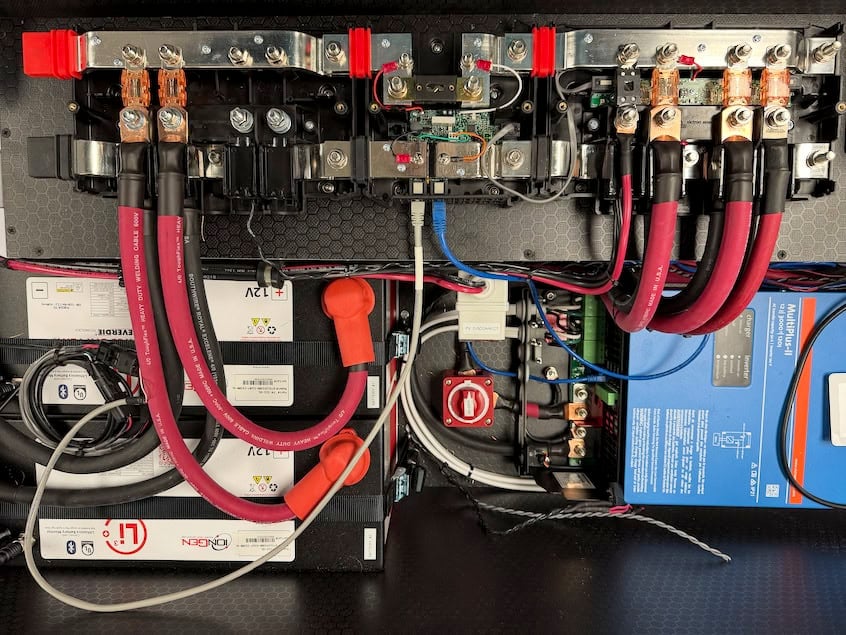
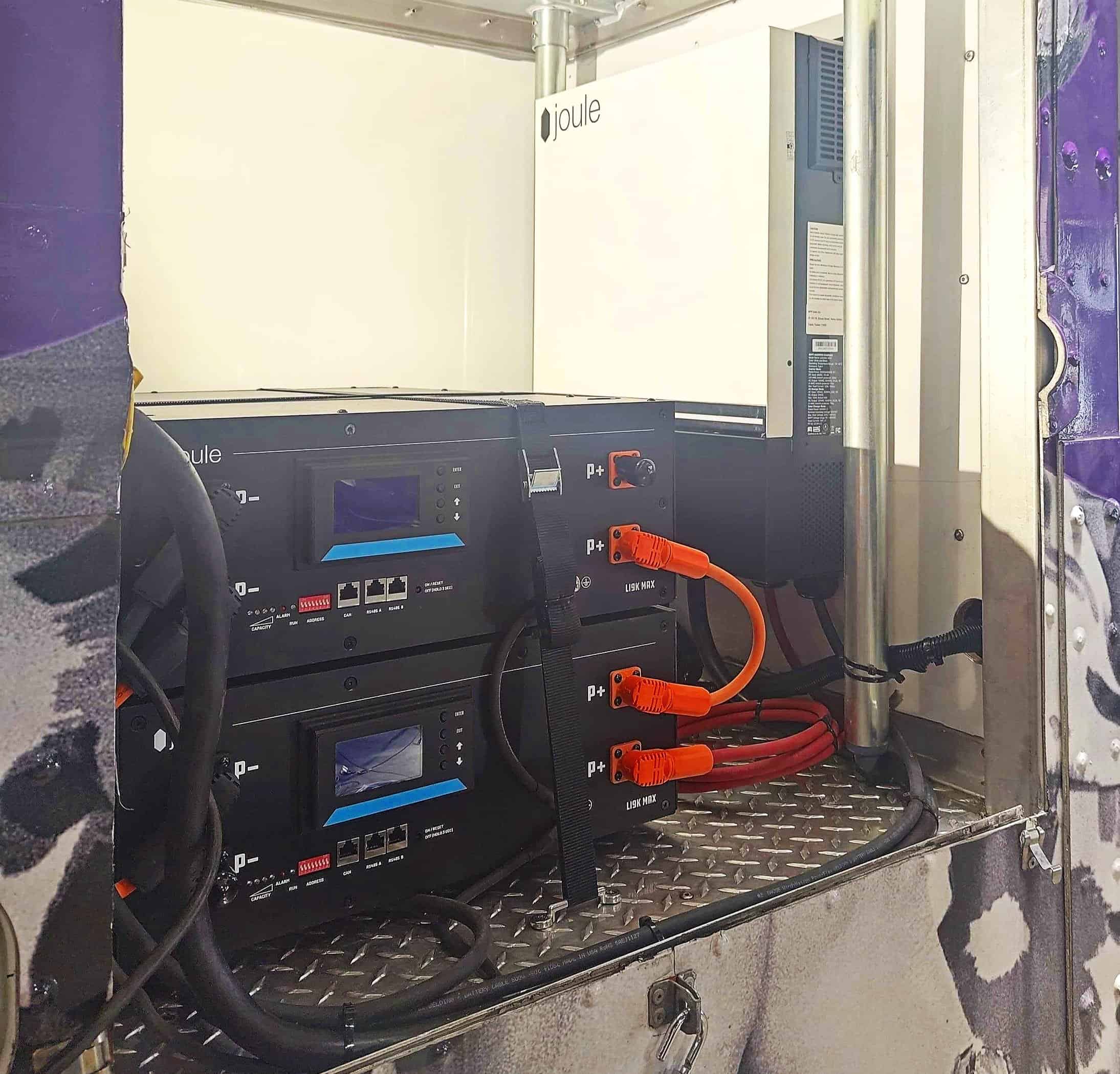
Their custom solutions typically include high-capacity lithium battery banks, sophisticated battery management systems, charging infrastructure, and integration with existing electrical panels. The systems are designed to handle the high amperage demands of commercial cooking equipment while providing the runtime necessary for full service days without recharging.
The Application Process: Step-by-Step Guide
Navigating the RAQC Engines Off Program requires following a specific application process designed to ensure proper use of public funds and verify that installations meet program standards. Vanlife Customs guides food truck owners through each step, simplifying what might otherwise be a complex bureaucratic process.
Step 1: Initial Consultation and Assessment
The process begins with contacting Vanlife Customs to discuss your food truck’s power needs and operational requirements. During this consultation, their team will assess your current generator setup, inventory your electrical equipment, and discuss your typical service schedule. This information forms the foundation for designing an appropriate battery system.
Step 2: System Design and Cost Estimation
Based on the initial assessment, Vanlife Customs creates a detailed system design with component specifications and cost estimates. This proposal outlines the battery capacity, inverter specifications, charging system, and installation requirements. The detailed estimate is essential for the RAQC application, as it demonstrates the total project cost and the corresponding reimbursement amount.
Step 3: RAQC Application Submission
With the system design and cost estimate in hand, you’ll submit an application to the RAQC Engines Off Program. The application requires information about your business, current generator specifications, proposed battery system details, and cost documentation. Vanlife Customs assists with compiling the technical information required for a complete application.
Step 4: Generator Recycling Requirement
A critical component of the program is the proper disposal of your existing generator. The RAQC requires that old generators be recycled through approved channels to ensure they’re permanently removed from service and don’t simply get resold to create emissions elsewhere. This recycling requirement ensures the program achieves its environmental objectives.
Vanlife Customs coordinates the generator recycling process, connecting you with approved recycling facilities and ensuring proper documentation. This step is non-negotiable for program participation—you cannot keep your old generator as a backup while receiving RAQC funding for the battery system.
Step 5: System Installation
Once your application is approved, Vanlife Customs schedules the battery system installation. The installation process typically requires several days, depending on the system complexity and any necessary modifications to your food truck’s existing electrical infrastructure. During installation, the team ensures all components are properly integrated, tested, and optimized for your specific equipment loads.
Step 6: Documentation and Reimbursement
After installation completion, you’ll submit final documentation to the RAQC, including installation receipts, generator recycling confirmation, and system verification photos. The RAQC processes reimbursement requests within 6-12 weeks, issuing payment for 80% of the total cost up to the $20,000 maximum.
This timeline means you’ll need to pay the full installation cost upfront and wait for reimbursement, so food truck owners should plan their cash flow accordingly. However, the substantial reimbursement makes the temporary financial outlay worthwhile for most businesses.
Technical Advantages of Battery-Powered Systems
Beyond the environmental and financial incentives, battery-powered systems offer numerous technical and operational advantages over traditional generators that improve daily food truck operations.
Silent Operation
Perhaps the most immediately noticeable benefit is the elimination of generator noise. Battery systems operate silently, creating a more pleasant environment for customers and reducing noise complaints in urban areas or at events. This quiet operation also improves communication between staff members and enhances the overall customer experience.
Zero Direct Emissions
Battery systems produce no exhaust fumes, eliminating the unpleasant smell and air pollution associated with generators. This is particularly important when operating in enclosed spaces, near other vendors, or in areas with strict air quality regulations. The absence of emissions also means you can operate in locations that might prohibit generator use.
Reduced Maintenance Requirements
Generators require regular oil changes, filter replacements, spark plug maintenance, and periodic engine servicing. Battery systems have far fewer moving parts and require minimal maintenance beyond occasional cleaning and connection checks. This reduction in maintenance translates to lower long-term operating costs and less downtime.
Instant Power Availability
Unlike generators that require startup time and warm-up periods, battery systems provide instant power at the flip of a switch. This convenience improves operational efficiency, particularly during busy service periods when every minute counts.
Consistent Power Quality
Battery systems with quality inverters provide clean, consistent power that’s better for sensitive electronics like point-of-sale systems, refrigeration controllers, and digital menu boards. The stable power output can extend the lifespan of your equipment and reduce the risk of voltage-related failures.
Economic Analysis: Long-Term Cost Savings
While the RAQC reimbursement significantly reduces the initial investment, it’s important to understand the long-term economic benefits of battery-powered systems to appreciate their full value proposition.
Fuel Cost Elimination
Food trucks typically spend hundreds to thousands of dollars monthly on generator fuel, depending on operating hours and fuel prices. A battery system charged from shore power or solar panels eliminates these recurring fuel costs entirely. Over a five-year period, fuel savings alone can exceed the total system cost, even without the RAQC reimbursement.
Reduced Maintenance Expenses
Generator maintenance—oil changes, filter replacements, tune-ups, and repairs—adds up quickly. Battery systems require minimal maintenance, saving both money and the time spent on generator upkeep. These savings compound over the system’s lifespan, which can exceed 10 years with proper care.
Increased Operational Flexibility
The ability to operate in generator-restricted locations opens new revenue opportunities. Many premium events, indoor venues, and urban locations prohibit generator use but welcome battery-powered food trucks. This expanded market access can increase revenue potential beyond what traditional fuel cost savings alone would provide.
Property Value Enhancement
If you ever sell your food truck, a professionally installed battery system represents a valuable upgrade that can increase resale value. Buyers recognize the benefits of clean power systems and are often willing to pay premium prices for trucks already equipped with modern battery infrastructure.
Environmental Impact and Community Benefits
The RAQC Engines Off Program exists because generator emissions contribute meaningfully to regional air quality problems. Understanding the environmental impact of your power system transition helps contextualize why these incentives exist and how your business contributes to community health.
Emissions Reduction
A typical food truck generator running eight hours daily produces significant quantities of carbon monoxide, nitrogen oxides, particulate matter, and volatile organic compounds. These pollutants contribute to smog formation, respiratory health problems, and climate change. By eliminating generator use, your food truck removes these emissions from the communities you serve.
Cumulative Community Impact
While one food truck’s emissions might seem insignificant, the cumulative effect of dozens or hundreds of mobile businesses in a region creates substantial air quality impacts. The RAQC program’s success depends on widespread adoption, creating a multiplier effect where each participating business contributes to measurable air quality improvements.
Leadership and Example
Early adopters of battery power systems demonstrate environmental leadership within the food truck community. Your visible commitment to clean power can influence other operators to consider similar upgrades, accelerating the industry’s overall transition to sustainable power solutions.
Charging Infrastructure and Daily Operations
A common question about battery-powered food trucks concerns charging logistics—how do you ensure your batteries are ready for each service day?
Shore Power Charging
Most food trucks have access to standard electrical outlets at their storage location or commissary kitchen. Battery systems can recharge overnight using shore power connections, ensuring full capacity each morning. Vanlife Customs designs charging systems that optimize recharge times while protecting battery longevity through smart charging algorithms.
Solar Integration Options
Some food truck owners enhance their battery systems with roof-mounted solar panels that provide supplemental charging during operation. While solar alone typically cannot power a food truck’s full electrical load, it extends battery runtime and reduces charging requirements, particularly beneficial for trucks operating in sunny climates or at outdoor events.
Backup Charging Solutions
For situations where overnight charging isn’t possible, portable charging solutions or quick-charge capabilities can be integrated into the system design. Vanlife Customs considers your specific operational patterns when designing charging infrastructure to ensure you’re never caught without power.
Eligibility and Program Requirements
Understanding program eligibility ensures you don’t invest time in the application process only to discover your business doesn’t qualify.
Geographic Requirements
The RAQC Engines Off Program serves specific regions within the council’s jurisdiction. Food truck owners should verify that their primary operating area falls within the eligible geographic zone. Vanlife Customs can help determine eligibility based on your business location.
Business Documentation
Applicants must provide proof of business operation, including licenses, permits, and insurance documentation. The program targets legitimate operating businesses rather than hobbyists or new ventures without established operational history.
Generator Age and Condition
The program typically requires that replaced generators be functional units that would otherwise continue operating. This ensures the program achieves actual emissions reductions rather than simply subsidizing upgrades that would have happened anyway due to equipment failure.
Why Choose Vanlife Customs for Your Battery System Installation
While the RAQC program is open to various installers, partnering with Vanlife Customs offers distinct advantages rooted in their specialized expertise and commitment to quality.
Proven Expertise in Mobile Power Systems
Vanlife Customs has extensive experience designing and installing electrical systems for mobile applications. This expertise translates directly to food truck installations, where space constraints, vibration resistance, and mobile-specific electrical challenges require specialized knowledge.
Custom Design Approach
Rather than offering standardized packages, Vanlife Customs creates custom solutions matched to your specific equipment and operational needs. This tailored approach ensures you get exactly the capacity you need without paying for unnecessary oversizing or suffering from inadequate undersizing.
Quality Component Selection
The company sources premium components from reputable manufacturers, ensuring reliability and longevity. Battery systems represent significant investments, and component quality directly impacts system lifespan and performance reliability.
Comprehensive Support
From initial consultation through RAQC application assistance, installation, and post-installation support, Vanlife Customs provides comprehensive service throughout the entire process. This support simplifies what could otherwise be a complex undertaking for busy food truck operators.
Program Navigation Expertise
Having worked with multiple food truck owners through the RAQC program, Vanlife Customs understands the application requirements, documentation needs, and potential pitfalls. Their guidance helps ensure applications are complete and accurate, reducing delays and rejection risks.
Real-World Operational Considerations
Transitioning from generator to battery power requires some operational adjustments, though most food truck owners find these changes minor compared to the benefits.
Power Management Awareness
While properly sized battery systems provide ample power for full service days, operators develop awareness of their power consumption and remaining capacity. Modern battery management systems provide real-time monitoring, helping you understand usage patterns and optimize operations.
Equipment Efficiency Optimization
The transition to battery power often motivates food truck owners to evaluate equipment efficiency. Upgrading to energy-efficient refrigeration, LED lighting, and optimized cooking equipment can extend battery runtime and reduce system size requirements.
Charging Routine Integration
Establishing a reliable charging routine becomes part of your operational workflow, similar to how you currently manage generator fueling. Most operators find overnight charging at their storage location integrates seamlessly into existing routines.
Future-Proofing Your Mobile Business
The food truck industry is evolving toward cleaner, more sustainable operations. Investing in battery power systems now positions your business advantageously for future regulatory changes and market preferences.
Regulatory Trends
Many municipalities are implementing stricter emissions regulations and noise ordinances that increasingly restrict generator use in urban areas. Battery-powered food trucks will have competitive advantages as these regulations expand.
Event Access
Premium events, festivals, and venues increasingly prefer or require emission-free vendors. Battery power systems ensure you can access these lucrative opportunities while competitors with generators face restrictions.
Consumer Preferences
Growing environmental consciousness among consumers makes sustainable business practices increasingly important for brand reputation. Operating a zero-emission food truck becomes a marketing advantage that resonates with environmentally conscious customers.
Getting Started: Your Next Steps
If you’re ready to explore replacing your food truck generator with a battery-powered system through the RAQC Engines Off Program, the process begins with a simple consultation.
Contact Vanlife Customs
Reach out to Vanlife Customs to schedule an initial consultation where you’ll discuss your food truck’s power requirements, operational patterns, and business goals. This conversation forms the foundation for designing an appropriate system.
Receive Custom Proposal
Based on your consultation, Vanlife Customs will create a detailed proposal outlining the recommended battery system, component specifications, installation timeline, and total costs. This proposal serves as your roadmap for the project and provides the documentation needed for RAQC application.
Apply for RAQC Funding
With Vanlife Customs’ assistance, submit your application to the RAQC Engines Off Program, including all required documentation and technical specifications. The team helps ensure your application is complete and accurate.
Schedule Installation
Once approved, work with Vanlife Customs to schedule your installation during a time that minimizes business disruption. Many food truck owners choose off-season periods or slower business weeks for installation.
Begin Clean Operations
After installation and system testing, you’ll begin operating your food truck with clean, quiet battery power while awaiting your RAQC reimbursement. The immediate benefits—no generator noise, no fuel costs, no emissions—become apparent from day one.
Conclusion: A Transformative Opportunity for Food Truck Owners
The RAQC Engines Off Program, combined with Vanlife Customs’ expertise in battery power systems, represents a unique opportunity for food truck owners to modernize their operations while receiving substantial financial support. With 80% cost coverage up to $20,000, the program makes what would be a significant investment remarkably affordable.
Beyond the immediate financial benefits, battery-powered systems deliver ongoing operational advantages: eliminated fuel costs, reduced maintenance, silent operation, zero emissions, and access to premium venues and events. These benefits compound over time, improving both profitability and operational flexibility.
The environmental impact extends beyond your individual business, contributing to improved air quality in the communities you serve and demonstrating leadership within the mobile food industry. As regulatory trends and consumer preferences increasingly favor sustainable operations, early adopters of battery power systems position themselves advantageously for long-term success.
Vanlife Customs brings specialized expertise, custom design capabilities, and comprehensive support to guide you through every step of the transition—from initial assessment through RAQC application, installation, and ongoing operation. Their experience with mobile power systems ensures your battery installation meets the unique demands of food truck operations while maximizing the benefits of clean, reliable power.
If you’re ready to replace your noisy, polluting generator with a modern battery system while receiving substantial financial support, the time to act is now. Program funding is limited, and early applicants benefit from streamlined processing and priority scheduling.
Visit Vanlife Customs to learn more about food truck battery power systems and begin your journey toward cleaner, quieter, more cost-effective mobile business operations.
Disclosure: This post may contain affiliate links. If you purchase through one of our links, we may earn a commission at no additional cost to you.


Alex
Latest posts by Alex (see all)
- A Hotel Designer’s 484 Sq Ft Milan Apartment with a Rotating Room Divider - October 9, 2026
- Hermosa Orchards Village: A Durango Tiny Home Community with Its Own Fruit Orchard - October 9, 2026
- The Sanctuary Minnesota: A Tiny House Village on 80 Acres of Woods - October 9, 2026