I’m so glad Deb Nardi sent me this article on Ken Ilgunas, a Duke graduate who is now telling all about how he lived in a van to stay out of debt while finishing his grad studies at the University.
By the way, before that, he had completed his undergrad studies in Buffalo, and ended up with $32,000 of debt because of it.
And he was turned down for 25 paid internships after that with his college degree. So he was working at Home Depot for $8 an hour.
Before he went back to graduate school, he dedicated two and half years to working and paying off the student loan debt he accumulated.
Even after all of this, Ken was NOT willing to give up on his education. In fact, he seemed to be even hungrier for it. But how would he afford it without getting another student loan?
His solution? To create his own “Walden on Wheels,” as he calls it.
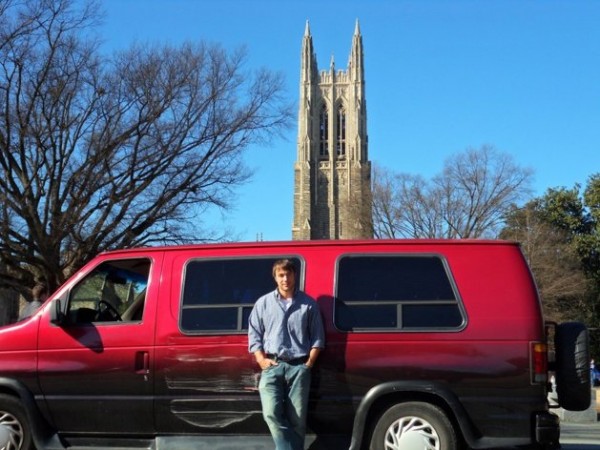
Photo Ken Ilgunas
“The van was more than just a way to save money. I wanted it to be an experience, to see how little I could spend. I didn’t want to be borrowing money from my parents any time I had a hardship.”
[continue reading…]
{ }
Have you ever wanted a to convert an existing structure like a shed, barn or garage into a tiny cottage or other type of home? It’s a great way to transition into a simple lifestyle especially if you have a solid structure that you can already use.
With a good architect or some of your own design and DIY skills you can create an amazing tiny house out of an existing structure.
For more stories like this, join our FREE Tiny House Newsletter!
Beautiful Garage to Cottage Conversion

Let me take you inside below:
[continue reading…]
{ }
I thought I’d show you Nancy’s tiny house.
It’s approximately 14’x9′ and is really unique because it’s a flexible, breathable structure.
And it’s made from materials around the sheep pasture where it’s located in Turangi, New Zealand.
These materials include bamboo, silage netting and wool from the thousands of sheep there.
By the way, Tika Whare means “true home” in Maori. And Maori are the people of New Zealand.
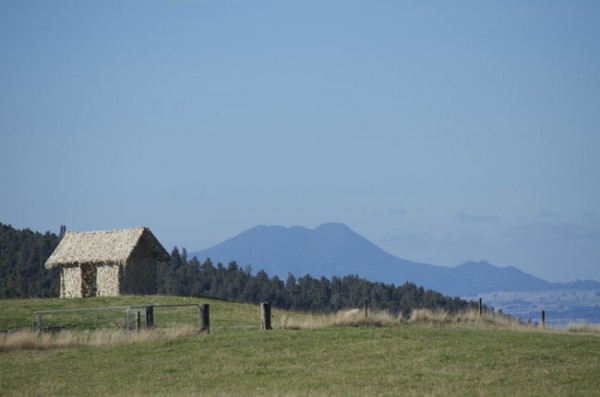
Photo Credit Nancy Milliken
[continue reading…]
{ }
Just wanted to let you know that I’m on my way to the Vermont for the Yestermorrow tiny house fair this morning.
I’m so excited to get to hang out with 30+ other tiny house enthusiasts along with the likes of Dee Williams, Jay Shafer, Derek Diedricksen, Brian Levy, Lee Pera, Abel Zyl Zimmerman, Peter King, Dan Louche, Mariah Coz, Tammy Strobel, Logan Smith, Abe Noe-Hays, Gwendolyn Hallsmith, Lina Menard, Sam Harrington, and more. I’m so excited!
I’ll do my best to update the blog and our Facebook while I’m there and Yestermorrow will be doing the same thing here.
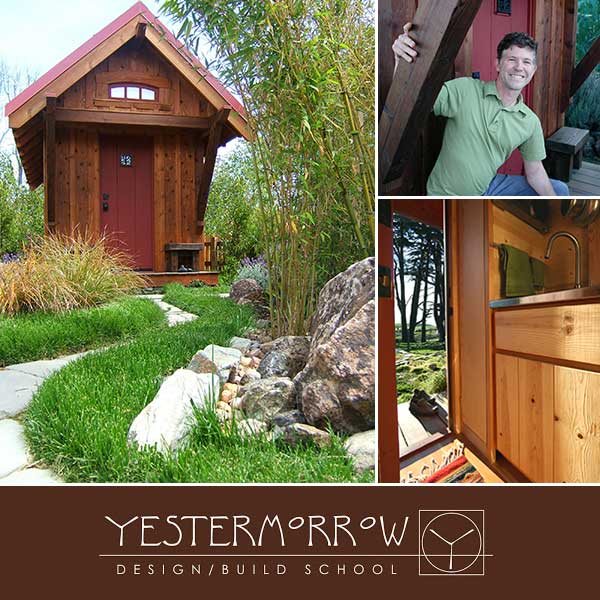
Photo Credit Four Lights Tiny Houses
[continue reading…]
{ }
I thought I’d share this tiny house community that’s been around for more than 100 years in Toronto with you.
It started many years ago when for less than 100 dollars you could buy a lot and you were sold the lumber to build your own home.
It is located in Craven Road in Toronto and the houses are all under 500 square feet.
Tiny house community in Toronto that’s more than 100 years old
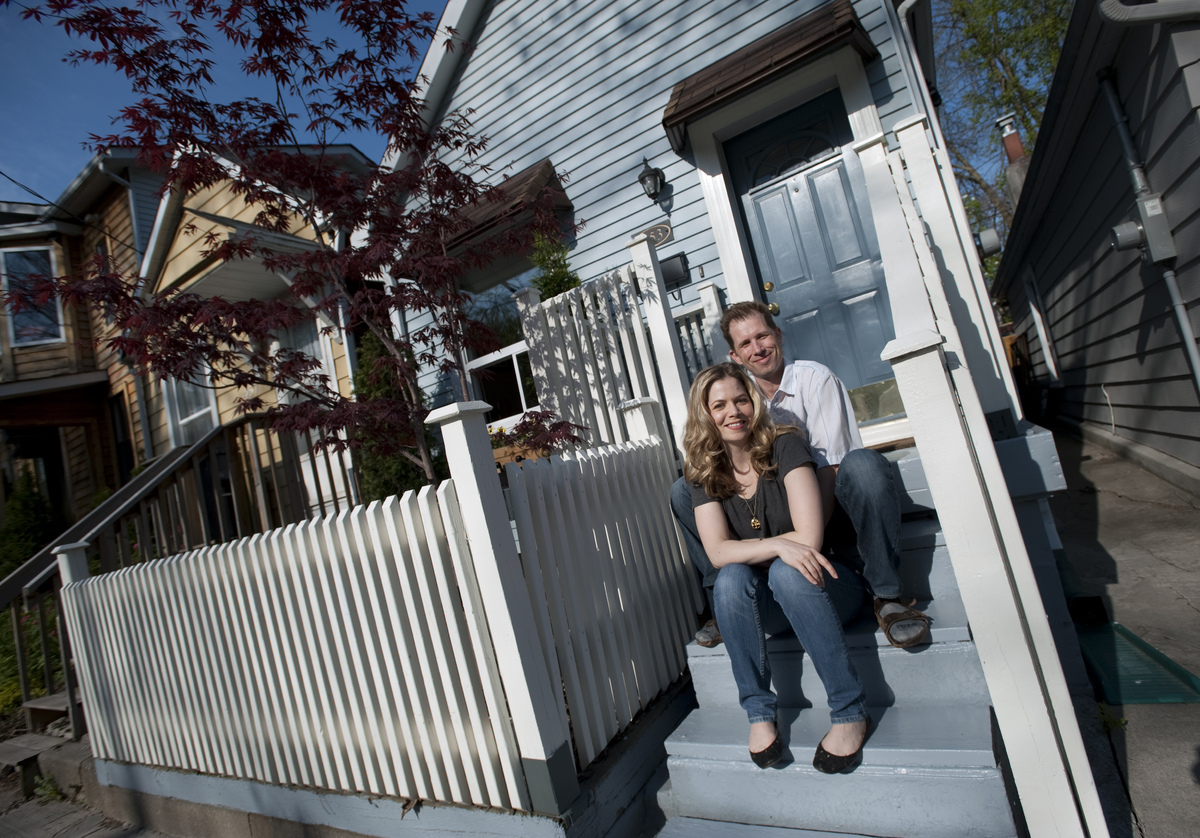
Photo Credit: Rick Madonik/Toronto Star
[continue reading…]
{ }
When Matt and I decided we wanted to build a tiny house we weren’t familiar with many designers. In 2009 we bought original Jay Shafer plans for the Tarleton model. Originally designed to be built on a trailer, the Tarleton, like many of Jay’s other designs, featured a loft space for sleeping. Having never built anything before, besides a shower platform which is terminally unsquare, we wanted to follow the plans as closely as possible.
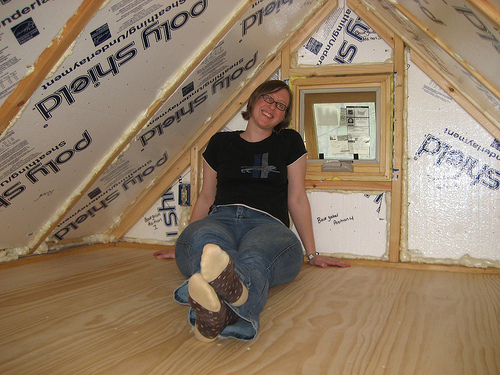
Photo by Laura M. LaVoie
A loft never seemed like a bad idea for us.
Our loft, which is over the kitchen and the bathroom space, is a little bit bigger than the original design. This is because we built our home on a foundation which allowed it to be slightly larger than the footprint of a trailer.
Once the loft was complete we needed to make some choices for the design and functionality.
Our first choice was to add FLOR to the loft. FLOR are modular carpet tiles made of recycled fiber and rubber materials. We had always loved the product but because of the expense waited until we were decorating the tiny house to use it. That way we needed less. We chose a bright spring green to add a pop of color to our space and to match the stain we used on the counter tops. And we liked the idea of a soft surface on the loft floor.
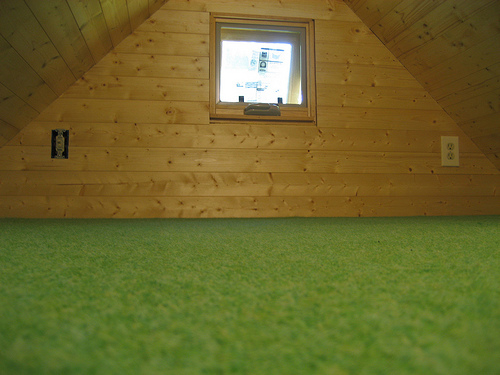
Photo by Laura M. LaVoie
As an added bonus, FLOR is durable and Piglet can use it as a de facto scratcher without harming it in any way. We decided to put it on the storage loft floor, the rungs of our ladder, and on her loft access platforms as well.
Read more after the cut.
[continue reading…]
{ }
I smiled from ear to ear when I read these words from the messages area of our Tiny House Talk Facebook Page, “I haz a tiny cabin in the woods! I’m on the Olympic Peninsula.”
Yes! I love when I get to hear of people achieving their goals, especially when they finish building a tiny cabin in the woods. So Bogdan was nice enough to let me share some photos of the tiny cabin with us so you can enjoy them below… So, when are you going to start building your tiny cabin in the woods?
Don’t miss other awesome stories like this – join our FREE Tiny House Newsletter for more!
He Built A Tiny Cabin in the Woods!

Please enjoy more photos and info on this little cabin in the woods below.
[continue reading…]
{ }
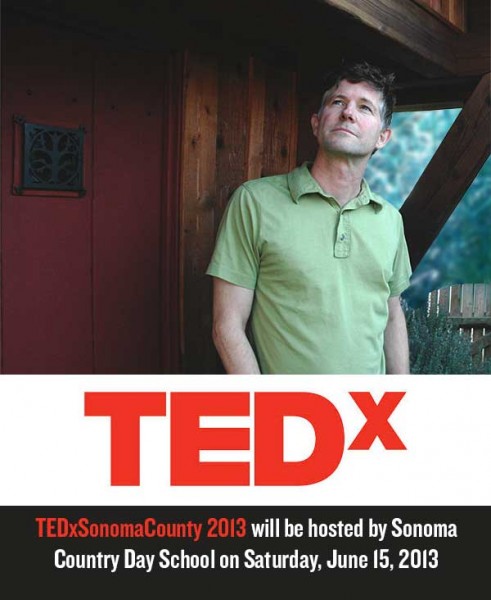
Jay Shafer will be speaking at TEDx about tiny houses this weekend in Sonoma County in Santa Rosa, California.
So if you’re in the North Bay area I thought you should know.
As you probably know Jay wrote Small House Book and created most of Tumbleweed’s tiny house plans that they started out with back in the day.
In addition, he recently started his very own Four Lights Tiny House Company.
[continue reading…]
{ }
Earlier this year I had the pleasure of getting interviewed by Mohamed Tohami of Midway Simplicity on the topic of living simply and how it can create more freedom for us.
Naturally, it led to us talking about small spaces among many other interesting tips and tricks on how to simplify your life while taking back your freedom.
If this sounds interesting to you, Mohamed just published an article along with the video interview we did together right here.

[continue reading…]
{ }

