
Disclosure: This post may contain affiliate links. If you purchase through one of our links, we may earn a commission at no additional cost to you.
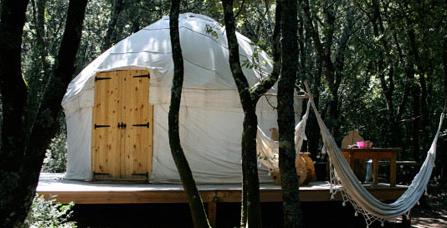
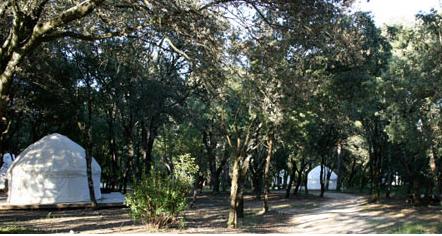
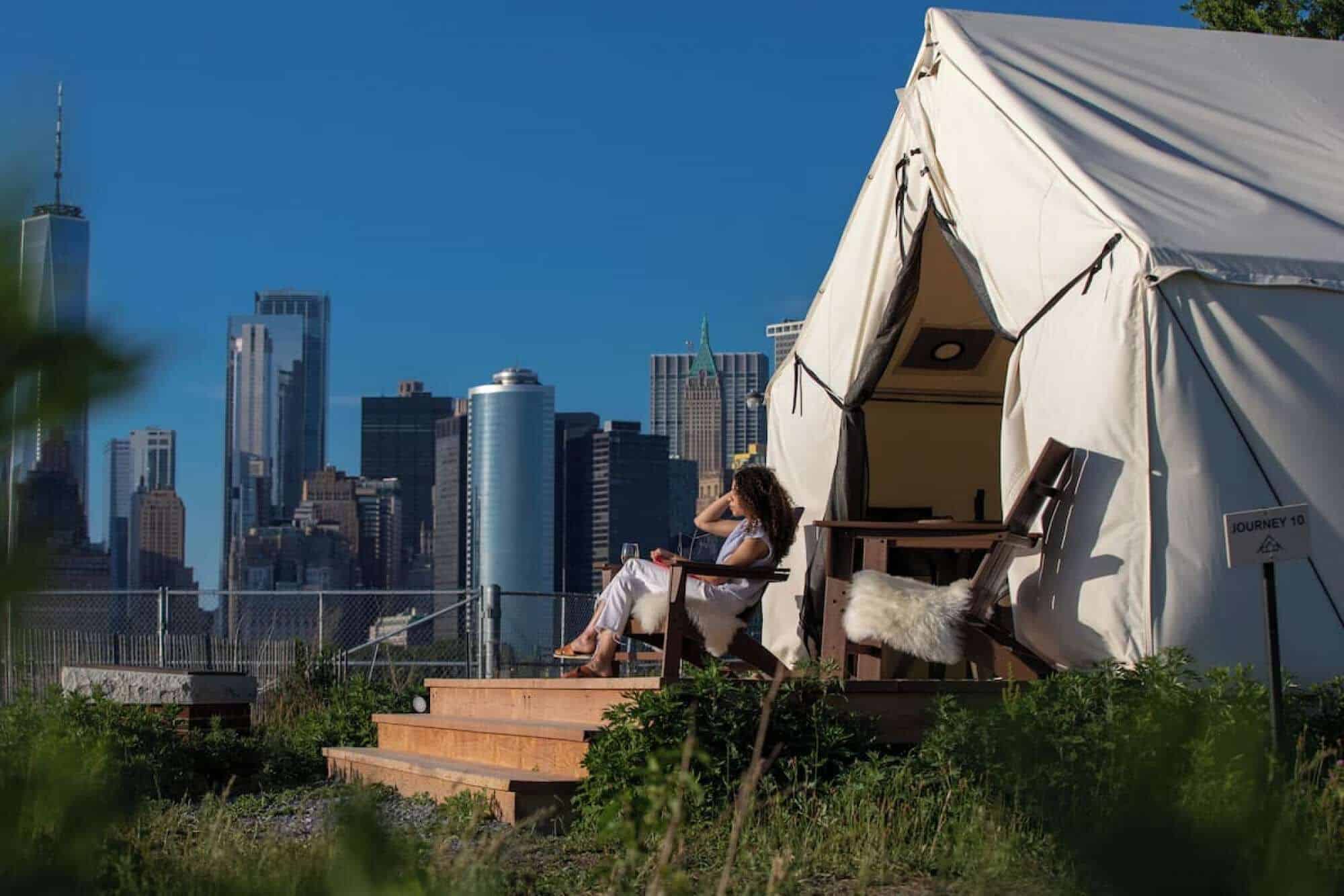
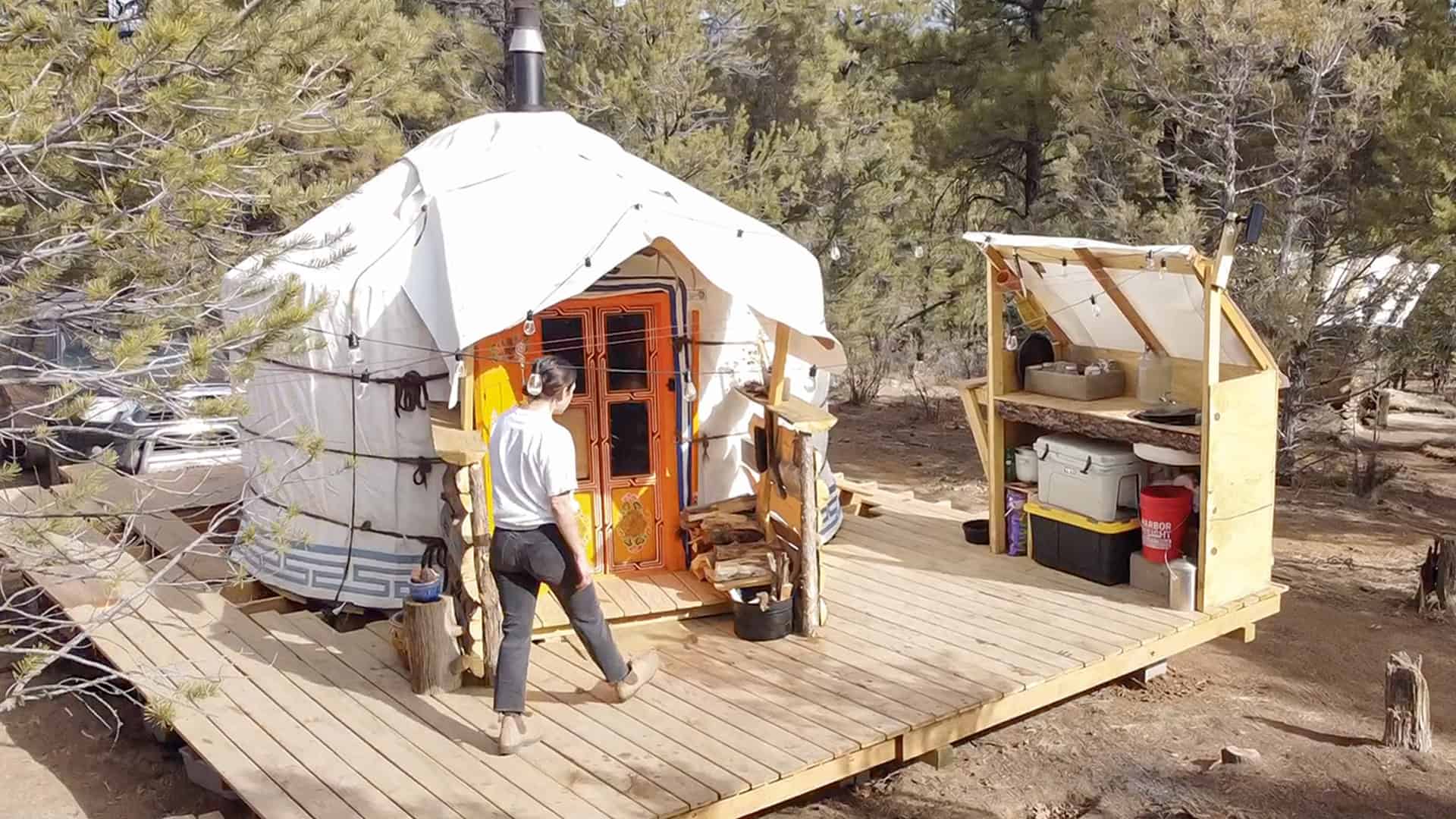
Canvaschic operates one of the first yurt camps in France, located in the Gorges de L’Ardèche nature reserve. The camp provides a relaxing environment for visitors while preserving the natural setting.
Canvas Yurt Camp
Camp Details
- Location: Gorges de L’Ardèche nature reserve, France
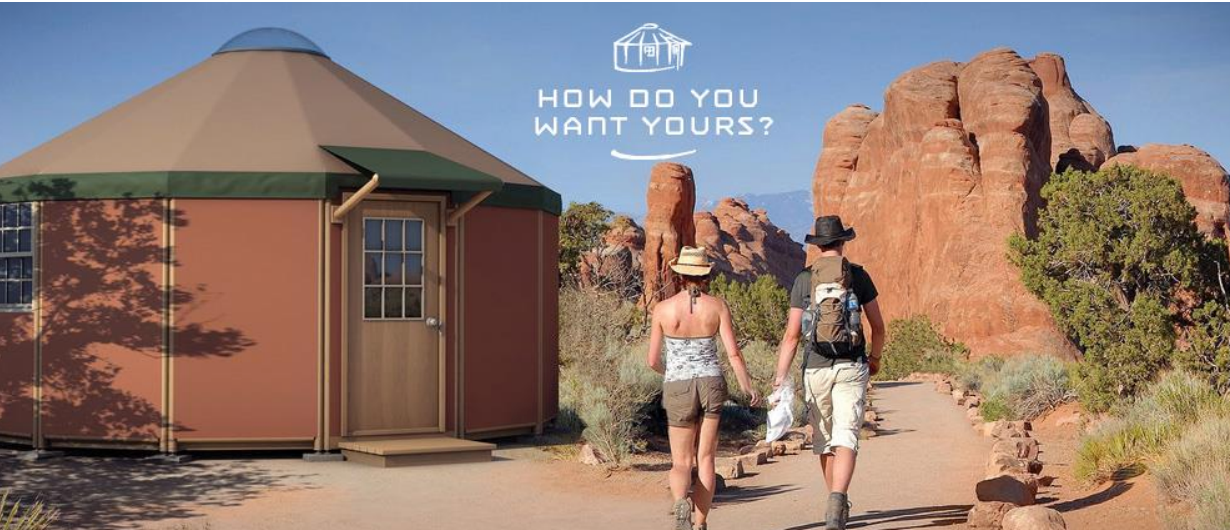
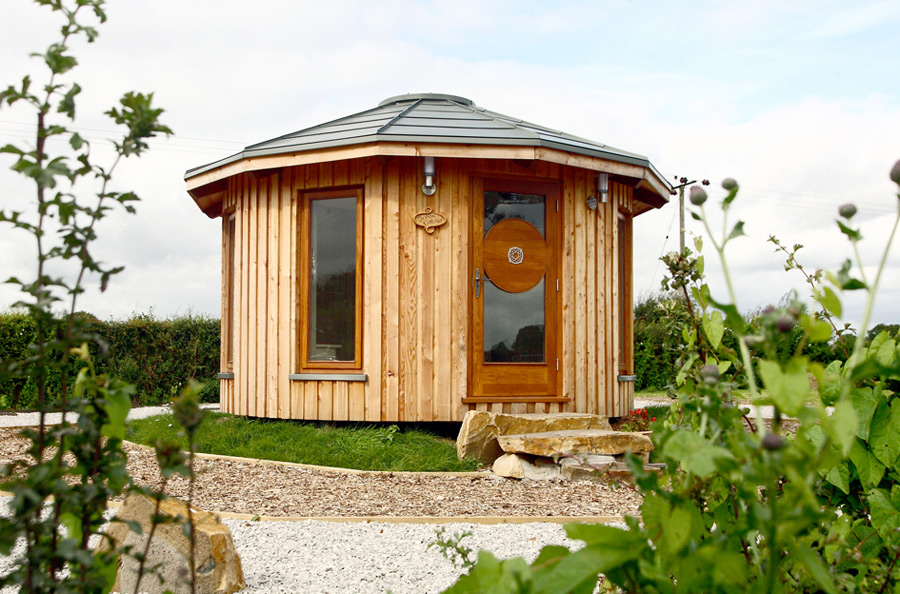
- Structure Type: Canvas yurts
- Accommodations: King-sized bed plus two children’s beds per yurt
- Style: Each yurt individually decorated
- Experience: Glamping (glamorous camping)
Yurt Interiors
Yurt Construction
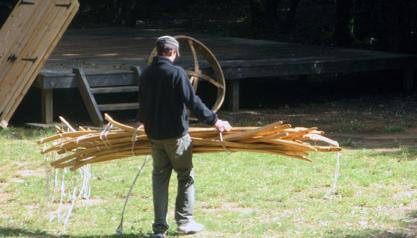
Lessons from Yurt Glamping
- Traditional Structures Suit Modern Tourism: Yurts provide unique accommodations that attract visitors
- Minimal Footprint in Natural Settings: Canvas structures leave less permanent impact than conventional buildings
- Circular Design Maximizes Space: Yurt interiors feel larger than their footprint suggests
- Nature Reserves Can Include Lodging: Thoughtful development allows overnight stays in protected areas
- Individual Styling Creates Character: Unique decoration makes each unit memorable
You can share this using the e-mail and social media re-share buttons below. Thanks!
If you enjoyed this you’ll LOVE our Free Daily Tiny House Newsletter with even more!
Also, try our Tiny Houses For Sale Newsletter!
More Like This: Tiny Houses | Yurts
See The Latest: Go Back Home to See Our Latest Tiny Houses
Disclosure: This post may contain affiliate links. If you purchase through one of our links, we may earn a commission at no additional cost to you.


Alex
Latest posts by Alex (see all)
- A Hotel Designer’s 484 Sq Ft Milan Apartment with a Rotating Room Divider - October 9, 2026
- Hermosa Orchards Village: A Durango Tiny Home Community with Its Own Fruit Orchard - October 9, 2026
- The Sanctuary Minnesota: A Tiny House Village on 80 Acres of Woods - October 9, 2026
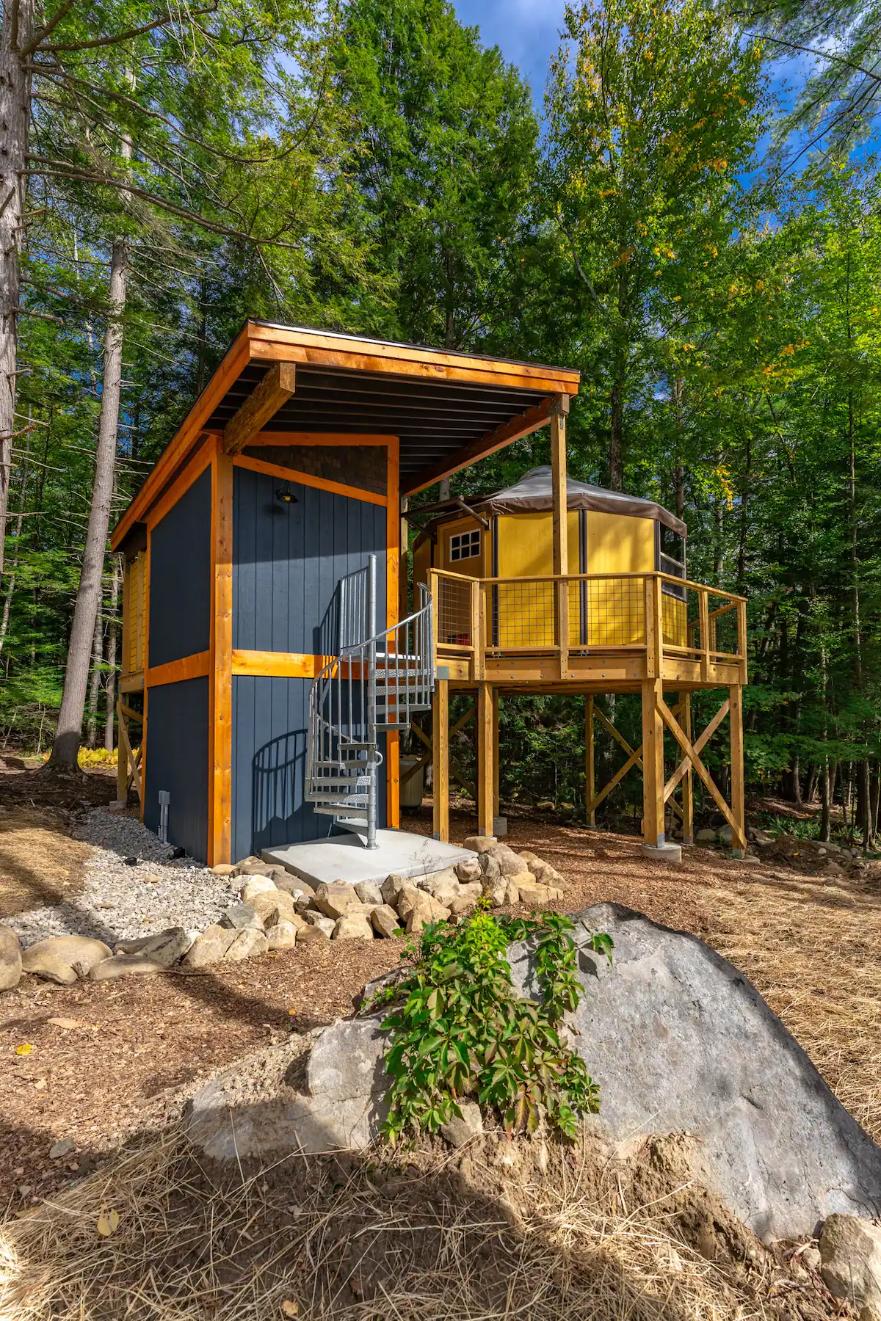
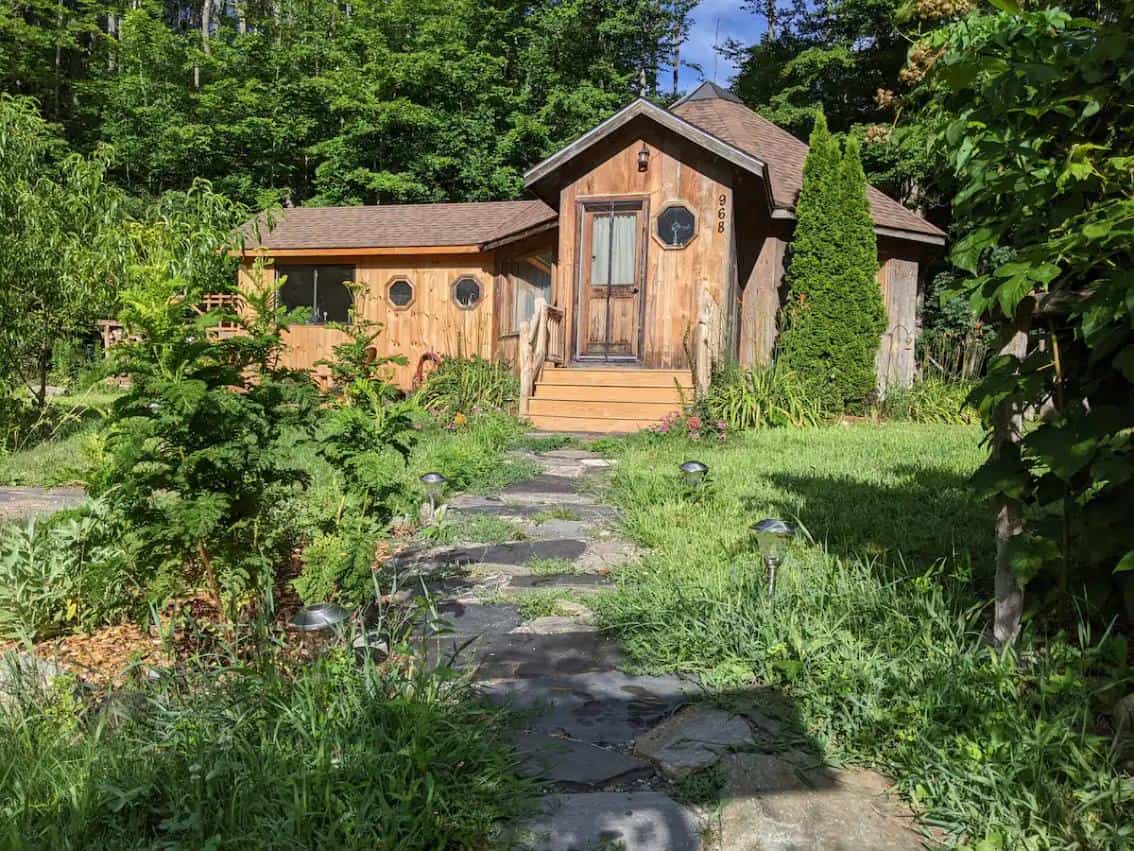







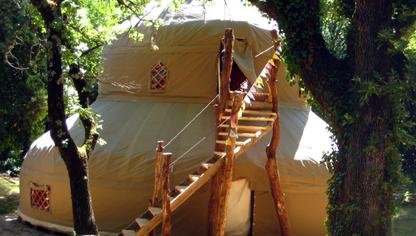
I wish I knew more about the first picture (yurt with second story)
The first photo is great, I would love to see the inside of the 2 story yurt!!!
The first photo is great, I would love to see the inside of the 2 story yurt!!!
The two story yurt is really neat… is it just a bottom yurt with a super-wide roof-ring as the base/floor of the second-story yurt?
* The upper yurt looks like it’s about 12′ – a floor that spans that safely might be fairly heavy. Especially since it’s presumably going to support a big bed, some people, and a bit of other furniture.
* Since the lower-yurt’s rafters are short, spaced tightly together, & at a fairly steep angle (~60º?) they should support the weight fairly well. A larger upper-yurt is actually beneficial in increasing the rafters’ angle so the weight is more on the rafters’ length than their height.
* The tension-cable is steel wire, so you can buy that arbitrarily strong.
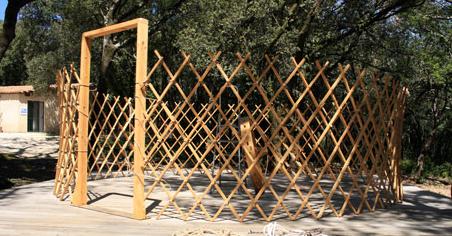
* The lattice can be made of beefy-sized wood – since a roof-ring that size isn’t going to be transported anyway, the weight of the lattice doesn’t matter much.
…now I want to build one. I can have public space on the ground-floor and a fold-up ladder or stairs to get into the bedroom upstairs… and I guess a crane to put in the upper-yurt’s furniture during construction.
I would like to echo the other commenters’ requests for more pictures of the *ahem* yurt on yurt action.
Turns out I should have spent another 20 minutes Googling before I posted. https://www.youtube.com/watch?v=K7Uc7VM607c shows the construction of the 1st yurt pictured.
They cheated and build a platform for the upper-story that has a bunch of support-polls. Then build a larger yurt around that. So the bottom-yurt has a dozen telephone-poll-sized-supports in a circle right in the middle of it.
In my opinion, that’s ill-conceived. The main thing I like about my yurt is that it’s a portable living room. Putting that many support-pillars in the middle of the room makes it into a partially-divided set of rooms: the inner room & the doughnut room. It ruins the open-air aesthetic and isn’t conducive to the kind of party I like to have in my yurt.
Anyone wishing to implement my hypothesized construction technique from the previous post should consult with a civil engineer to insure you choose appropriate materials & spacing for the rafters & lattice to bear the load, especially given possible wind & snow conditions.