Disclosure: This post may contain affiliate links. If you purchase through one of our links, we may earn a commission at no additional cost to you.
If you’ve been dreaming of starting a tiny house rental business or adding a guest unit to your property to generate extra income, there is some massive news on the tax front.
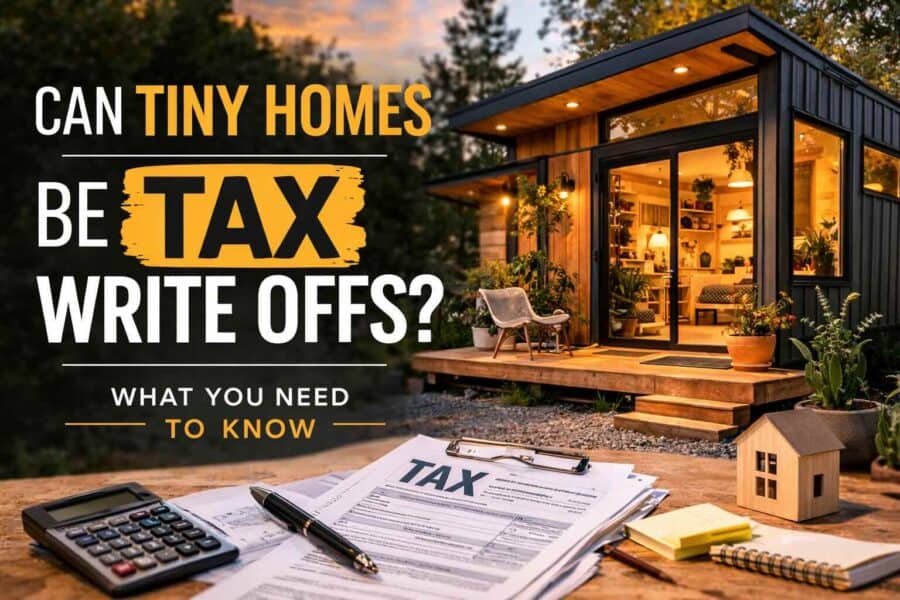
In a recent video by Jonathan from Clever Tiny Homes, he breaks down a “huge tax advantage” that sets tiny houses on wheels (THOWs) apart from almost every other type of housing: 100% Bonus Depreciation.
What is Bonus Depreciation?
Normally, when you buy a major asset for a business (like a building or expensive equipment), you can’t deduct the full cost all at once. Instead, you “depreciate” it, deducting small portions of the cost over several years [01:32].
Bonus Depreciation flips the script. It allows business owners to accelerate that timeline and deduct the entire purchase price in the very first year [01:41].
Why Tiny Houses on Wheels are Special
The big “aha!” moment in the video comes down to legal classification. Under the new tax laws passed in the summer of 2025, vehicles qualify for 100% bonus depreciation [01:50].
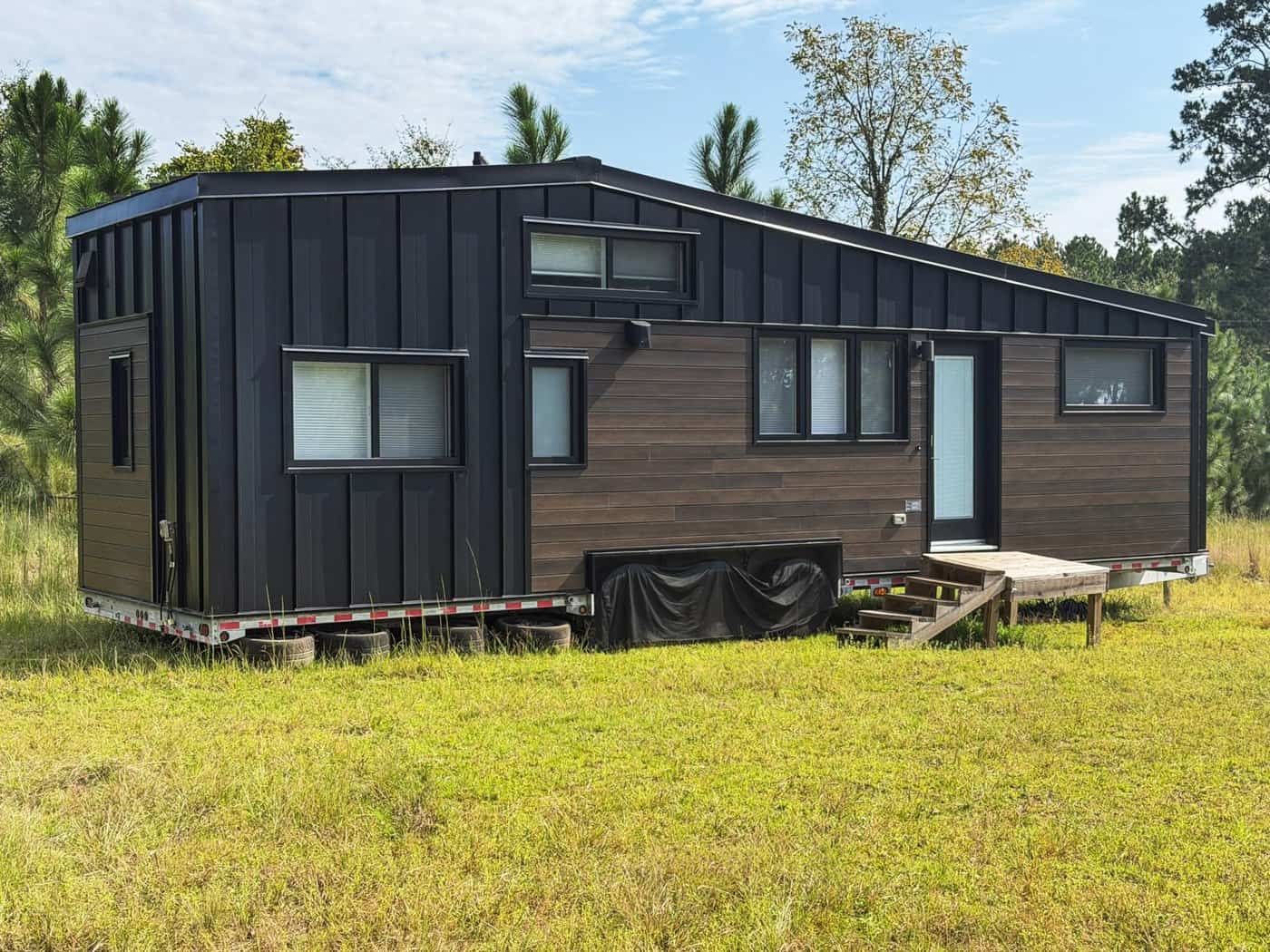
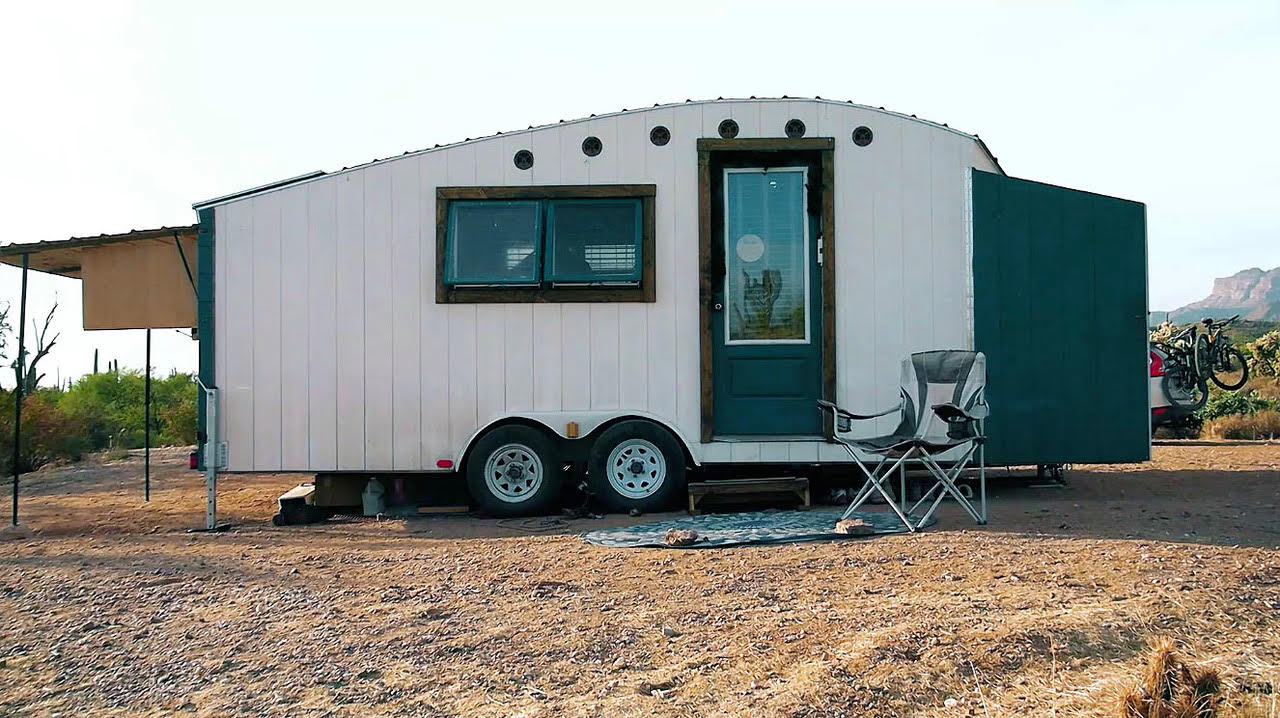
Because tiny houses on wheels are legally classified as vehicles, they qualify for this 100% write-off—a benefit that traditional “real estate” housing generally does not enjoy [02:12].
How the Math Works (The $30,000 Swing)
Jonathan provides a powerful example of how this impacts your wallet:
- Scenario: Imagine you earn $110,000 from a W2 job and $25,000 from your tiny house rental, totaling $135,000 in income. Normally, you might owe around $30,000 in federal income taxes [02:32].
- The Write-Off: If you purchased that tiny home for $135,000, you can apply the 100% bonus depreciation to your income.
- The Result: Your taxable income drops to zero. That $30,000 that would have gone to the IRS stays in your pocket to be reinvested [03:08].
What if I don’t earn that much?
Don’t worry if your tiny house costs more than you earned this year. The video explains that if your depreciation creates a “loss” in Year 1, those losses can often be carried forward to offset your income in future years [03:22].
Is This Right For You?
While this is an incredible incentive for tiny house entrepreneurs, there are a few “catches” to keep in mind:
- Business Use Only: This does not apply if the tiny house is your primary residence. It must be used for business, such as a rental for a friend, family member, or Airbnb guest [01:05].
- Consult a Pro: Tax laws are complex. As Jonathan notes, you should always consult a qualified CPA or tax professional to see how these rules apply to your specific financial situation [03:38].
Watch the full video from Clever Tiny Homes here:
You can share this using the e-mail and social media re-share buttons below. Thanks!
If you enjoyed this you’ll LOVE our Free Daily Tiny House Newsletter with even more!
You can also join our Small House Newsletter!
Also, try our Tiny Houses For Sale Newsletter! Thank you!
Explore More: Tiny Houses | Builders | THOWs | Park Model Tiny Houses | Communities | Modern Tiny Houses | Real Estate | Reviews | Tiny Cabins | Tiny Cottages | Tiny Homes With No Lofts | Tiny House Interiors | Tiny House Living | Tiny Houses For Sale | Tiny Houses For Rent
The Latest: Go Back Home to See Our Latest Tiny Houses
Disclosure: This post may contain affiliate links. If you purchase through one of our links, we may earn a commission at no additional cost to you.


Alex
Latest posts by Alex (see all)
- Shipping Container Cabins on Fish Creek: A Tiny Hotel Near Saratoga, New York - October 21, 2026
- Belle Tout Keeper’s Loft: Sleep in the Tower of an 1832 Clifftop Lighthouse - October 21, 2026
- Attrap’Rêves: Stargazing from Bed in a Clear Bubble Near Marseille - October 21, 2026