
Disclosure: This post may contain affiliate links. If you purchase through one of our links, we may earn a commission at no additional cost to you.
Sonny built a 113-square-foot superadobe dome teahouse in his backyard for his brother Tommy, who uses a wheelchair and has a passion for tea. Using dirt, bags, barbed wire, and recycled windows found online, the entire project cost about $3,000. Tommy now enjoys the dome daily and offers private tea tastings from it.
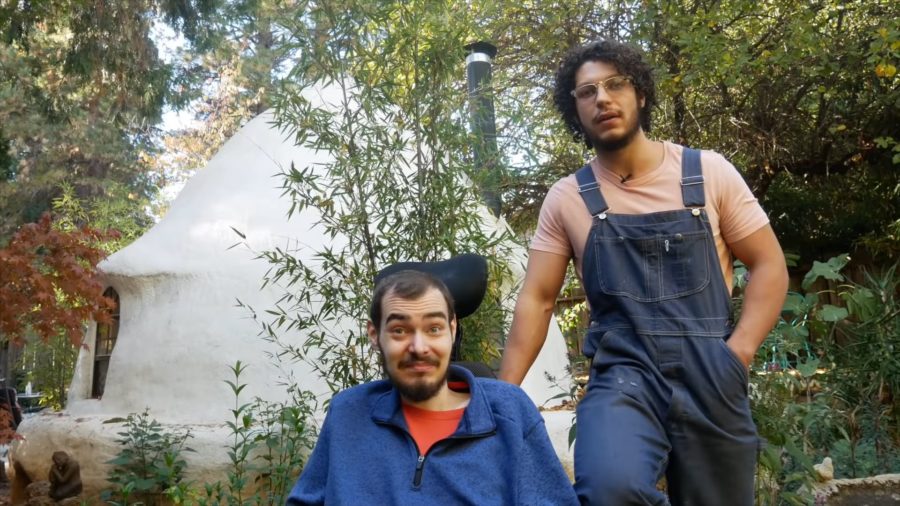
Images via Tiny House Giant Journey/YouTube
Designed Around Recycled Windows

The brothers designed the dome around the recycled windows that they found online, letting the available materials shape the final design.
Superadobe Construction Method
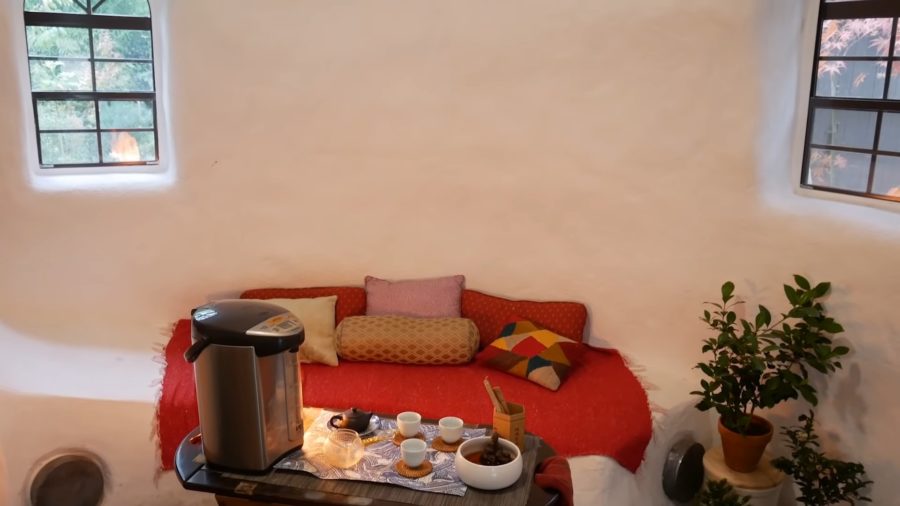
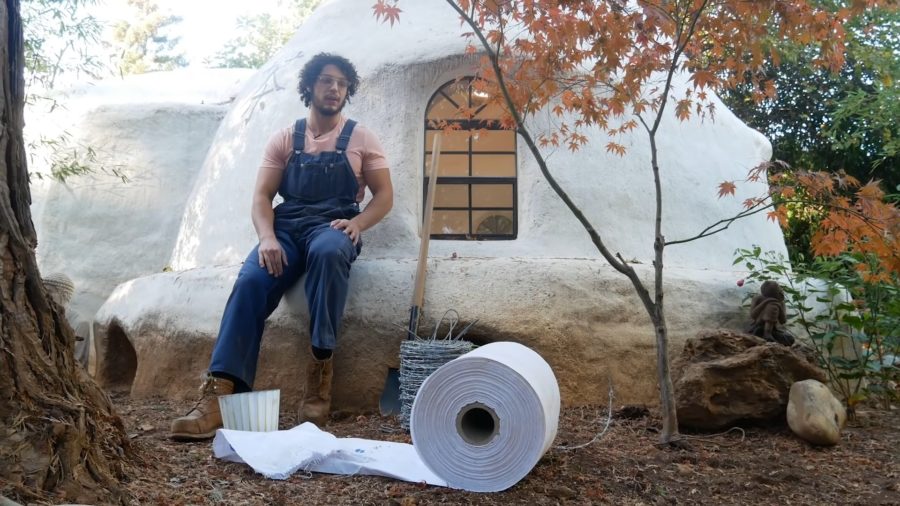
They used superadobe (also called earthbag construction) to build the dome—a simple method of creating structures from raw materials using dirt, bags, and barbed wire between layers.
Built-In Heating Design
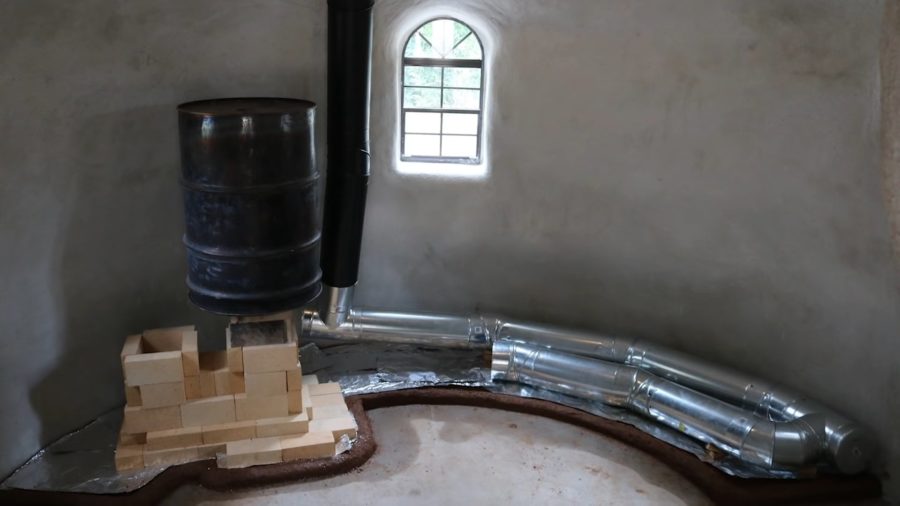
The heating is built right into the design, utilizing the thermal mass of the earthen walls.
Budget-Friendly Build
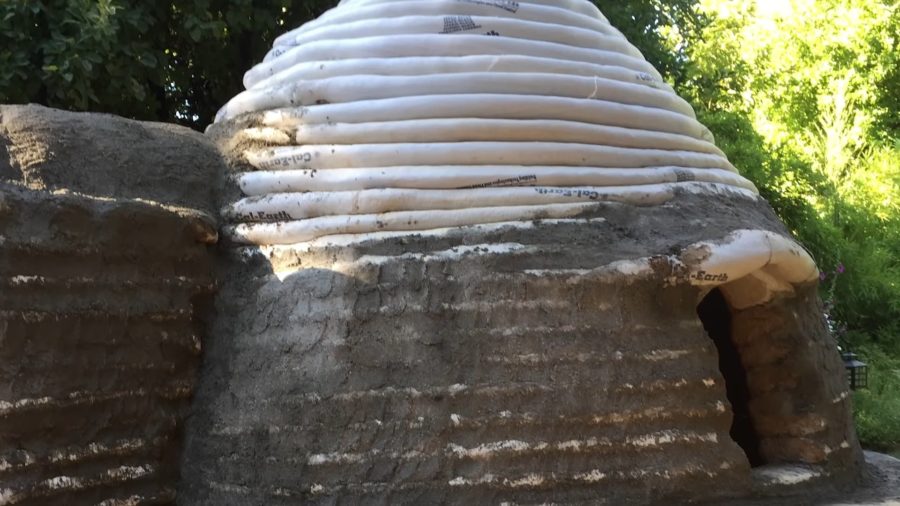
The entire project cost about $3,000 using the superadobe method, which combines traditional adobe techniques with modern construction technology.
A Space for Tea and Connection

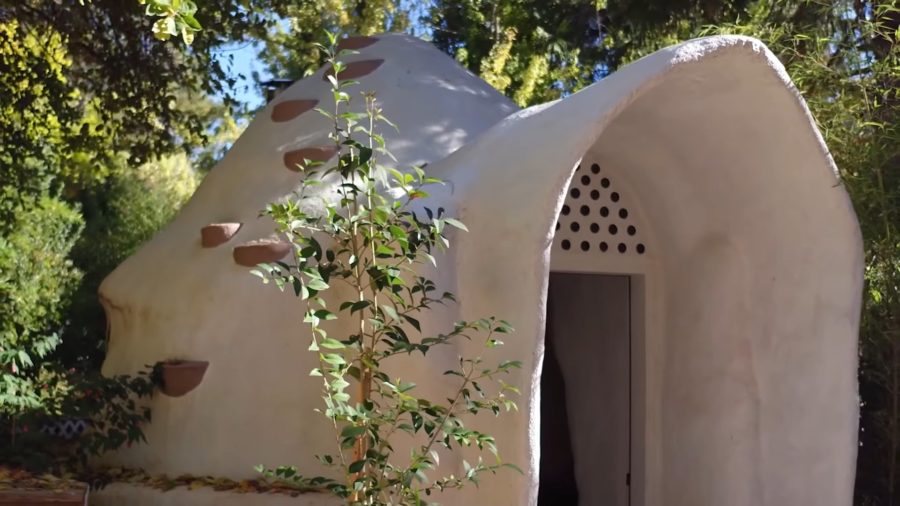
Now Tommy has a dedicated space he can enjoy daily, and he offers private tea tastings from the dome, creating community and connection.
Images via Tiny House Giant Journey/YouTube
Video Tour
Highlights
- 113 sq. ft. eco dome teahouse built using superadobe/earthbag construction
- Total project cost: approximately $3,000
- Design built around recycled windows found online
- Built-in heating system utilizing thermal mass
- Wheelchair accessible with smooth floor transitions
- Now hosts private tea tastings
Frequently Asked Questions
How much did this backyard dome teahouse cost to build?
Around $3,000 using recycled windows and superadobe construction.
What materials were used to build the dome?
Sonny used dirt, bags, barbed wire, and recycled windows in a superadobe/earthbag method.
Is a superadobe dome durable?
Yes—properly built superadobe domes can last decades when protected from water.
Can anyone build a superadobe dome?
It’s beginner-friendly but requires patience, teamwork, and basic tools.
Is this teahouse wheelchair accessible?
Yes, it was designed with Tommy’s daily use in mind and features smooth floor transitions.
Learn More
- Watch the full video on Tiny House Giant Journey
- Eco Dome Tea Tasting Experience with Tommy – Grass Valley, California
Explore More
- Athlete’s Incredible Wheelchair Accessible Van Life
- Building His Wheelchair-Friendly Box Truck Home
- His Stealth, Wheelchair-access Cargo Camper with a Lift Bed
Subscribe to our Newsletters:
Join the Tiny House Newsletter
=> tinyhousetalk.com/tinyhousenewsletter
Join The Small House Newsletter
=> tinyhousetalk.com/small-house-newsletter
Join Our Tiny Houses For Sale Newsletter
=> tinyhousetalk.com/tiny-houses-for-sale-newsletter
Disclosure: This post may contain affiliate links. If you purchase through one of our links, we may earn a commission at no additional cost to you.


Alex
Latest posts by Alex (see all)
- A Hotel Designer’s 484 Sq Ft Milan Apartment with a Rotating Room Divider - October 9, 2026
- Hermosa Orchards Village: A Durango Tiny Home Community with Its Own Fruit Orchard - October 9, 2026
- The Sanctuary Minnesota: A Tiny House Village on 80 Acres of Woods - October 9, 2026







Wow that’s impressive!
Thank you, Breya! I thought so too — such a creative and heartfelt build. Appreciate you stopping by!
Beautiful!
Thank you, Mare! It really is beautiful, and the story behind it makes it even more special.
I want a brother like this! Nice job
Me too!
Amazing! What a lovely home, and the heater is unique. I like the floors and the smooth curves in the walls. It’s just an amazing home, and what a wonderful endeavor of love. Here’s to brothers! Yeh!
Well said, Marsha — it really is an amazing combination of craftsmanship and love. That heater design blew me away too! Thanks for sharing your thoughts!
Awesome! Now thats love!
Absolutely! Projects like this really show how powerful love + creativity can be. Thanks for the sweet comment!
Such an amazing love project for his brother. You are one super guy!! It’s so cool!!!
Agreed — truly a super thoughtful build and such a cool space. Thanks so much for checking it out!
If you live in Southern California, there is a place in Hesperia called CalEarth Institute that has built a small village with this method. Small ones, larger ones. They sell the bags, too, though it would be more appropriate to call them tubes. The design possibilities are incredible! I believe they offer training for DIYer’s.
Yes! CalEarth does incredible work. Their training and examples really show what’s possible with superadobe. Thanks for sharing this resource!
Link to CalEarth Institute: https://calearth.org
That man is not bound to a wheelchair. No one tied him up and is forcing him to stay in it. Saying someone is “bound” to a wheelchair is dismissive of the breadth of the human condition and places the walking, able-bodied person in the position of “normal” and everyone else outside of that.
A wheelchair is how he gets around, it’s how he moves through the world. It’s precisely the thing that means he’s not “bound” – that chair is freedom and independence. He’s not wheelchair-bound – he’s just a wheelchair user. Please reconsider your headline and all the text.
Not disagreeing, but just pointing out there’s debate about the use of that term because language can be both literal and non-literal… Like white people are not literally white, not everything in the English language is meant to be literal…
Some people will also be offended by just the use of the word handicapped but at some point there has to be acknowledgement of limitations and/or special needs. It’s just debatable where that line gets drawn, how much should be tolerated, and some terms may continue to be widely used despite the debate…
That said, I agree that wheel-chair user is the preferable term to use…
Thanks for weighing in, James — really appreciate the thoughtful breakdown. Language definitely evolves, and discussions like this help all of us communicate with more care.
While I understand the sentiment that a wheelchair represents freedom and independence for those using them I think there’s a place for the distinction between wheelchair bound and wheelchair user, as many who need wheelchairs are also able to act independently of the chair in some circumstances.
Thanks for sharing your perspective — definitely an interesting conversation around terminology and how people relate to mobility and independence. Appreciate you joining the discussion!
Thank you for sharing this — language matters, and I appreciate you taking the time to explain it so thoughtfully. I’ll keep this in mind for future posts. Thanks again for the perspective!
What a great thing he has done for his brother. Great Job!