Disclosure: This post may contain affiliate links. If you purchase through one of our links, we may earn a commission at no additional cost to you.
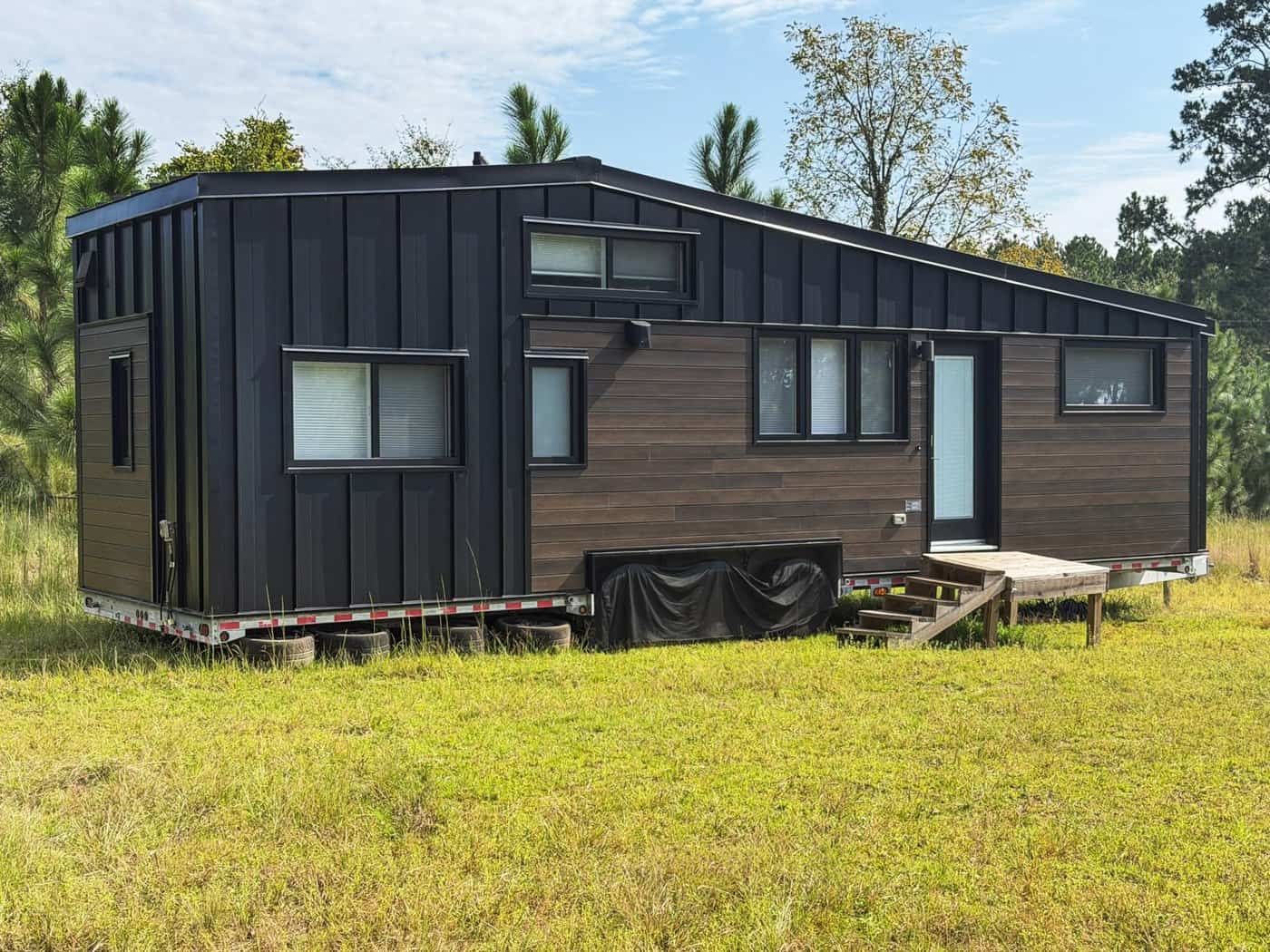
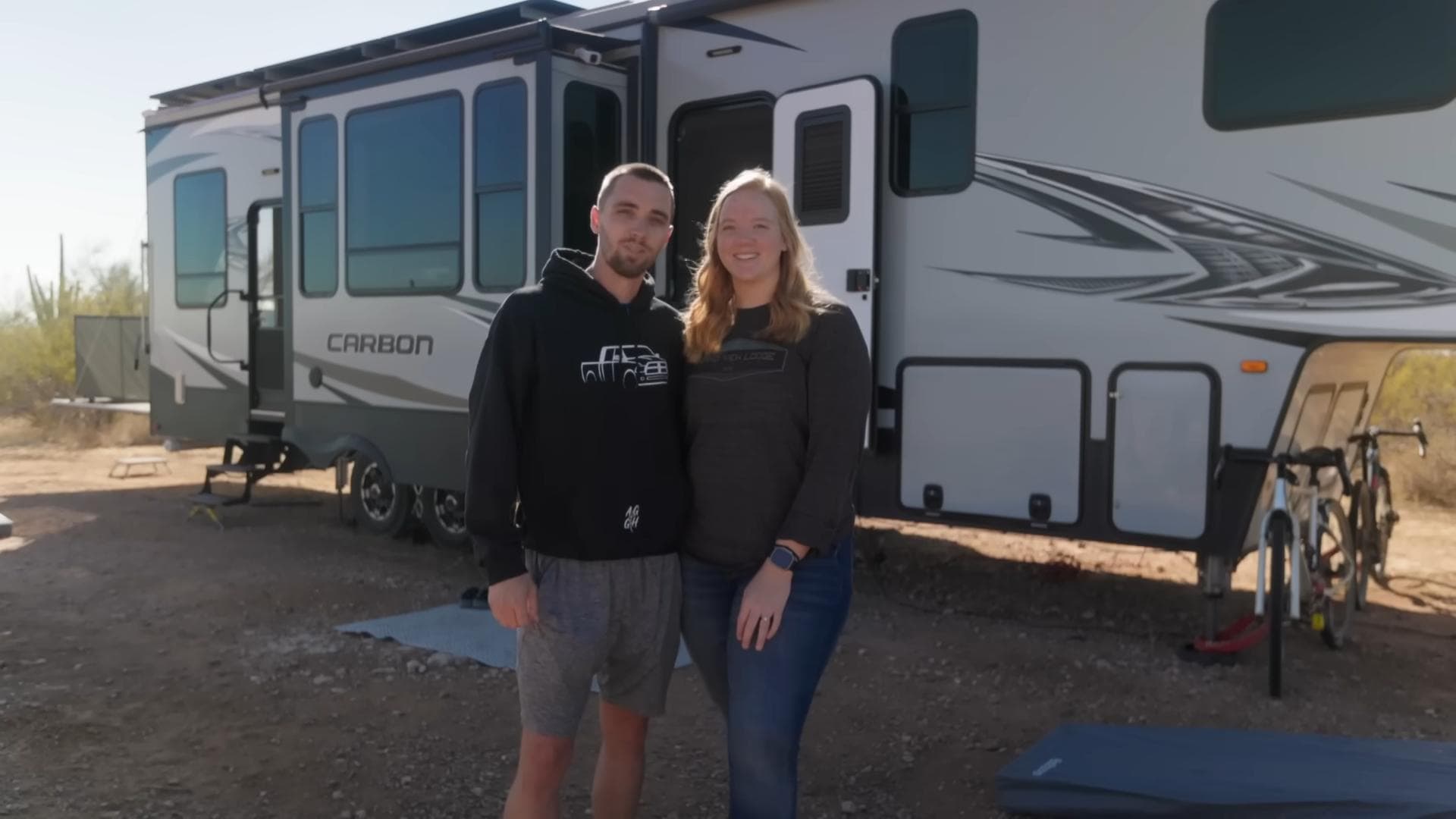
Ally and Truman started their alternative living journey in college, converting a 1999 Ford Econoline van into a camper and taking it on a 10-week road trip across the US and Canada. When they returned, they couldn’t imagine going back to conventional apartment living—so they built a tiny house on wheels from scratch.
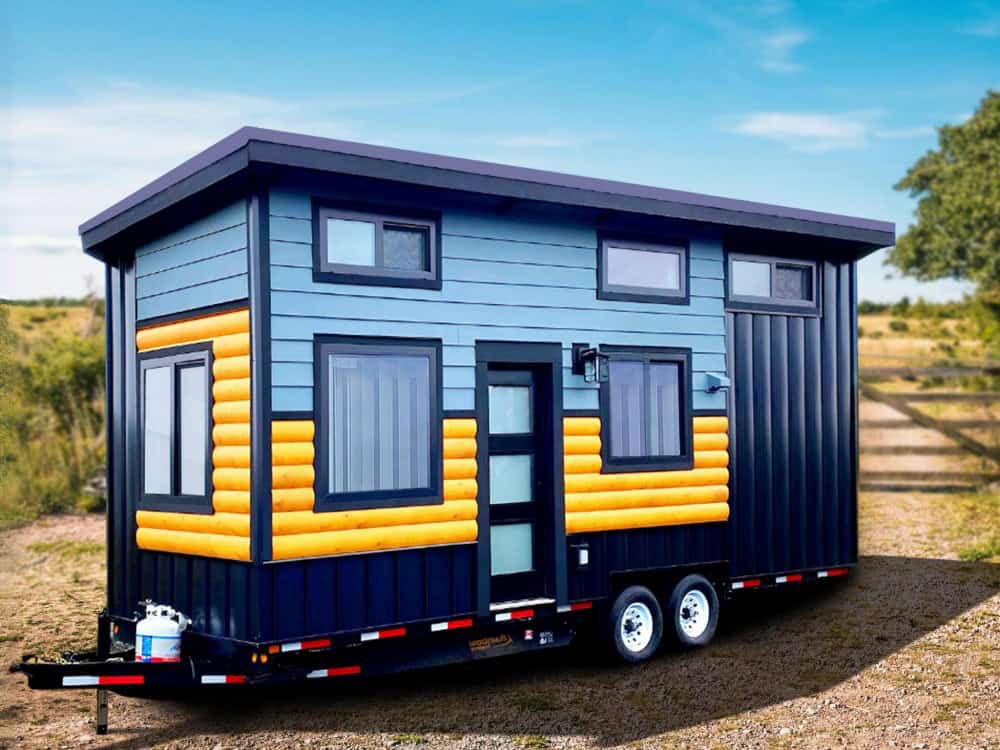
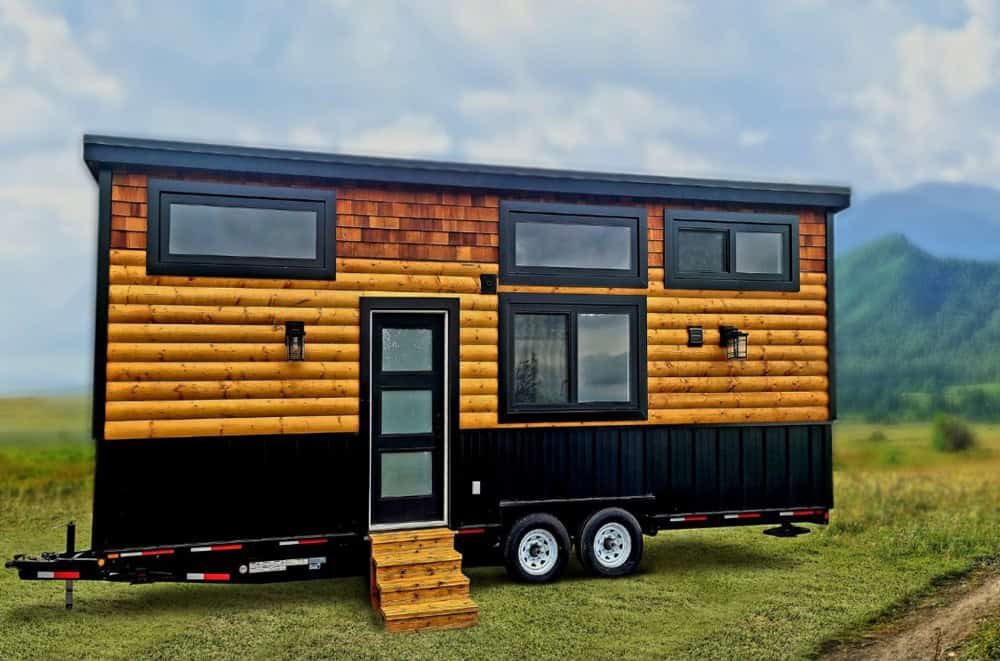
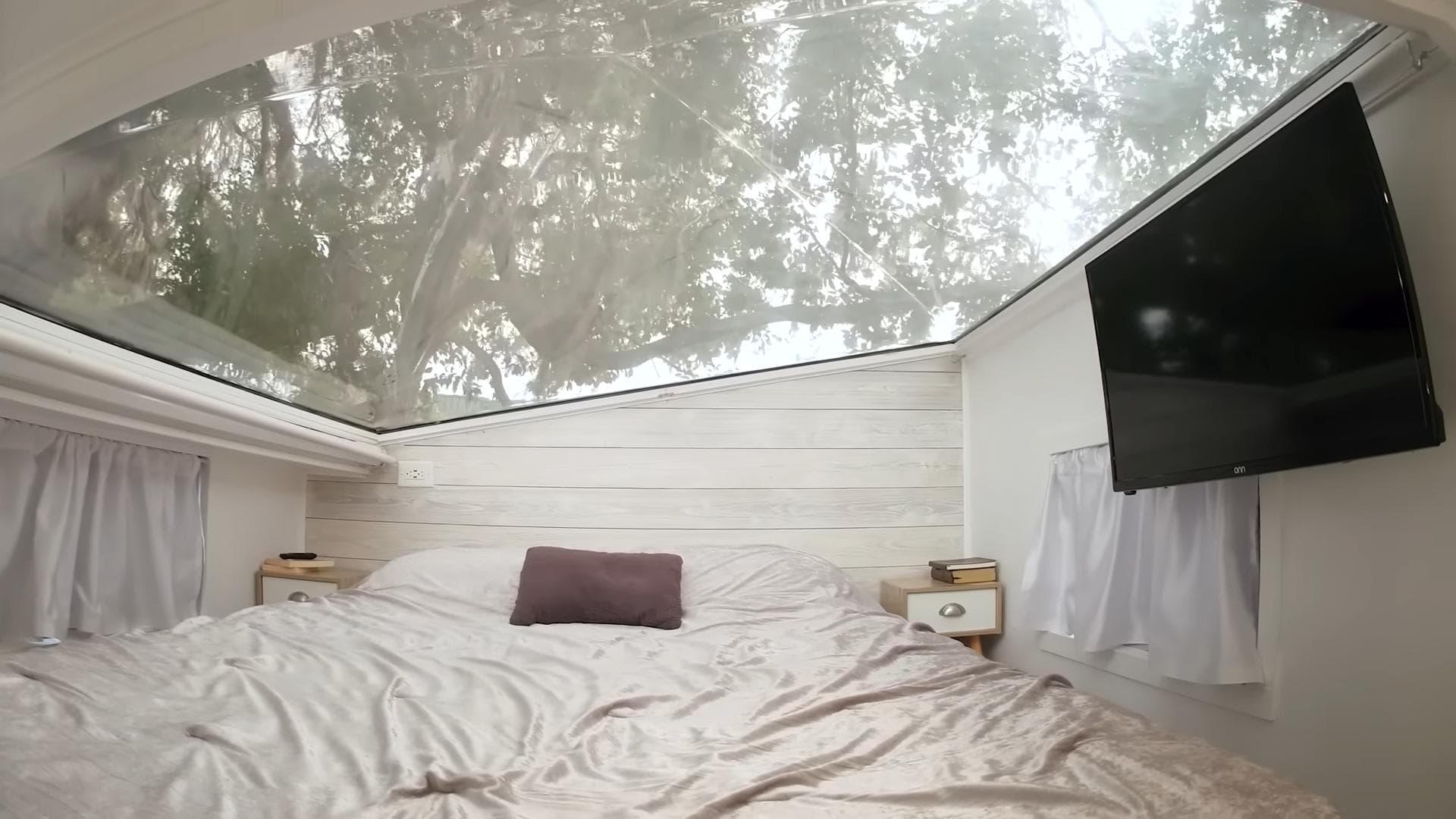
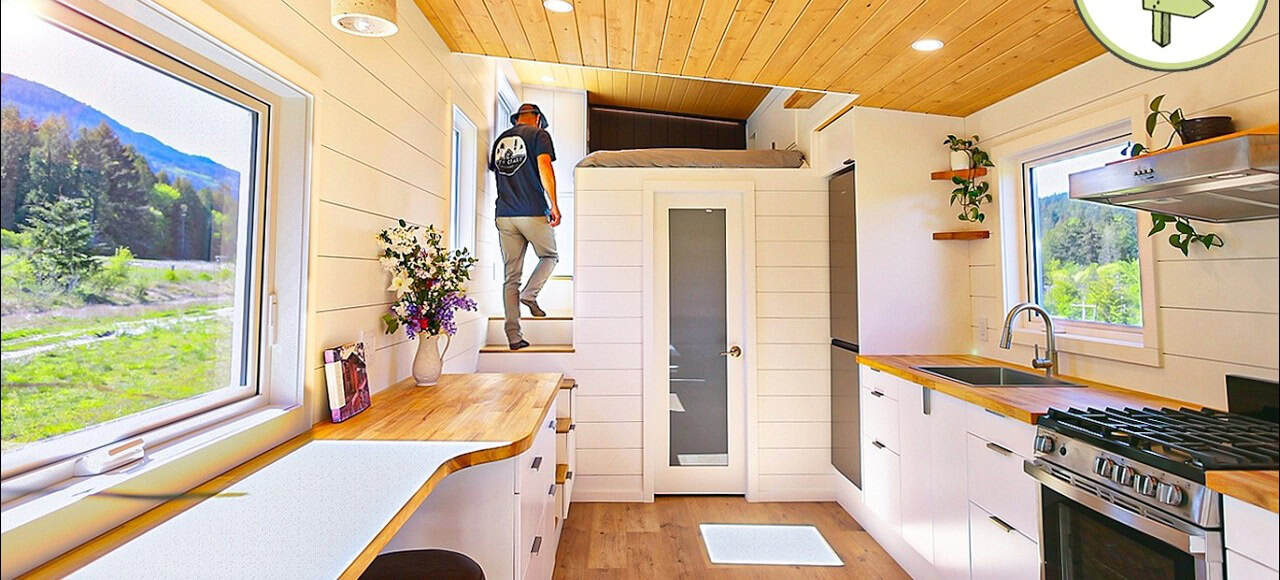
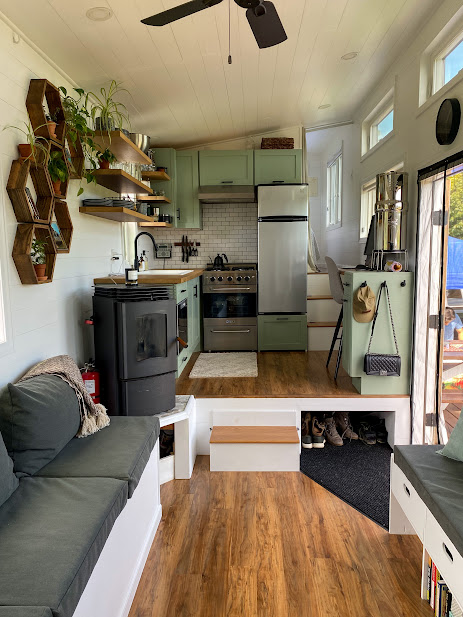
Their gooseneck design features a bedroom over the hitch with full standing room, a kitchen with office space and dishwasher, a bathroom under the guest loft, and complete off-grid systems including solar, a 70-gallon water tank, and propane utilities.
The Build
Starting in July 2019, they ordered a tiny house-specific trailer with threaded rods and angled wheel wells to simplify construction. Using TinkerCAD to model the design and YouTube to learn building techniques, they completed the structure with all utilities operational in about a year, then spent another six months on finishes and cabinets.


Main Living Space
Guest Loft
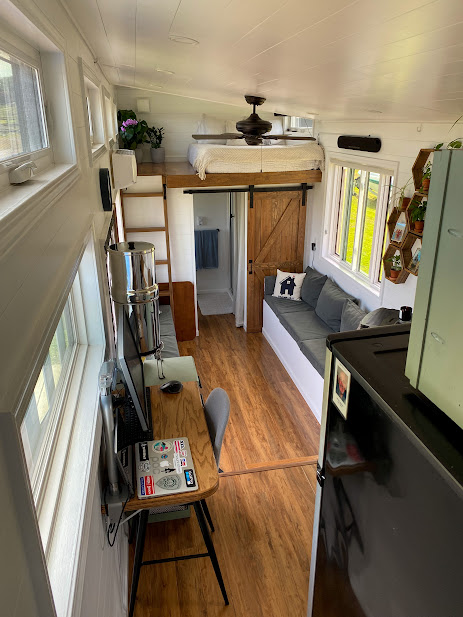
A guest sleeping loft sits above the bathroom, providing dedicated space for visitors.
Kitchen
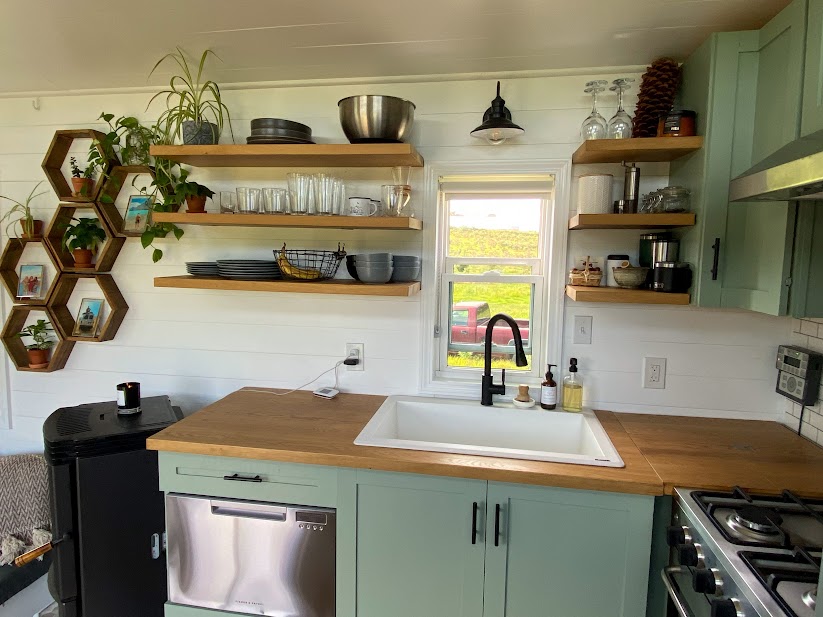
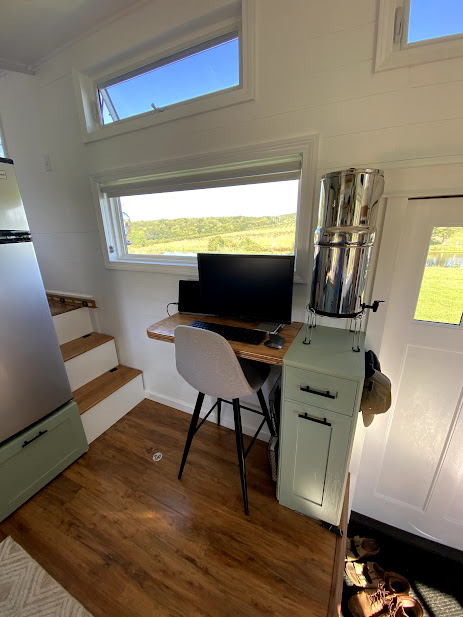
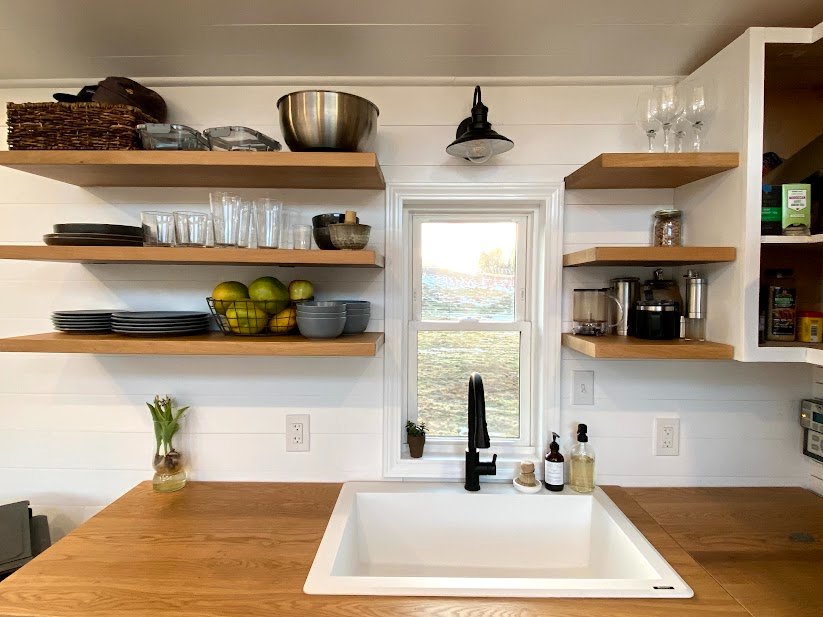
The kitchen includes a dishwasher, propane oven and stovetop, and workspace that doubles as an office.

Interior Details

Gooseneck Bedroom
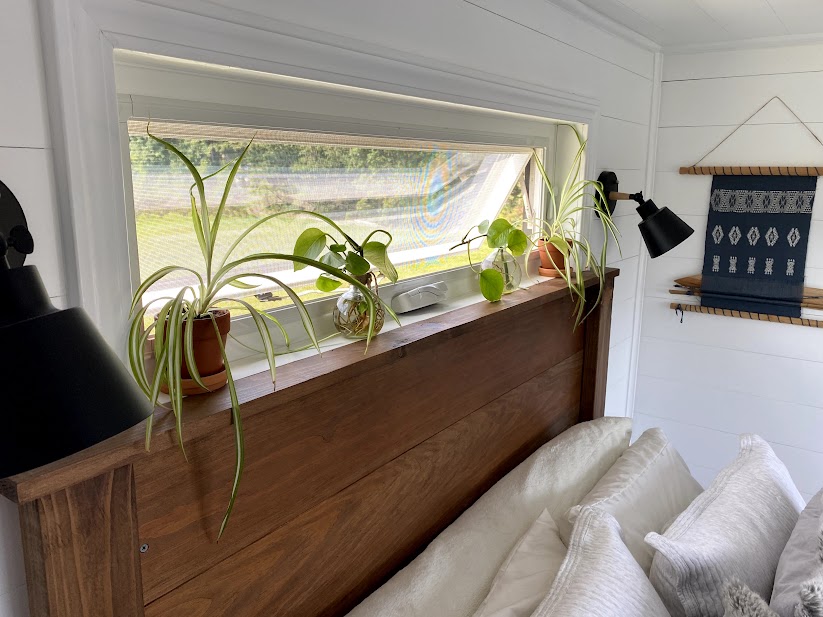
The gooseneck design places the primary bedroom over the trailer hitch, providing full standing room—a significant advantage over traditional loft sleeping areas.
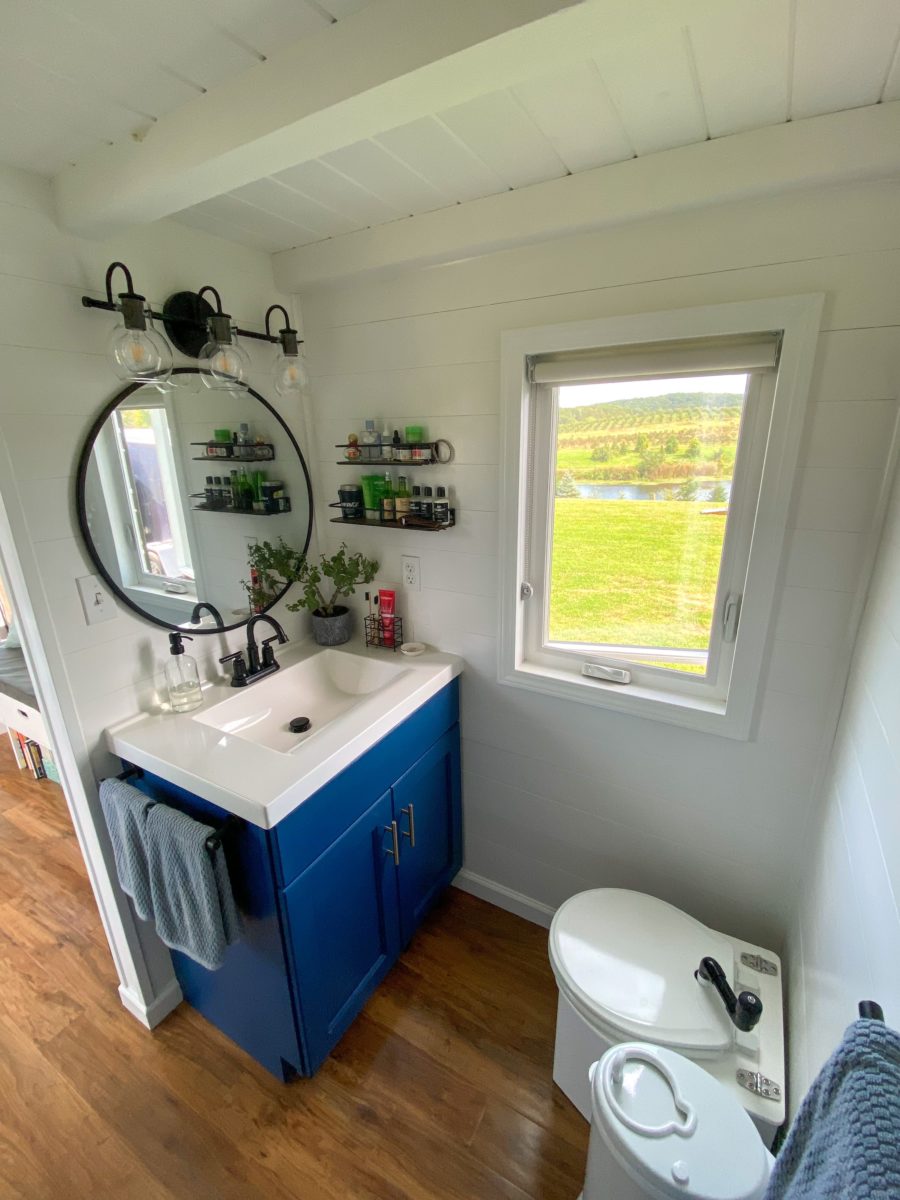
Bathroom
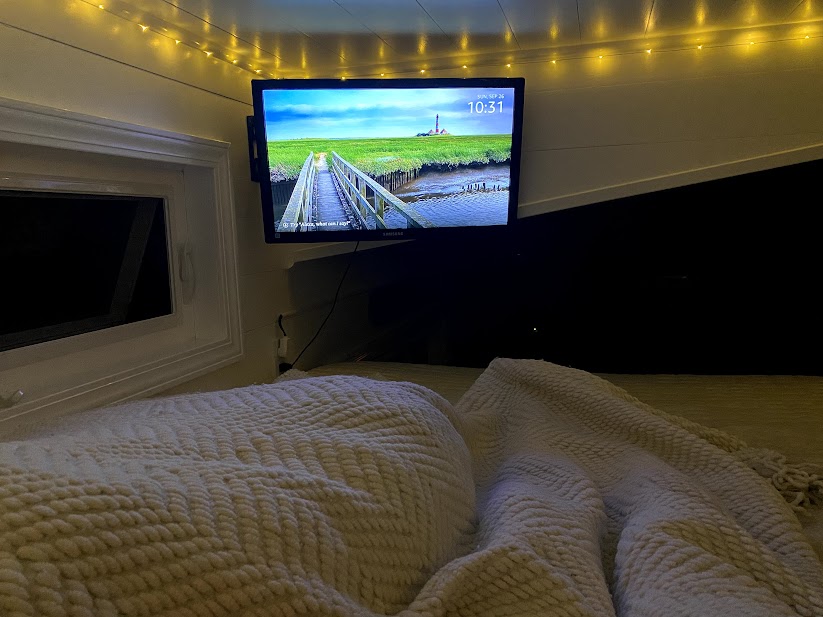
Q&A with Ally
What got you into tiny living?
During our senior year of college, I was obsessed with Pinterest and was creating a vision board when I came across pictures of van life. I loved the creativity and freedom it portrayed and knew that lifestyle was right up our alley. We decided to buy a rusty old 1999 Ford Econoline van and turn it into a camper van. We watched a ton of YouTube videos and taught ourselves how to build out the van from scratch with very little money.
We ended up building a beautiful van that we took on a 10-week cross country road trip across the USA and Canada, and many ski trips thereafter. Once we got back home, we were so used to alternative living and couldn’t picture ourselves renting an apartment like everyone else our age. That’s when I hopped back on Pinterest and came across tiny houses. In July 2019 we bought the trailer and didn’t look back.
How long did the process take?
We built our home from the trailer up. We ordered a tiny house-specific trailer with threaded rods welded on and straight, angled wheel wells to make the build easier. Once we had the trailer we took measurements and used TinkerCAD to make a rough 3D model of the envelope to help us visualize what we could fit in our floor plan. From there I drew blueprints for the framing.
We worked during the weekends and evenings and after about a year we had all utilities operational and moved in. Perhaps another 6 months to complete all the finishes and cabinets.
How has tiny living changed your life?
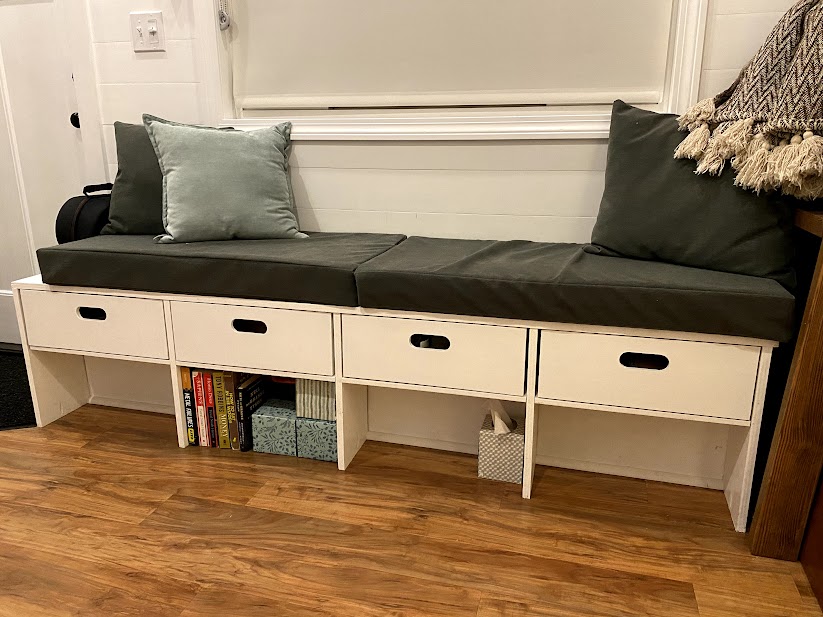
Our home is completely off grid so we are forced to be conscious of our consumption. We have a 70-gallon water tank built into our couch that we fill about every 10 days with jerry cans. Our hot water, furnace, and oven/stove run on propane that we fill approximately weekly in the cold months. Our power comes from solar panels on the roof and our battery bank on board.
Every time we plug into an outlet or flip a switch, every time we open a faucet, we are aware that we are consuming a finite resource. It has also forced us to be a bit more connected to our environment and climate outdoors. We spend much time outdoors in all seasons—pond hockey, fishing, fires, lots of wildlife, fresh produce from the orchard.
What’s the hardest part?
There are certainly more chores to keep the house functioning. The compost toilet needs to be changed regularly, water tank kept full, propane the same. We need to regulate our electrical consumption when there is a big storm and we won’t have sun for a few days. I don’t think of these things as making life hard for us—it’s just different. We spend time doing these things for upkeep whereas most people simply pay their monthly bill and don’t think much of it. We traded convenience for independence with our setup.
What’s the most rewarding part?
We really like the flexibility it has afforded us to vacation more and the feeling of coming back home after staying somewhere else. Every time we venture out somewhere new we have a refreshed appreciation for how great it is at home. It is also very rewarding knowing that we built the entire structure and systems by ourselves.
Any advice for people looking to go tiny?
It may seem daunting at the beginning to tackle such a large project. Take things one problem or task at a time. Take advantage of all the countless resources available through the internet and forums. People are very willing to help and supportive in our experience.
Having a great partner makes a massive difference. Being able to talk through things together and make decisions as a collective helps reduce the stress. We had no construction or trade experience going in and did every aspect of the build on our own (with the exception of the spray foam insulation). Do not rush anything—planning each stage thoroughly is essential. Believe in yourself and be patient with mistakes. You’ll be impressed with what you are capable of with your time, effort, and a little bit of money.
Follow Ally and Truman
Images © Ally and Truman / @tinyhousect
Disclosure: This post may contain affiliate links. If you purchase through one of our links, we may earn a commission at no additional cost to you.


Natalie C. McKee
Latest posts by Natalie C. McKee (see all)
- Two Bed Two Bath 10×40 Tiny House - June 16, 2024
- Southern Heights Small House Village - June 16, 2024
- Little Italy Tiny House Community: Corcoran, CA - June 16, 2024