Disclosure: This post may contain affiliate links. If you purchase through one of our links, we may earn a commission at no additional cost to you.
Beyond traditional houses and apartments, people around the world have created homes from unexpected structures and in unconventional locations. These unusual dwellings demonstrate that comfortable living spaces can take many forms.
Types of Unusual Dwellings
Alternative housing takes many forms, from repurposed vehicles to structures built into natural landscapes. Each type offers different advantages for those seeking non-traditional living arrangements.
Common Alternative Housing Types
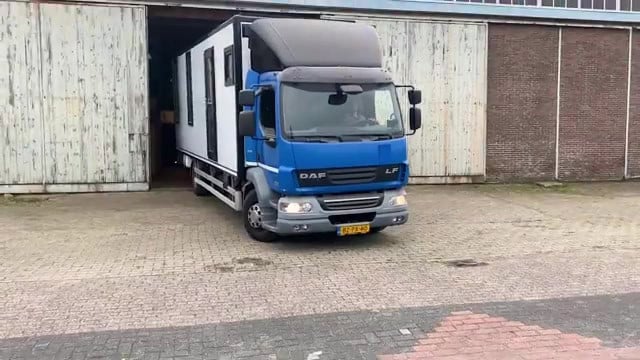
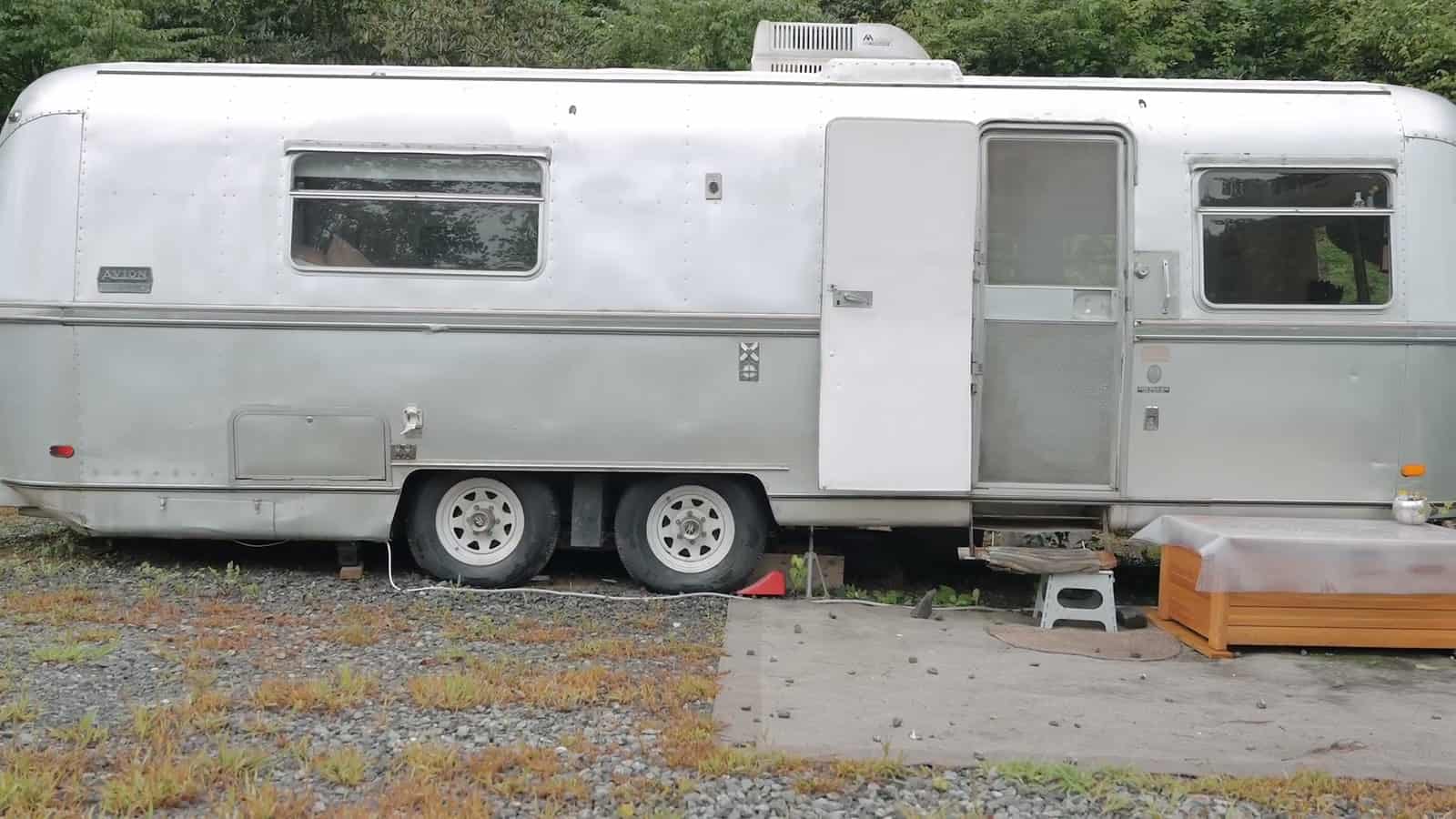
- Converted Vehicles: Buses, vans, trucks, and even airplanes transformed into mobile or stationary homes
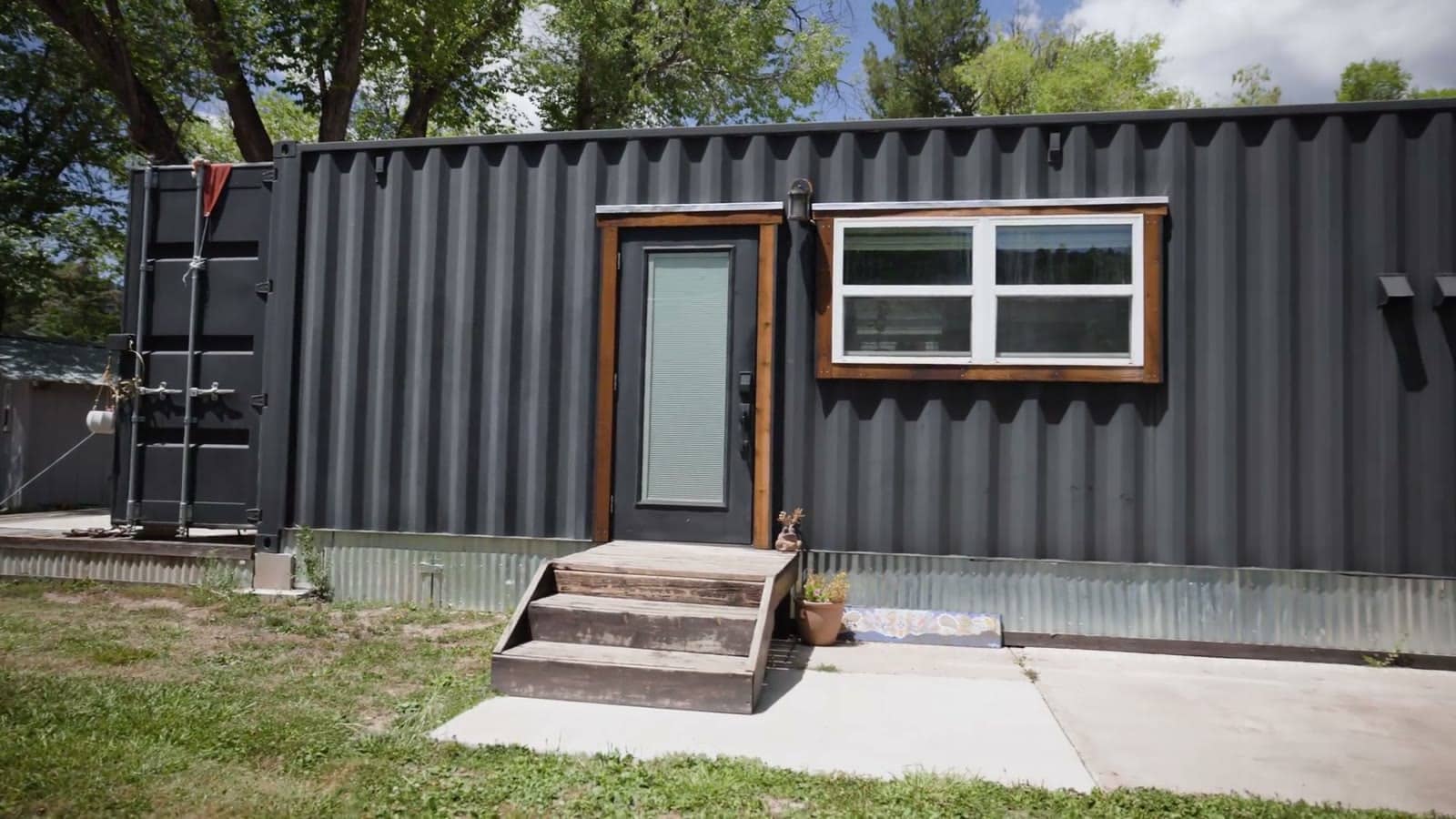
- Shipping Containers: Steel cargo containers modified with windows, insulation, and living amenities
- Treehouses: Elevated structures built in or around trees, ranging from simple platforms to elaborate homes
- Underground Homes: Earth-sheltered dwellings built into hillsides or below ground for natural temperature regulation
- Houseboats: Floating homes ranging from converted boats to purpose-built floating structures
- Yurts and Domes: Circular structures with efficient space usage and unique aesthetics
- Cave Homes: Natural or carved-out stone dwellings found in various cultures worldwide
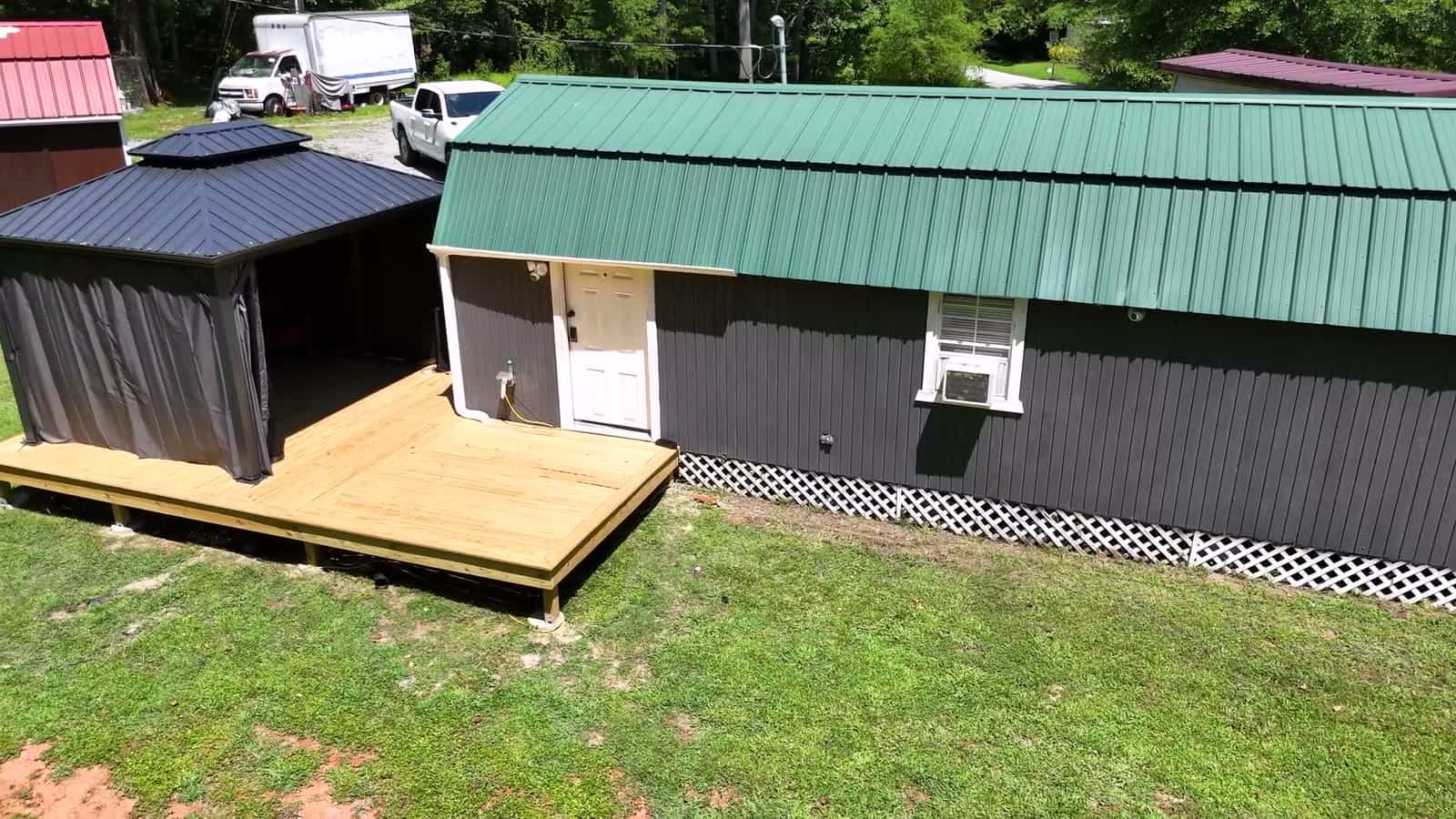
- Converted Commercial Buildings: Former churches, barns, warehouses, and other structures adapted for residential use
Why People Choose Unusual Homes
Unconventional housing appeals to people for various reasons: lower costs, environmental benefits, mobility, connection to nature, or simply a desire to live differently. What seems unusual in one context may be traditional in another culture or era.
Lessons from Alternative Housing
- Housing Norms Are Cultural: What counts as normal housing varies across time and place
- Repurposing Creates Opportunity: Vehicles, containers, and commercial buildings can become comfortable homes
- Location Flexibility Expands Options: Water, trees, and underground spaces offer living possibilities beyond flat land
- Unconventional Doesn’t Mean Uncomfortable: Many alternative dwellings provide excellent quality of life
- Building Codes Vary Widely: What’s permitted depends heavily on local regulations and zoning
You can share this using the e-mail and social media re-share buttons below. Thanks!
If you enjoyed this you’ll LOVE our Free Daily Tiny House Newsletter with even more!
Also, try our Tiny Houses For Sale Newsletter!
More Like This: Tiny Houses | Small Cabins
See The Latest: Go Back Home to See Our Latest Tiny Houses
Disclosure: This post may contain affiliate links. If you purchase through one of our links, we may earn a commission at no additional cost to you.


Alex
Latest posts by Alex (see all)
- Studio Home Laurel: A One-Bedroom Backyard ADU in Four Architectural Styles - October 10, 2026
- A 6’5″ Man’s DIY Tiny House on Wheels, Permitted in Calgary - October 10, 2026
- A Long House: A Designer’s 603 Sq Ft Seoul Apartment Opened Up Around Morning Rituals - October 10, 2026