Team CASITA at Northwestern University designed and built an off-grid tiny house on a trailer as an academic project exploring sustainable, efficient housing. The 128-square-foot structure incorporated solar power, rainwater collection, and carefully selected building materials to demonstrate that small homes can operate independently from utility connections.
Project Overview
The CASITA project aimed to create a fully functional, self-sufficient dwelling using smart design principles. The team addressed the core challenges of off-grid living: generating electricity, collecting and storing water, and maintaining comfortable temperatures year-round.
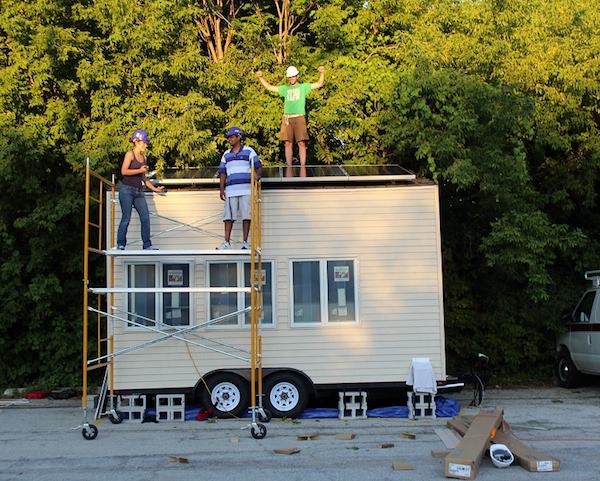
Photo Credit: Northwestern University
[continue reading…]
{ }
The Roll It house challenges conventional thinking about tiny home design. Created as an experimental dwelling concept, this cylindrical structure transforms its interior simply by rotating—turning a workspace into a bedroom or a kitchen into a bathroom with a gentle push.
How the Rotating Design Works
Unlike traditional tiny houses where furniture folds or slides, Roll It takes a fundamentally different approach. The entire cylindrical interior rotates 180 degrees, revealing completely different functional zones on opposite sides of the drum.
The transformation mechanism includes:
- Desk to bed conversion: Rotate the cylinder and a work surface becomes a sleeping area
- Velcro-secured mattress: Bedding stays in place during rotation
- Hidden storage: Pillows, blankets, clothing, and linens stored underneath the sleeping surface
- Kitchen to bathroom: The utility zone rotates between cooking and bathing functions

[continue reading…]
{ }
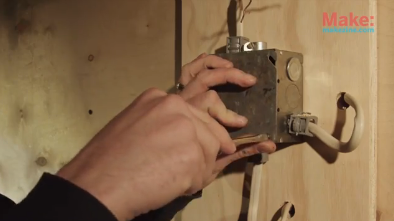
This DIY project creates a secret storage compartment disguised as an electrical junction box, perfect for tiny houses where hidden storage is valuable but space is limited. The project costs about $10 in materials and takes only 12-15 minutes to complete. Fake wiring makes the box appear to be a real electrical connection.
Project Details
- Project: Secret junction box storage
- Cost: Approximately $10
- Time: 12-15 minutes
- Creator: Derek “Deek” Diedricksen
- Featured In: Make Magazine
Materials Needed
- Power drill/screwdriver
- Drill bit
- Junction box
- Drywall screws
- Wire (for realistic appearance)
- Wire cutters
- Plastic cable connectors
Hidden Junction Box Storage
[continue reading…]
{ }
This free-standing tree house by Slovenian architects Ravnikar Potokar sits elevated on stilts like a traditional tree fort but requires no tree for support. The modern design creates an elevated retreat suitable for a home office, art studio, writing space, or guest quarters while demonstrating that compact living spaces can function at any height.
Design Details
- Designer: Ravnikar Potokar Architects
- Location: Slovenia
- Type: Free-standing elevated structure
- Support: Stilts (no tree required)
- Uses: Home office, art studio, writing space, guest quarters
- Features: Multiple windows, elevated deck
Elevated Modern Tree House
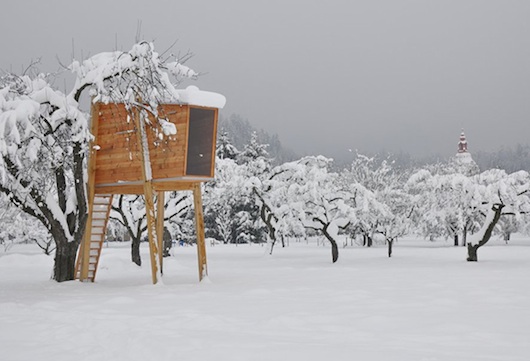
Photo via Ravnikar Potokar
[continue reading…]
{ }
Architect Jeffery S Poss designed and built this tiny structure specifically for meditation, featuring two large east and west-facing windows that ensure sunlight throughout the day. The design includes a fountain to mask exterior sounds and a layout with dual loft spaces that could be adapted for sleeping platforms, making the meditation retreat adaptable as a full-time tiny dwelling.
Design Details
- Designer/Builder: Jeffery S Poss, Architect
- Purpose: Meditation retreat (adaptable for living)
- Windows: Two large windows (east and west facing)
- Features: Built-in fountain, dual loft spaces
- Natural Light: Sunlight throughout the day
- Sound: Fountain masks unwanted exterior noise
Meditation Tiny House
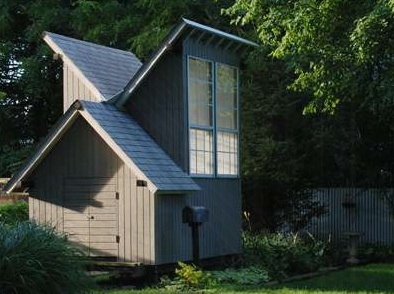
Photo via Jeffery S Poss, Architect
[continue reading…]
{ }
The Northwestern Tiny House Project brought together students from Northwestern University to build a 128 square foot sustainable tiny house on a trailer foundation. Team CASITA designed the home with complete electrical and plumbing systems, solar panels with battery backup, water tanks, and a rainwater collection system, creating a fully off-grid dwelling that demonstrates efficient use of space and resources.
Project Details
- Project: Northwestern Tiny House Project
- Team: Team CASITA
- University: Northwestern University
- Size: 128 square feet
- Foundation: Trailer-based
- Power: Solar panels with battery bank (3-day backup)
- Water: Tank system with rainwater collection
- Type: Off-grid capable
Northwestern Student Tiny House

Photo via Northwestern University
[continue reading…]
{ }
Matt and Laura built a 120 square foot Tumbleweed Tarleton tiny house in the woods of western North Carolina on a permanent foundation rather than a trailer. Working weekends while living and working in Atlanta, they documented the multi-year build process on their blog “Life in 120 Square Feet.”
Build Details
- Size: 120 square feet
- Design: Tumbleweed Tarleton
- Location: Western North Carolina woods
- Foundation: Permanent (not trailer-based)
- Builders: Owner-built by couple
- Schedule: Weekend construction while working in Atlanta
- Timeline: Multi-year project
Tarleton Tiny House in North Carolina
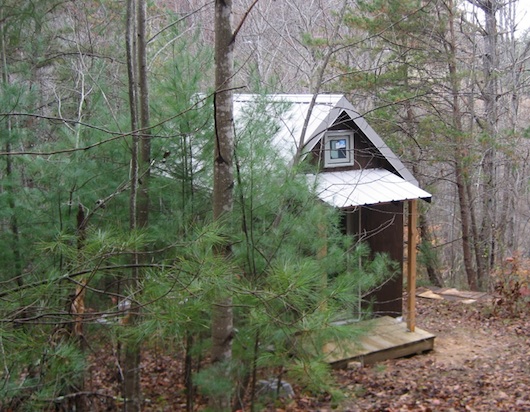
Photo via Matt and Laura
[continue reading…]
{ }
The Cai House by designer/builder Nick Hurt of Fletcher, Vermont is a two-story tiny house on wheels that expands from towable dimensions to 420 square feet when deployed. Described as “a super-insulated RV disguised as a cabin or cottage,” the wood-frame structure features fold-out sections that dramatically increase living space while maintaining mobility.
Design Details
- Name: Cai House
- Designer/Builder: Nick Hurt
- Location: Fletcher, Vermont
- Expanded Size: 420 square feet
- Stories: Two
- Construction: Wood frame on wheels
- Insulation: Super-insulated
- Build Cost: Approximately $50,000
- Description: Super-insulated RV disguised as cabin/cottage
Cai House Exterior
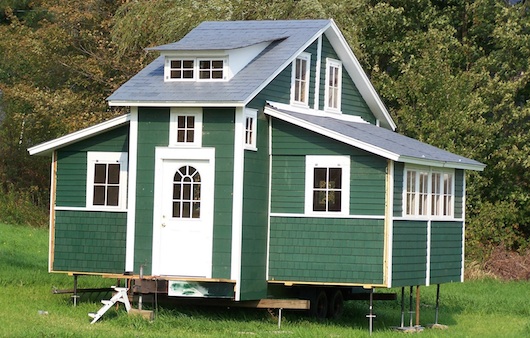
Photos via Cai House/Nick Hurt
[continue reading…]
{ }
Tiny houses serve practical business purposes beyond personal housing, including guest accommodations for retreat centers, attention-generating marketing displays, and income-producing rental units. The Milarepa Center Buddhist retreat in Vermont built a tiny house for teacher and student housing, demonstrating how organizations use small structures cost-effectively.
Business Applications
- Guest Housing: Accommodations for teachers, students, or clients
- Retreat Cabins: Private spaces for meditation or wellness centers
- Marketing Attraction: Portable display units that draw attention to events
- Rental Income: Short or long-term rental units on existing property
- Employee Housing: On-site accommodations for staff
Milarepa Center Tiny House

Milarepa Center, Barnet, Vermont
[continue reading…]
{ }