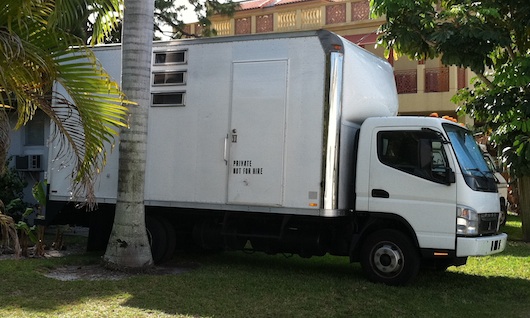
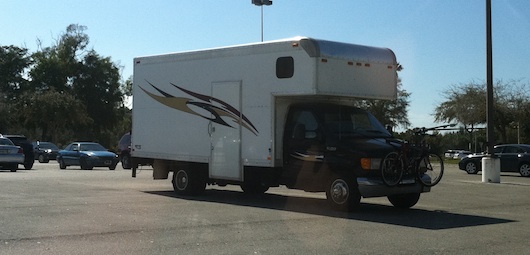
This stealth box truck conversion transforms a commercial delivery vehicle into a discreet mobile home. Unlike obvious RVs or decorated conversions, this build maintains the original commercial appearance, allowing the occupant to park in urban areas without attracting attention. The stealth approach represents one strategy for mobile tiny house living.
Converting box trucks into mobile homes transforms commercial delivery vehicles into full-time dwellings. This box truck conversion retains the original rear lift gate while adding living amenities inside, demonstrating how industrial vehicles can become affordable tiny houses on wheels. The approach offers an alternative to traditional RVs or trailer-based tiny homes.
This video compilation showcases various small and tiny houses discovered during explorations in Florida, including structures found in Matlacha. The clips feature a range of compact dwellings from small barn-sheds to converted box truck homes, demonstrating the variety of tiny living options found in real-world settings.
Video Details
Duration: 38 seconds
Content: Small and tiny house clips
Locations: Various Florida locations including Matlacha
Featured Structures: Barn-sheds, box truck conversions, small homes
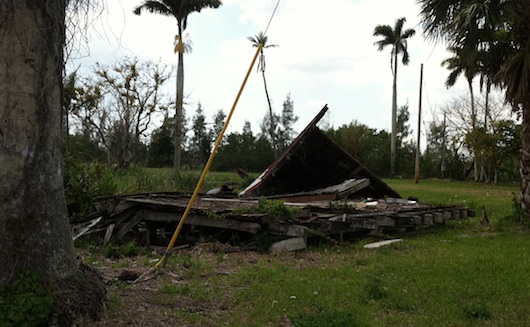
This abandoned shed discovered in the Florida Everglades demonstrates the durability of small structures over time. Despite weathering and neglect, the shed remains standing while a larger adjacent structure has completely collapsed to its foundation. The contrast illustrates how compact buildings often outlast larger ones when left to the elements.
Structure Details
Location: Florida Everglades
Type: Abandoned shed/small structure
Condition: Weathered but standing
Adjacent Structure: Larger building collapsed to foundation
Building an independent online business while embracing small space living demonstrates how reduced expenses enable entrepreneurial risk-taking. By eliminating car payments, downsizing possessions, and keeping housing costs low, aspiring business owners can extend their runway and pursue self-employment with less financial pressure.
Financial Strategy for Entrepreneurship
Save While Employed: Build runway before leaving traditional employment
Reduce Possessions: Fewer belongings mean lower storage and housing costs
Eliminate Car Payments: Owning vehicles outright reduces monthly obligations
Keep Housing Modest: Small apartments and tiny houses minimize rent or mortgage
Build Community Support: Surround yourself with people who encourage persistence
Benefits of Low-Cost Living for Entrepreneurs
Extended Runway: Lower expenses mean savings last longer during business building
Reduced Pressure: Modest living costs decrease the income needed to survive
Focus on Growth: Less financial stress allows concentration on business development
Risk Tolerance: Smaller obligations make entrepreneurial leaps less frightening
Flexibility: Low overhead enables pivoting and experimentation
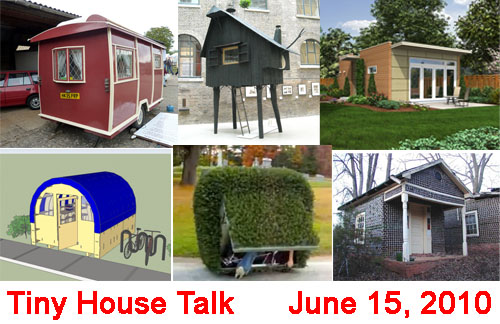
The tiny house movement connects naturally with other lifestyle choices: renewable energy, simplified living, and alternative transportation. These overlapping interests create a community focused on reducing environmental impact while increasing quality of life.
The tiny house movement intersects with several related lifestyle choices: renewable energy adoption, unconventional housing solutions, and intentional simplicity. These connected interests form a community focused on living well with less.