
Disclosure: This post may contain affiliate links. If you purchase through one of our links, we may earn a commission at no additional cost to you.
Going car-free aligns naturally with tiny house living—both prioritize simplicity, lower costs, and reduced environmental impact. This guide covers how to replace car ownership with a combination of bicycles, public transit, and rideshare services.
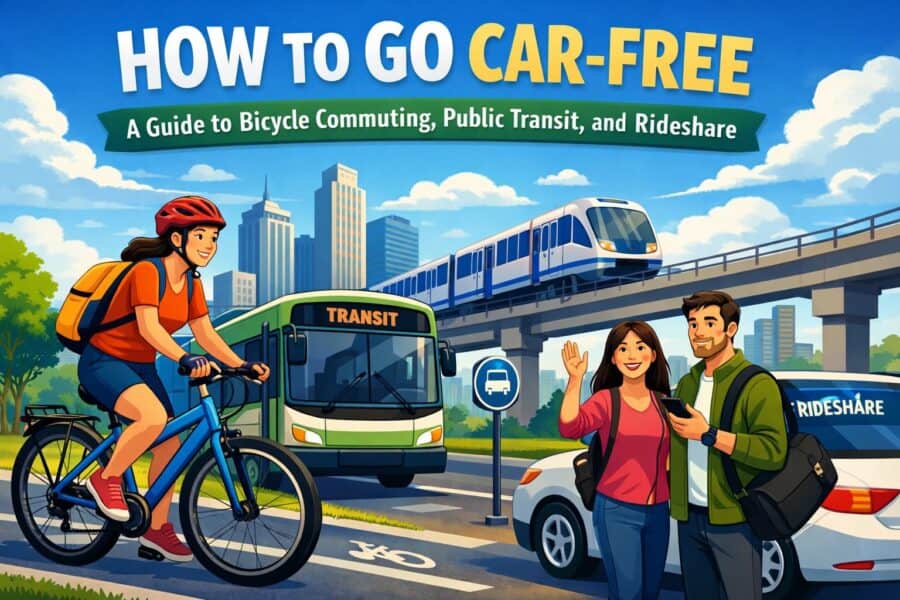
Why Go Car-Free?
- Save Money: Average car ownership costs $10,000+ annually (payment, insurance, fuel, maintenance, parking)
- Improve Health: Daily cycling provides built-in cardiovascular exercise
- Reduce Stress: No traffic jams, parking searches, or repair shop visits
- Environmental Impact: Eliminate personal vehicle emissions entirely
- Simplify Life: Fewer possessions to maintain, insure, and store
Step 1: Assess Your Transportation Needs
Before ditching your car, track your trips for a month:
- Commute Distance: How far is work? Under 10 miles is very bikeable
- Grocery Runs: How far to the nearest store? What’s your typical haul?
- Errands: Can you batch trips or find closer alternatives?
- Weather Patterns: How many days per year have extreme conditions?
- Terrain: Flat areas are easier; hills may require electric assist
Step 2: Build Your Bicycle Setup
Choosing a Bike
- Commuter/Hybrid Bike: Good all-around choice for most riders
- Cargo Bike: Essential for groceries, kids, or heavy loads
- Electric Bike: Extends range and conquers hills with less sweat
- Folding Bike: Combines with transit; stores in small spaces
Essential Accessories
- Panniers/Bags: Carry groceries and work gear
- Lights: Front and rear for visibility and night riding
- Lock: Quality U-lock plus cable for wheels
- Fenders: Keep dry on wet roads
- Rain Gear: Waterproof jacket, pants, and shoe covers
- Helmet: Non-negotiable safety equipment
Bike Maintenance Basics
- Keep tires inflated to proper pressure
- Lubricate chain monthly
- Check brakes before each ride
- Annual tune-up at a local shop
- Learn to fix a flat tire yourself
Step 3: Set Up Transit as Backup
Public transit fills gaps when cycling isn’t practical.
Monthly Bus/Transit Passes
- Cost Savings: Monthly passes often cost less than a single car payment
- Unlimited Rides: No per-trip decision-making
- Bike Integration: Most buses have front bike racks; trains allow bikes
- Bad Weather Option: Skip the bike when conditions are dangerous
- Longer Trips: Cover distances beyond comfortable cycling range
Getting a Transit Pass
- Check your local transit authority’s website
- Many employers offer pre-tax transit benefits
- Student and senior discounts often available
- Some cities offer reduced fares for low-income residents
Step 4: Use Rideshare for Emergencies
Uber, Lyft, and taxis serve as your “backup car” for situations bikes and buses can’t handle.
When Rideshare Makes Sense
- Severe Weather: Ice storms, extreme heat, heavy rain
- Late Night: When buses stop running
- Medical Appointments: When you need door-to-door service
- Large Items: Occasional purchases that won’t fit on a bike
- Time Crunch: When cycling would make you late
Keeping Rideshare Costs Down
- Use only when truly necessary—not as daily habit
- Compare Uber vs. Lyft prices before booking
- Schedule rides during non-surge times when possible
- Split rides with others heading the same direction
- Budget a monthly “rideshare allowance” and track spending
Step 5: Handle Groceries Without a Car
- Shop More Frequently: Smaller trips are easier to carry
- Use Panniers or a Cargo Bike: Carry a week’s groceries comfortably
- Bike Trailer: Attach when needed, remove when not
- Grocery Delivery: Services like Instacart for heavy/bulky items
- Walk to Nearby Stores: Choose housing near grocery options
Cost Comparison: Car vs. Car-Free
Typical Annual Car Costs:
- Car payment: $4,000-$7,000
- Insurance: $1,500-$2,500
- Fuel: $1,500-$3,000
- Maintenance: $500-$1,500
- Parking: $0-$3,000+
- Total: $7,500-$17,000/year
Typical Annual Car-Free Costs:
- Bike maintenance: $100-$300
- Transit pass: $600-$1,500
- Rideshare budget: $500-$1,500
- Occasional rental: $200-$500
- Total: $1,400-$3,800/year
Potential Savings: $4,000-$13,000+ per year
Tips for Success
- Start Gradually: Go car-free one day per week, then expand
- Plan Routes: Scout safe bike paths before committing
- Keep Rain Gear at Work: Be prepared for weather changes
- Join Local Bike Groups: Learn routes and tips from experienced riders
- Location Matters: Choose housing near work, transit, and groceries
- Have a Backup Plan: Know your transit and rideshare options before you need them
Lessons from Car-Free Living
- Most Trips Are Short: The majority of car trips are under 5 miles—easily bikeable
- Weather Is Rarely a Problem: Proper gear handles most conditions; rideshare covers the rest
- Fitness Happens Automatically: Daily cycling replaces gym memberships
- You’ll Know Your Neighborhood: Cycling reveals shortcuts, shops, and community you’d miss in a car
- The Savings Are Real: Thousands of dollars per year return to your budget
Related Articles
You can share this using the e-mail and social media re-share buttons below. Thanks!
If you enjoyed this you’ll LOVE our Free Daily Tiny House Newsletter with even more!
Also, try our Tiny Houses For Sale Newsletter!
More Like This: Tiny Houses | Tiny House Living
See The Latest: Go Back Home to See Our Latest Tiny Houses
Disclosure: This post may contain affiliate links. If you purchase through one of our links, we may earn a commission at no additional cost to you.


Alex
Latest posts by Alex (see all)
- Studio Home Laurel: A One-Bedroom Backyard ADU in Four Architectural Styles - October 10, 2026
- A 6’5″ Man’s DIY Tiny House on Wheels, Permitted in Calgary - October 10, 2026
- A Long House: A Designer’s 603 Sq Ft Seoul Apartment Opened Up Around Morning Rituals - October 10, 2026







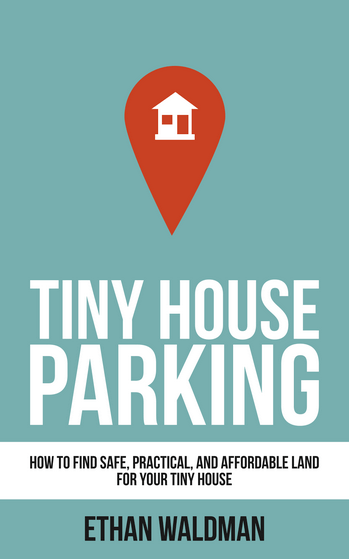

Thanks for your support! I really appreciate it.
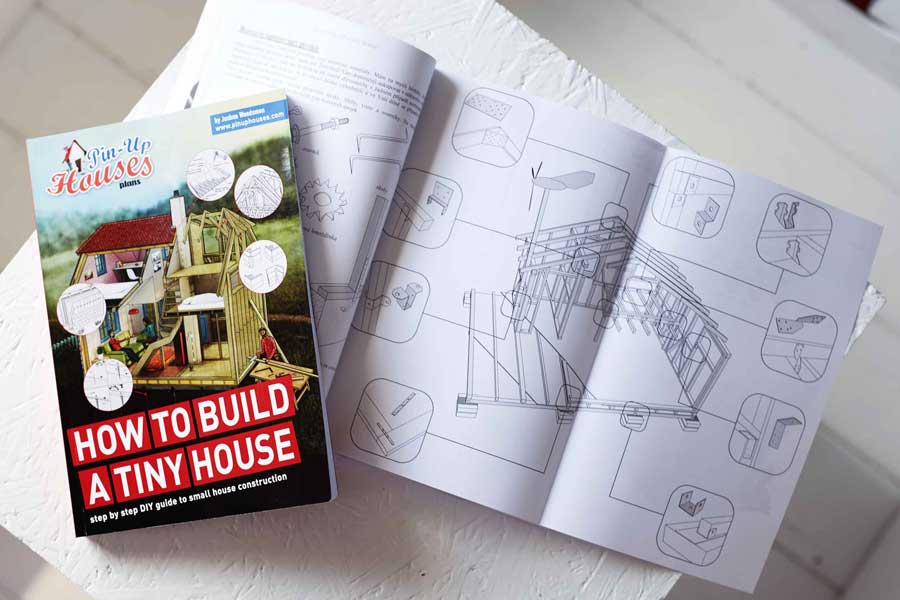
If you have any questions about the book, just send me an e-mail. 🙂
Finished reading through it last night, lots of great info in there. I think you’ve inspired me to ride more and drive less… Just gotta go buy some more gear!