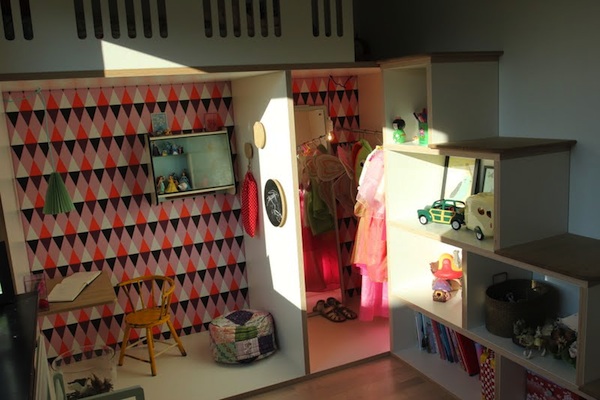
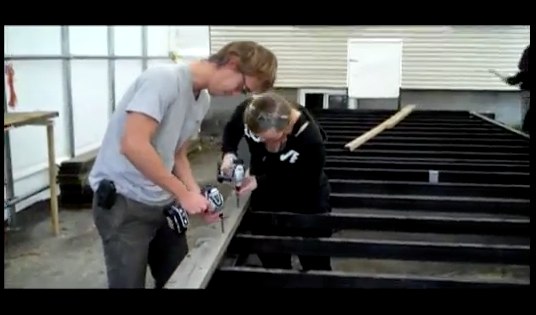
The Slabtown Cube measures 12 feet by 12 feet with a full second level, creating a compact two-story tiny house with complete amenities. At 12 feet tall, the loft provides ample space for sleeping and storage while accommodating a 19 gallon water heater and RV-style washer/dryer combo.
Slabtown Cube Specifications
Builder: Slabtown Customs
Footprint: 12 feet by 12 feet
Height: 12 feet
Stories: Two (main floor plus loft)
Foundation: Wooden skids
Floor Joists: 2×8
Roof: Metal with steel hurricane tiles
Entry Door: 36 inches
Interior Finish: Bead board pine paneling on walls and ceiling
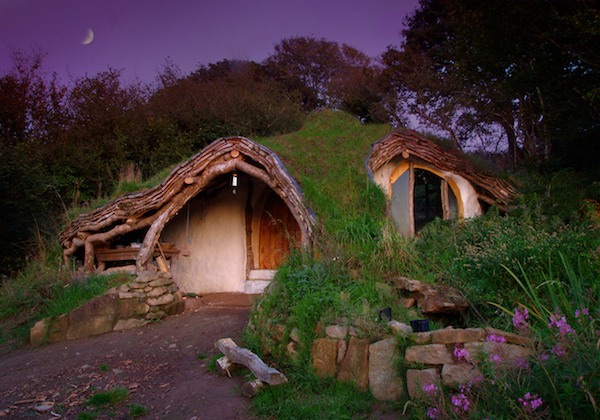
This Tiny Texas Houses cabin measures 10 by 12 feet with a 6 by 11 foot front porch, built almost entirely from reclaimed materials dating back over a century. The rustic construction features 125-year-old cedar porch posts, 1800s-era long leaf pine siding, and corrugated metal roofing from the early 1900s.
Cabin Specifications
Builder: Tiny Texas Houses (Brad Kittel)
Main Cabin: 10 feet by 12 feet
Porch: 6 feet by 11 feet
Stories: Two (main floor plus sleeping loft)
Materials: Primarily reclaimed/salvaged
Historic Materials
Porch Posts: 125-year-old cedar
Exterior Siding: 2×8 long leaf pine from the 1800s
This 130 square foot tiny house sits on a 9 by 18 foot trailer, occupying roughly the same footprint as a parking space. Built by an engineer who wanted a permanent home that could travel with him, the house provides the stability of homeownership with the flexibility of mobility.
Tiny House Specifications
Size: 130 square feet
Trailer: 9 feet by 18 feet
Type: Tiny house on wheels (THOW)
Builder: Owner-built
Build Time: Approximately 18 months from plans to completion
This 258 square foot transforming apartment in Barcelona was converted from a former water tank storage space in a building’s attic. Designed by architect Barbara Appollini, the space draws inspiration from small Japanese homes and space-saving boat furniture to create a living environment where walls and furniture serve multiple functions and nearly everything can be hidden away.
Apartment Specifications
Location: Barcelona, Spain
Size: 258 square feet
Designer: Barbara Appollini, architect
Original Use: Water tank storage for building
Position: Building attic
Outdoor Space: Roof terrace with city views
Design Inspiration: Japanese homes and boat furniture
The Liters of Light project brings free daytime illumination to dark shanty homes using recycled plastic bottles filled with water and bleach. This simple solar lighting solution requires no electricity, costs almost nothing to install, and provides up to 60 watts equivalent of clear light for families who previously relied on expensive and dangerous kerosene lamps.
How It Works
Materials: One-liter plastic bottle, water, four teaspoons of bleach
Installation: Hole cut in corrugated iron roofing, bottle inserted and sealed
Installation Time: Less than one hour
Light Output: Approximately 60 watts equivalent
Lifespan: Up to 5 years (bleach prevents algae growth)
Cost: Nearly free using recycled materials
Before Liters of Light
After Liters of Light
Project Impact
Scale: Thousands of installations across the Philippines
Inspiration: Similar projects in Brazil and concepts from MIT
Founder: Ilac Diaz, entrepreneur focused on simple green technologies
Community Involvement: Hundreds of volunteers participate in installation events
Video Demonstration
Lessons from Liters of Light
Simple Solutions Solve Big Problems: A plastic bottle, water, and bleach provide free lighting for five years
Recycled Materials Have Value: Trash becomes infrastructure when creatively repurposed
Zero Energy Consumption: Solar refraction requires no electricity or ongoing fuel costs
Health Benefits: Eliminates indoor smoke from kerosene lamps
Scalable Design: Anyone can install these with minimal training
Downsizing life creates space for what matters most—whether that means more time freedom, launching a business, pursuing art, traveling full-time, or simply enjoying more quality family moments. These five practical approaches help anyone begin simplifying their lifestyle.
Five Ways to Downsize Your Life
Reduce Possessions: Keep only items that serve a purpose or bring genuine joy
Shrink Living Space: Smaller homes mean less maintenance, lower costs, and more freedom
Cut Recurring Expenses: Eliminate subscriptions, services, and payments that don’t add value
Simplify Commitments: Say no to obligations that drain time without providing meaning
Streamline Work: Consider reducing hours, changing careers, or creating location-independent income
Video Guide
Common Motivations for Downsizing
Time Freedom: Less stuff and smaller spaces require less maintenance
Career Change: Lower expenses enable risk-taking on new opportunities
Business Launch: Reduced overhead provides runway for entrepreneurship
Creative Pursuits: Simplicity creates space for art, writing, and passion projects
Travel Goals: Minimal possessions and housing enable mobility
Family Time: Less work obligation means more presence with loved ones
Lessons from Downsizing
Freedom Comes From Less: Fewer possessions mean fewer things demanding attention and maintenance
Expenses Control Options: High fixed costs require high income; low costs enable flexibility
Space Expands When Empty: Removing clutter makes small spaces feel larger
Habits Build Gradually: Start with one area and expand simplification over time
Values Clarify Choices: Knowing what matters most makes deciding what to keep easier