
Disclosure: This post may contain affiliate links. If you purchase through one of our links, we may earn a commission at no additional cost to you.
Editor’s note: I first wrote this in 2012, back when I was hunting for a place to park my own tiny house on wheels. The idea still holds up, and since then plenty of people have actually built versions of it. I’ve updated the post below with what we’ve learned about making it legal and practical.
How about a mini tiny house community you can put together yourself with a small group of people and as little money as possible?
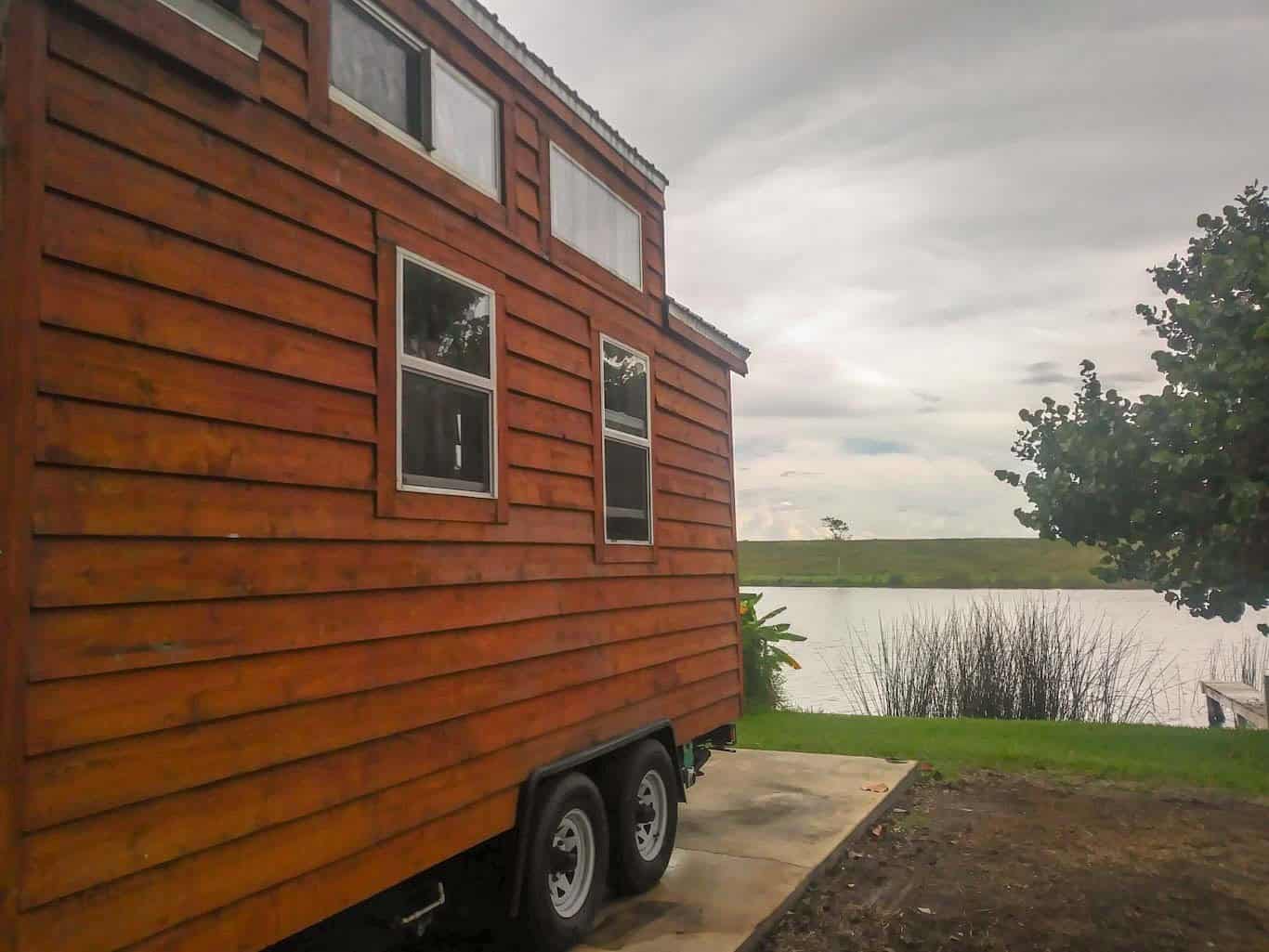
Back then I had posted a WANTED ad on my local Craigslist looking for a plot of land to rent so I could park and live in my future tiny house on wheels. I got one response, and it was another tiny house person looking for exactly the same thing!
As we emailed back and forth, I got to thinking about a simpler way to create a tiny house community. Jay Shafer had just announced plans for a tiny village at the time. That particular village never came to pass, but the idea behind it has since taken root all over the country.
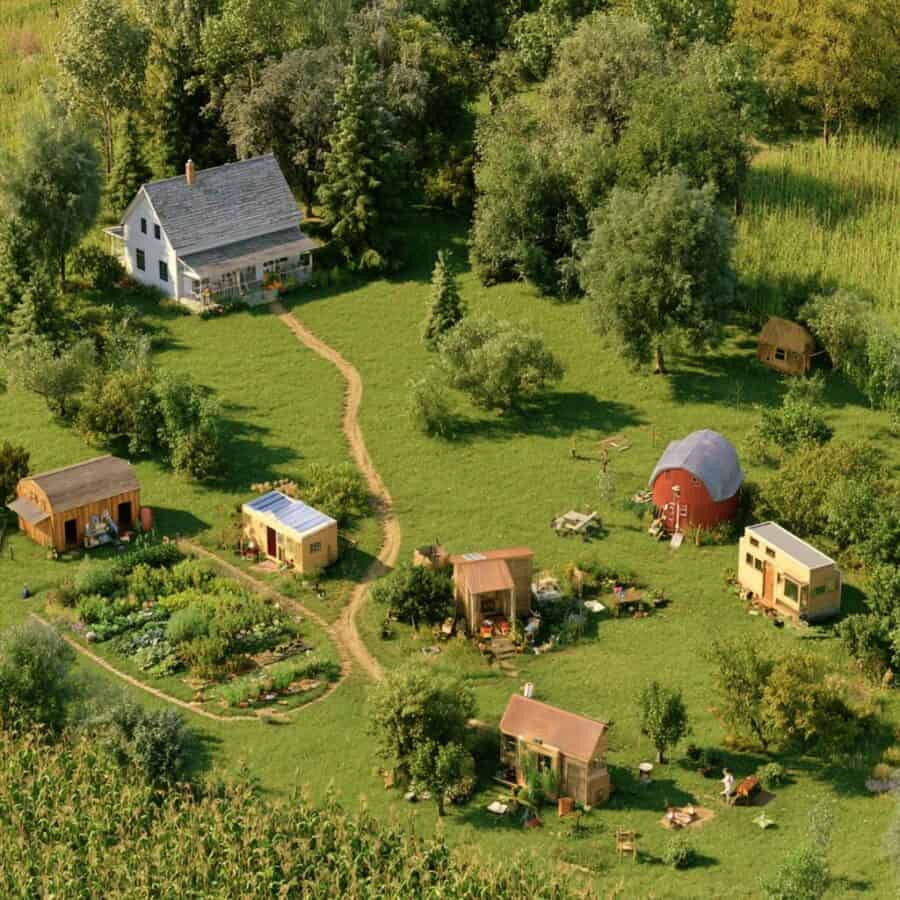
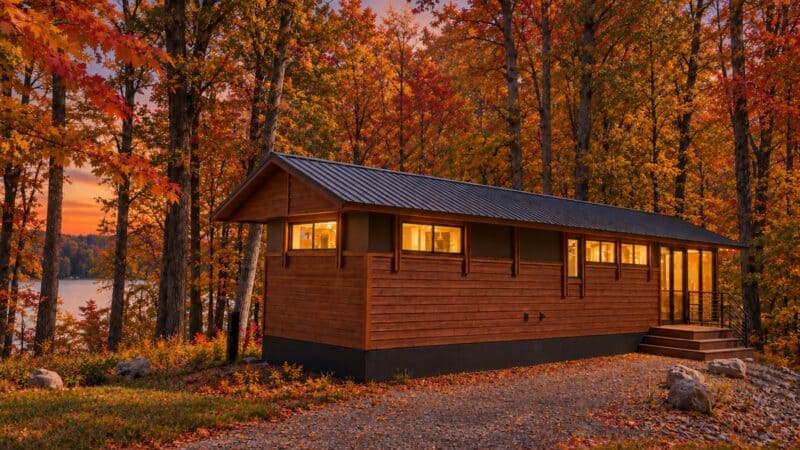
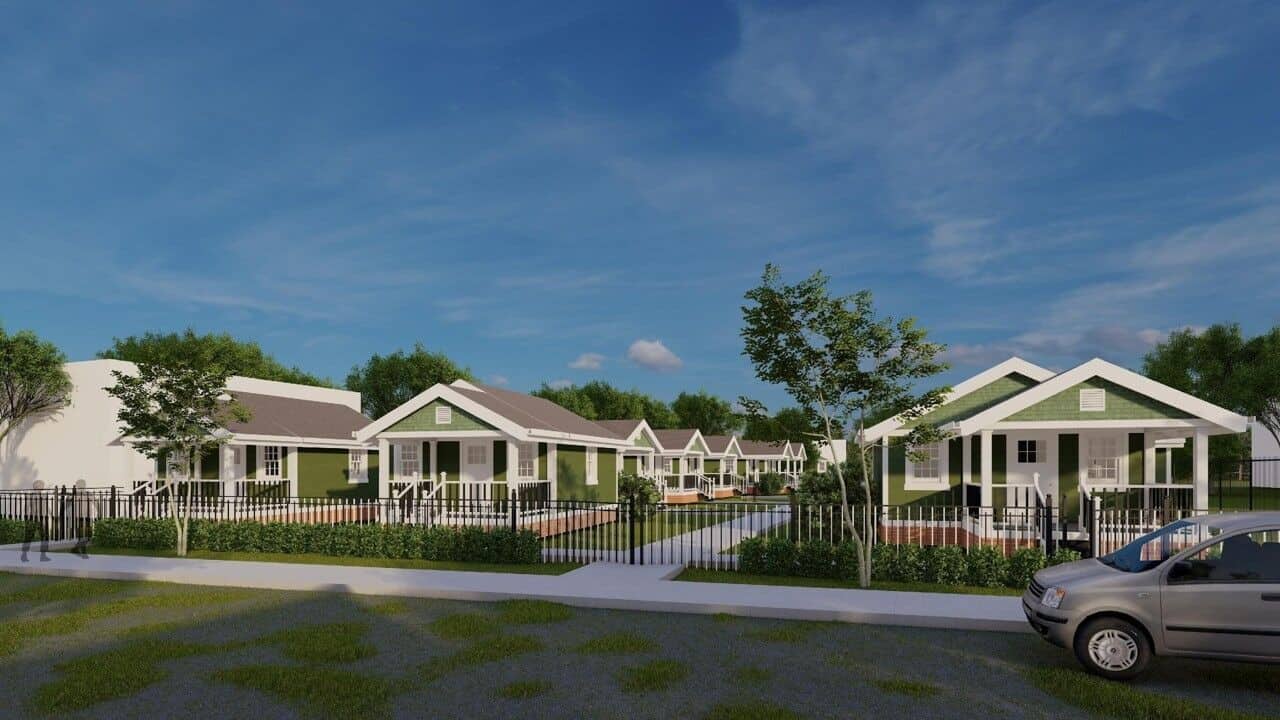
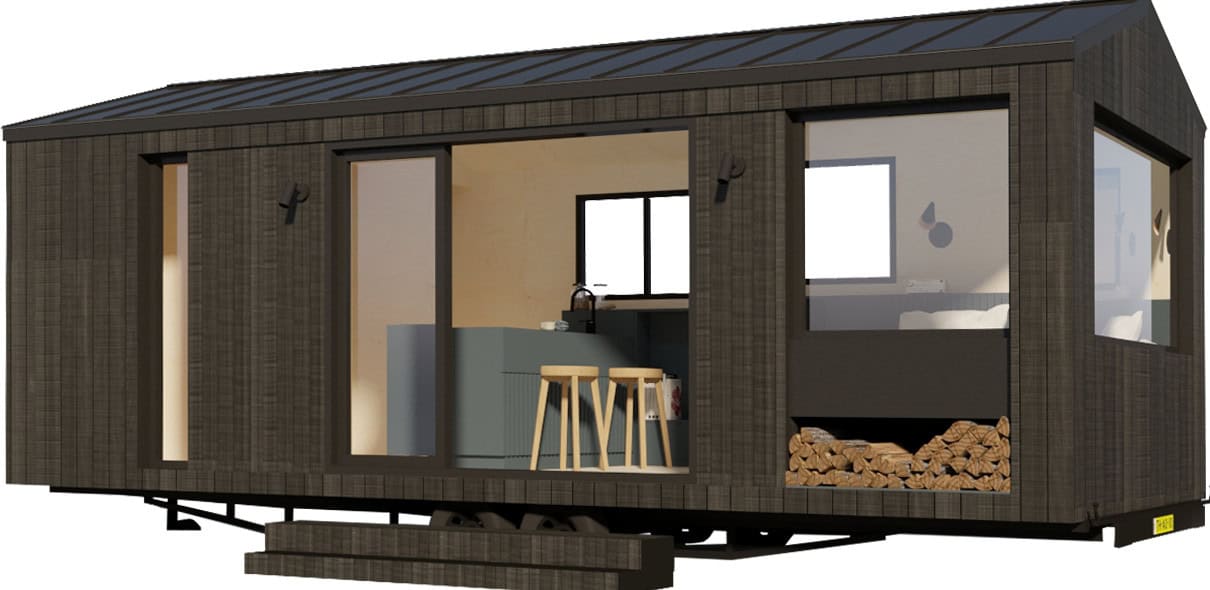
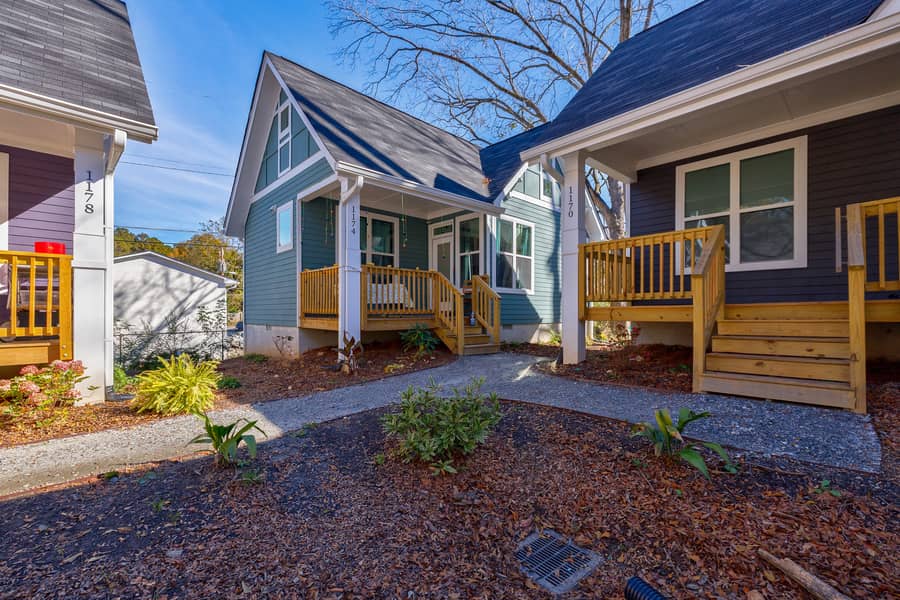
Illustration created with AI
The Estate Lot Idea: Buy One House, Park a Few Tiny Homes
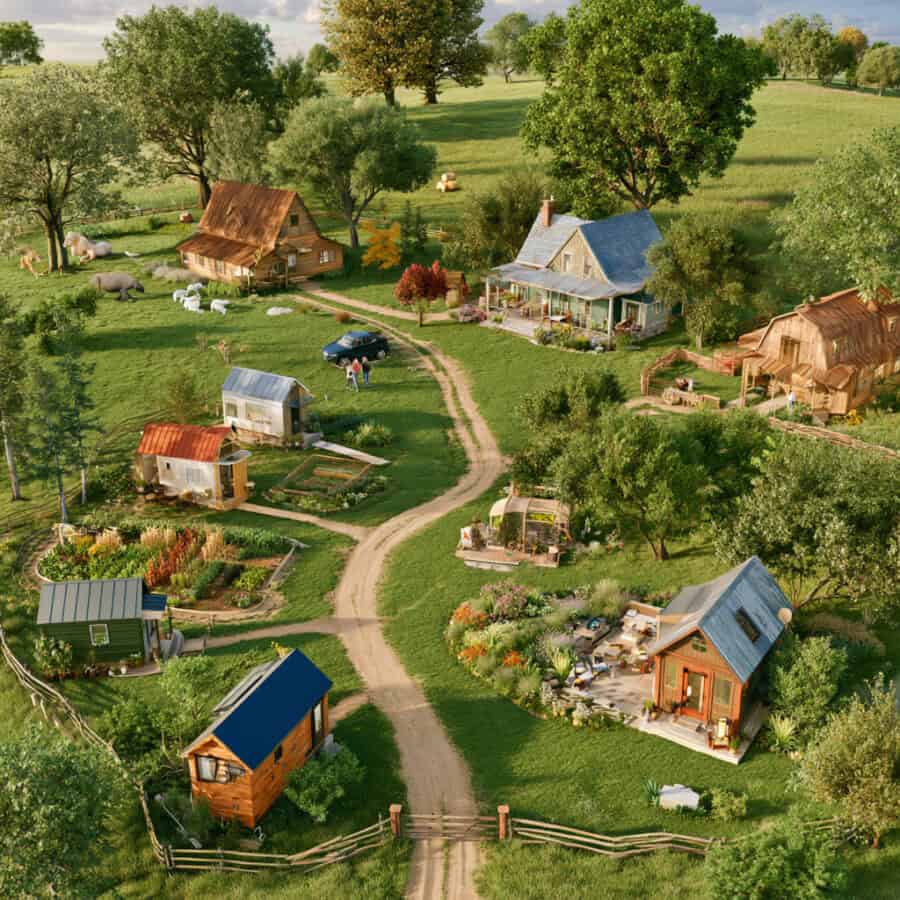
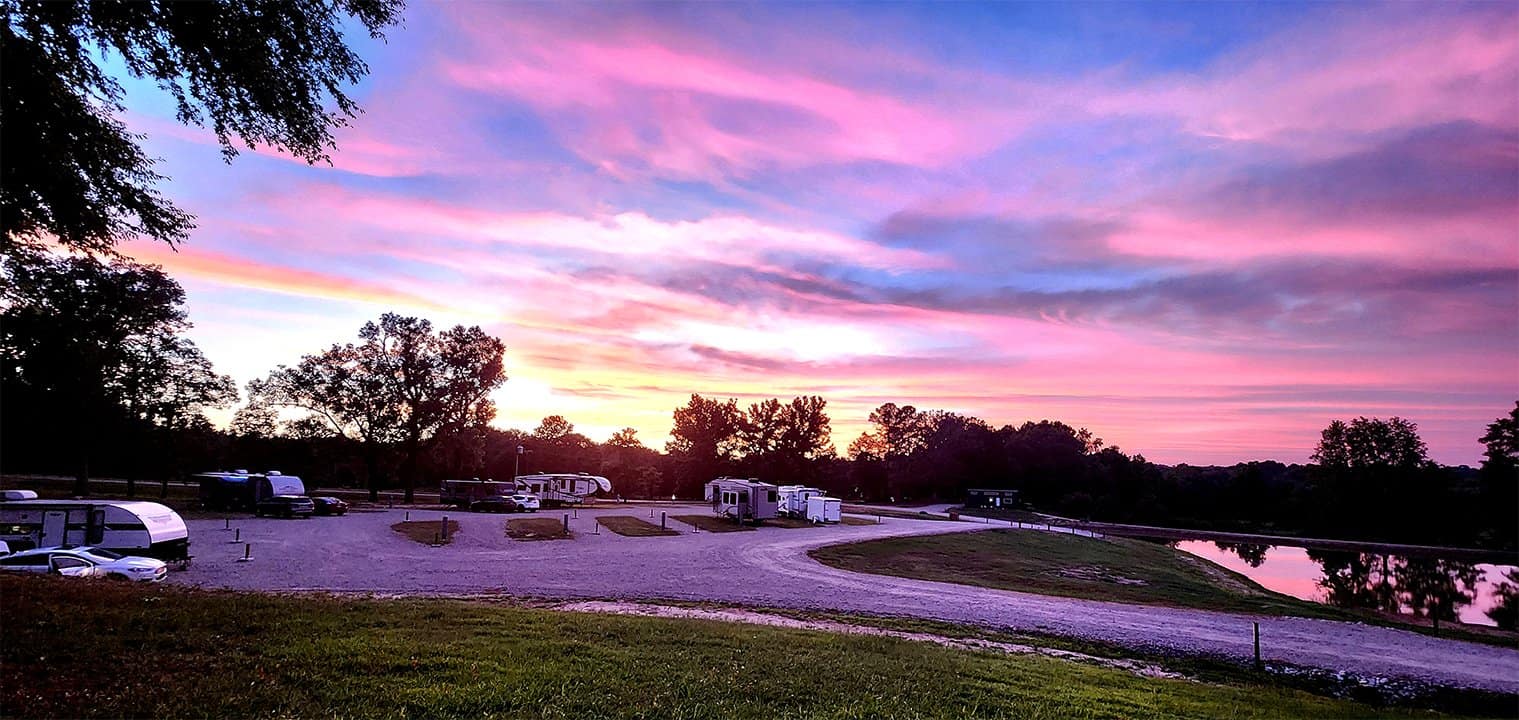
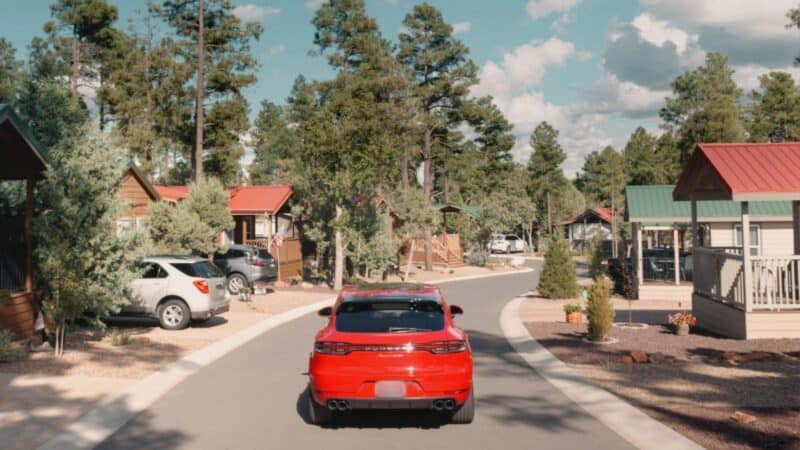
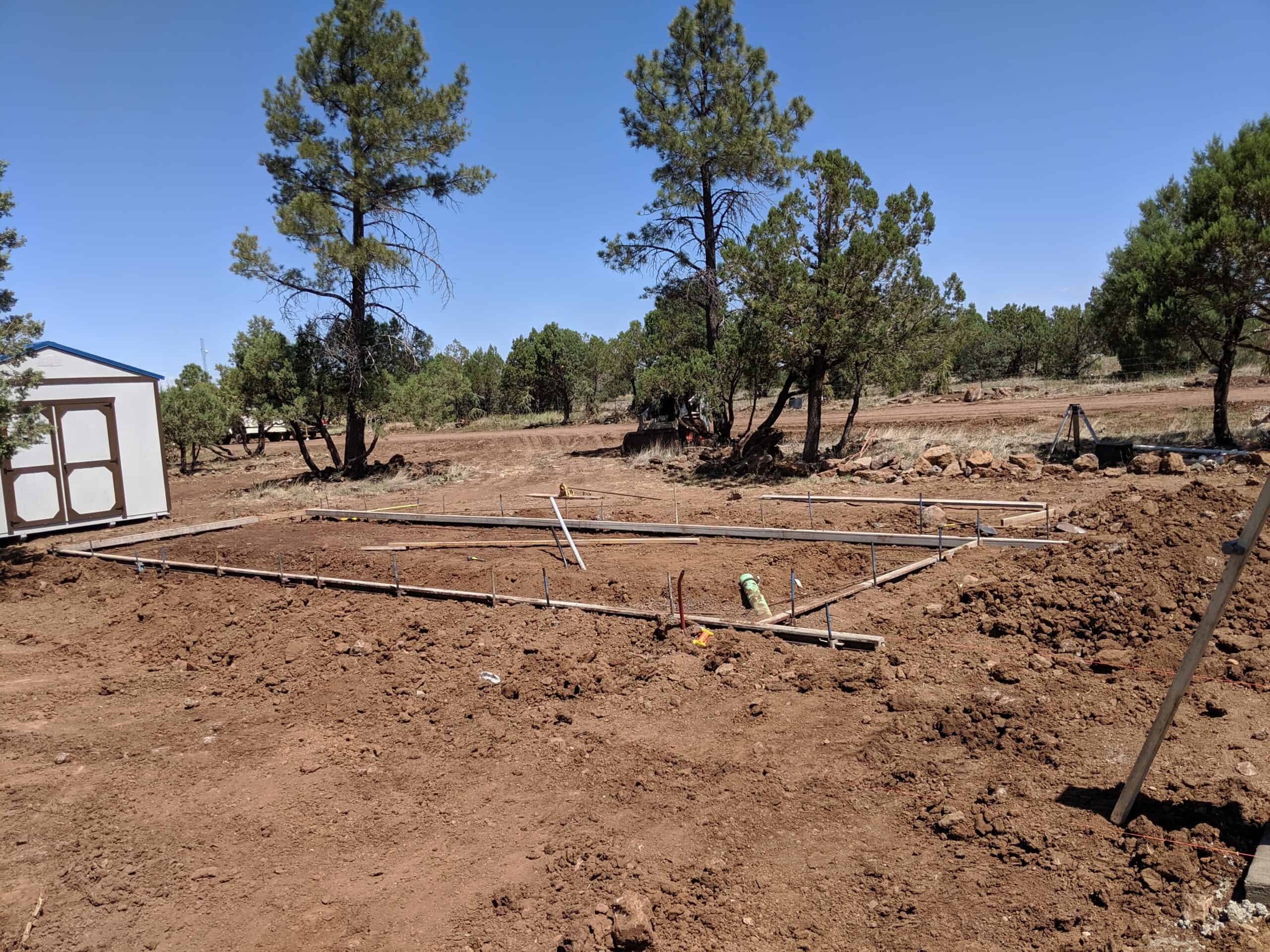
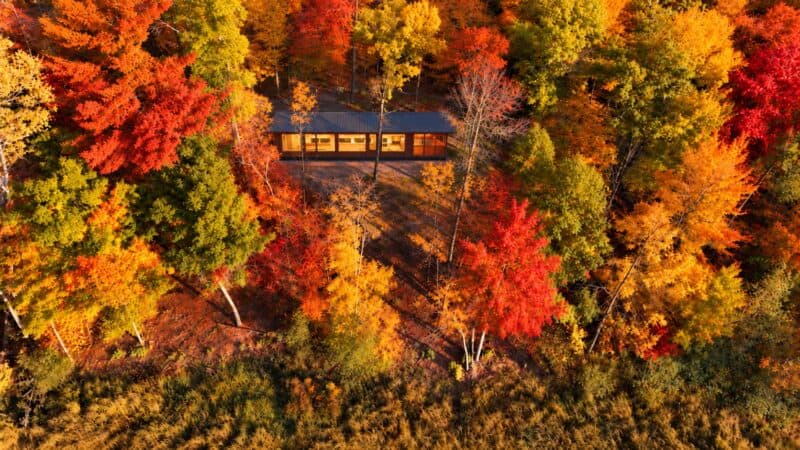
Illustration created with AI
Most towns and cities have areas commonly called Estates, where larger lots of 2.5 acres or more come with a traditional home. In some of them, you’re allowed to park an RV in the backyard (and sometimes camp in it) as long as there is a home that meets code on the property.
So why not purchase or lease one of these homes and create our own small tiny house community?
My original math went like this: with just 3-5 tiny homes in the backyard, each paying $200-$400 a month depending on location and amenities, the property would bring in $600 to $2,000 a month to help cover costs. Then you could do one of two things: rent out the big house for additional income, or charge a bit more per space and turn the main house into a clubhouse for everyone to use.
Those were 2012 numbers. Today, lot rent in established tiny home communities we’ve covered runs roughly $300 to $950 a month (as of August 2026), often including water, sewer, trash, and sometimes internet. A small private setup would likely land somewhere in that range, and it would need to, because insurance, property taxes, and utility upgrades add up quickly.
Turning the Main House into a Community Clubhouse
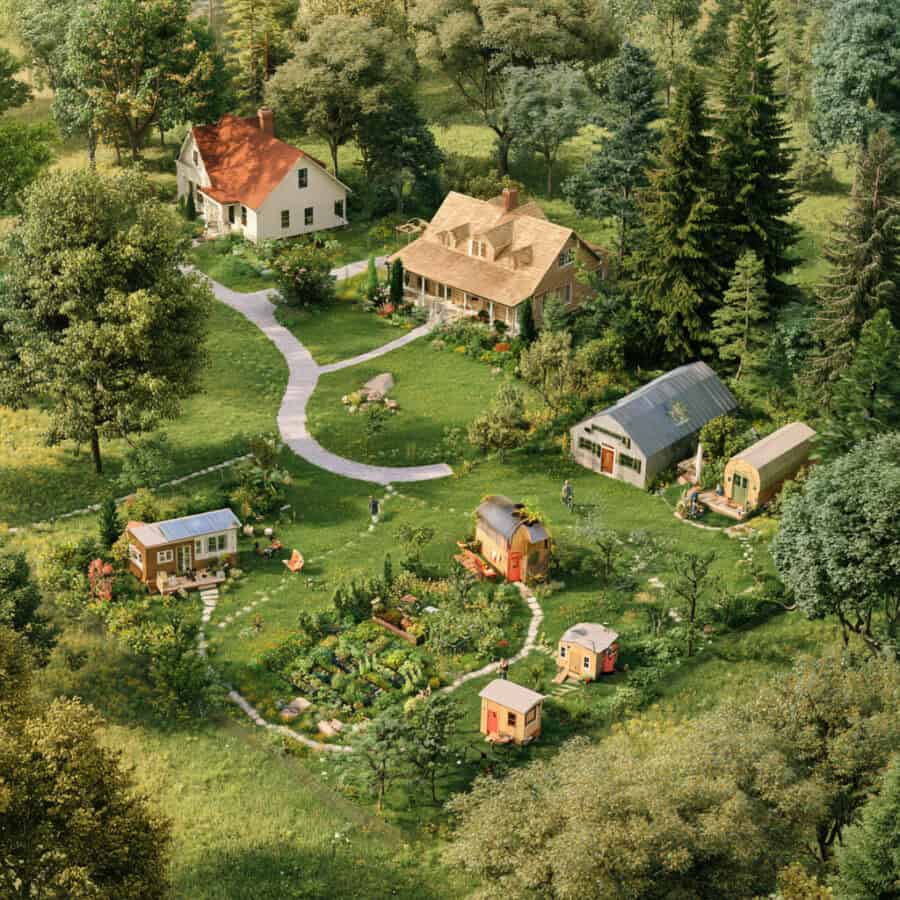
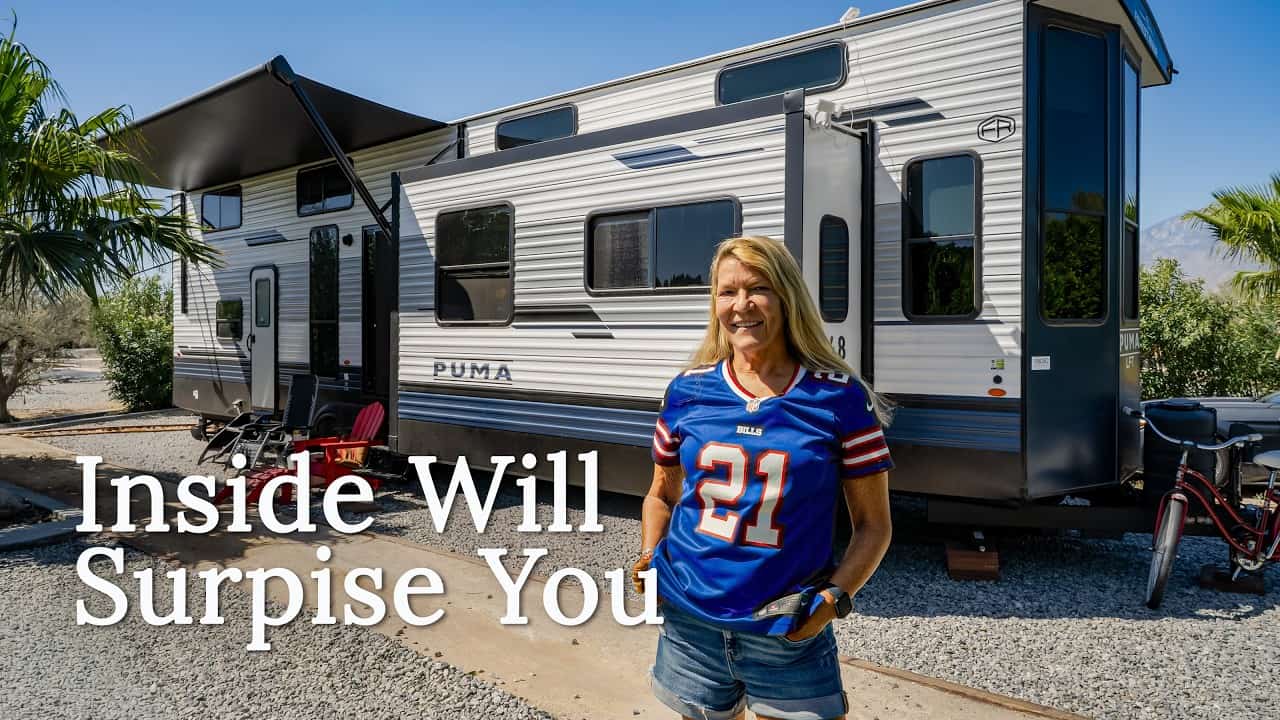
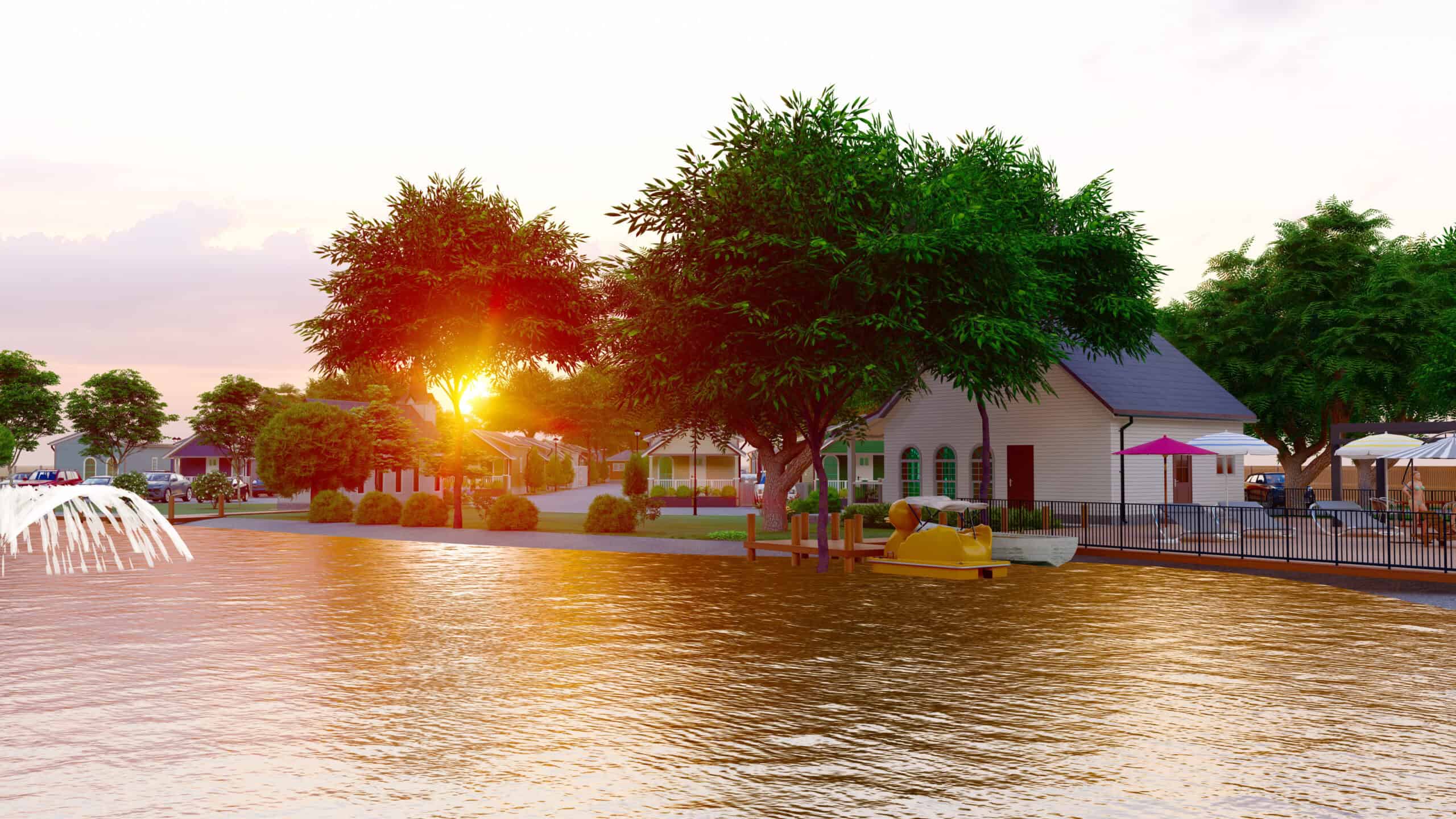
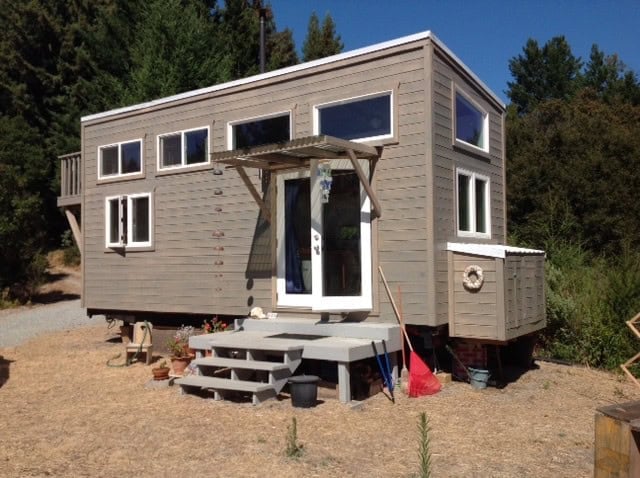
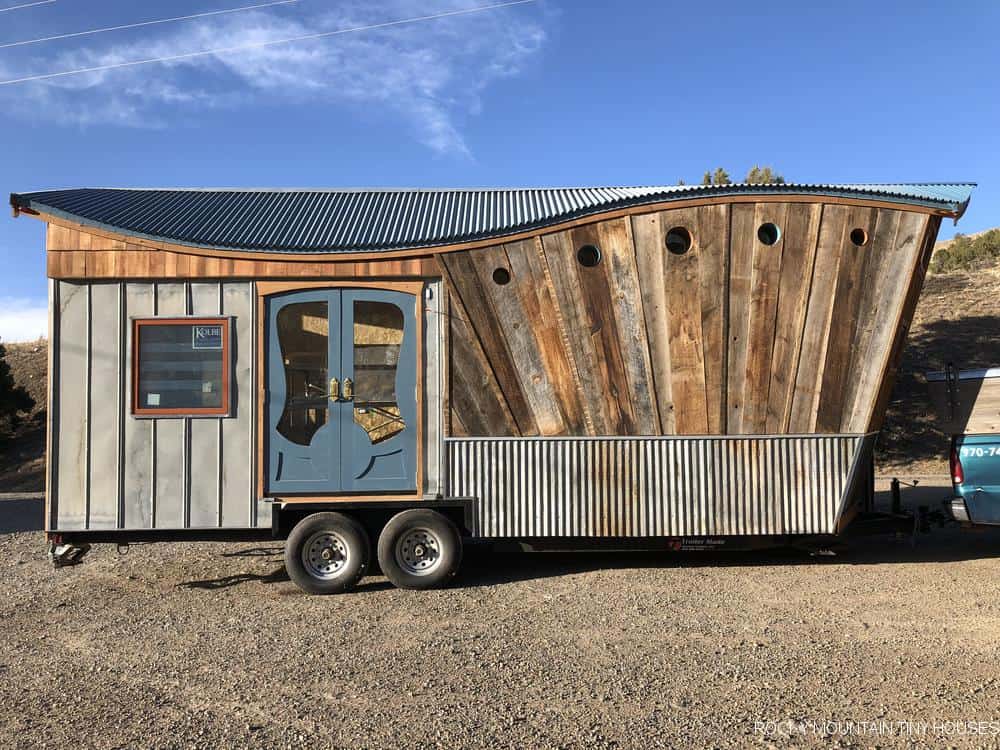
Illustration created with AI
This is the part of the idea I still love most. Tiny homes work best when you don’t have to fit your whole life inside them, and a shared clubhouse gives everyone the big-house amenities without the big-house mortgage. It’s a place for parties, family get-togethers, and other social events. But it doesn’t stop there, because you could also have a:
- pool,
- fitness center,
- pool table,
- ping pong table,
- study/library room,
- movie theater room,
- and a big kitchen.
You could even use the garage for arts and crafts, rent it out, or use it to store equipment to maintain the property and homes. A shared laundry room and guest bedroom are two more amenities that make tiny living much easier, since they’re the things people most often miss after downsizing.
Would It Actually Be Legal? The Zoning Reality Check
This is the big question, and it’s the one I glossed over back in 2012. Before you buy or lease anything, here’s what tends to trip people up:
- Parking isn’t the same as living. Many places that allow an RV in the backyard only allow it to be stored there, or used for short-term camping. Full-time occupancy is a different rule, and it’s often not allowed.
- Renting spaces can make you a “park.” Once you’re charging rent for several homes on one property, many states and counties treat it as an RV park, campground, or manufactured home community. That can mean special zoning, permits, licensing, and inspections.
- Water and septic have to keep up. A septic system sized for one house usually can’t handle three to five more households. Upgrades, permits, and soil tests can be some of the biggest costs.
- Tiny homes on wheels vs. ADUs. Many cities have loosened their rules on accessory dwelling units (ADUs), and some now allow a tiny home on wheels as a backyard dwelling. But most ADU rules allow one or two extra units, not five.
- You’d become a landlord. Collecting rent means landlord-tenant law, leases, and liability insurance that covers the people living on your land.
The best first step is a phone call (or visit) to your county planning and zoning office. Describe exactly what you want to do and ask which rules apply. It’s free, and it can save you from buying a property that will never work.
Ways to Own It Together
In the original post I asked whether you’d buy the property, lease it, or set up an organization to run it. Here are the most common ways small groups handle it today:
- One owner, several tenants. One person or couple buys the property and leases spaces to the others. It’s the simplest setup, but all the risk and responsibility falls on the owner.
- An LLC. The group forms a limited liability company that owns the land, with an operating agreement spelling out who pays what and what happens when someone wants to leave.
- A housing co-op. Residents own shares in a cooperative that owns the property, and each gets the right to occupy a space. Co-ops tend to work well when everyone wants an equal say.
- Tenancy in common. Each person owns a percentage of the property directly. It’s flexible, but it can get messy if someone needs to sell their share.
- Lease with the right to sublease. If buying isn’t possible, you lease the property and get written permission from the owner to sublease spaces. Make sure that permission is in the lease, and that the zoning still allows the use.
Whatever you choose, it’s worth paying a local real estate attorney to look it over. A few hundred dollars up front is cheap compared to a falling-out between friends later.
People Who’ve Actually Done This
When I wrote this post, there were barely any tiny house communities to point to. Now there are dozens, and some are surprisingly close to the small-scale idea above:
- Monarch Springs Ranch: Twelve Homes on Twenty Acres in Celeste, Texas
- Tiny Timbers Agrihood: 16 Tiny Homes Around a Garden in St. Croix Falls, Wisconsin
- The Cottages at Pine Lake: A THOW Community Outside Huntsville
- Honey Creek: Boone’s First Tiny-Home Community Is Taking Lot Reservations
- Pennsylvania Has Tiny Estates. East Coast THOWs Cluster in the Carolinas.
You can browse many more in our tiny house communities section.
A Starter Checklist for Your Own Mini Community
- Call the county planning office and confirm full-time occupancy is allowed for the type of homes you want.
- Find out whether multiple rented spaces would require an RV park or manufactured home community permit.
- Get a septic and well (or water/sewer) assessment before you buy.
- Price out utility hookups for each space: power, water, sewer, and internet.
- Decide on your ownership structure and get it in writing.
- Line up liability insurance that covers residents and shared spaces.
- Write a simple community agreement covering rent, shared costs, pets, guests, noise, and how decisions get made.
- Run the numbers using today’s lot rents, and keep a reserve fund for repairs.
Your Turn: How Would You Do It?
What are your thoughts and ideas on a small tiny house community like this? If you were to go about it, how would you set it up?
Would you purchase the property? Would you lease it with the right to sub-lease?
Would you set up an organization of some kind to run it?
Can you see this working in an area you know near you? If so, please share your thoughts in the comments and pass this article along to anyone who might be interested.
Disclosure: This post may contain affiliate links. If you purchase through one of our links, we may earn a commission at no additional cost to you.


Alex
Latest posts by Alex (see all)
- The San Juan: A Tiny House Builder’s Own Off-Grid Dream Home With an Elevator Bed and Penny Floor - November 9, 2026
- Koleliba: Bulgarian Tiny Houses Designed for Slowing Down - November 9, 2026
- Koleliba Mini Pods: A Turnkey Glamping Cabin for Hospitality Businesses - November 9, 2026




Join the Conversation
180 comments