
Disclosure: This post may contain affiliate links. If you purchase through one of our links, we may earn a commission at no additional cost to you.
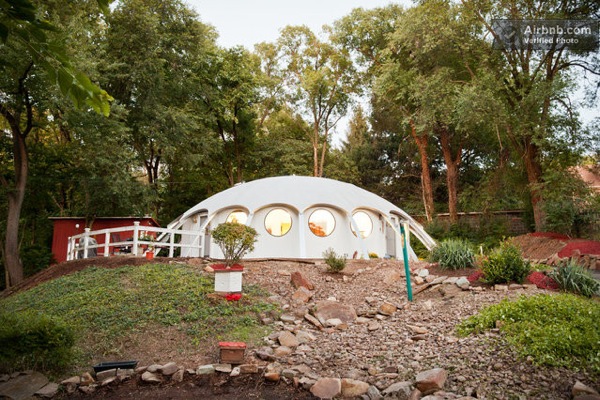
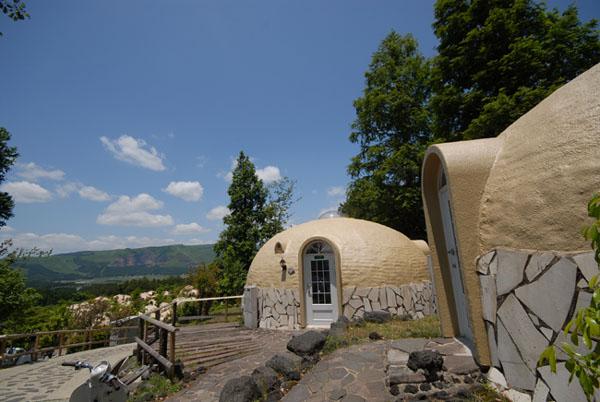
Eco Hab, based in Manchester, UK, designs prefab dome-shaped tiny homes focused on ecological living. Their unique rounded structures incorporate high insulation, renewable energy systems, and sustainable features for comfortable off-grid living.
Eco Hab Dome Home

Single Pod Configuration
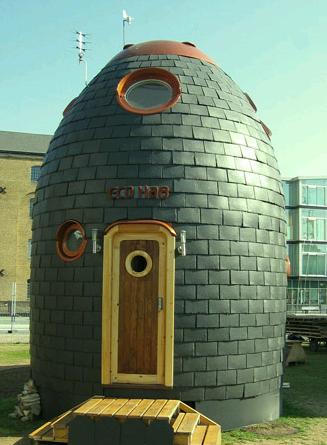
Eco Hab Features
- High Level Insulation: Maintains comfortable temperatures with minimal heating
- Expandable Designs: Connect multiple pods for growing families
- Completely Sealed: No air leaks for maximum energy efficiency
- Underfloor Heating: Radiant heat from wood stove or solar
- Rainwater Harvesting: 4m pod collects 5 liters per millimeter of rainfall
- Composting Toilets: No sewage connection required
- Solar Panels: Supplemental water heating
- Wind Turbines: 1kw turbine powers electrical needs
- Full-Featured Kitchens: Complete cooking facilities
Living in a 4 Meter Eco Pod
According to designer Aidan Quinn: “Having lived in a 4m diameter pod for some time, I must say it offers a very pleasant living and work space which requires the minimum of fuel (logs) to maintain a comfortable temperature during the depths of winter. It also has a light filled, natural and organic feel to the building.”
The prototype pod uses a wood burning stove that heats water in a copper cylinder for underfloor heating, supplemented by solar panels. A 1kw wind turbine connected to four 12-volt batteries provides all electrical requirements except washing machine and dryer.
Design Details
- Manufacturer: Eco Hab (Manchester, UK)
- Shape: Dome / pod
- Sizes: 4 meter and 6 meter diameter options
- Expandability: Multiple pods can connect
- Off-Grid Capable: Yes, fully self-sufficient options
- Best For: Eco-conscious living, off-grid homes, unique architecture
Lessons from Dome Home Design
- Dome Shapes Are Energy Efficient: Rounded forms have less surface area for heat loss than rectangular buildings
- Small Spaces Heat Quickly: Minimal fuel maintains comfort in compact, well-insulated pods
- Modular Expansion Works: Starting small and adding pods allows growth without rebuilding
- Multiple Energy Sources Add Reliability: Combining wind, solar, and wood provides backup options
- Rainwater Collection Scales with Roof Area: Dome roofs efficiently channel water to collection systems
You can share this using the e-mail and social media re-share buttons below. Thanks!
If you enjoyed this you’ll LOVE our Free Daily Tiny House Newsletter with even more!
Also, try our Tiny Houses For Sale Newsletter!
More Like This: Tiny Houses | Prefab | Off-Grid
See The Latest: Go Back Home to See Our Latest Tiny Houses
Disclosure: This post may contain affiliate links. If you purchase through one of our links, we may earn a commission at no additional cost to you.


Alex
Latest posts by Alex (see all)
- This DIY Foam Teardrop Trailer Fits a Bathroom and Has Logged 48,000 Miles - October 24, 2026
- They Turned Their Garage Into a 370 Sq Ft Home and Rent Out the Main House - October 24, 2026
- He Quit His Job at 50 and Built a $50K Cordwood Home Lit by Colorful Bottles in the Missouri Ozarks - October 24, 2026








Eco Hab site useless. Seven bulleted items to click and no visual cues. One item leads to Ask.com. Gee, thanks for the info. To builder/sellers: you are not being well served by listing here.
Is EcoHab still in production?Cannot find any info
This concept is clearly the way forward.
It is my intention to build a tiny eco house asap. It is becoming a huge frustration that I can not source a hydrogen fuel cell heating and power system.
An off grid eco house is the answer to a happy life.
I like the little Eco-Hab Dome home, so where do we find it? Can I see a floor plan? What is the cost? Can you email some information about that cute little home?