
Disclosure: This post may contain affiliate links. If you purchase through one of our links, we may earn a commission at no additional cost to you.
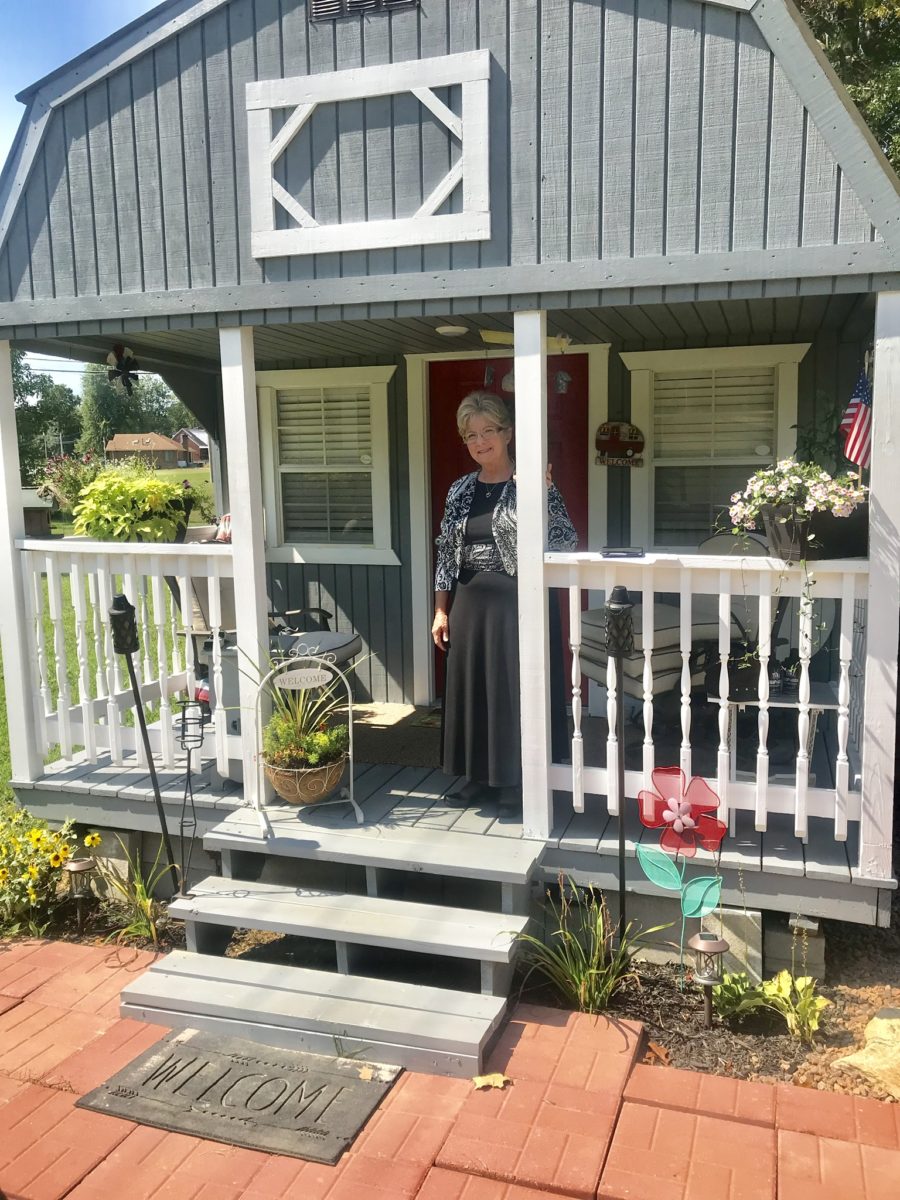
When Linda and her husband wanted a place to stay separate from their kids while visiting family in Kentucky, they faced a common problem: how do you maintain independence without booking expensive hotels for extended stays? Their solution exemplifies the resourcefulness at the heart of the tiny house movement. They purchased a 12×40 shed shell at a good price and spent one rainy summer transforming it into a charming farmhouse-chic cottage — doing nearly all the work themselves.
Today, the cottage sits in their kids’ backyard, providing a private retreat when Linda and her husband visit. But Linda’s vision doesn’t stop there. She’s inherited approximately 13 acres of land and dreams of creating a tiny house community — moving the cottage to the property, listing it on VRBO, and renting spaces for 10-12 tiny homes. This story is about more than just a conversion; it’s about what’s possible when you start small, think creatively, and aren’t afraid of a muddy summer.
Shed-to-home conversions have emerged as one of the most accessible entry points to the tiny house lifestyle. Unlike building from scratch or purchasing a professionally-built tiny house, a pre-built shed shell can cost a fraction of the price while offering a structurally sound starting platform. The real work — and the real savings — come from tackling the interior conversion yourself. Linda’s project is proof that even without prior building experience, a couple can transform a bare shell into a fully functional home.
Images via Linda
Farmhouse-Chic Kitchen with Shiplap Walls
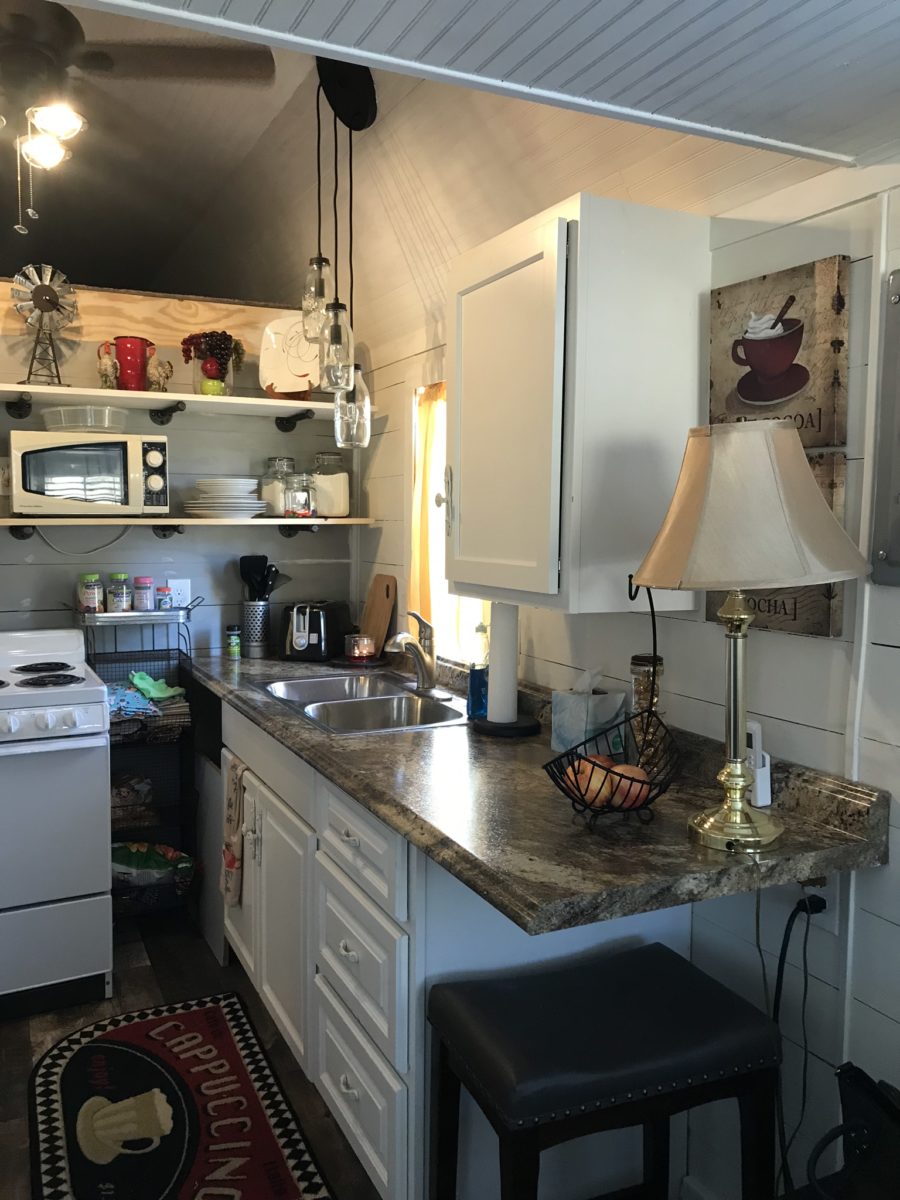
The kitchen is where Linda’s design vision truly shines. Shiplap walls — those horizontal wooden planks that have become synonymous with modern farmhouse style — cover every surface, creating a cohesive look that ties the space together. This wasn’t just an aesthetic choice; shiplap is one of the most forgiving wall treatments for DIY builders. Unlike drywall, which requires taping, mudding, and precise finishing skills, shiplap panels install with basic tools and conceal imperfections behind their linear pattern.
The kitchen layout demonstrates the careful space planning required in a 12×40 shell. Every inch counts, which is why Linda opted for open shelving in some areas rather than upper cabinets. This approach keeps the space feeling airy while maintaining accessibility — no climbing on step stools or digging through deep cabinet corners. The farmhouse sink anchors the design, providing a practical work area that doubles as a visual focal point. For anyone considering a shed conversion, Linda’s kitchen offers a masterclass in balancing function with charm on a modest budget.
Images via Linda
A Dedicated Coffee Bar
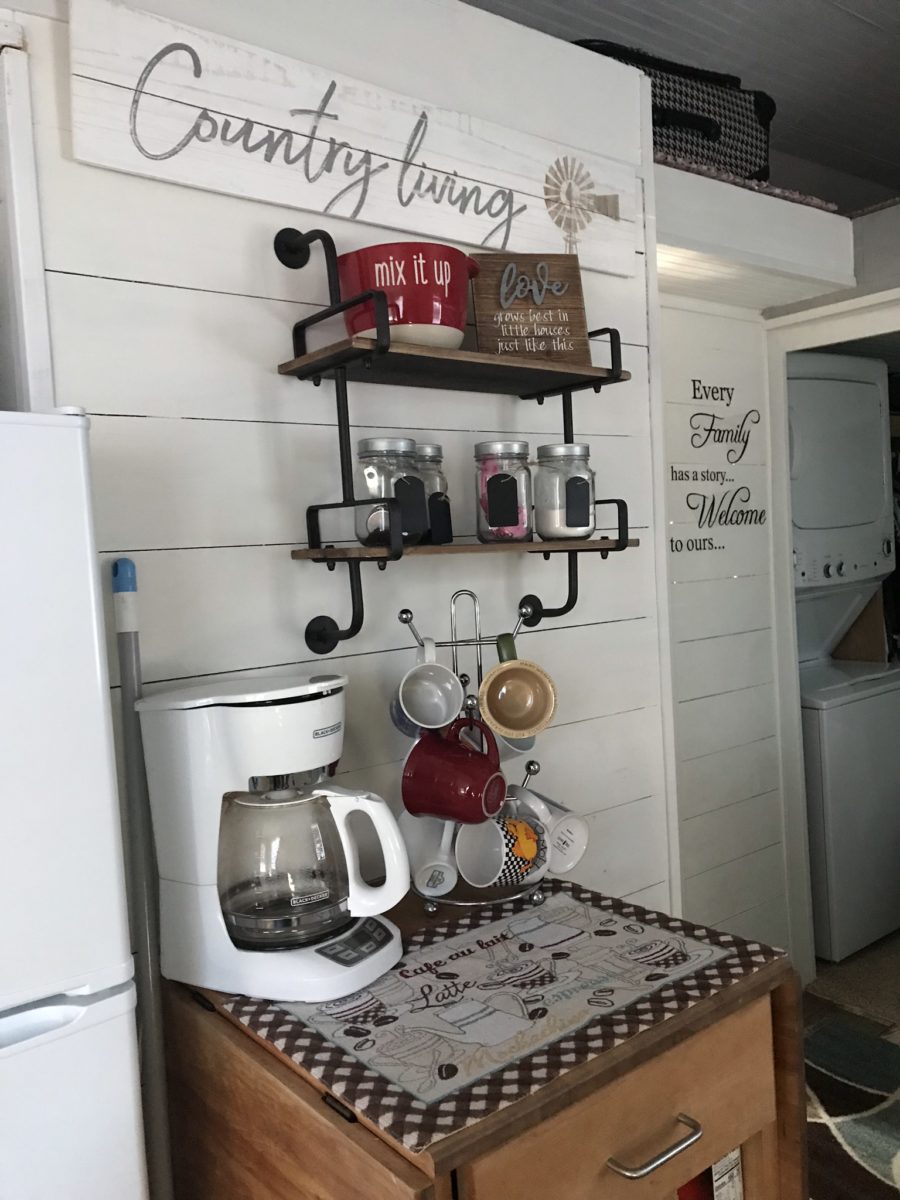
One of the smartest space-saving features in Linda’s cottage is the dedicated coffee bar. In a compact home, the morning coffee routine can create clutter quickly — coffee maker, grinder, mugs, filters, sugar, creamer, and more all compete for precious counter space. By carving out a specific coffee station, Linda keeps the main kitchen counter free for meal prep while ensuring the essentials are always organized and within reach.
This approach highlights a principle that applies across all small-space design: create stations with specific purposes rather than treating your home as one undifferentiated multi-use space. When everything has a designated spot, small spaces feel more organized and functional. The coffee bar is compact but complete, demonstrating that luxury in a tiny house isn’t about square footage — it’s about thoughtful design that makes daily rituals enjoyable.
Images via Linda
The Loft Bedroom
Lofts are a hallmark of tiny house design, and for good reason: they utilize vertical space that would otherwise be wasted. In Linda’s 12×40 shed, the loft serves as a sleeping area accessed by ladder. The ceiling height under a standard shed roof allows for a loft that’s comfortable for sleeping while maintaining headroom in the main floor areas below.
What makes this loft particularly clever is its dual functionality. When Linda and her husband are visiting, it’s their sleeping quarters. When the grandkids visit, the loft becomes a play space — a cozy hideaway where kids can retreat and feel like they have their own special area. This multi-generational design thinking is what separates a thoughtful tiny house from a cramped one. The loft isn’t just a bed platform; it’s flexible space that adapts to whoever is using the cottage at any given time.

Images via Linda
Cozy Living Space with Character
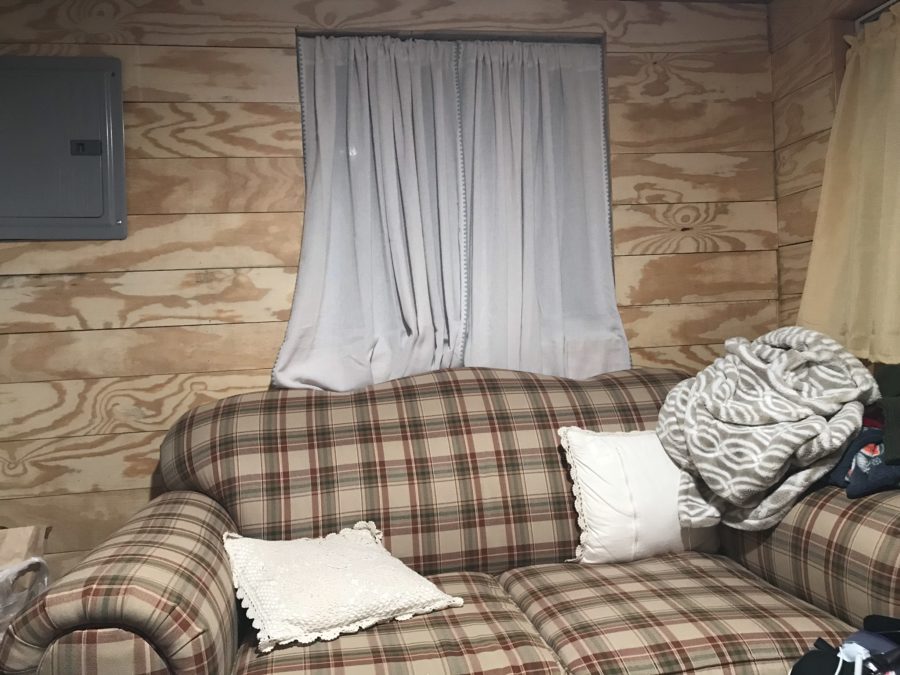
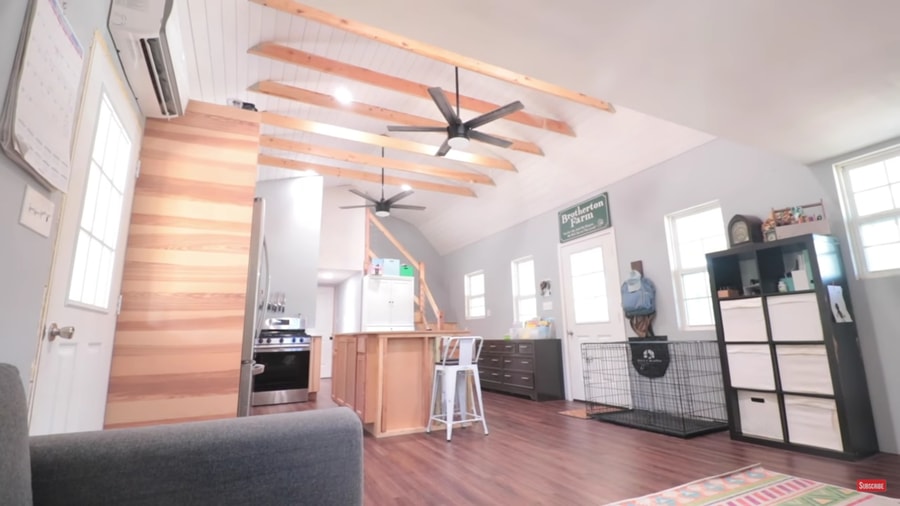
The living room showcases how Linda used the farmhouse aesthetic to create a space that feels warm and inviting despite the shed’s simple rectangular footprint. The shiplap walls continue throughout, creating visual continuity between the kitchen and living areas. Natural wood tones and neutral colors keep the space calm and uncluttered, while thoughtfully placed decor adds personality without overwhelming the limited square footage.
One of the challenges in shed conversions is making the space feel like a home rather than an outbuilding. Linda accomplished this through finishes and furnishings — soft textiles, layered lighting, and furniture scaled appropriately for the room. The living room proves that coziness isn’t about size; it’s about creating a space where you want to spend time. When designing your own shed conversion, remember that the finishes you choose will have a much bigger impact on the livability of the space than the dimensions of the shell itself.

Images via Linda
Charming Exterior and Christmas Curb Appeal
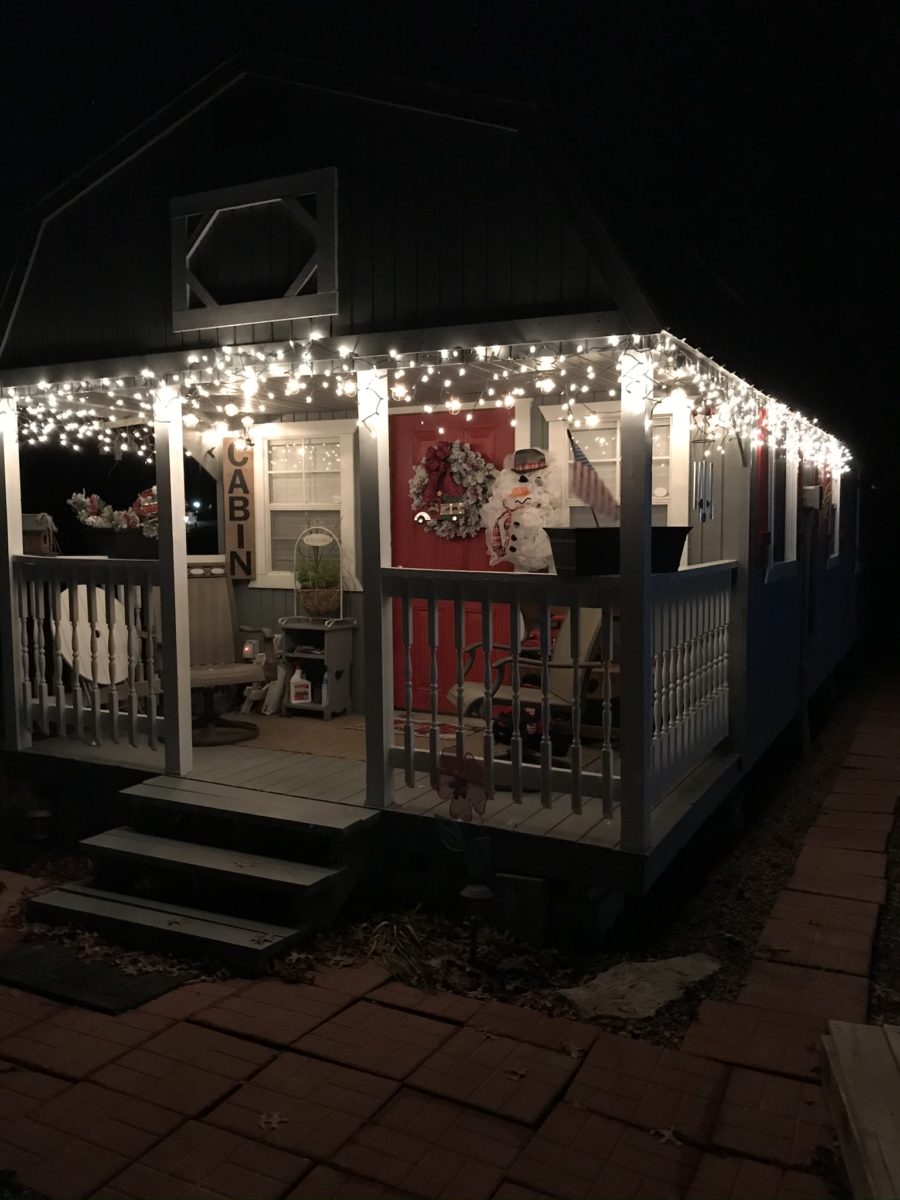
From the outside, you’d never guess this started as a bare shed shell. The exterior transformation is just as impressive as the interior, proving that shed conversions don’t have to look utilitarian. Linda’s cottage has genuine curb appeal — the kind that makes you want to walk up to the front door and see what’s inside.
The Christmas decorations add a festive touch that highlights how completely this shed has been transformed into a home. Strings of lights, seasonal greenery, and thoughtful placement of decor show that Linda has fully embraced the cottage as a year-round living space, not just a temporary shelter. This is important for anyone considering a shed conversion: your project can feel and look just as finished and intentional as any traditionally built home. The difference is the starting point, not the destination.

Images via Linda
Images via Linda
The Transformation: From Bare Shell to Home
Seeing the before photos makes the transformation all the more impressive. The shed started as a simple structure with basic siding in its original colors — functional, but far from inviting. Linda and her husband took this blank slate and reimagined it completely. The original shell was just a starting platform; everything that makes this space a home came from their vision and effort.
The journey wasn’t easy. Linda describes a summer where it felt like they should be building an ark instead of a tiny house — approximately 40 days of rain turned the worksite into a muddy challenge. Yet they persevered, living in the shed while converting it (a decision Linda admits she’d never repeat). This kind of hands-on, immersive building experience teaches lessons that no book or YouTube tutorial can replicate. You learn what works, what doesn’t, and how to problem-solve when conditions aren’t ideal.

Images via Linda

Images via Linda

Images via Linda
Mid-Conversion Progress: Building Systems and Finishes
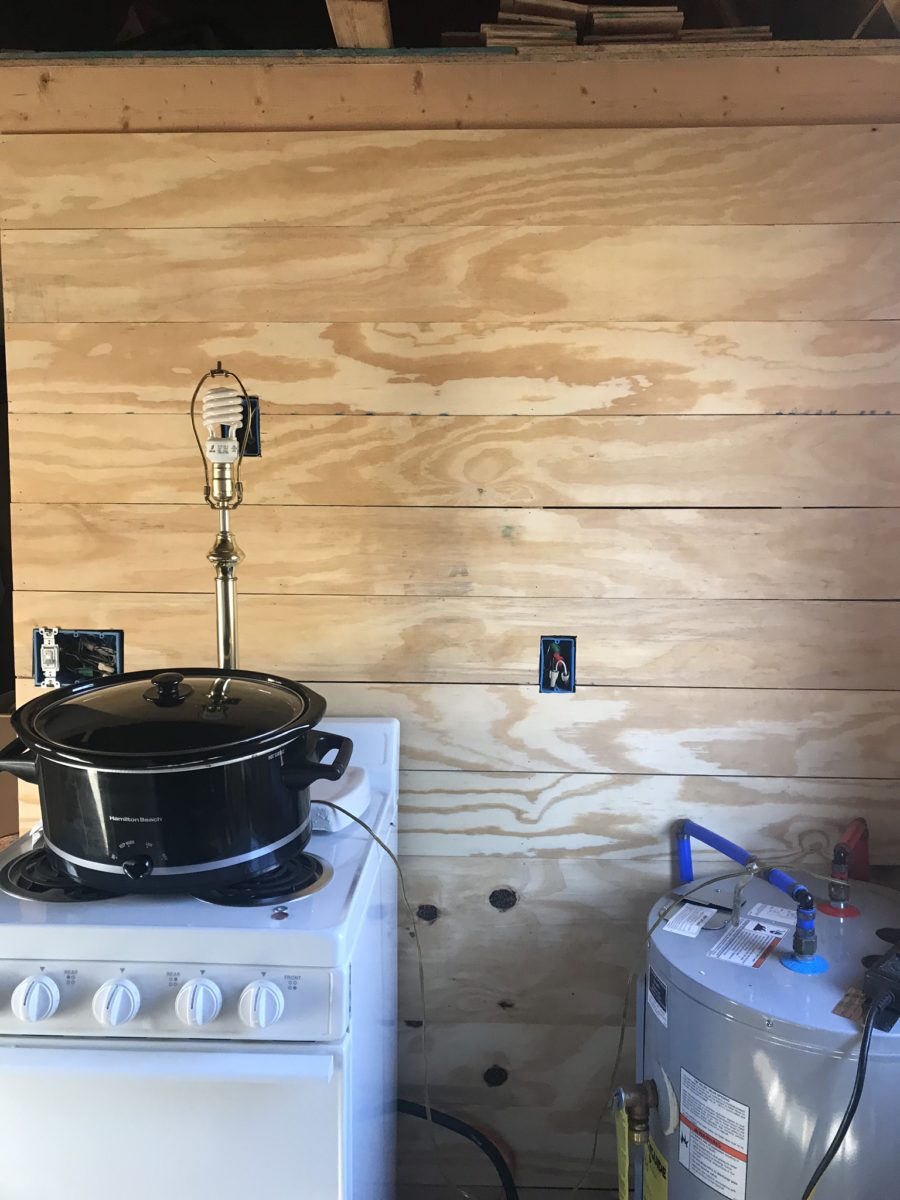
The mid-conversion photos reveal the methodical approach Linda and her husband took to the project. They started with the essential systems — electrical wiring and plumbing — hiring licensed professionals for these critical components. This is a smart move for DIY builders: while you can learn many construction skills on the job, electrical and plumbing work often requires permits and expertise that justify the investment in professional help.
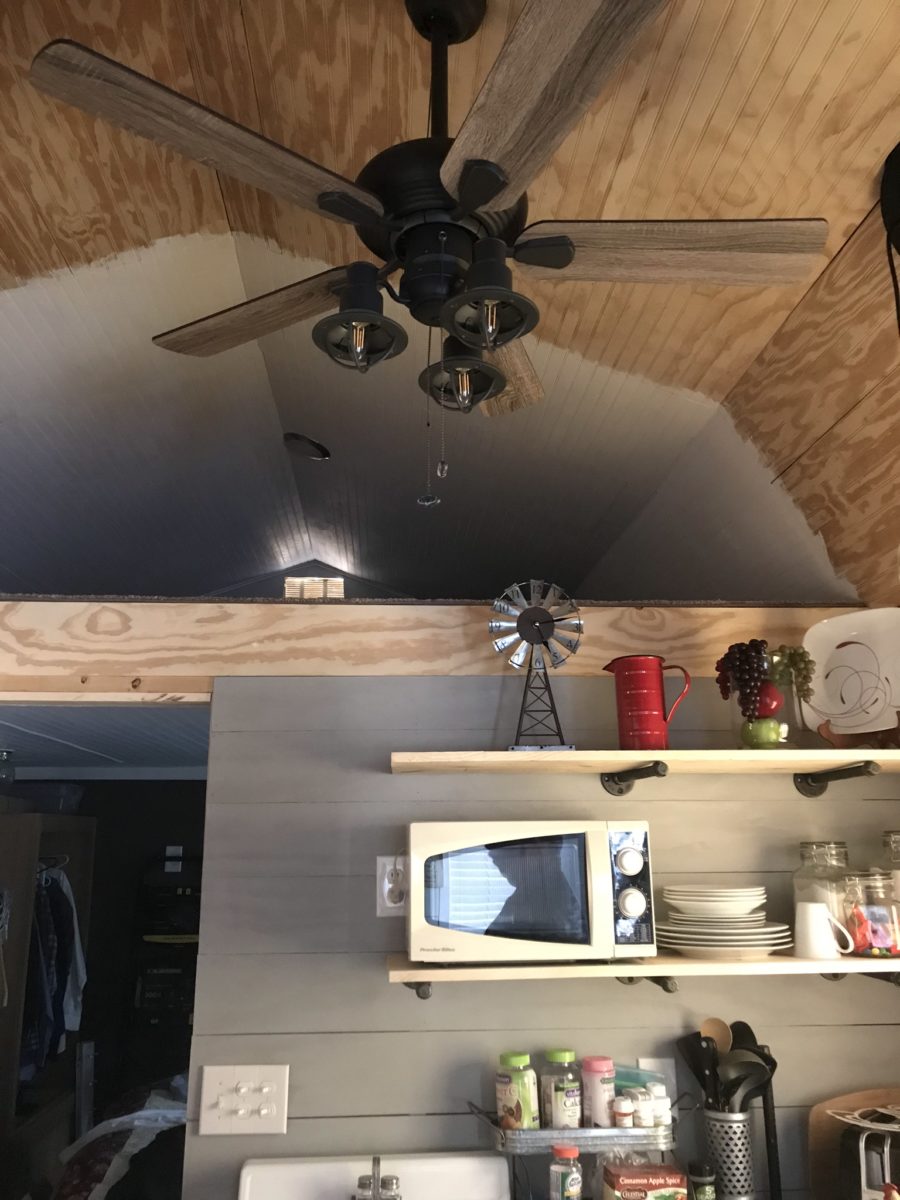
Once the infrastructure was in place, they tackled the finishes themselves: insulation, walls, ceilings, and the signature shiplap installation. The living room and kitchen photos show the space in various stages of completion — bare framing visible in some areas, partially finished walls in others. This phased approach allowed them to work steadily without becoming overwhelmed. Rather than trying to complete everything at once, they focused on one area at a time, learning as they went.
The painted ceilings were particularly time-consuming, as Linda mentions. Ceilings are often overlooked in design discussions, but in a space with limited square footage, every surface contributes to the overall feel. A freshly painted ceiling makes the space feel clean and finished rather than unfinished or temporary. It’s these details — the ones that don’t show up in flashy Instagram posts but make all the difference in daily living — that separate a successful DIY conversion from an incomplete one.
Images via Linda
Images via Linda
Images via Linda
A Loft the Grandkids Love
The photo of the grandkids enjoying the loft perfectly captures what makes this conversion special: it’s a functional space, yes, but it’s also a space where memories are made. The loft isn’t just square footage; it’s a hideaway where kids can play and feel adventurous, where visiting grandparents can sleep comfortably, where a simple rectangular shed has been transformed into something that feels genuinely homey.
Multi-generational design is becoming increasingly important in the tiny house movement. As more families embrace alternative housing solutions, the ability for a small space to accommodate different ages and needs becomes crucial. Linda’s loft demonstrates that you don’t need a massive house to create spaces that work for grandparents, parents, and children alike. You just need thoughtful planning and a willingness to let spaces serve multiple purposes.

Images via Linda
The Bedroom Before and After
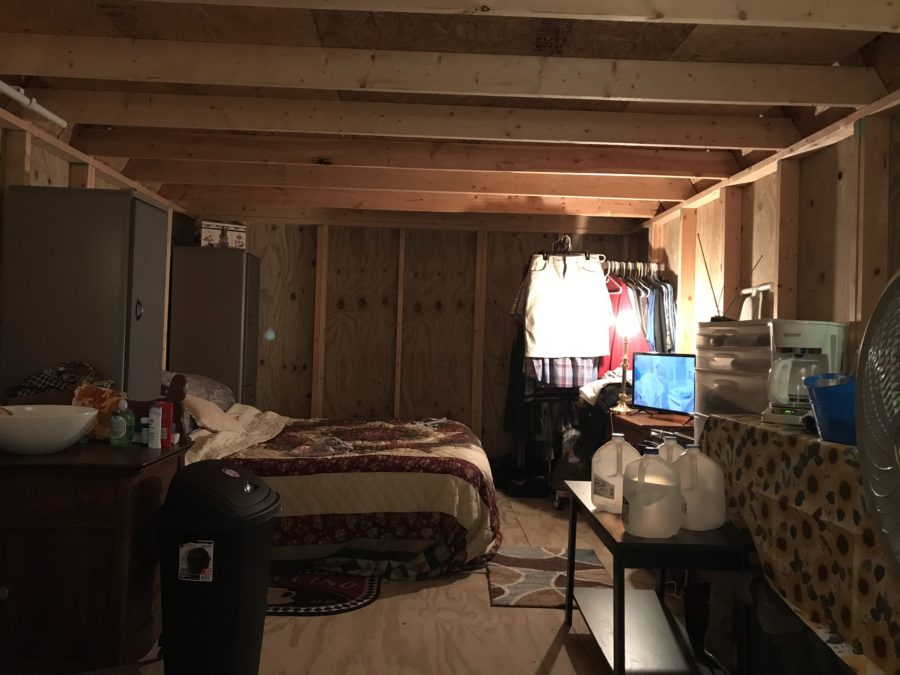
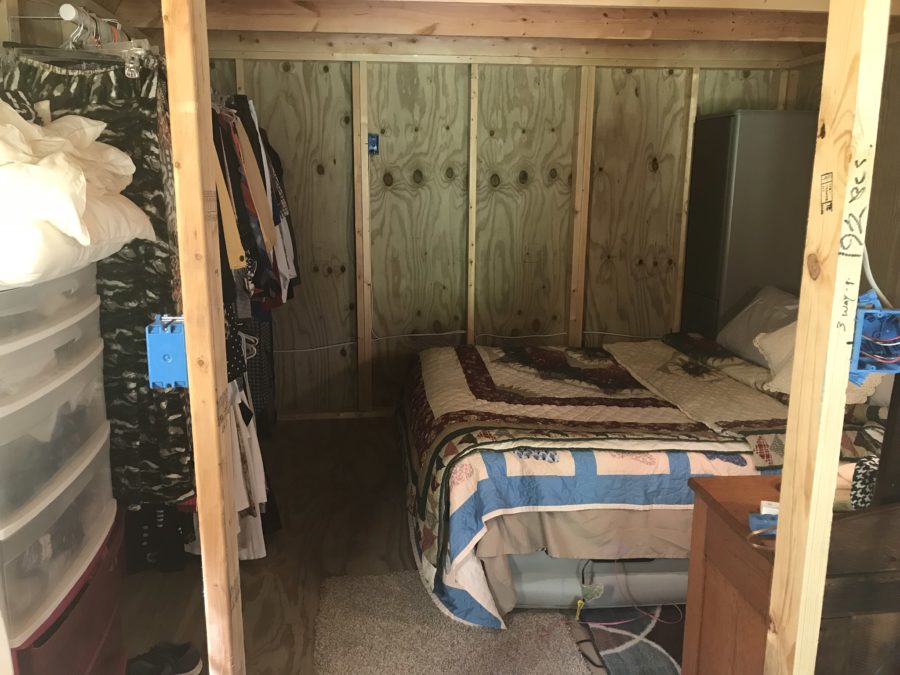
The bedroom transformation showcases the dramatic difference that finishes make in a DIY conversion. The before photos show a space that’s functional but basic — bare walls, utilitarian fixtures, and a sense of impermanence. The after photos reveal a bedroom that’s warm, inviting, and finished to a level that would be at home in any traditionally built house.
Linda and her husband framed in the bedroom themselves, creating defined spaces within the larger shell. This is an essential step in shed conversions: without interior walls, the space feels like one long open box. By framing in private areas like the bedroom and bathroom, they created the sense of rooms rather than just areas. The shiplap walls continue into the bedroom, maintaining visual consistency while adding texture and warmth. The finished bedroom demonstrates that with patience and attention to detail, a DIY builder can achieve professional-looking results.
Images via Linda
Images via Linda

Images via Linda

Images via Linda

Images via Linda
Building Through the Rain
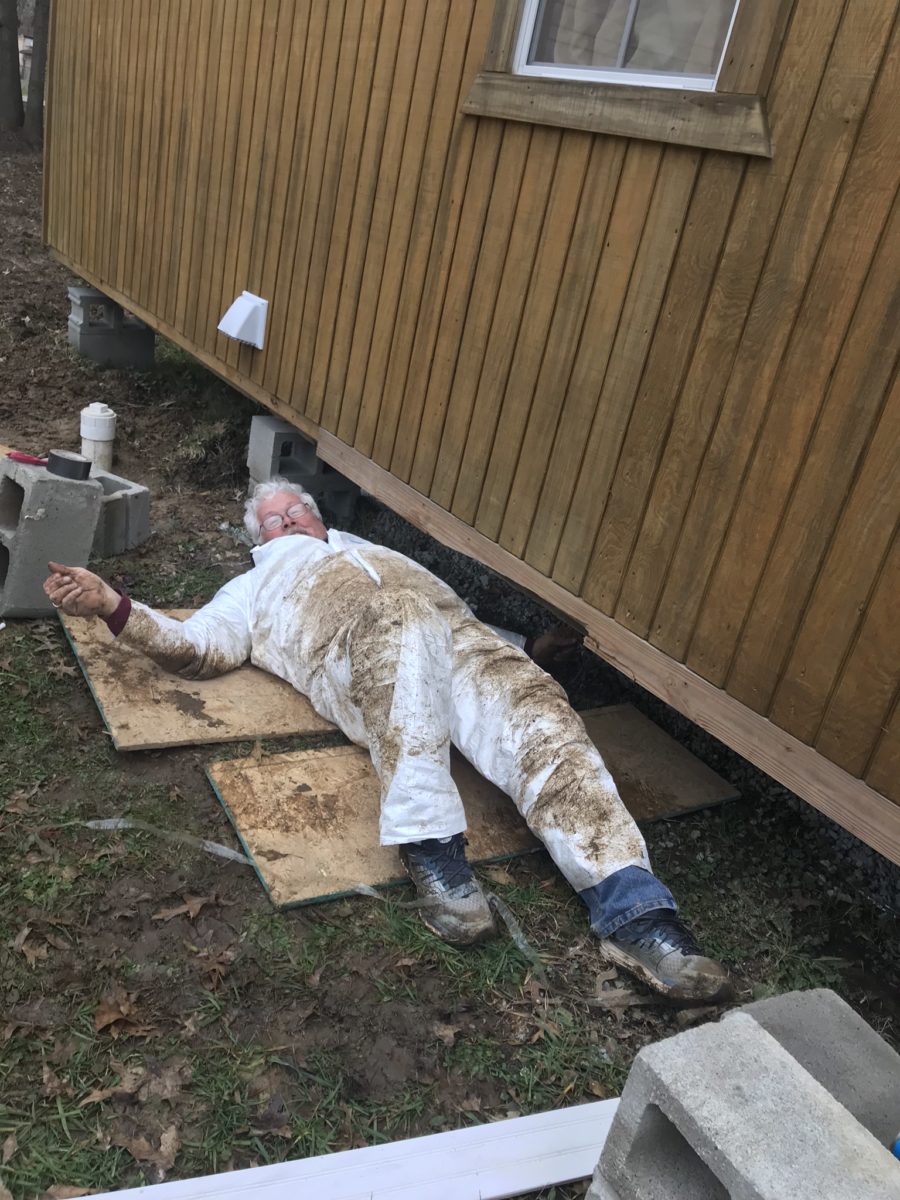
The muddy summer conditions weren’t just an inconvenience — they were a defining aspect of this project. Building in less-than-ideal weather forces you to adapt, to work when you can, and to accept that not every day will see dramatic progress. For DIY builders, this is an important lesson: perfection is the enemy of done. If you wait for ideal conditions, you may never start. Sometimes you have to work in the rain, literally and figuratively.
The photo of the muddy grounds surrounding the shed tells a story of perseverance. This wasn’t a glamorous project with pristine conditions and professional crews. This was real work, done by real people, in real weather. The fact that Linda and her husband pushed through these conditions and completed a beautiful, functional home speaks to the power of commitment and vision over ideal circumstances.
Images via Linda
In Linda’s Own Words
Our journey started, in 2018, we needed a place to live while we were in Kentucky visiting our kids for the summer. I don’t believe anyone house is big enough for two families. So I’ve always liked the idea of tiny houses, so we got a good deal on a 12 x 40 shed. So we bought it had it moved to my kids backyard it was only the shell. So let the work begin. It was a very rainy summer I think it rained 40 days, I thought we should be building an ark instead of a tiny house. So we started with the electrical the plumbing the insulation and then adding the walls the ceilings my husband and I did the majority of this work ourselves we hired a plumber and electrician of course. We shiplap all the walls and framed in the bathroom and our bedroom.
We actually lived in it while we were building it. That was really hard. I would never live in it and build another one. So we are still living in it when we are in Kentucky we are wanting to have it moved to my dad’s property that we inherited.
We would like to put it on VRBO and open the property up to more people that needs a place to put their tiny homes. Would love to know how to put our invitation to rent spaces from us for tiny homes. I love the idea of a tiny home community. We have around 13 acres not all of it is usable but we probably have room for 10 to 12 tiny homes.
Design Details
- Size: 12×40 feet (approximately 480 square feet)
- Structure: Pre-built shed shell, delivered to site
- Location: Backyard in Kentucky (near family)
- Build timeline: One summer (started 2018, during exceptionally rainy season with ~40 days of rain)
- DIY scope: Owners did all work except plumbing and electrical
- Interior walls: Shiplap throughout all rooms
- Style: Farmhouse-chic cottage aesthetic
- Rooms: Kitchen, living area, bathroom, main floor bedroom, loft bedroom
- Features: Dedicated coffee bar, painted ceilings, loft accessible by ladder
- Systems: Full electrical and plumbing installed by licensed professionals
- Framing: Bathroom and bedroom framed in by owners
- Build challenge: Lived in the shed while converting it (Linda says she would not do this again)
- Estimated cost: Affordable (purchased shed shell at a “good deal”; exact cost not disclosed)
What Makes This Conversion Special
- Budget-friendly proof of concept: Shed shells represent one of the most affordable entry points into tiny house living. Linda’s conversion demonstrates that even on a modest budget, you can create a charming, fully functional home without professional builders.
- Multi-generational design: The loft doubles as sleeping space for the couple and play space for grandkids. The cottage serves as independent housing when visiting family, solving the common problem of overcrowding when multiple generations gather. This flexible approach to space planning is key to successful small-space living.
- DIY approach with smart professional help: Linda and her husband tackled the majority of the work themselves while hiring licensed professionals for electrical and plumbing. This hybrid approach is the sweet spot for many DIY builders: you save money on labor where you can while ensuring critical systems are done correctly and to code.
- Building through adversity: Living in the shed while converting it through 40 days of rain demonstrates real-world commitment. Linda’s honest admission that she wouldn’t do it that way again is valuable guidance for future builders. Learning what doesn’t work is just as important as learning what does.
- Shiplap as a DIY-friendly finish: The consistent use of shiplap throughout the cottage showcases how a single material choice can create visual cohesion while being forgiving to install. For DIY builders without drywall expertise, shiplap offers a professional-looking alternative that’s more accessible.
- Vision beyond the current build: Linda’s plans to move the cottage to inherited land, list it on VRBO, and create a tiny house community demonstrate forward-thinking that could inspire others. This isn’t just about building one home; it’s about creating a sustainable model for alternative living.
- Farmhouse aesthetic in an unexpected context: The cottage proves that aesthetic doesn’t depend on the starting structure. You can achieve farmhouse charm, modern minimalism, or any style you want in a converted shed — the shell is just a blank slate waiting for your vision.
Linda’s Tiny House Community Vision
Linda’s story doesn’t end with the completed cottage. She’s inherited approximately 13 acres of land — not all of it usable, but enough space for 10 to 12 tiny homes. Her plan is to move the cottage to this property, list it on VRBO for short-term rental income, and rent spaces to others who want to establish their own tiny homes on the land.
This vision aligns with a growing movement toward tiny house communities, particularly in rural areas where land is more affordable and zoning restrictions may be less prohibitive. Communities like this solve one of the biggest challenges tiny house owners face: where to legally and affordably place your home. By offering rental spaces on her property, Linda could provide a landing spot for others who’ve built tiny homes but struggle to find suitable land.
The community model also creates natural support networks. Shared infrastructure costs (water, septic, power) can be distributed across multiple homes. Residents can look out for each other, share resources, and build relationships that combat the isolation some tiny house dwellers experience when living alone on remote properties. For anyone considering a similar venture, Linda’s inherited land and completed cottage give her a head start, but the concept could work on any suitable parcel.
If you’re interested in creating or joining a tiny house community, Linda’s story offers a realistic starting point. You don’t need massive capital or professional development experience. You need land, a vision, and a willingness to navigate the zoning, permitting, and community-building challenges that come with the territory. Linda’s cottage — built through rain and mud, on a modest budget, with her own hands — proves that ordinary people can make extraordinary things happen.
Related Stories
- Tool Shed in Croatia Turned into Modern Tiny House with a View: MORE PICTURES!
- Natalie’s $400 Pallet Shed Using Reclaimed Materials
- How They Turned Their Shed Into A Tiny Farmhouse Cottage
What’s more impressive: the farmhouse-chic finishes or the fact that they built it while living in it through 40 days of rain? Would you tackle a shed conversion yourself, or hire it out? Share your thoughts in the comments below.
More Like This: Tiny Houses | DIY | Tiny House Communities | Shed Tiny Houses
Disclosure: This post may contain affiliate links. If you purchase through one of our links, we may earn a commission at no additional cost to you.


Alex
Latest posts by Alex (see all)
- Designing a Tiny or Small Home for Two (or More) - November 19, 2026
- Win a Free Spot in a Wild Abundance Basic Carpentry Class Near Asheville (Enter by Nov. 30) - November 18, 2026
- Every Tiny Home for Sale at Canoe Bay Village: A Guide to Wisconsin’s Lakefront Escape Community - November 18, 2026









Join the Conversation
65 comments