Disclosure: This post may contain affiliate links. If you purchase through one of our links, we may earn a commission at no additional cost to you.
Plenty of people dream about ditching rent, hitting the road, and living out of a camper van — and then talk themselves out of it with three words: “I can’t build.” A creator who goes by VanLifeNate is living proof that you don’t need a background in carpentry, electrical work, or plumbing to pull it off.
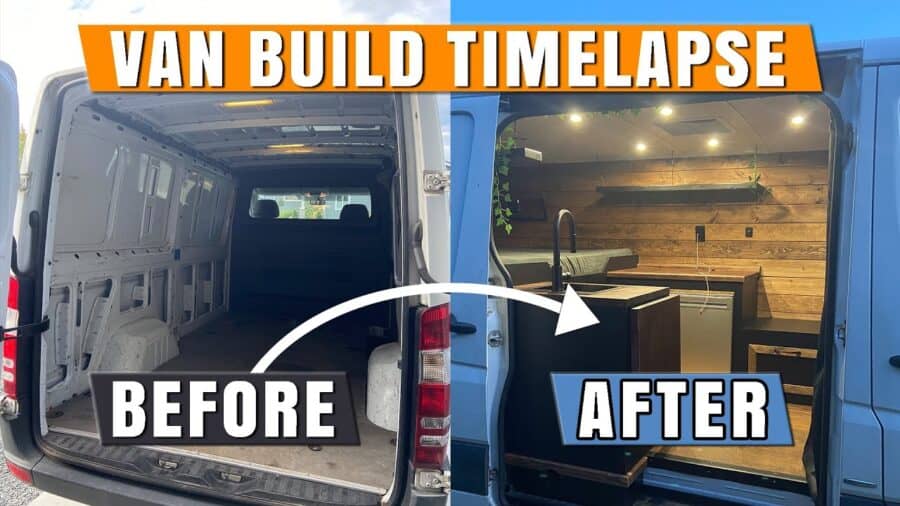
Starting with zero prior experience, Nate took an ordinary low-roof Mercedes-Benz Sprinter cargo van and transformed it into a warm, full-time home on wheels. Even better, he documented the entire journey as a start-to-finish timelapse, so you can watch a bare metal box turn into a cozy, wood-lined camper in just a few minutes.
The result is a stealthy little rig that looks like a plain work van from the curb but hides a surprisingly polished living space inside.
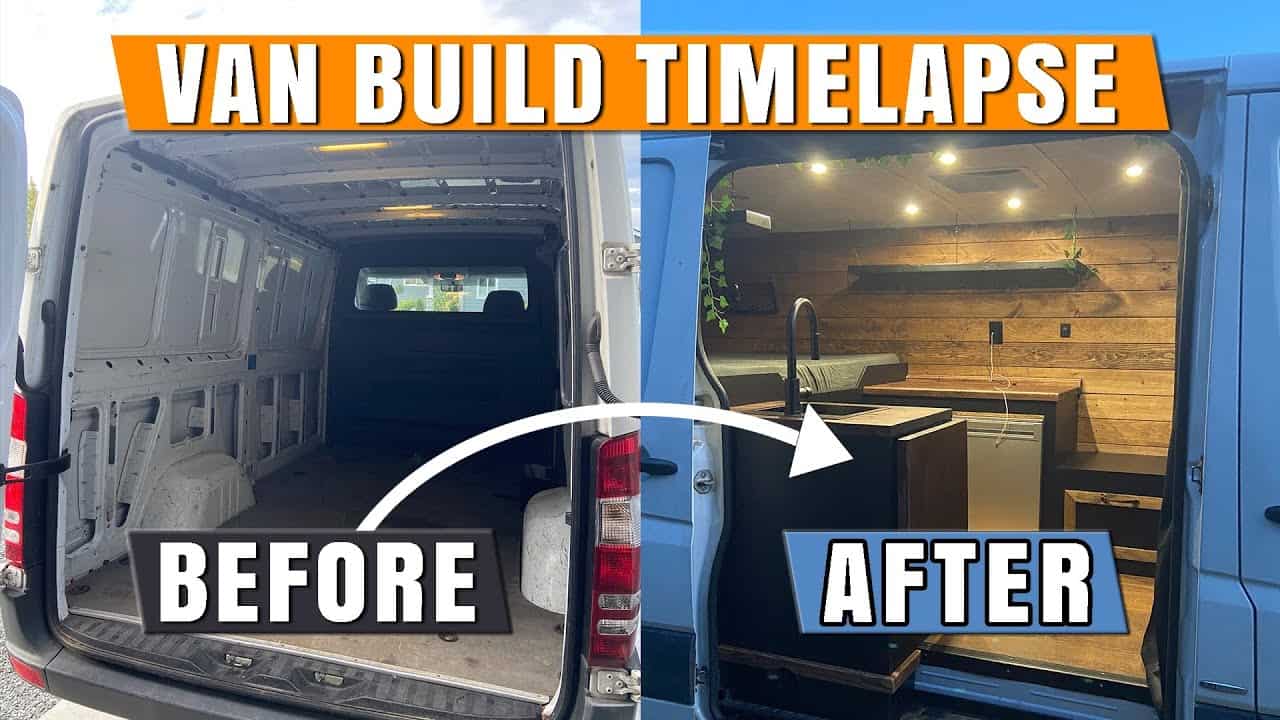
Image via VanLifeNate/YouTube
A Stealth Van That Hides in Plain Sight
The genius of this build starts before you ever open the doors. From the outside, the Sprinter looks completely unremarkable — no added windows, no flashy graphics, nothing that screams “someone is living in here.” The only giveaways that it’s a camper are a single solar panel and a vent fan mounted up on the roof, both easy to miss.
That stealthy look isn’t just about aesthetics. A van that blends in like a standard cargo vehicle gives you far more freedom to park overnight in cities and neighborhoods without drawing attention, and it offers a layer of security and privacy that a clearly marked camper never will.
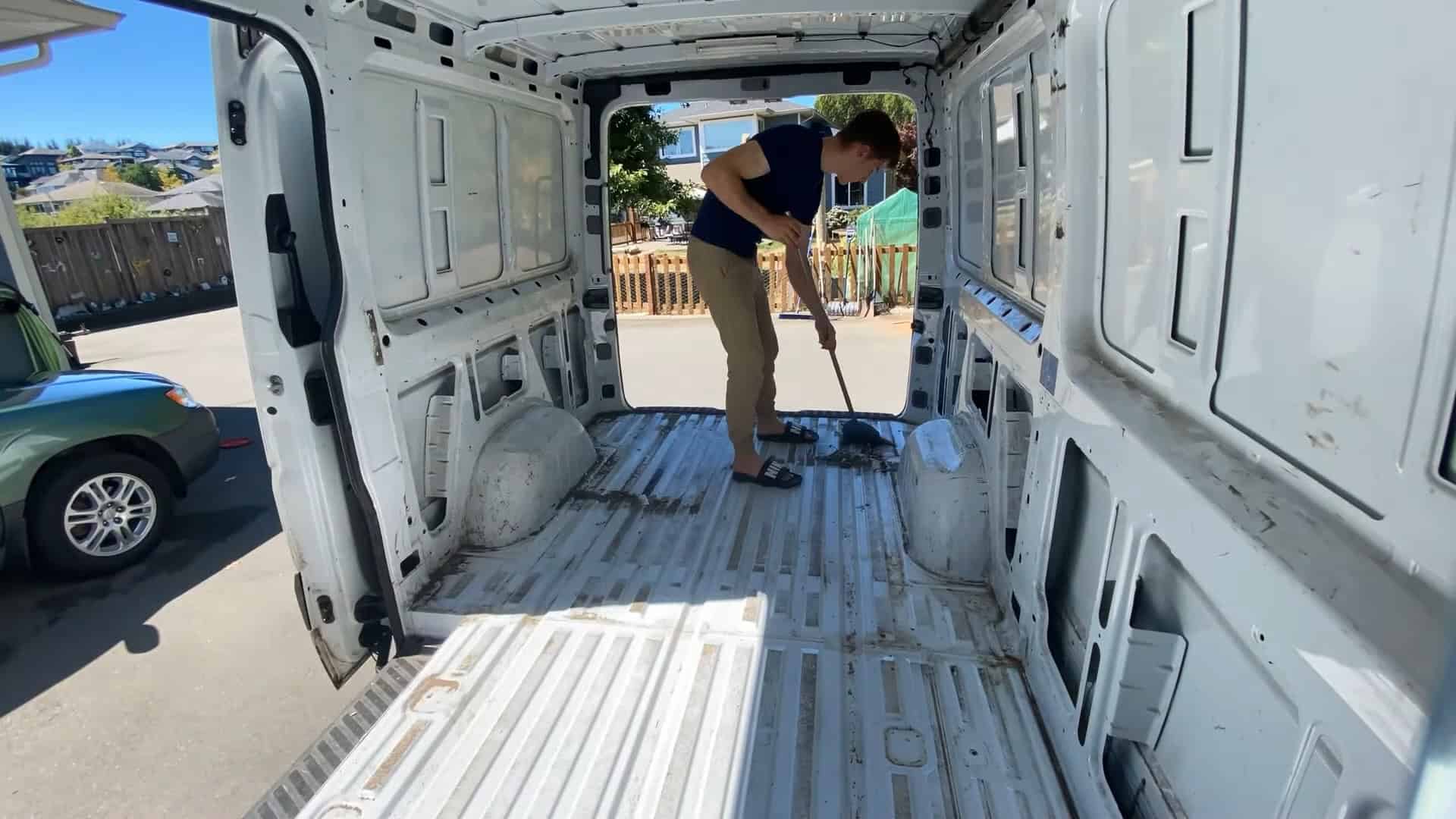
Image via VanLifeNate/YouTube
A Rustic Interior With Real Warmth
Swing open the back doors and the plain-van illusion disappears. The interior is all warmth and texture: wood-plank shiplap walls run the length of the van, paired with black cabinetry accented by natural wood, and a clean white ceiling fitted with recessed lighting that keeps the space bright.
Nate kept the floor plan open, with no wall dividing the cab from the living area. In a low-roof van, where every inch of headroom and sightline matters, that open layout is a smart move — it makes the whole space feel larger and lets light flow from front to back. The galley includes a sink with a matte-black faucet, counter space, and a compact fridge, with a cushioned bed tucked into the rear.
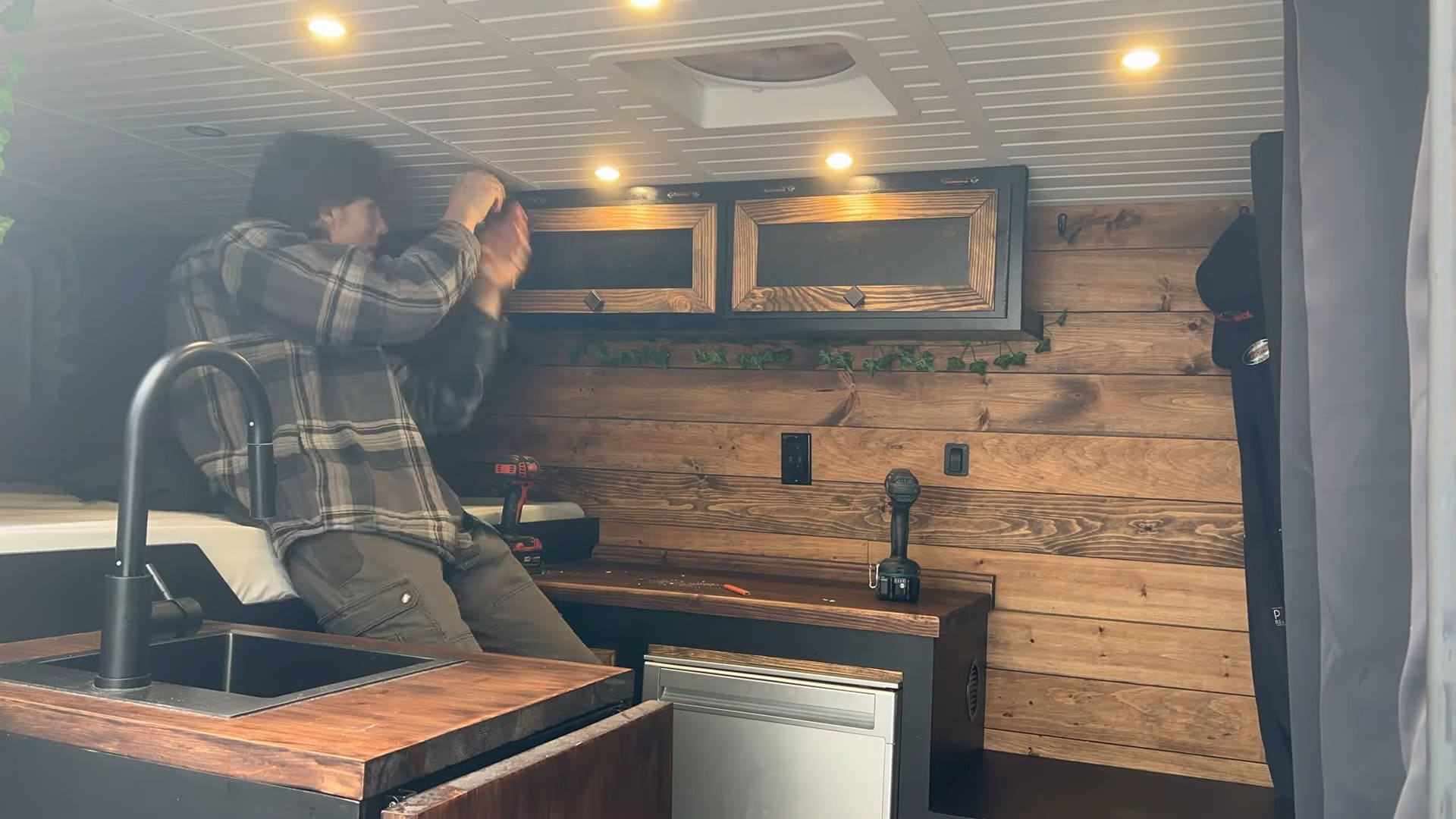
Image via VanLifeNate/YouTube
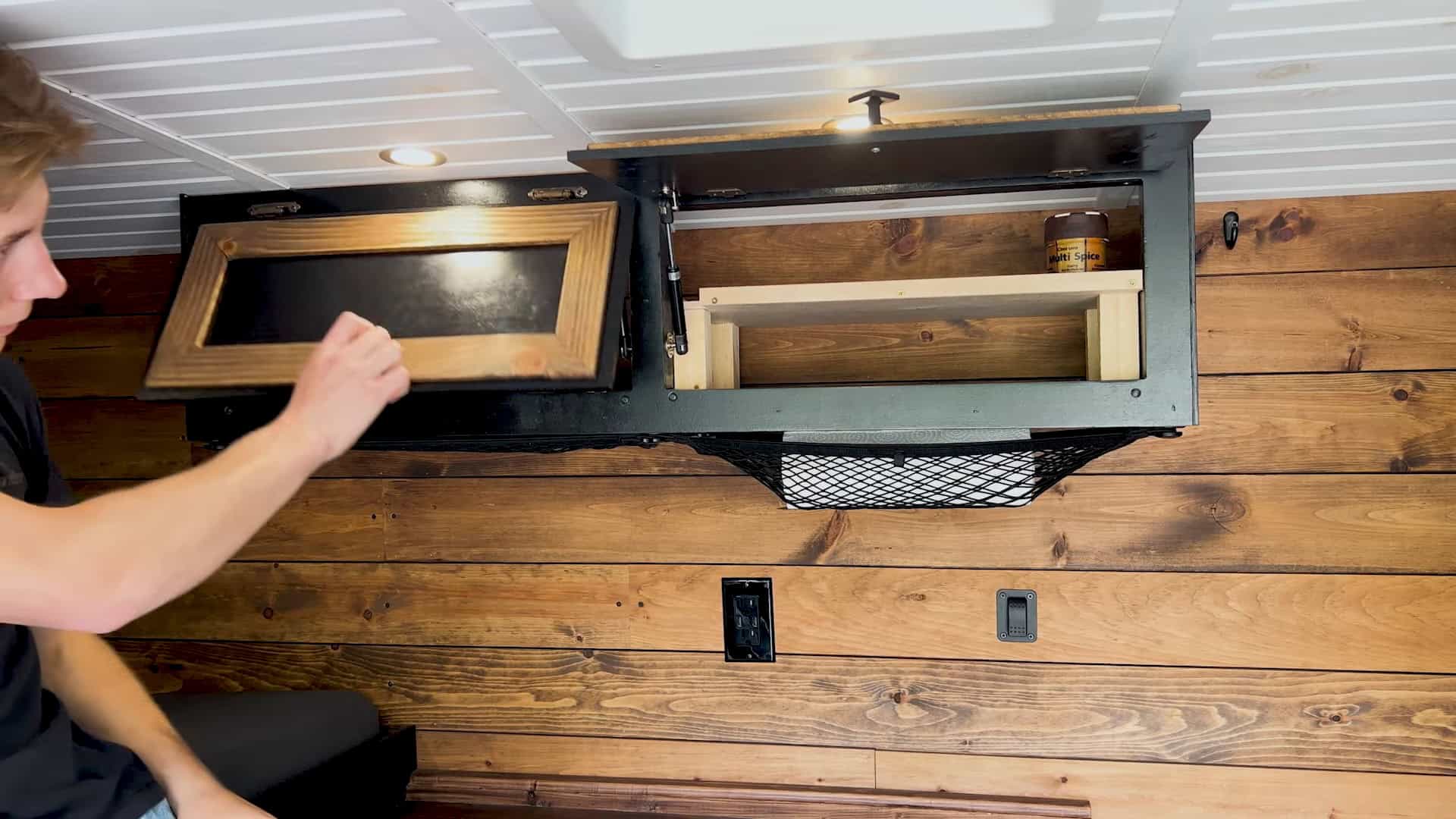
Image via VanLifeNate/YouTube
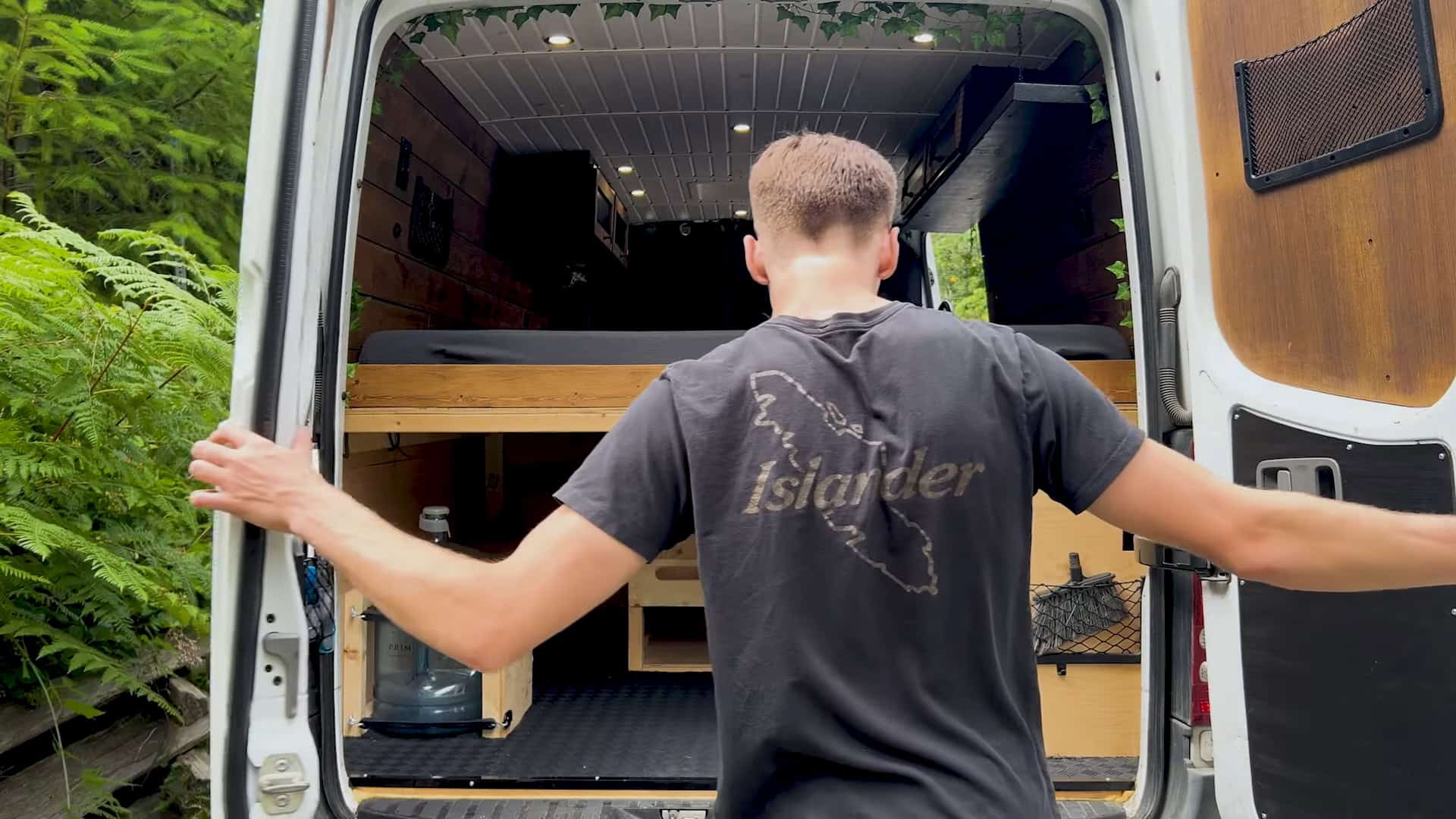
Image via VanLifeNate/YouTube
Learning the Whole Thing as He Went
What makes this conversion genuinely inspiring isn’t any single feature — it’s that one person figured it all out from scratch. Nate had never done a build like this before. He leaned on patience, research, and inspiration from other vanlifers, then worked through each stage one problem at a time.
If you’ve been holding back on your own build because you’ve never framed a wall or wired a circuit, this is the reminder you needed: the skills are learnable, and the timelapse format makes the process look a lot less intimidating once you see it all laid out.
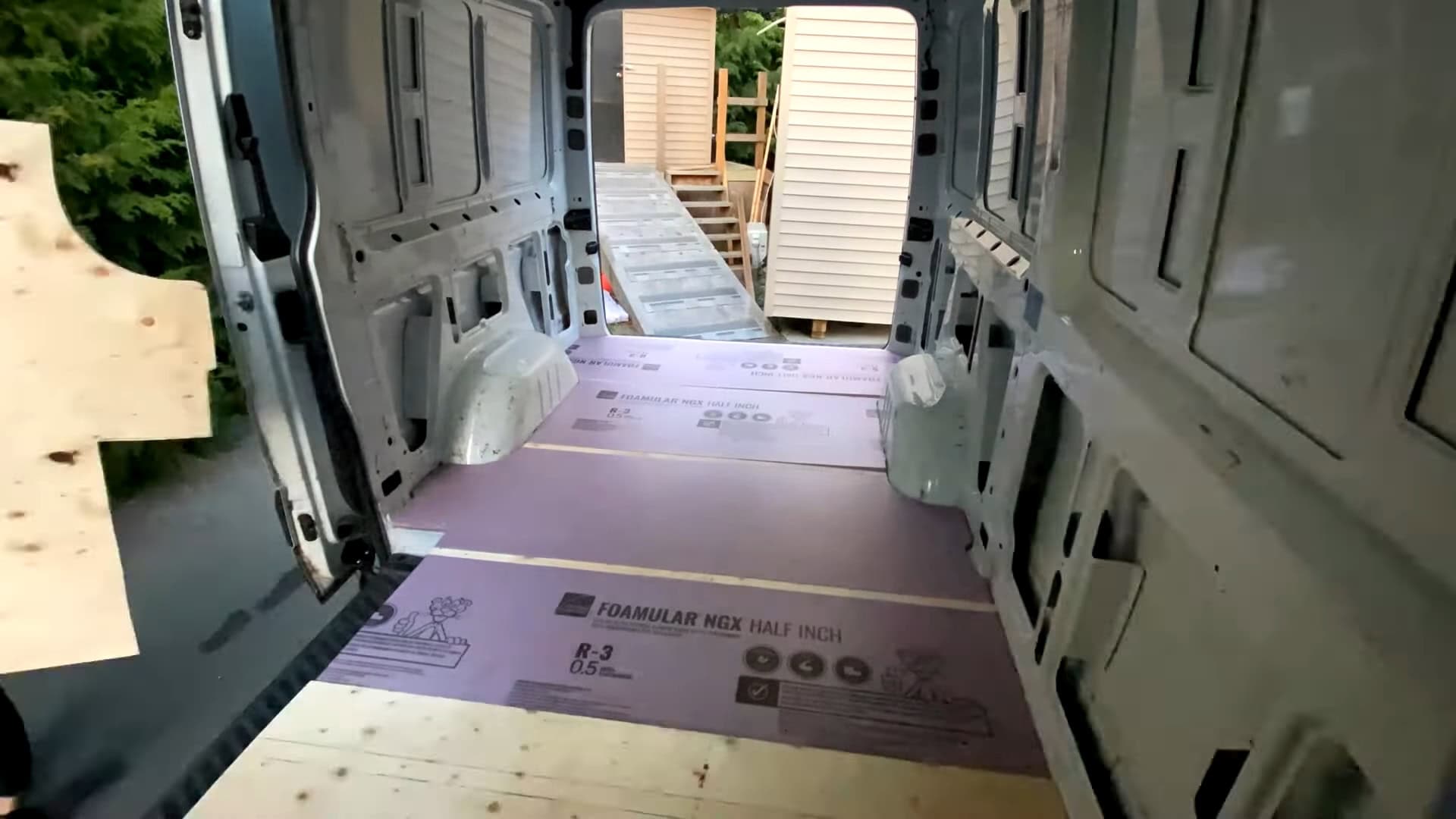
Image via VanLifeNate/YouTube
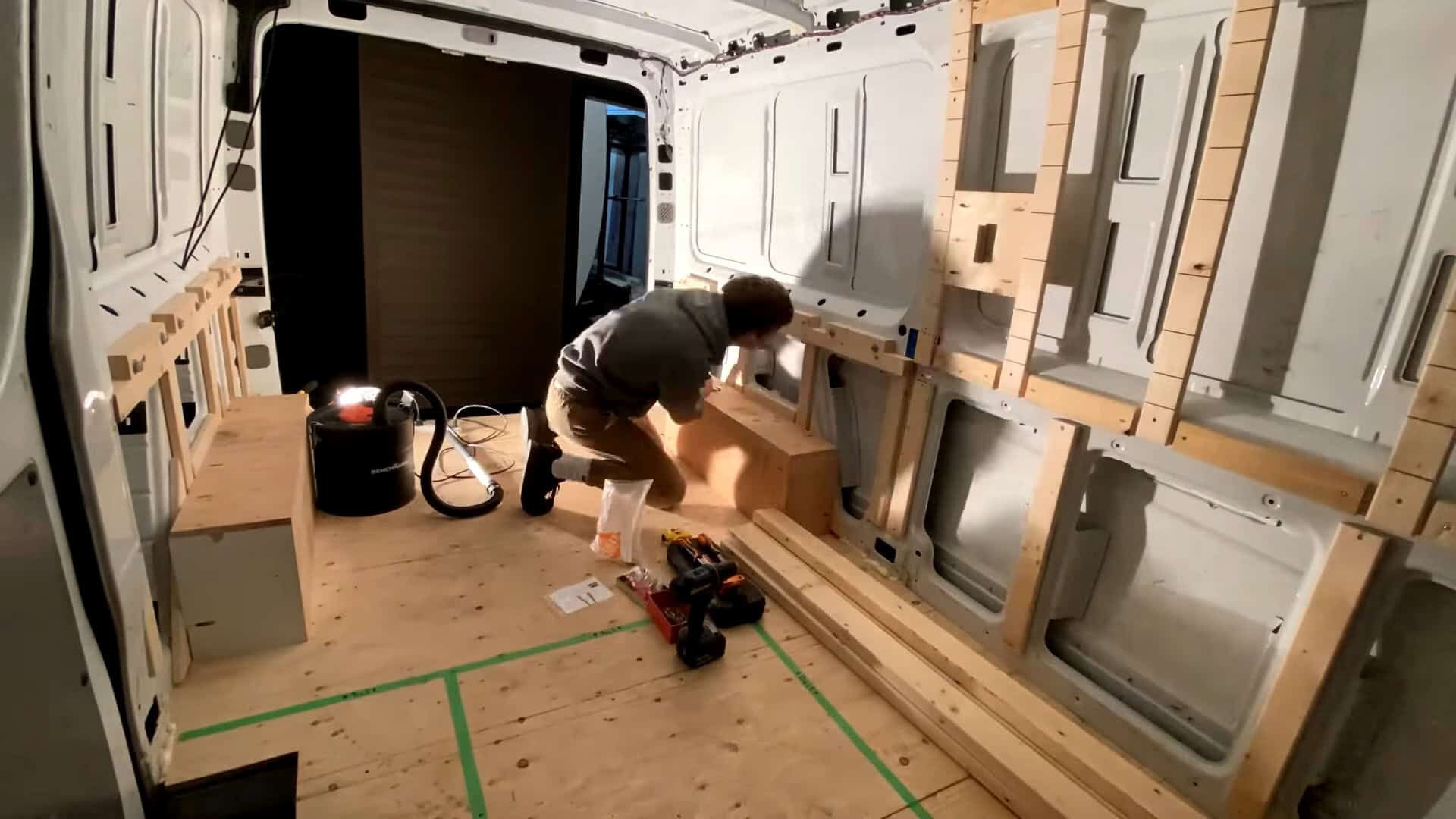
Image via VanLifeNate/YouTube
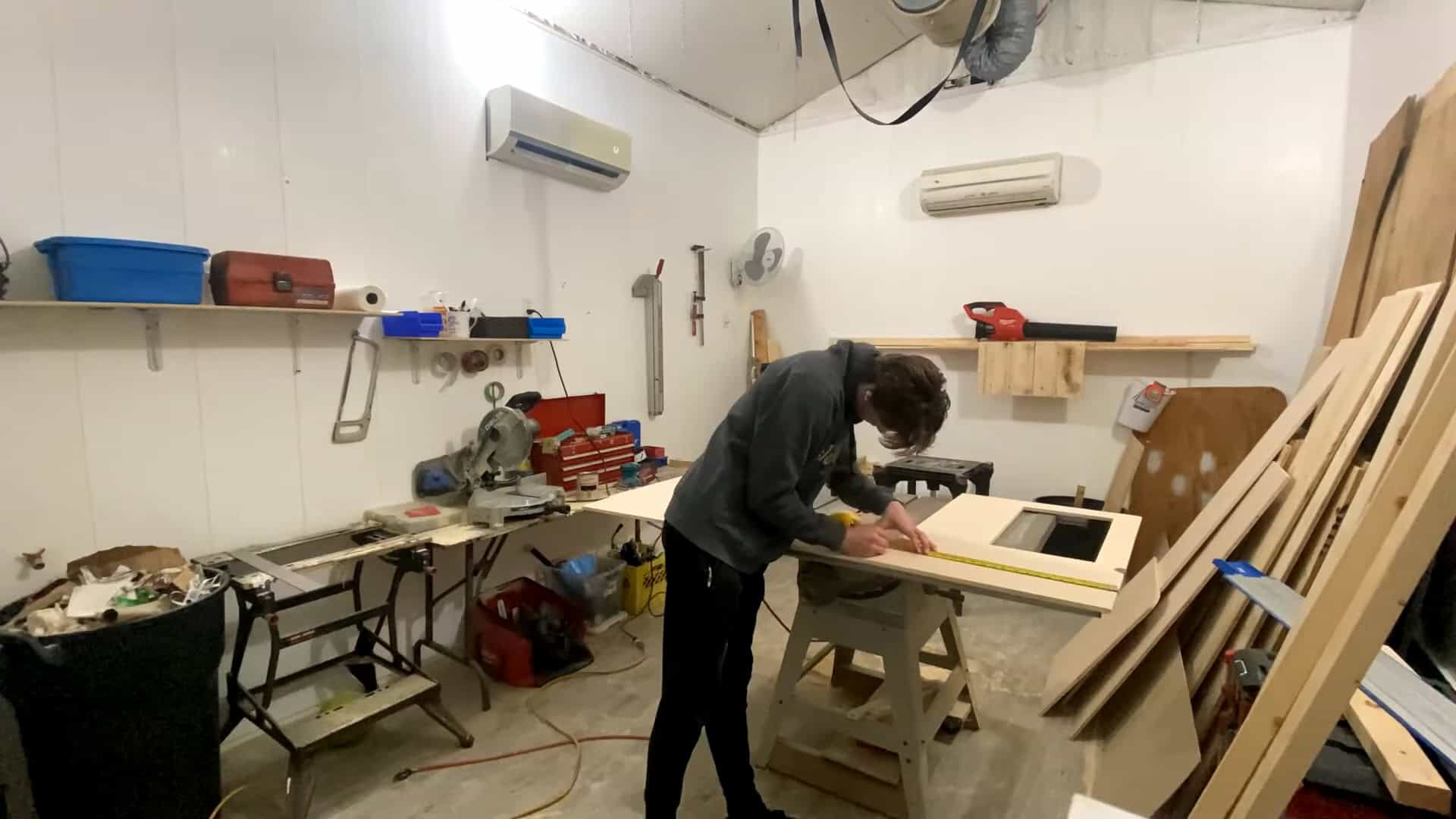
Image via VanLifeNate/YouTube
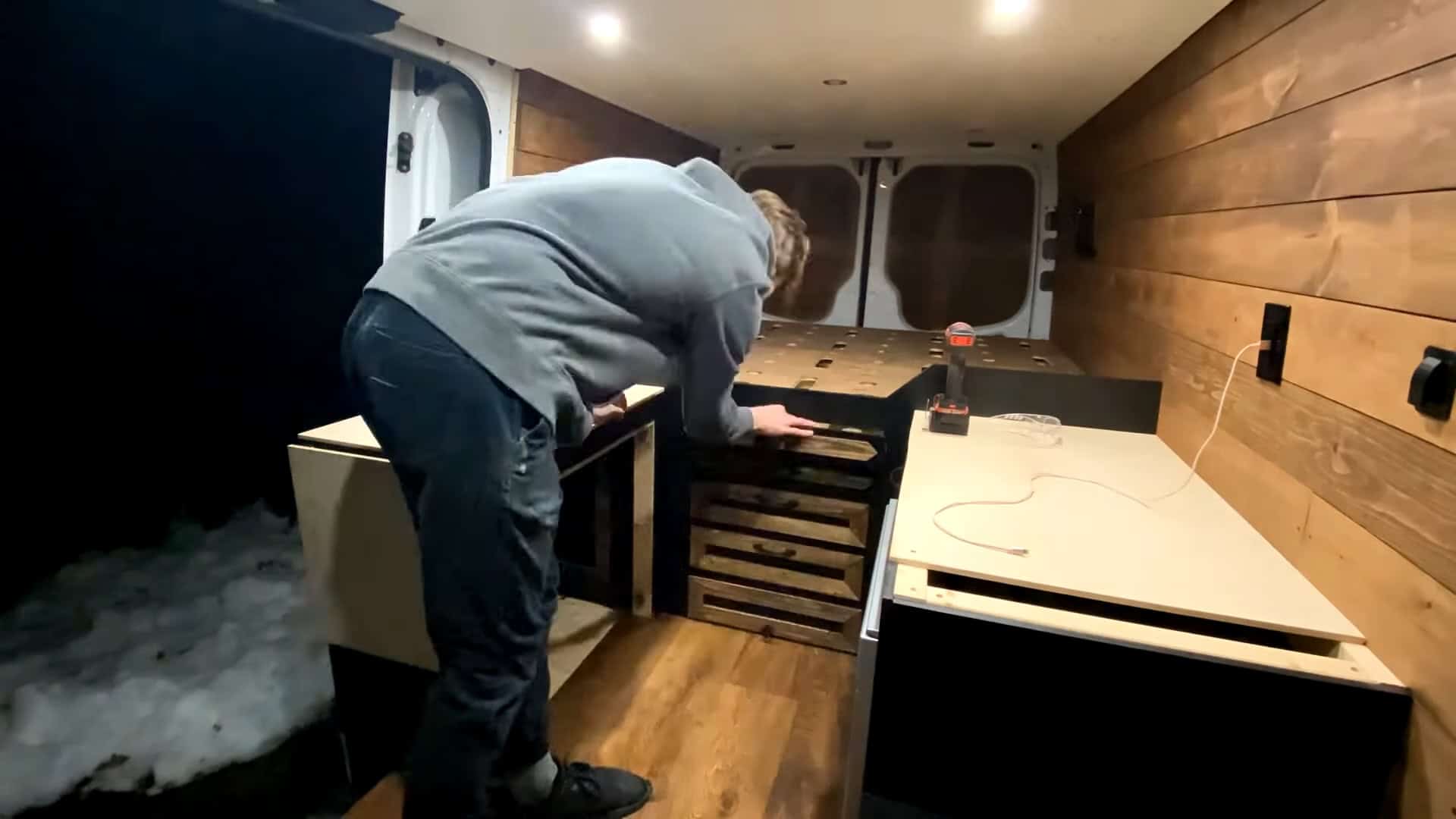
Image via VanLifeNate/YouTube
Power and Ventilation
To live off-grid, the van relies on rooftop solar to keep its electrical system charged, so Nate can run lights and essentials without needing to plug in. The roof-mounted vent fan handles the other half of comfortable van living — pulling in fresh air, managing heat, and helping control the moisture that builds up fast in a small, sealed space.
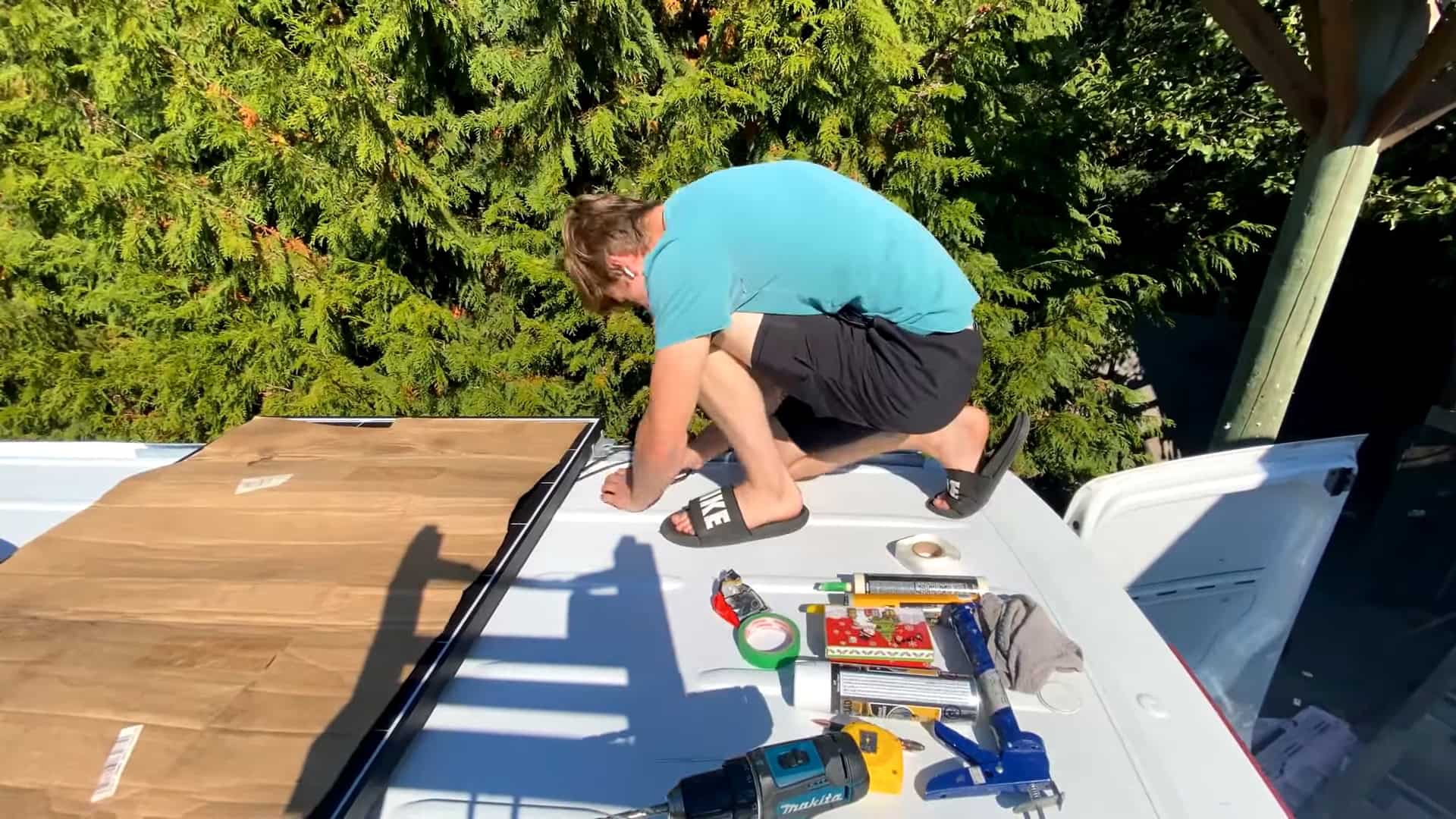
Image via VanLifeNate/YouTube
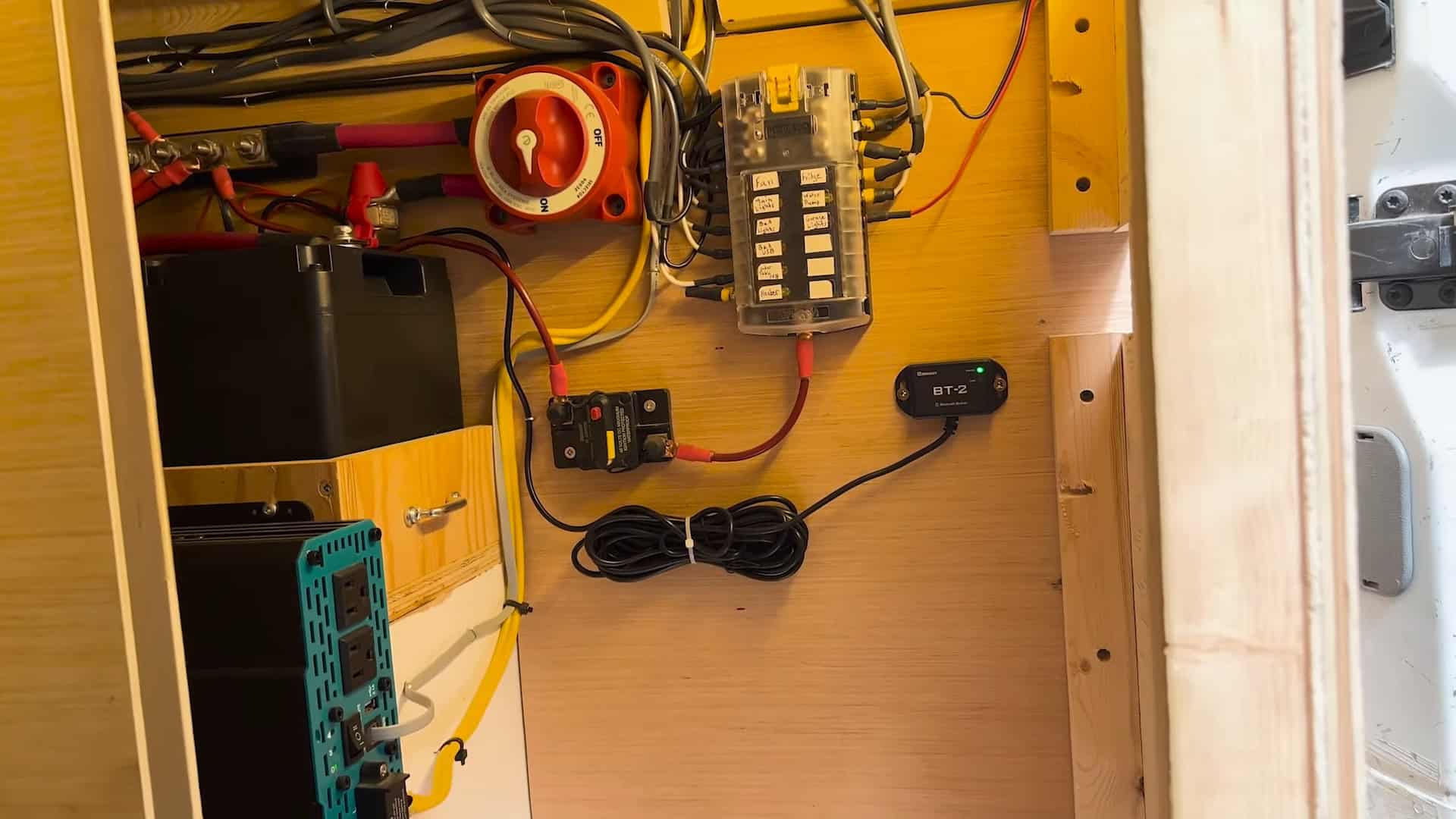
Image via VanLifeNate/YouTube
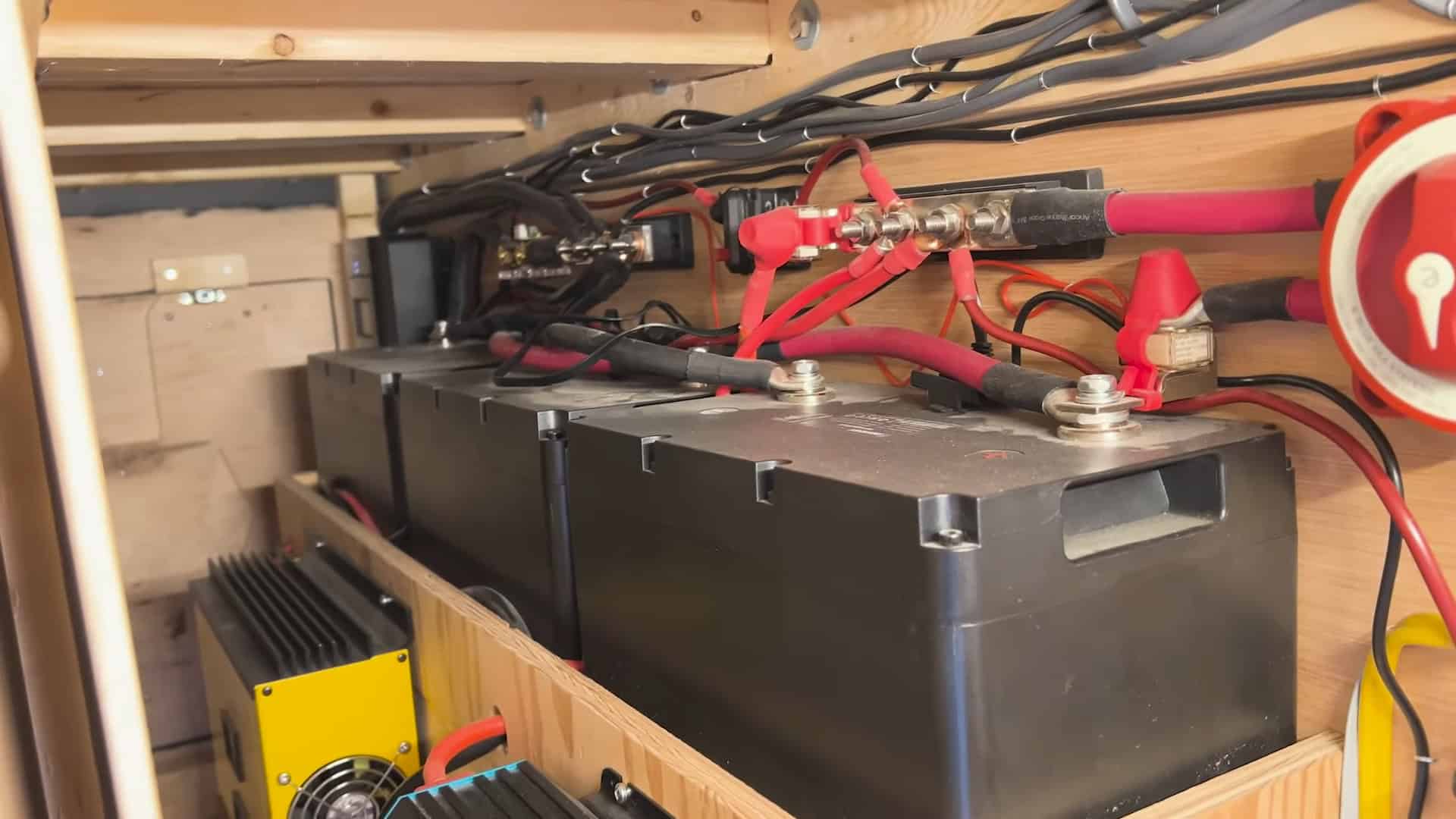
Image via VanLifeNate/YouTube
Design Details
- Vehicle: Mercedes-Benz Sprinter, low-roof cargo van
- Builder: VanLifeNate — solo DIY build with zero prior experience
- Exterior: Stealth cargo-van look, no added windows
- Walls: Wood-plank shiplap
- Cabinetry: Black with natural wood accents
- Ceiling: White with recessed lighting
- Layout: Open plan — cab connected to the living space
- Kitchen: Sink with black faucet, counter, and compact fridge
- Power: Rooftop solar
- Ventilation: Roof-mounted vent fan
- Use: Full-time living
What Makes This Build Special
- Beginner-friendly proof of concept: A complete, livable conversion done by someone with no prior building experience.
- Stealth equals freedom: A cargo-van exterior opens up more places to park and adds privacy and security.
- Smart use of a low roof: The open, cab-to-rear layout makes a compact van feel bigger and brighter.
- Warmth over flash: Shiplap, wood accents, and soft lighting make the space feel like a home, not a project.
- Patience over experience: Research and persistence carried this build further than any pro-level skill set.
Watch the Full Build Timelapse
See the entire transformation — from empty cargo van to finished camper — in Nate’s satisfying start-to-finish timelapse:

Image via VanLifeNate/YouTube
Video courtesy of VanLifeNate on YouTube. Give the channel a follow to keep up with the build and life on the road.
Highlights
- Low-roof Mercedes-Benz Sprinter converted by one person with zero experience
- Stealth cargo-van exterior for flexible, low-profile parking
- Rustic shiplap interior with black-and-wood cabinetry and a white ceiling
- Open layout connecting the cab to the living space
- Off-grid rooftop solar and a roof vent fan
- Full start-to-finish build captured in a timelapse
Subscribe to Our Newsletters
Join the Tiny House Newsletter => https://tinyhousetalk.com/tinyhousenewsletter
Join The Small House Newsletter => https://tinyhousetalk.com/small-house-newsletter/
Join Our Tiny Houses For Sale Newsletter => https://tinyhousetalk.com/tiny-houses-for-sale-newsletter
Disclosure: This post may contain affiliate links. If you purchase through one of our links, we may earn a commission at no additional cost to you.


Alex
Latest posts by Alex (see all)
- Avery 127: A Park Model with a Main-Floor Bedroom, Loft, and Covered Porch - October 12, 2026
- Wheelhaus Lookout: A Rolling Cabin With a Wall of Glass and a Covered Deck - October 12, 2026
- The Honey Bee: A 26-Foot Farmhouse Tiny House With Storage Stairs and Two Lofts - October 12, 2026