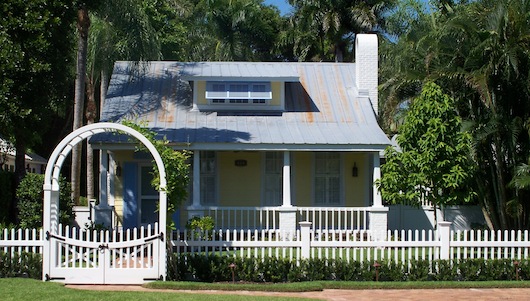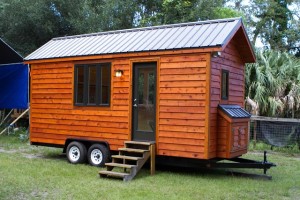
Tiny house enthusiasts seek diverse content spanning multiple dwelling types and formats. The most requested topics include tiny house tours showcasing real homes, van conversions for mobile living, overland campers for adventure travel, small houses for families, off-grid cabins for self-sufficient living, and interviews with people living the lifestyle.
Popular Tiny House Content Categories
- Tiny House Tours: Walk-throughs of completed homes showing layouts, storage solutions, and design choices
- Van Conversions: DIY and professional van builds for nomadic living
- Overland Campers: Expedition vehicles and adventure-ready rigs
- Small Houses: Compact homes under 1000 square feet for individuals and families
- Off-Grid Cabins: Self-sufficient structures with solar, water collection, and composting systems
- Interviews: Conversations with tiny house dwellers about their experiences and lessons learned
[continue reading…]
{ }

Austin Hay began building a Tumbleweed Fencl tiny house as a high school sophomore, demonstrating that age is no barrier to tiny house construction. His motivations included downsizing, environmental responsibility, and financial independence. The project proves that with determination and proper planning, anyone can take on a tiny house build.
Project Details
- Builder: Austin Hay
- Model: Tumbleweed Fencl
- Type: DIY tiny house on wheels
- Motivation: Downsizing, environmental impact, financial freedom
- Status: Self-built project
- Message: Demonstrating one person can make a difference
Fencl Build in Progress

Photo via Austin Hay
[continue reading…]
{ }
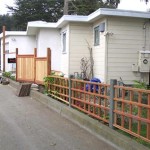
This 250 square foot tiny house demonstrates how permanent foundation homes can exist within established neighborhoods. The homeowner has lived in this grandfathered structure since 1999, developing custom storage solutions including vertical rolling storage units perfect for multifunctional rooms. The property has evolved over time with additions including a garage, fencing, and new landscaping.
Design Details
- Size: 250 square feet
- Type: Permanent foundation tiny house
- Setting: Established neighborhood (grandfathered)
- Owner/Designer: Dirk Dieter
- Occupied Since: 1999
- Features: Custom vertical storage, compact kitchen, garage addition
- Future Plans: Second story addition (approximately 500 SF total)
Exterior Street View
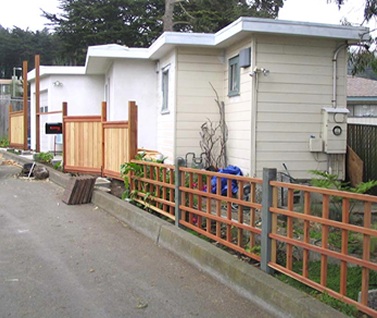
Photos via Dirk Dieter, verb2.com
[continue reading…]
{ }

Bicycle commuting aligns with tiny house values of simplicity, reduced expenses, and environmental responsibility. Replacing car commutes with cycling can save thousands annually while improving cardiovascular health and reducing carbon footprint. For those pursuing financial independence or simple living, bike commuting represents a practical daily choice that compounds over time.
Bicycle Commuting Benefits
- Financial Savings: Up to $8,000+ annually compared to car ownership
- Health Benefits: Cardiovascular improvement, weight management, mental health
- Environmental Impact: Zero emissions, reduced traffic congestion
- Time Flexibility: No parking searches, predictable commute times
- Equipment Needs: Rain gear, fenders, cargo solutions for groceries
Practical Considerations
- Weather Gear: Rain coats, fenders, and appropriate clothing extend riding seasons
- Cargo Capacity: Panniers, baskets, and trailers enable grocery shopping and errands
- Route Planning: Bike lanes, trails, and low-traffic streets improve safety and enjoyment
- Maintenance: Basic bike maintenance skills reduce shop visits and downtime
- Backup Options: Car rental or transit for occasional needs when cycling is impractical
[continue reading…]
{ }
Little Deadman’s Cay in the Bahamas hosts a single off-grid house on nine and a half acres of private island. The property runs entirely on solar panels and a windmill, offering a unique experience that blends camping simplicity with permanent shelter. Amenities are basic: gravity-fed outdoor showers and no internet or television, replaced by reading, nature, and human connection.
Property Details
- Name: Little Deadman’s Cay
- Location: Bahamas
- Property Size: 9.5 acres
- Structures: Single house
- Power: Solar panels and windmill
- Water: Gravity-fed outdoor shower
- Connectivity: No internet or television
- Experience: Off-grid island retreat
Video Tour
[continue reading…]
{ }

This collection showcases three different small house styles demonstrating the variety within compact living. From traditional small houses in established neighborhoods to ultra-compact structures and rustic tiny cabins, these examples illustrate that small homes come in many forms to suit different preferences and locations.
Small House Styles
- Traditional Small House: Conventional design in neighborhood setting
- Ultra-Compact Structure: Minimal footprint for maximum efficiency
- Rustic Tiny Cabin: Simple construction for rural or wooded lots
Traditional Small House
[continue reading…]
{ }

Architect Michael Chen and assistant Kari Anderson redesigned this 450 square foot Manhattan apartment using transformer cabinets that reconfigure the space for different uses. The renovation removed most interior walls and replaced them with moveable elements that create distinct zones for cooking, sleeping, working, entertaining, and storage.
Design Details
- Architect: Michael Chen with Kari Anderson
- Location: Manhattan, New York
- Size: 450 square feet
- Approach: Removed walls, added transformer cabinets
- Functions: Living, sleeping, cooking, working, entertaining, storage
Living Configuration

Photos by Aya Brackett
[continue reading…]
{ }
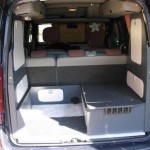
The Renault Kangoo, a small panel van produced since 1997, makes an excellent base for micro camper conversions. This example features overhead storage racks, sleeping platform, and careful attention to detail throughout. The Kangoo’s removable rear seats and optional window configurations provide flexibility for custom builds.
Vehicle Details
- Base Vehicle: Renault Kangoo
- Type: Small panel van / leisure activity vehicle
- Production: Since 1997
- Markets: Europe, Latin America, France, Sweden
- Features: Removable rear seats and windows available
- US Alternative: Ford Transit Connect
Kangoo Camper Interior Overview

Images via myKangoo.de
[continue reading…]
{ }

Japan produces ultra-compact motorhomes smaller than anything currently manufactured in the United States. These micro RVs prioritize fuel efficiency and parking convenience over interior space, providing basic sleeping accommodations for solo or two-person travel. The small engines may struggle with steep grades but deliver exceptional gas mileage.
Micro Motorhome Characteristics
- Origin: Japan
- Size: Smaller than US motorhomes
- Capacity: 1-2 people (varies by model)
- Advantages: Fuel efficiency, easy parking, low purchase cost
- Limitations: Limited interior space, potential hill-climbing issues
- US Status: Not currently manufactured domestically
White Micro Motorhome

Photos by Geno
[continue reading…]
{ }