
Disclosure: This post may contain affiliate links. If you purchase through one of our links, we may earn a commission at no additional cost to you.
When we first decided we wanted to build our own house we were always interested in some type of alternative living situation. The reasons for this are varied and some are probably rather unexplainable. The best way to articulate it is that we wanted to prove to ourselves that we could live comfortably and inexpensively at the same time.
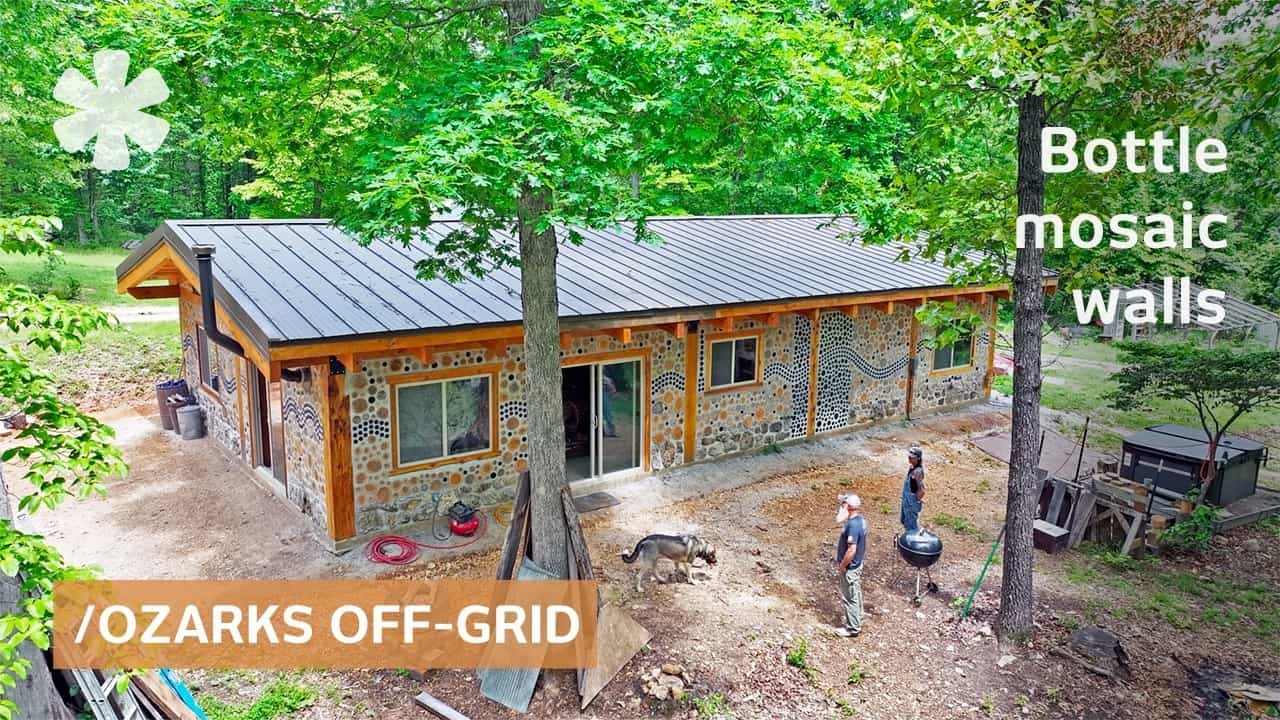
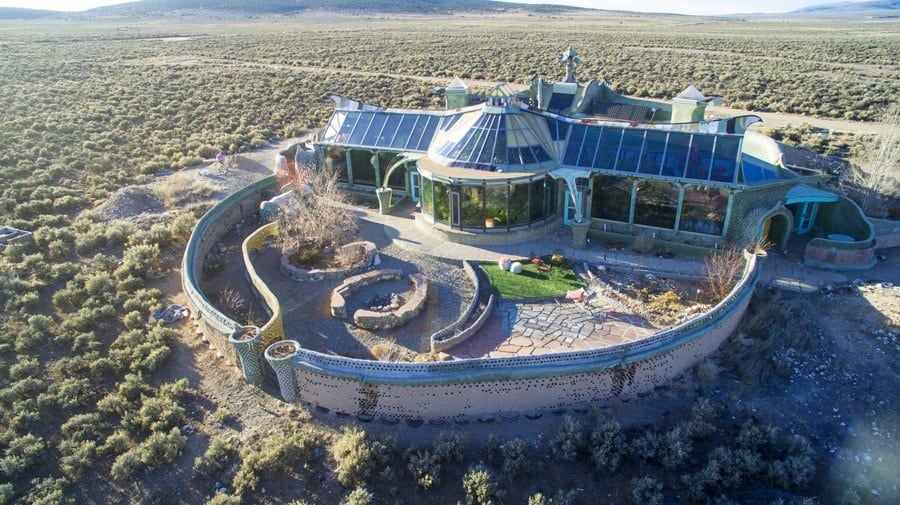
Before we decided on building an early Tumbleweed Tiny House model we considered some other alternative building solutions like a Cordwood Masonry structure or an Earthship. Our experiences with both of these types of building were based on off the grid systems.
By going off the grid we could reduce our dependency of resources and essentially eliminate our monthly utilities payments. There were some added benefits of being more environmentally conscious but to be perfectly honest these considerations were secondary. The first priority was to build our own home and be able to quit our conventional jobs and not have the expenses that traditional housing requires.
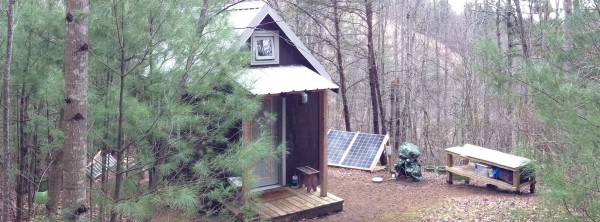
We wanted to live off the grid to prove we could do it.
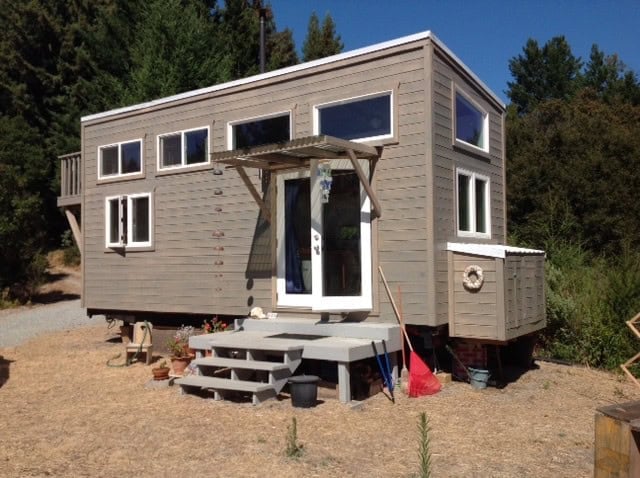
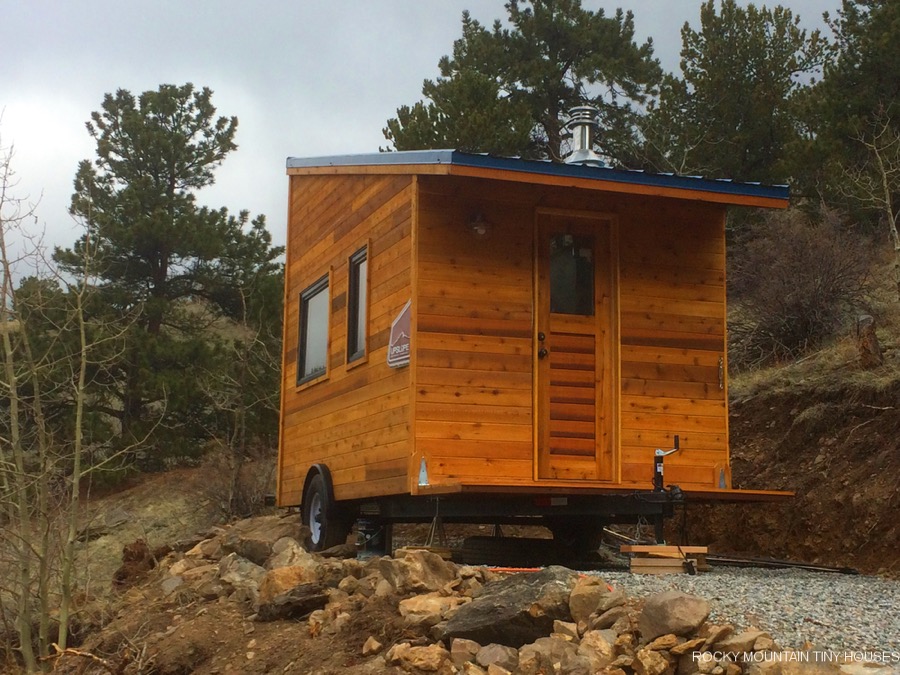
Our tiny house is considered rather Spartan by most onlookers. Our kitchen doesn’t have a sink, a stove, or a refrigerator. We use a Berkey system to filter our spring water and make it usable in the house. We have butane burners which are portable and easy to move around if we need more or less counter space. Butane is inexpensive and can be bought in bulk.

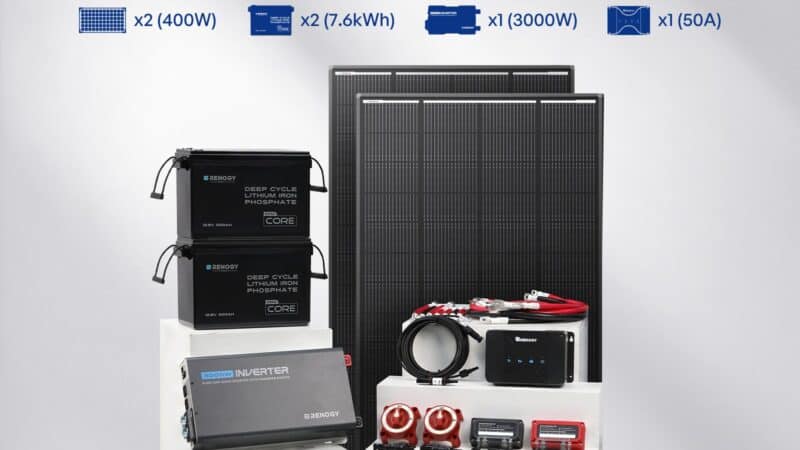
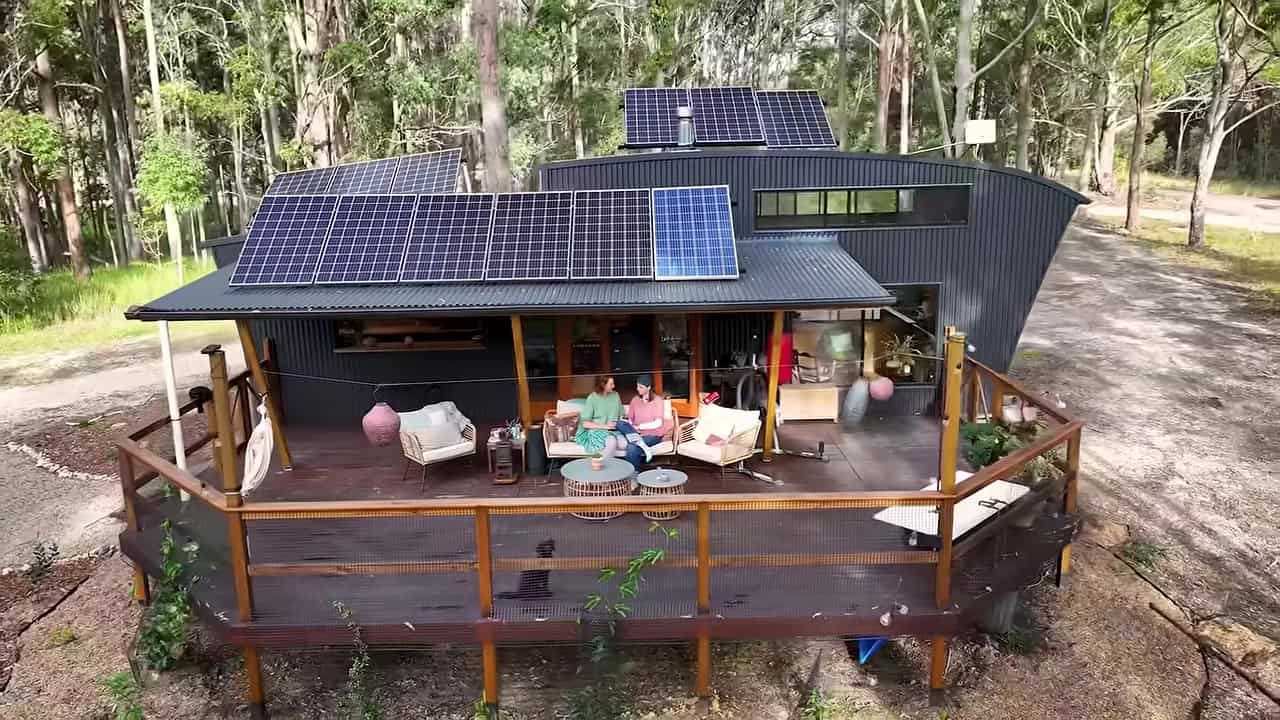
For the rest of our energy we rely on a solar power system. We worked with an online store called The AltE Store to help us put together our system. We have two 245 watt panels that connect to 45 amp Tristar MPPT charge controller made by Morning Star. These all feed into three 110 amp hour AGM batteries. We have a 1800 watt inverter to convert all the power to AC inside the house. There are separate breakers throughout the system so they can be safely isolated and serviced at any time. All of the wiring runs underground in rigid conduit.
This system runs all of our lights, our laptops (we both work from home), a fan to keep the house cool, and any chargers that we need throughout the day.

Since we both work from home we need to have access to the internet. We ran cable through the wall and up to an antenna on the roof which then connects to our Verizon MiFi wireless hotspot. Because our roof is metal it acts as a conductor for the magnetic antenna and we get 4G signal.
So, you might be asking yourself, was all this worth it? I can say absolutely yes. Our lives are drastically different from what they were before and we find ourselves happier in general. Having a simpler house rewards us in ways we didn’t expect. For example, instead of taking more time to do the dishes I find that I can easily wash a plate or two in just a few minutes after we’re done eating. We do our laundry at a local Laundromat which is also a bar so we really enjoy that social time out.
What I love most about the Tiny House Community is reading the experiences of each person, couple, or family who lives in these teeny homes. You can see everything from a gourmet kitchen to a huge luxury walk in shower. Some people chose to live on the grid and some off and we value that kind of diversity.
How do you imagine your tiny life?
Disclosure: This post may contain affiliate links. If you purchase through one of our links, we may earn a commission at no additional cost to you.


Laura LaVoie
Latest posts by Laura LaVoie (see all)
- Top 5 Things to do on a Rainy Day in Your Tiny House - October 20, 2013
- Top 5 Reasons I Love My Tiny House in the Fall - September 24, 2013
- 3 Tips You Should Know Before Building From a Tiny House Builder - September 18, 2013


Join the Conversation
6 comments