
Disclosure: This post may contain affiliate links. If you purchase through one of our links, we may earn a commission at no additional cost to you.
Tiny houses offer a compelling solution for elderly individuals who want to maintain their independence. In this interview, builder Stephen Marshall of Little House on the Trailer discusses how small spaces on wheels can help seniors age in place—and the zoning challenges that come with this approach.
About Stephen Marshall
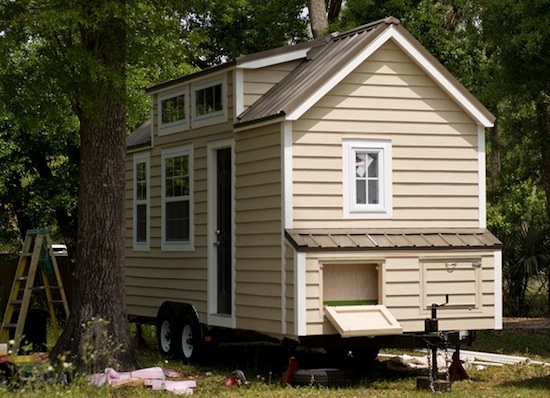
Stephen Marshall has been building since age 19 and has always been passionate about designing and constructing homes. His company, Little House on the Trailer, specialized in tiny houses ranging from 120 to 400 square feet.
What makes his perspective valuable: most of his clients were elderly people seeking to remain independent while staying close to family.
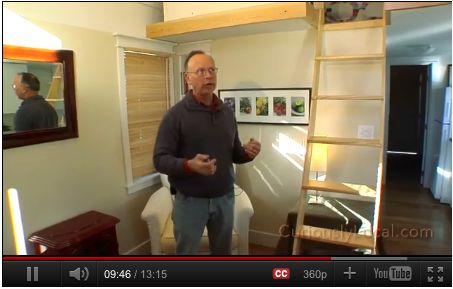
The Interview
Key Topics Discussed
Stephen covers several important subjects in this conversation:
- Zoning challenges: The laws, ordinances, and regulations tiny house dwellers face
- Creative solutions: How people navigate building codes and restrictions
- Elderly housing: Why tiny houses work well for aging in place
- Size considerations: The 120-400 square foot range and what works for different needs
- Mobility advantages: Benefits of building on a trailer
Why Tiny Houses Work for Aging in Place
The concept Stephen discusses—using tiny houses for elderly independence—remains one of the most practical applications of small-space living:
- Proximity to family: A tiny house in a family member’s backyard keeps seniors close while maintaining privacy
- Reduced maintenance: Smaller spaces mean less cleaning and upkeep
- Lower costs: Reduced utility bills and housing expenses
- Single-level living: Many designs eliminate stairs for accessibility
- Customization: Layouts can be designed around specific mobility needs
The Ongoing Zoning Challenge
The zoning issues Stephen discusses in this interview remain relevant today. While some jurisdictions have become more tiny house-friendly, many communities still struggle with how to classify and permit these dwellings. Common approaches include:
- Registering as an RV (with associated limitations)
- Seeking ADU (Accessory Dwelling Unit) permits where available
- Placing on land zoned for mobile homes
- Advocating for code changes in your community
Stephen’s insights highlight how tiny houses can serve as a practical housing solution for seniors—when zoning allows. Has your community become more tiny house-friendly? Share your experiences in the comments!
Disclosure: This post may contain affiliate links. If you purchase through one of our links, we may earn a commission at no additional cost to you.


Alex
Latest posts by Alex (see all)
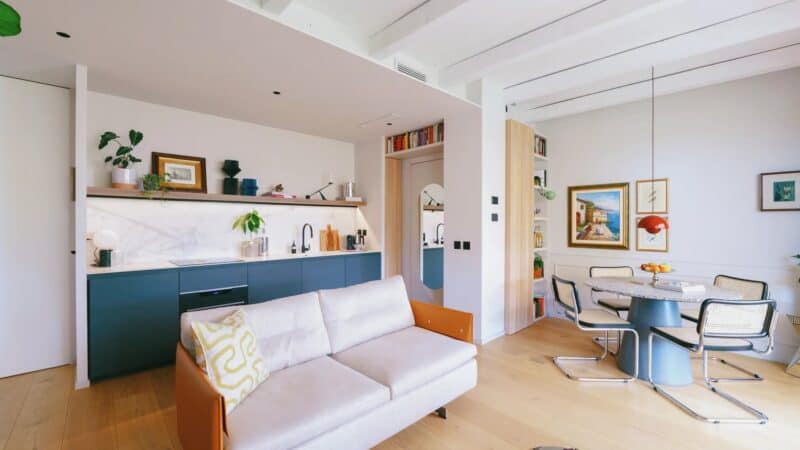
- A Hotel Designer’s 484 Sq Ft Milan Apartment with a Rotating Room Divider - October 9, 2026
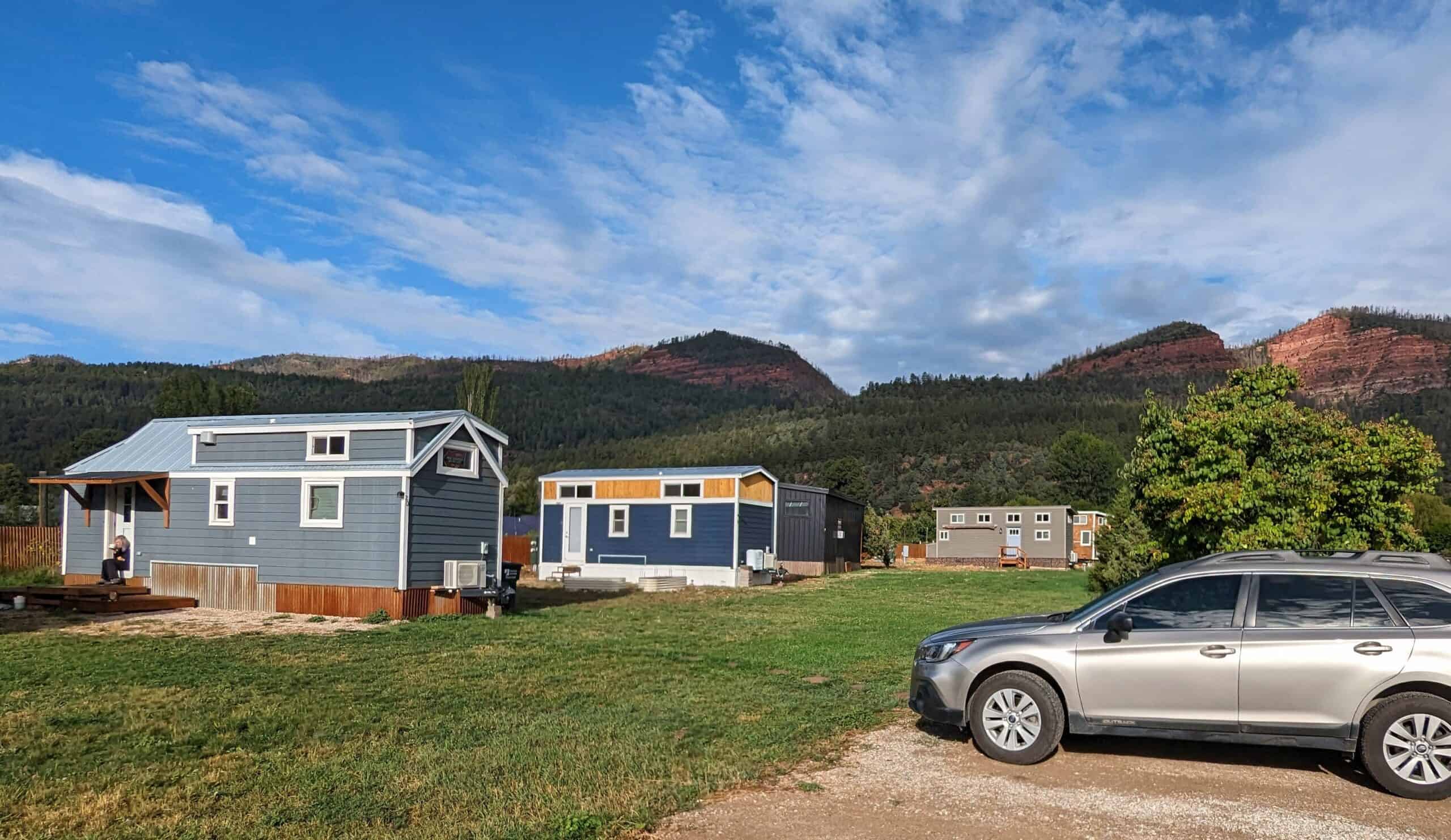
- Hermosa Orchards Village: A Durango Tiny Home Community with Its Own Fruit Orchard - October 9, 2026
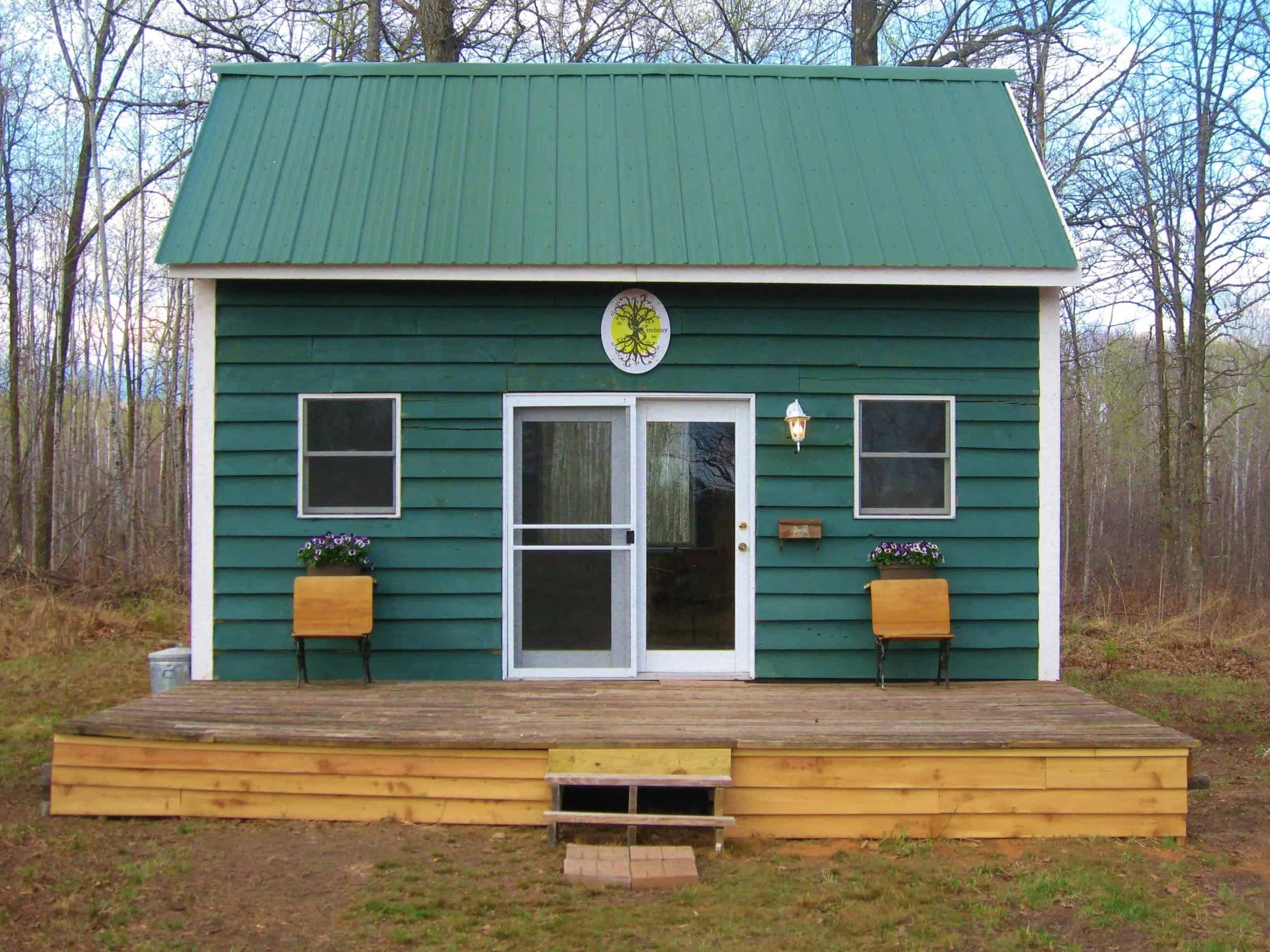
- The Sanctuary Minnesota: A Tiny House Village on 80 Acres of Woods - October 9, 2026




This makes so much sense. I’m 63 years old and am researching how I want to live in this next phase of life. Right now I rent, but the cost of living in Seattle has become prohibitive–even if one tries to live life frugally. This site has already given me many ideas. Thank you so much!