This year a lot has happened in the world of tiny houses including quite a bit of new books.
In this post I wanted to share some of my new favorites with you along with some of the classics.
Some of these books will inspire you with photos and others will be filled with valuable how to information.
You might still be gathering ideas for your future home or you might be eager to build up your construction skills.
Either way some of these books, if you don’t already own them, should help inspire you towards your dream tiny house.
1. Tiny House Magazine by Kent Griswold
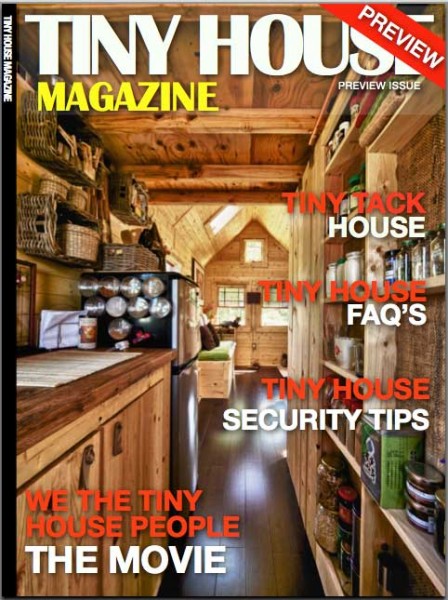
How to get the latest issues of the Tiny House Magazine
I encourage you to enjoy the rest of the tiny house books list below:
[continue reading…]
{ }
In the tiny house community we are often talking about the various building codes around the country, and the world, and how they affect tiny spaces. Tiny house bloggers often get asked the question “do you know the building codes in [my city]?”
Building codes are so location specific that they can vary greatly mile by mile. The only way to know for sure about the building codes in your area is to talk to the local government. Unfortunately, you can’t be surprised when they tell you that you can’t live in a tiny house where you want.
Fixing Tiny House Codes and Zoning
Tiny house builders do many things to get around this issue. Some will pick a location because of the friendly nature of the building codes. Some will build on wheels so the house can be moved if it ever becomes a problem. Some will build on unincorporated country land that isn’t likely to strictly enforce codes.
There is one more option that I’m not sure any of us have really considered.
Running for local government.
Click below to read more about my crazy ideas for extreme tiny house code reform.
[continue reading…]
{ }
Jay Shafer felt overwhelmed by the 4,000 square foot home he grew up in back in Iowa.
Time, energy and resources were spent maintaining space that added very little to their lives on the whole.
This distaste for wasted space emerged as a creative influence when Shafer was in his 20s.
After college, he started making blueprints of tiny homes just for fun.
Exploring how space is used, brainstorming how to use it more efficiently and learning about the materialism of our culture, he decided to pursue the passion further.
One of the legal difficulties he found right away was zoning laws that restrict how big anyone living establishment must be.
In most states, to be considered a house a building has to measure at least 220 square feet.
Please don’t miss other exciting tiny homes – join our FREE Tiny House Newsletter!

Photo Courtesy of Tumbleweed Houses
[continue reading…]
{ }
Greg Johnson of the Small House Society published a video on how city housing codes influence tiny house living.
In a 4 minute video he covers a viewers question, “where can you legally put a tiny house on wheels?”
Greg does a great job of explaining the problems we face in addition to different ways you can get around them.
He also briefly discusses cities that are beginning to allow this type of housing as completely legal accessory dwelling units.
Greg talks about the challenges faced by code enforcement to catch folks sleeping in recreational vehicles, campers, and tiny houses.
I’ll let him do the talking, Hope you enjoy and be sure to visit the Small House Society for more information related to the tiny house movement.

Photo Courtesy of the Small House Society and Greg Johnson on YouTube
If you want to listen to Greg’s tips on how to get around building codes and city zoning, I encourage you to watch his 4-minute video below: [continue reading…]
{ }
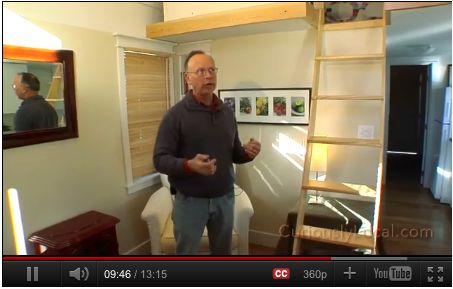
Tiny houses offer a compelling solution for elderly individuals who want to maintain their independence. In this interview, builder Stephen Marshall of Little House on the Trailer discusses how small spaces on wheels can help seniors age in place—and the zoning challenges that come with this approach.
About Stephen Marshall
Stephen Marshall has been building since age 19 and has always been passionate about designing and constructing homes. His company, Little House on the Trailer, specialized in tiny houses ranging from 120 to 400 square feet.
What makes his perspective valuable: most of his clients were elderly people seeking to remain independent while staying close to family.
[continue reading…]
{ }
Finding legal parking for a tiny house on wheels presents one of the biggest challenges for prospective tiny house dwellers. Options include backyards where RVs are permitted, rented land, RV parks, and creative arrangements with property owners. The key is researching local regulations, networking with landowners, and maintaining flexibility about location.
Parking Options
- Backyards: Properties where RVs or sheds are allowed
- Rented Land: Leasing space from rural property owners
- RV Parks: Established sites accepting tiny houses
- Craigslist/Classifieds: WANTED ads seeking parking arrangements
- Networking: Word-of-mouth referrals from contacts
Profitable Parking Strategy
Purchase a property with a house and yard space, park the tiny house in the yard, live in the tiny house, and rent the main house. This approach can generate positive cash flow from the living situation.
[continue reading…]
{ }