

Disclosure: This post may contain affiliate links. If you purchase through one of our links, we may earn a commission at no additional cost to you.
What does it take for a family of four to transform a 1989 Safari motorhome into a fully functional tiny home? This conversion proves that with creativity and determination, even a decades-old motorhome can become a warm, inviting space for an entire family to live, work, and grow together.
The Safari motorhome platform offers a generous footprint compared to many tiny home options, and this family took full advantage of every square inch. Through a thoughtful renovation, they turned what was once an aging recreational vehicle into a permanent dwelling that reflects their values of simplicity, togetherness, and intentional living.

Images courtesy of Sara Miedema / @sarmiephoto
Exterior and First Impressions
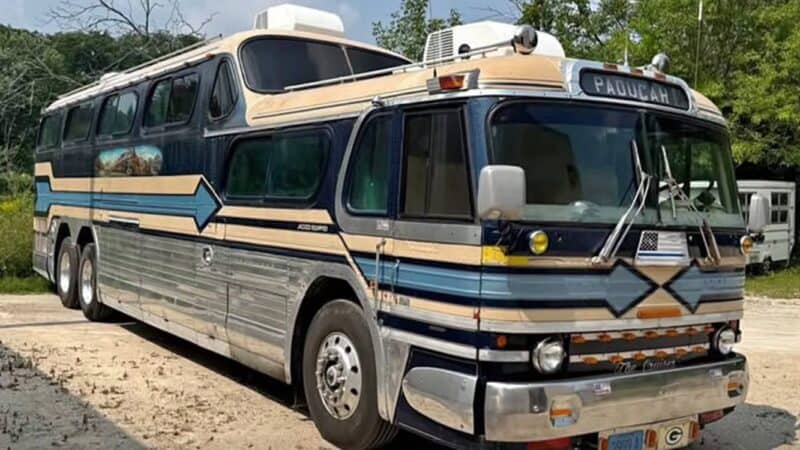
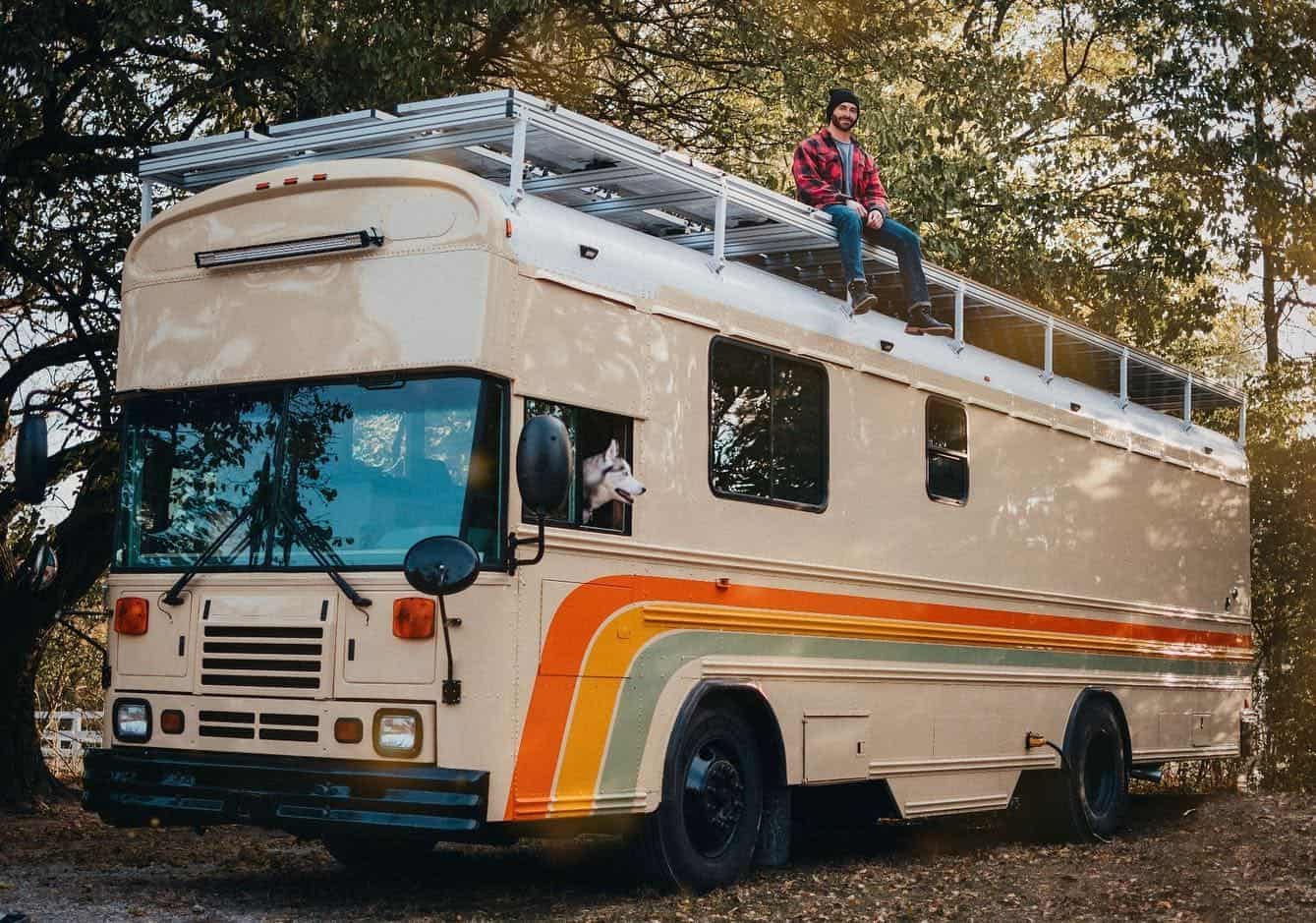
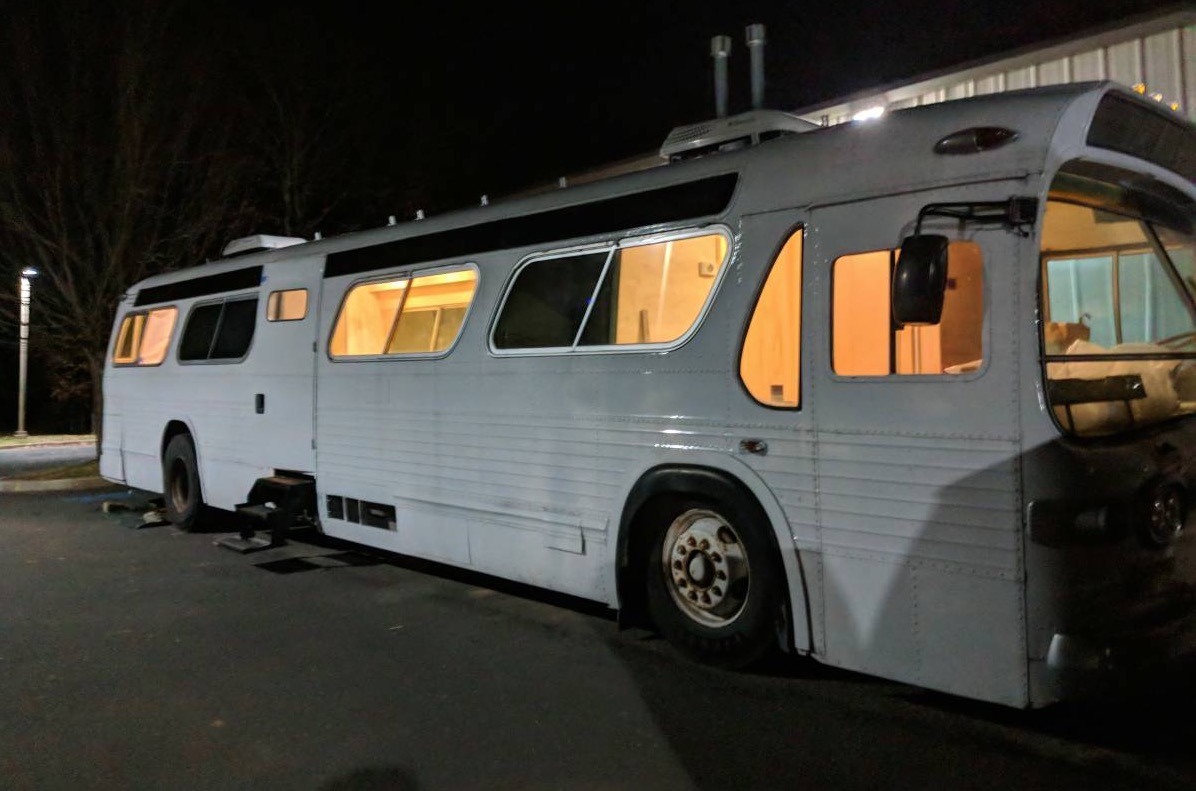
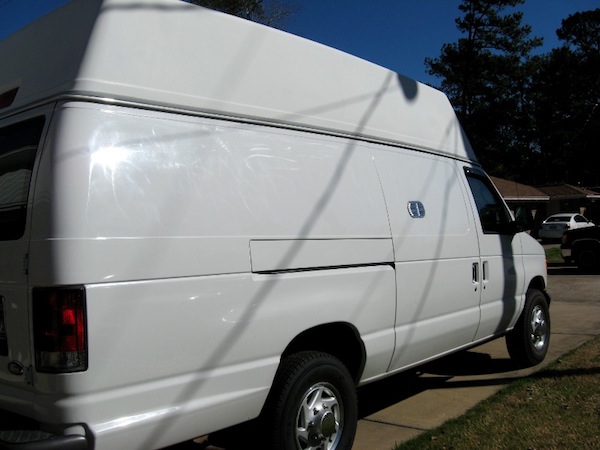
From the outside, this 1989 Safari motorhome maintains much of its original profile while hinting at the transformation within. The exterior has been kept clean and functional, prioritizing reliability over flash. For a family living full-time in their home on wheels, a solid and dependable shell matters far more than cosmetic upgrades.


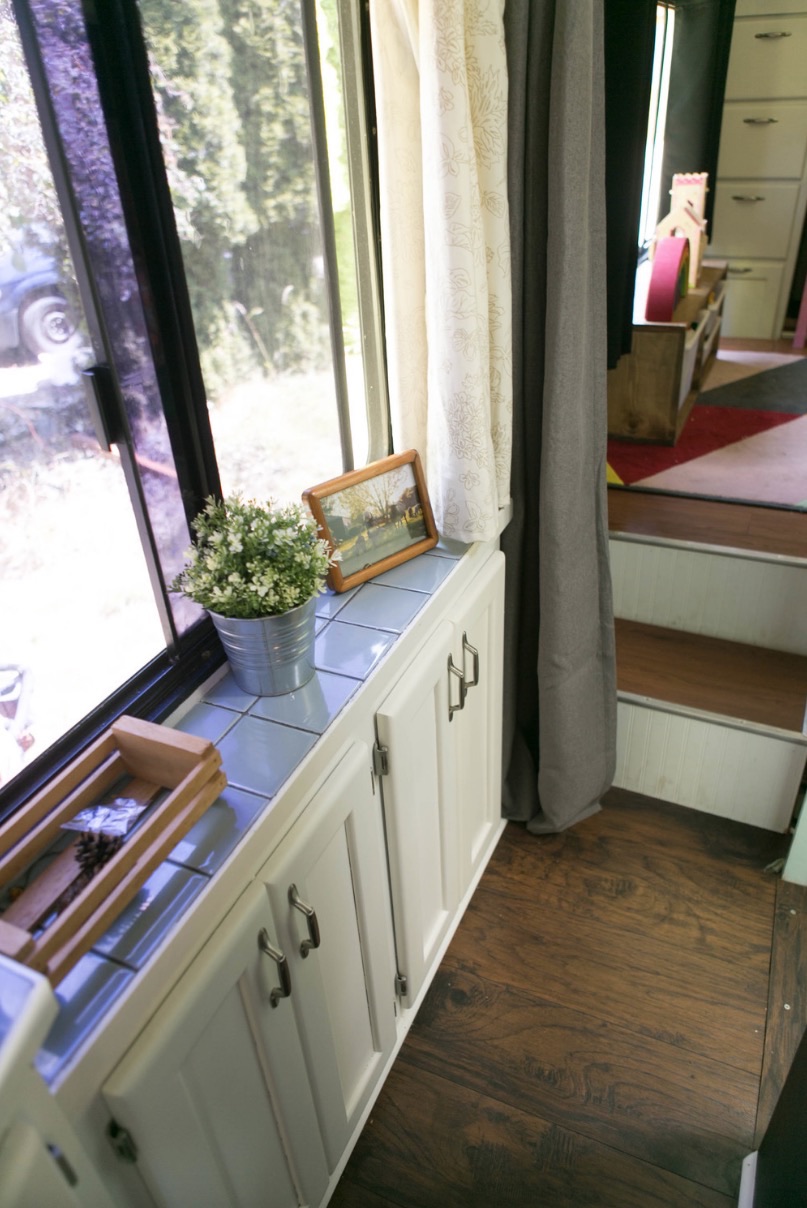
The motorhome’s generous window placement allows natural light to flood the interior, a critical design feature when raising a family in a compact space. Good natural lighting makes small spaces feel open and reduces the claustrophobic feeling that can sometimes accompany bus life.
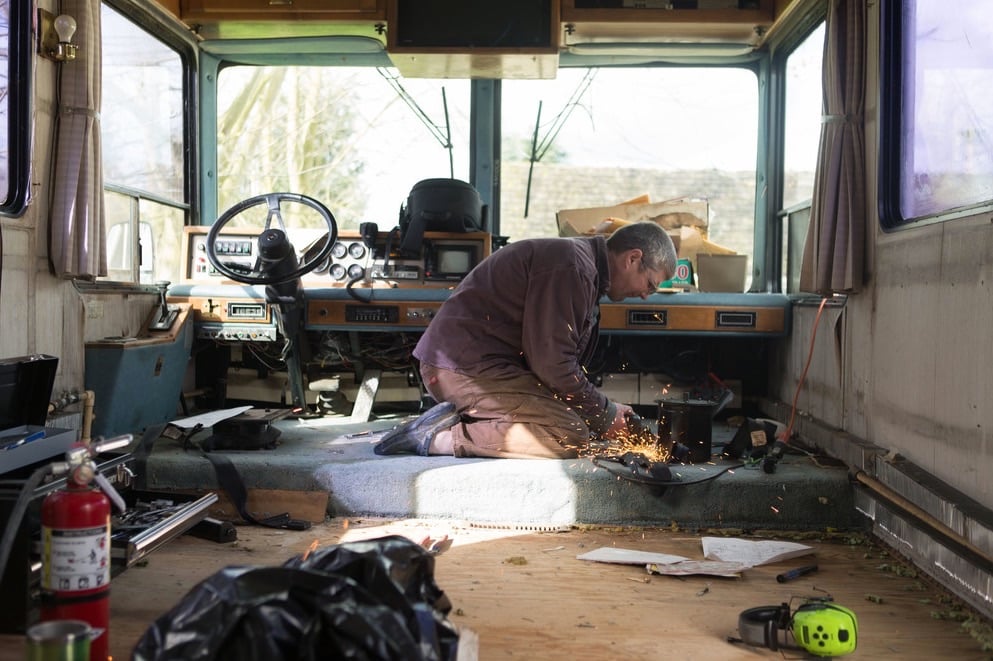

Main Living Area
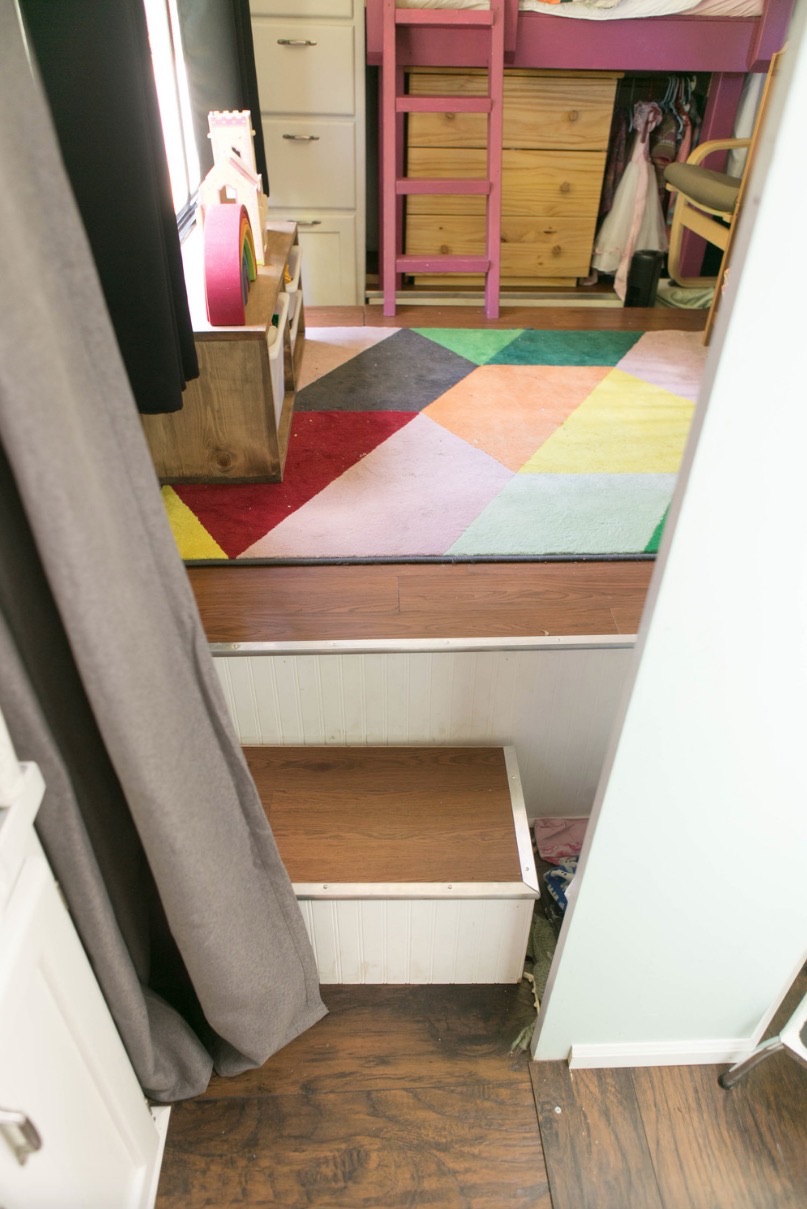
Stepping inside, the main living area sets the tone for the entire conversion. The family created a multi-purpose space that serves as a gathering spot, play area, and the heart of daily life. In a tiny home with children, flexibility is everything, and this living area delivers.

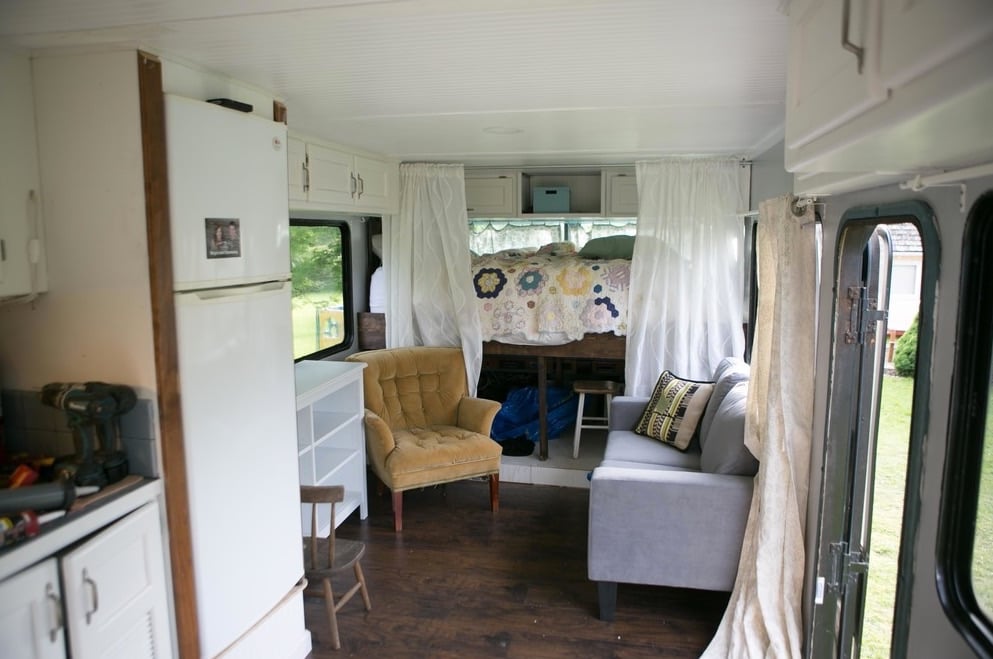
Soft furnishings and thoughtful color choices make the space feel welcoming rather than cramped. When four people share a home this size, every design decision impacts comfort. The family opted for warm tones and natural textures that create a cozy atmosphere.
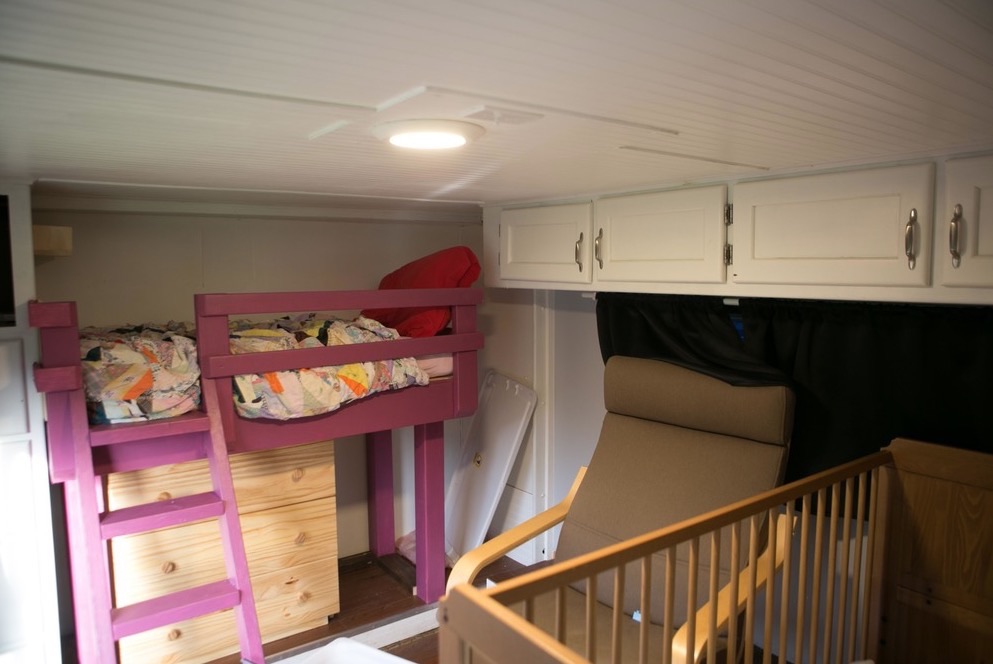


Kitchen and Dining
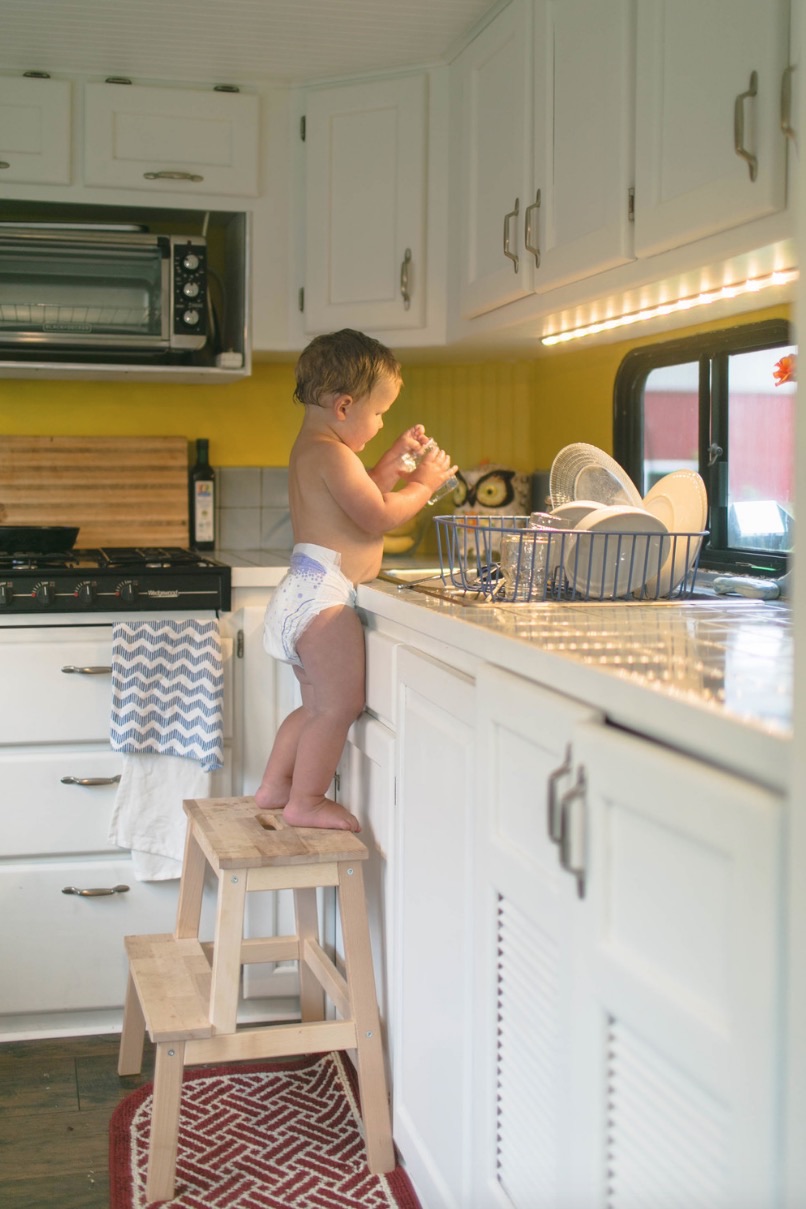
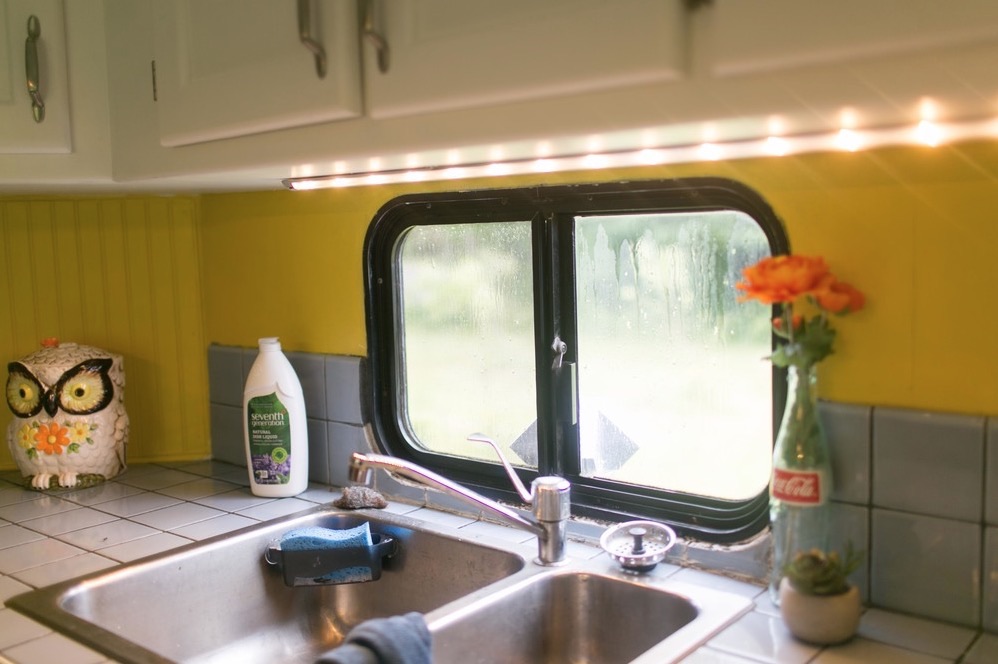
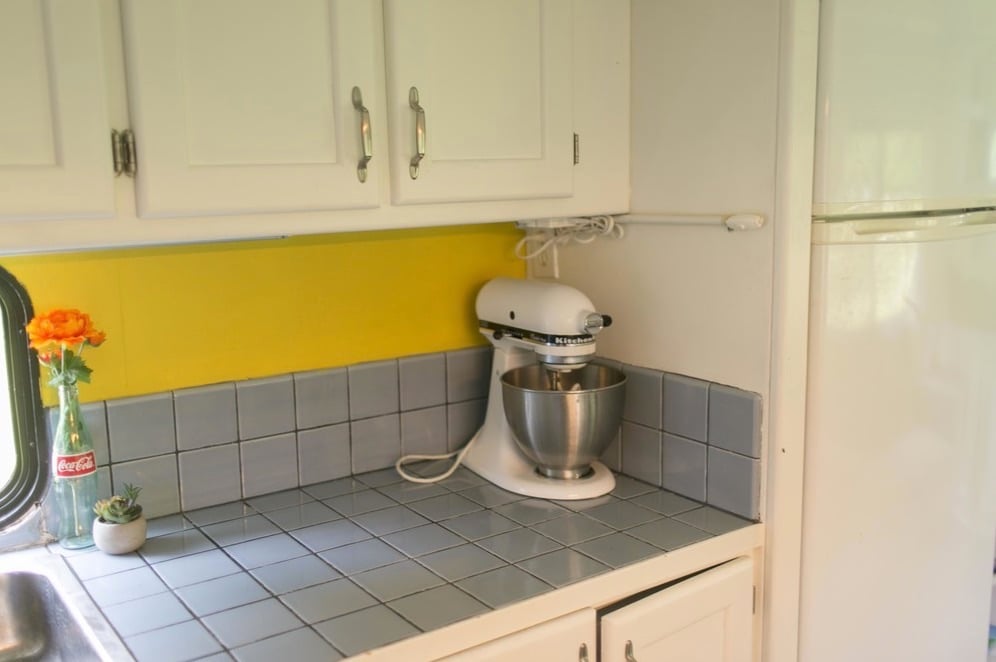
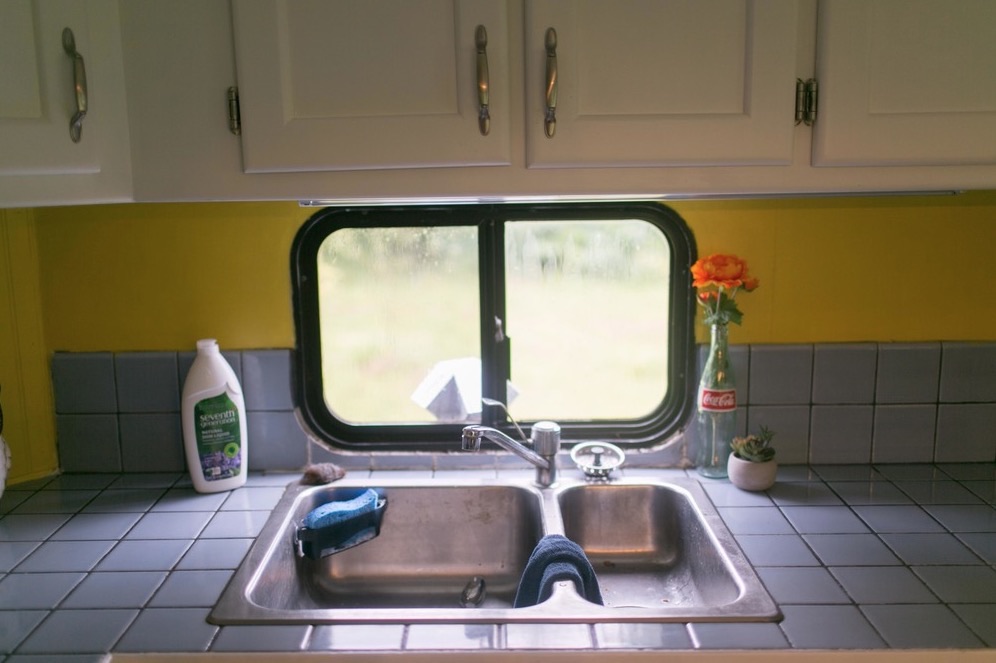
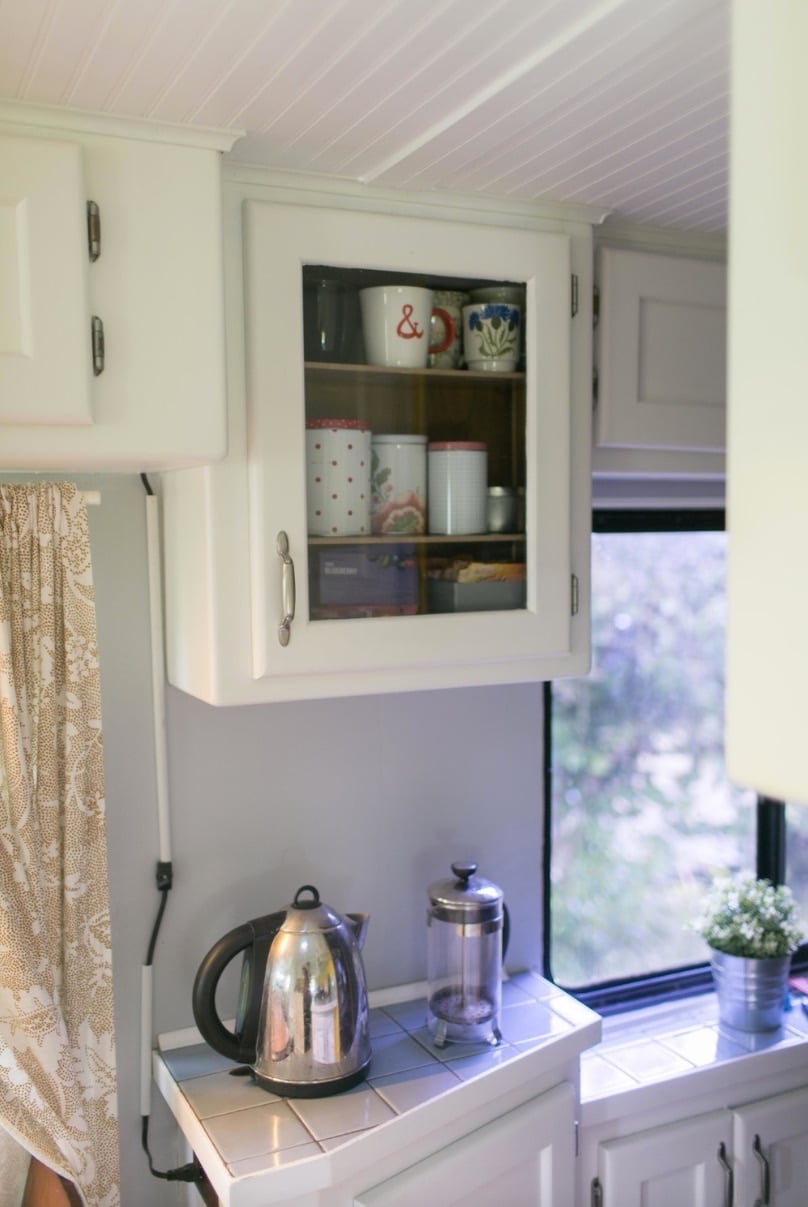
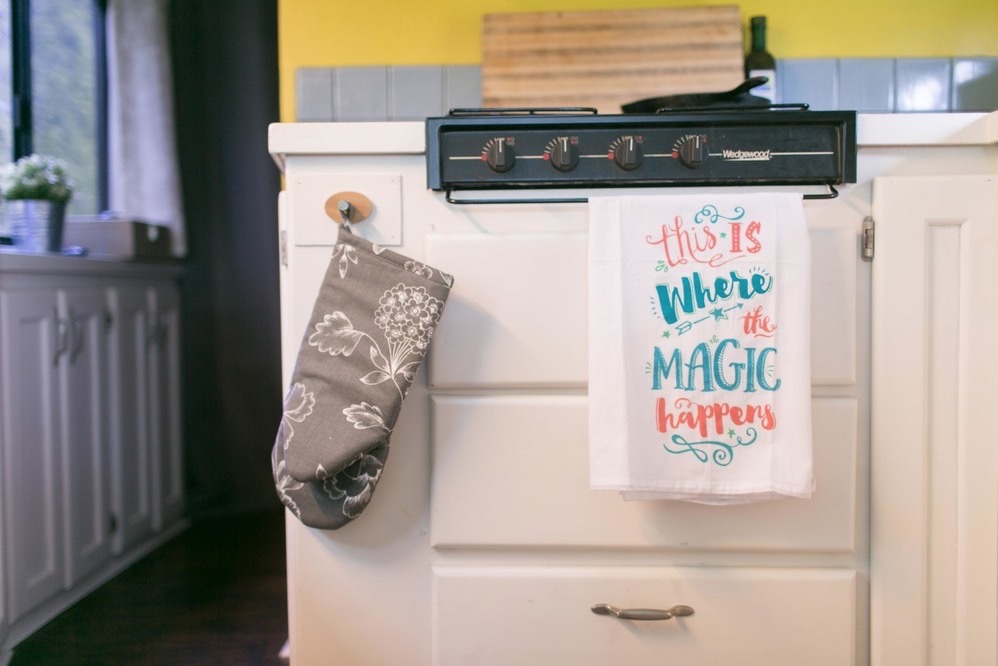
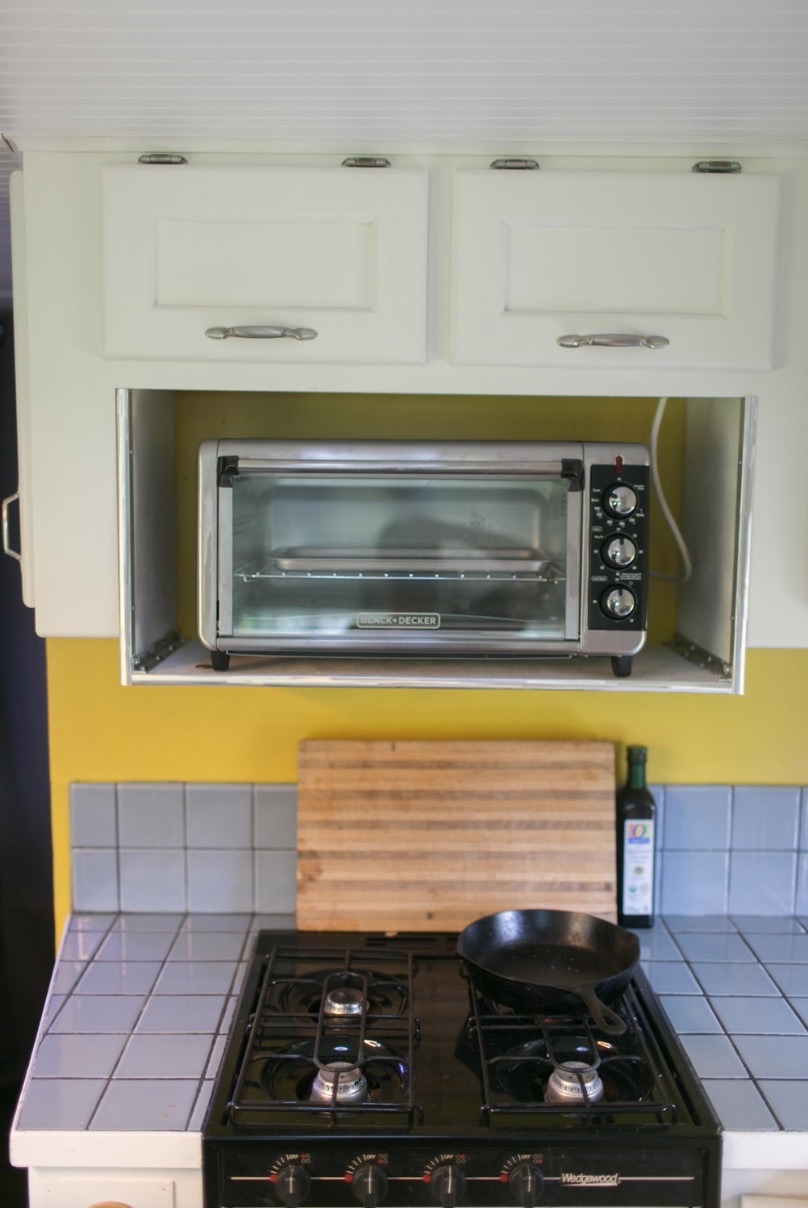
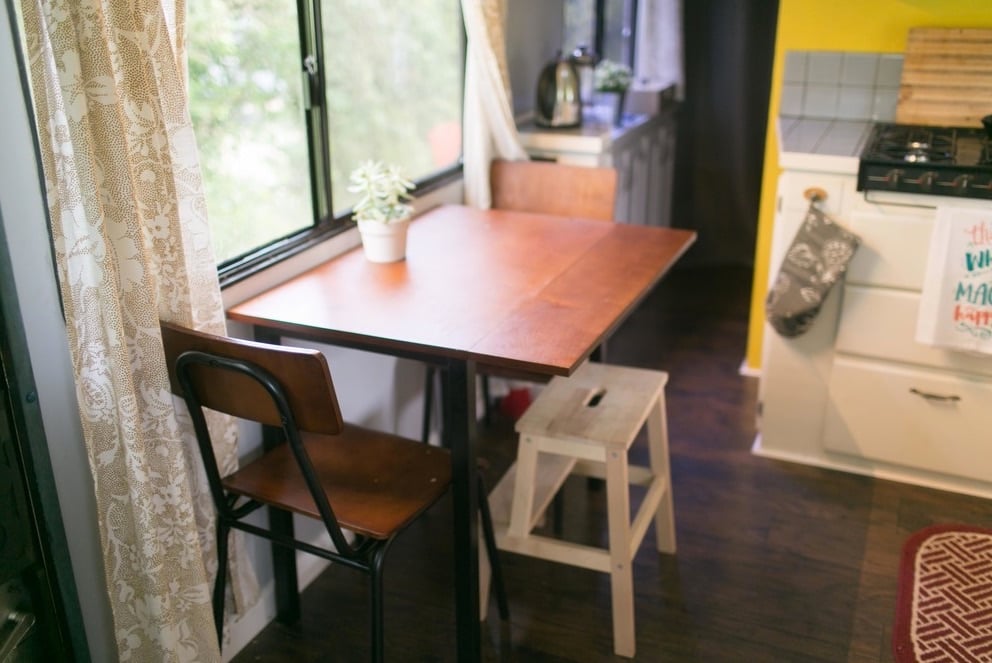
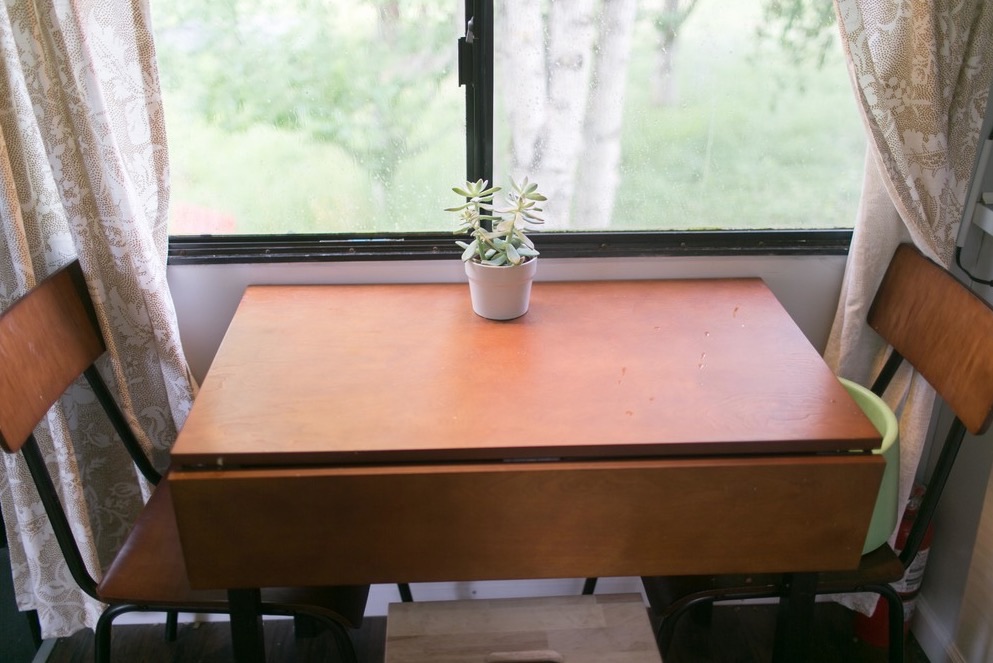
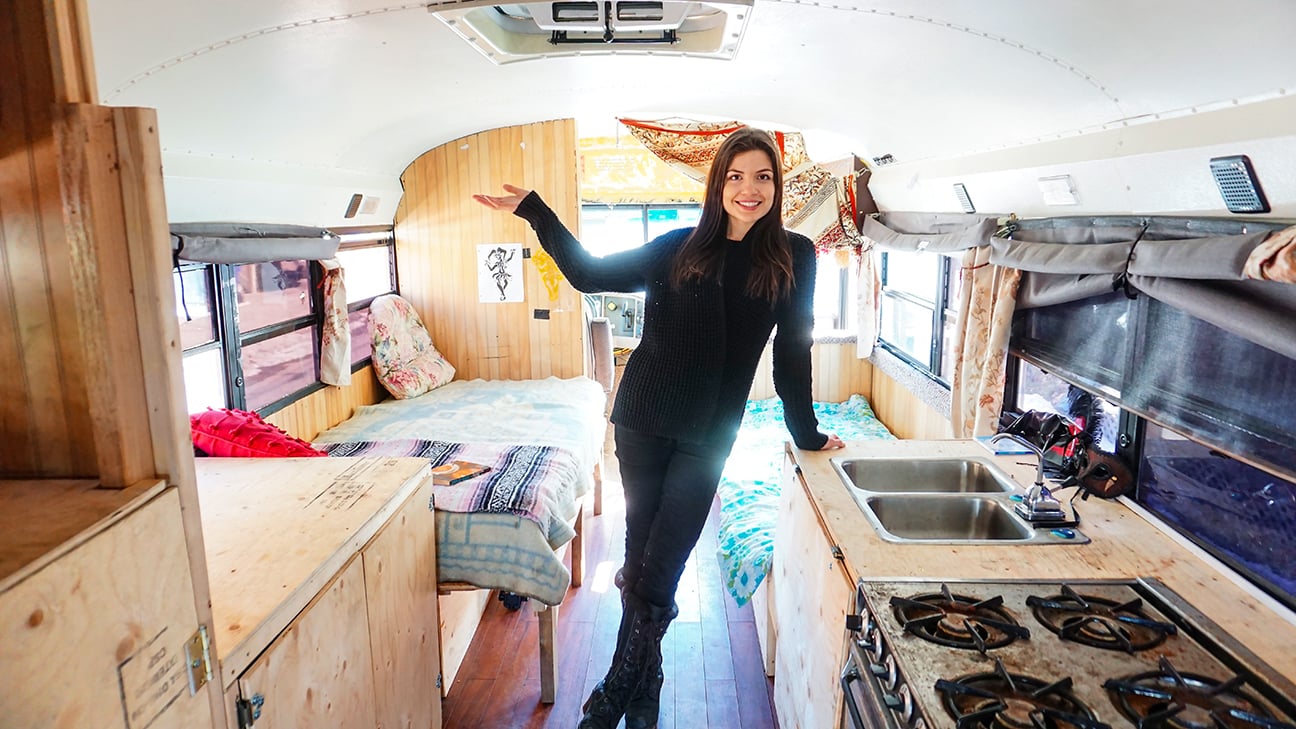
Cooking for a family of four in a motorhome kitchen requires serious organization and smart layout choices. This conversion features a functional kitchen with enough counter space and storage to prepare real meals, not just heat up quick snacks.
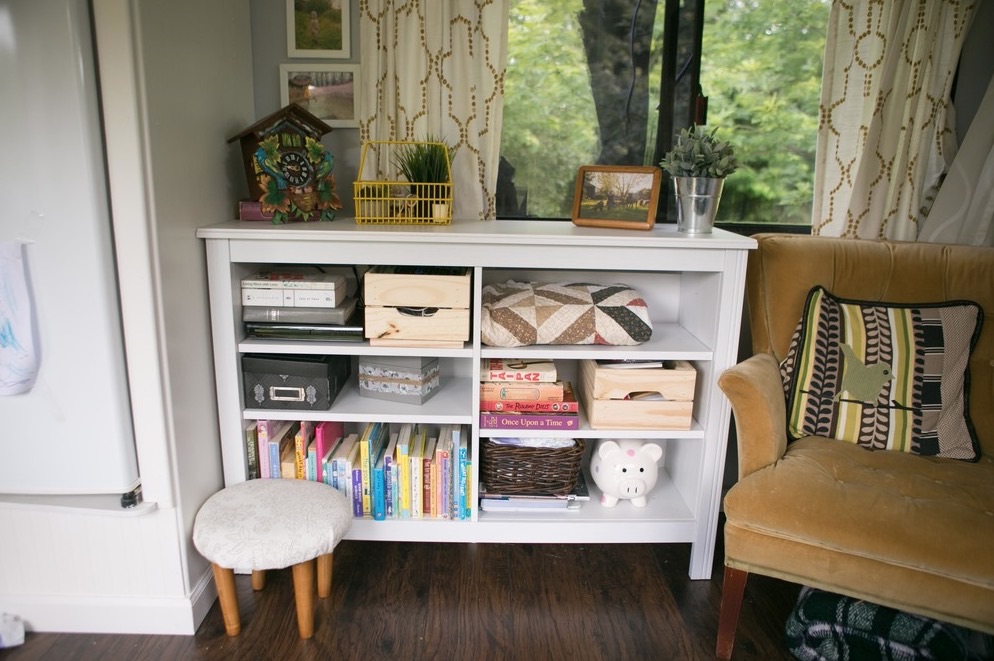
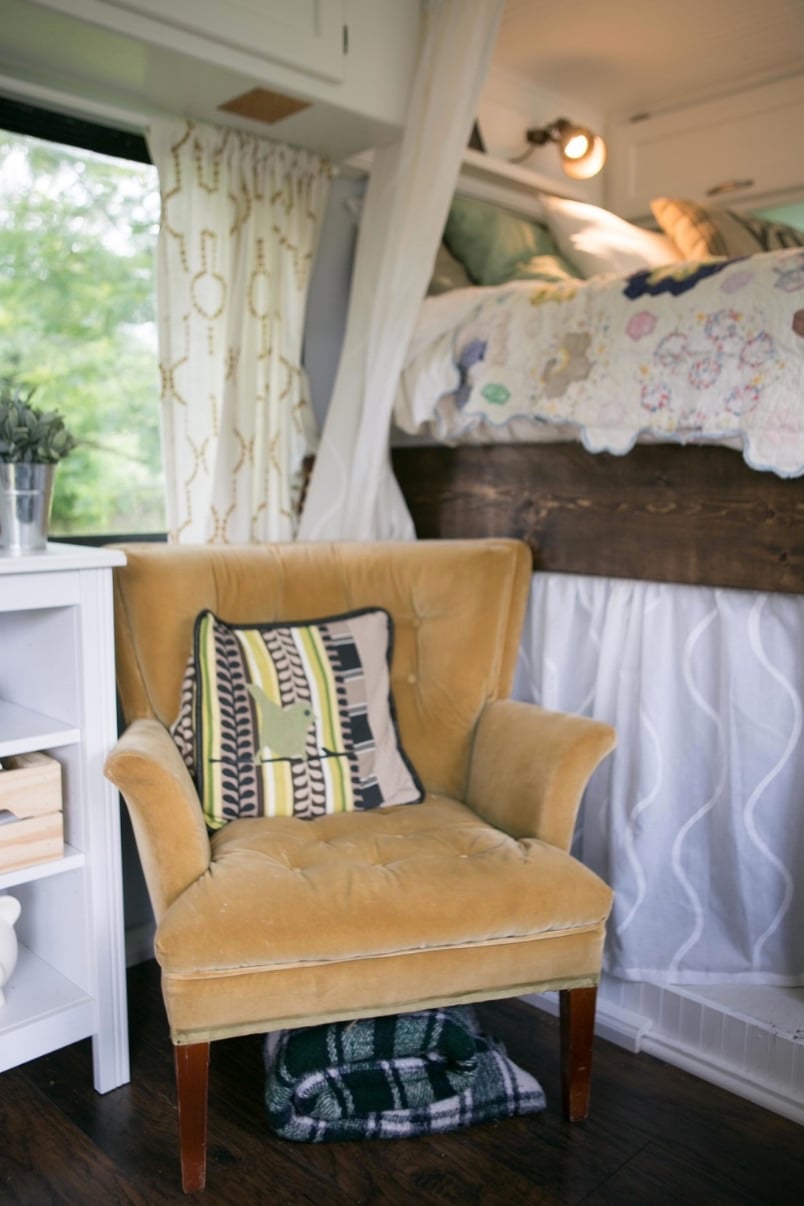
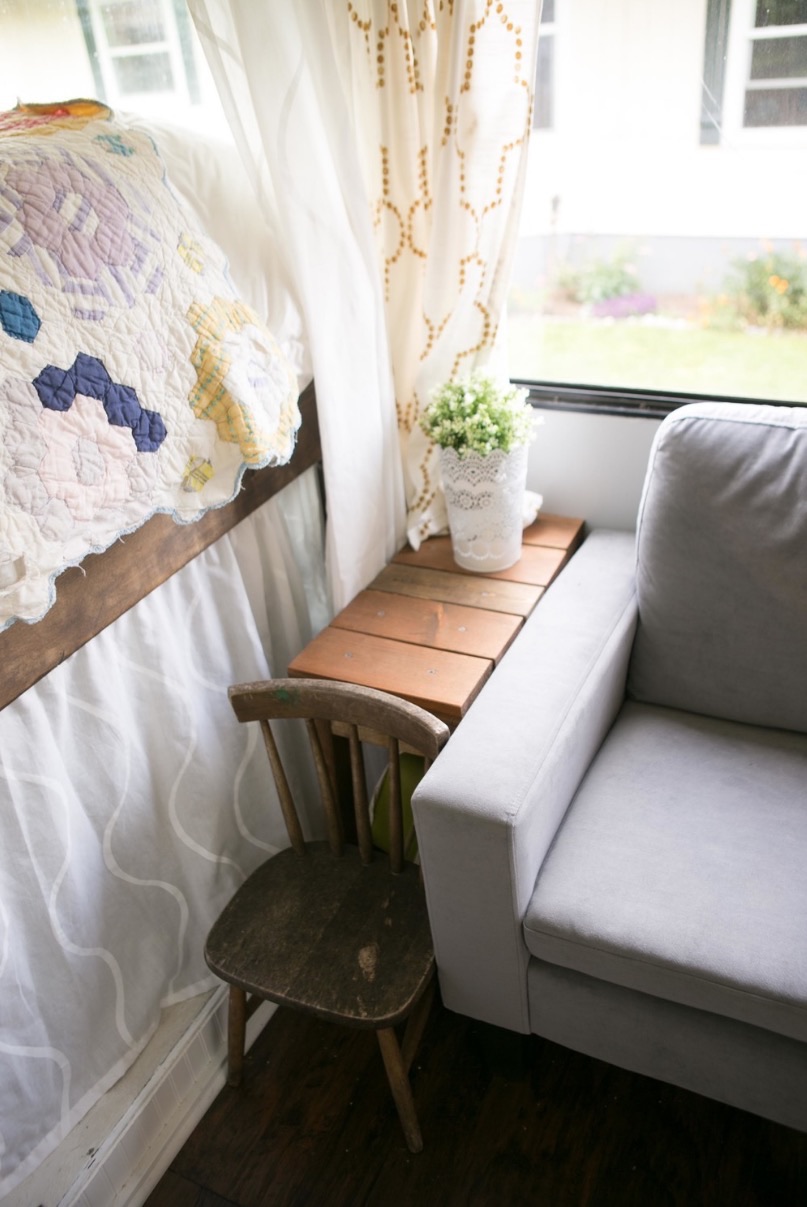
Vertical storage plays a huge role in making a motorhome kitchen workable. Open shelving keeps everyday items within reach, while closed cabinets hide the less photogenic necessities of family life. The layout allows one person to cook comfortably while the rest of the family goes about their day.
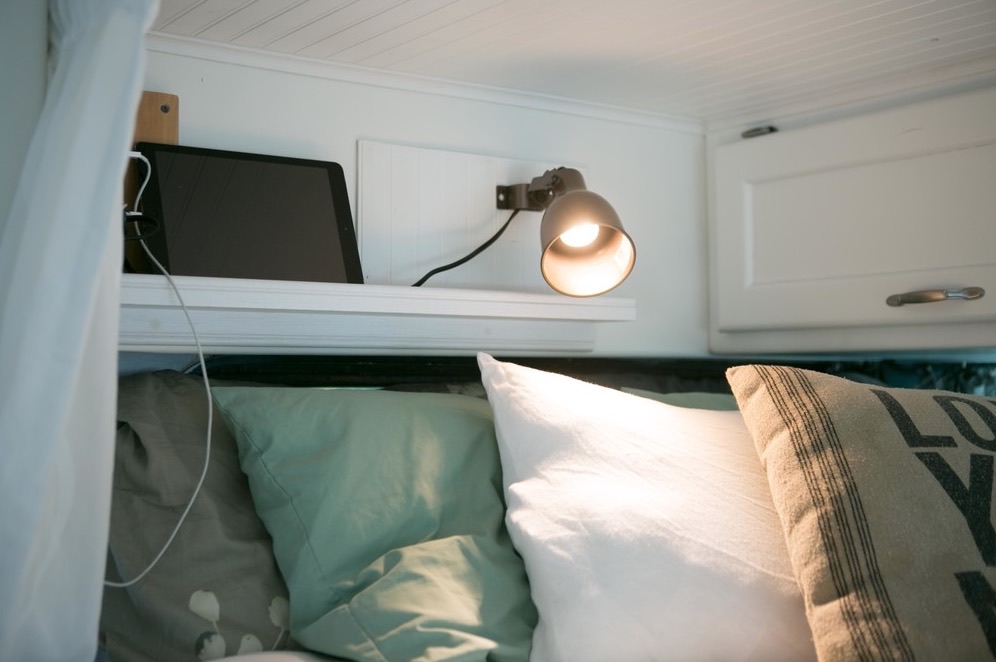

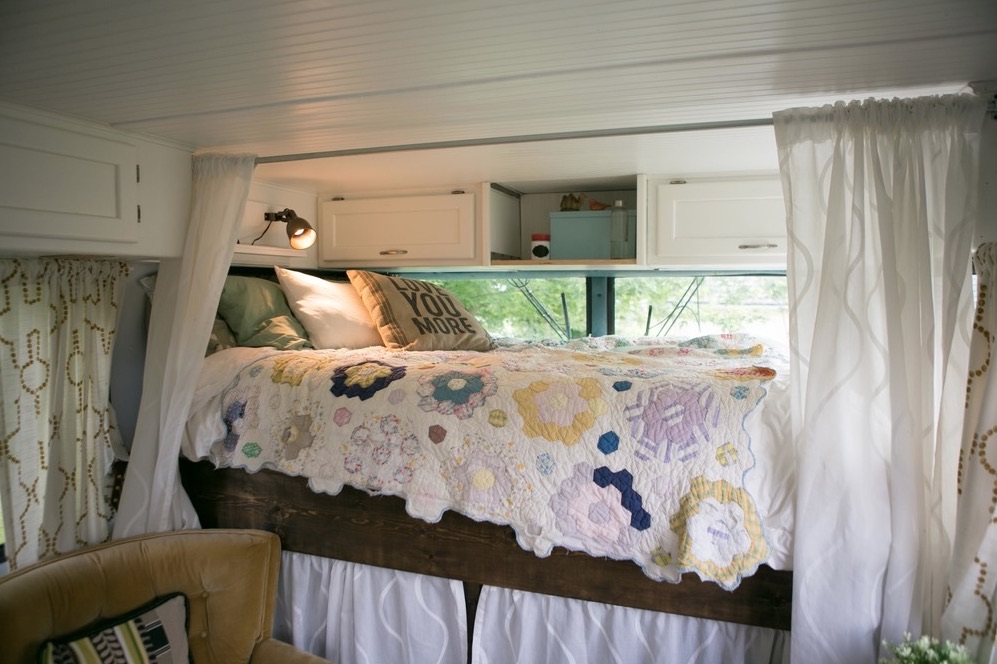
Living and Lounging Spaces
Beyond the main kitchen and formal living area, the family carved out additional nooks for relaxation and everyday living. In a full-time motorhome home, having distinct zones helps create a sense of spaciousness even within tight quarters.

The family clearly understands that livability in a tiny home comes down to the small details: good lighting, comfortable seating, and surfaces that can handle the wear and tear of children. Every fabric, cushion, and fixture earns its place.

Sleeping Quarters
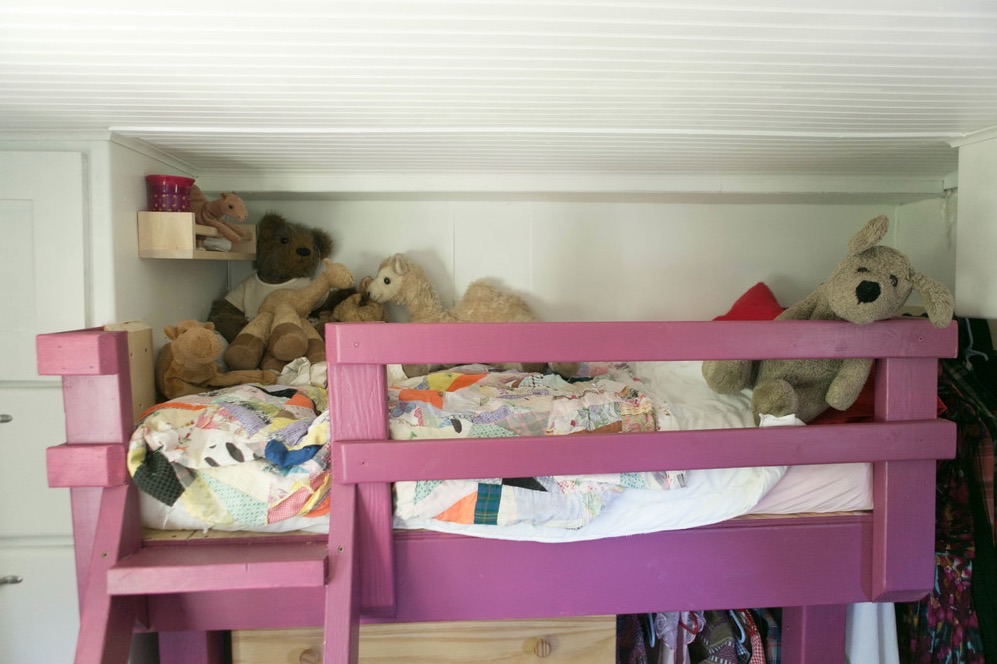
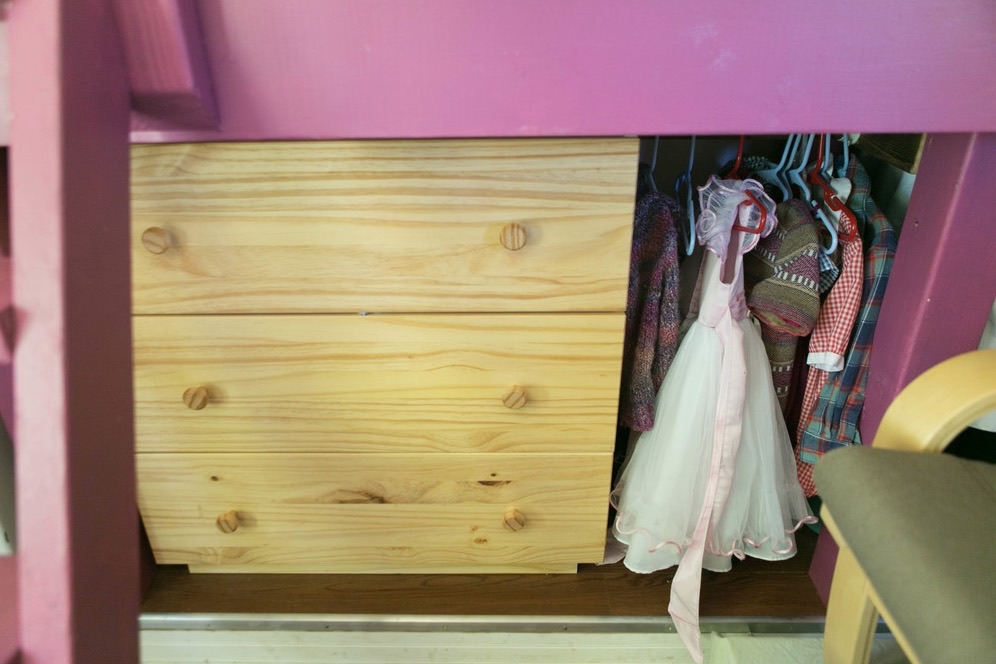
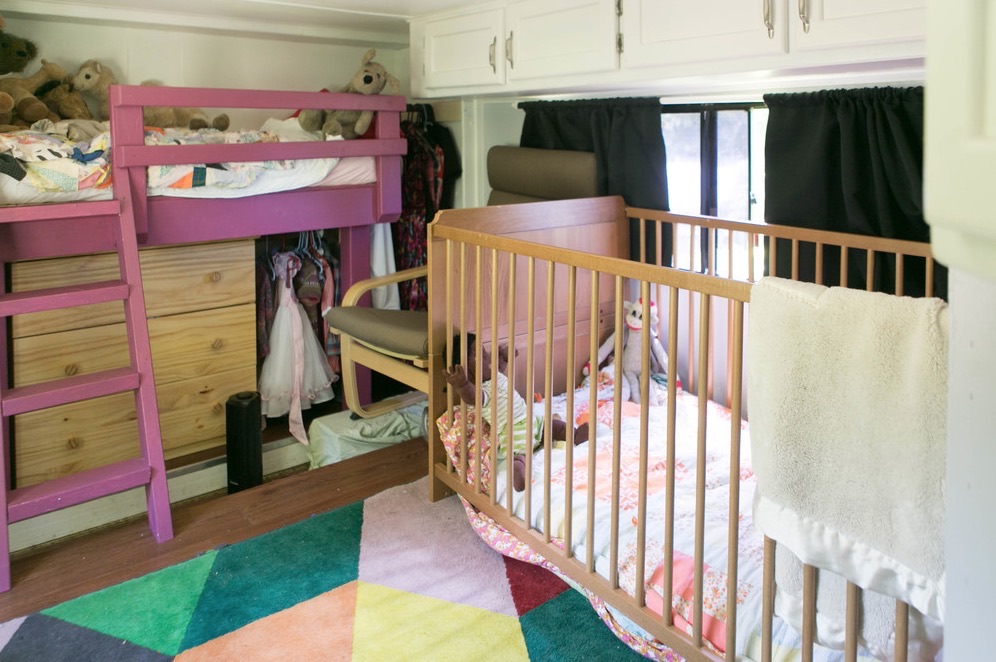
One of the biggest challenges in a family motorhome conversion is figuring out where everyone sleeps. This home solves the problem elegantly, with dedicated sleeping areas for both the parents and the children.

Privacy in a tiny home is a luxury, and this conversion makes the most of curtains, nooks, and smart layout choices to give each family member their own space to retreat to at the end of the day.

Bathroom and Utilities
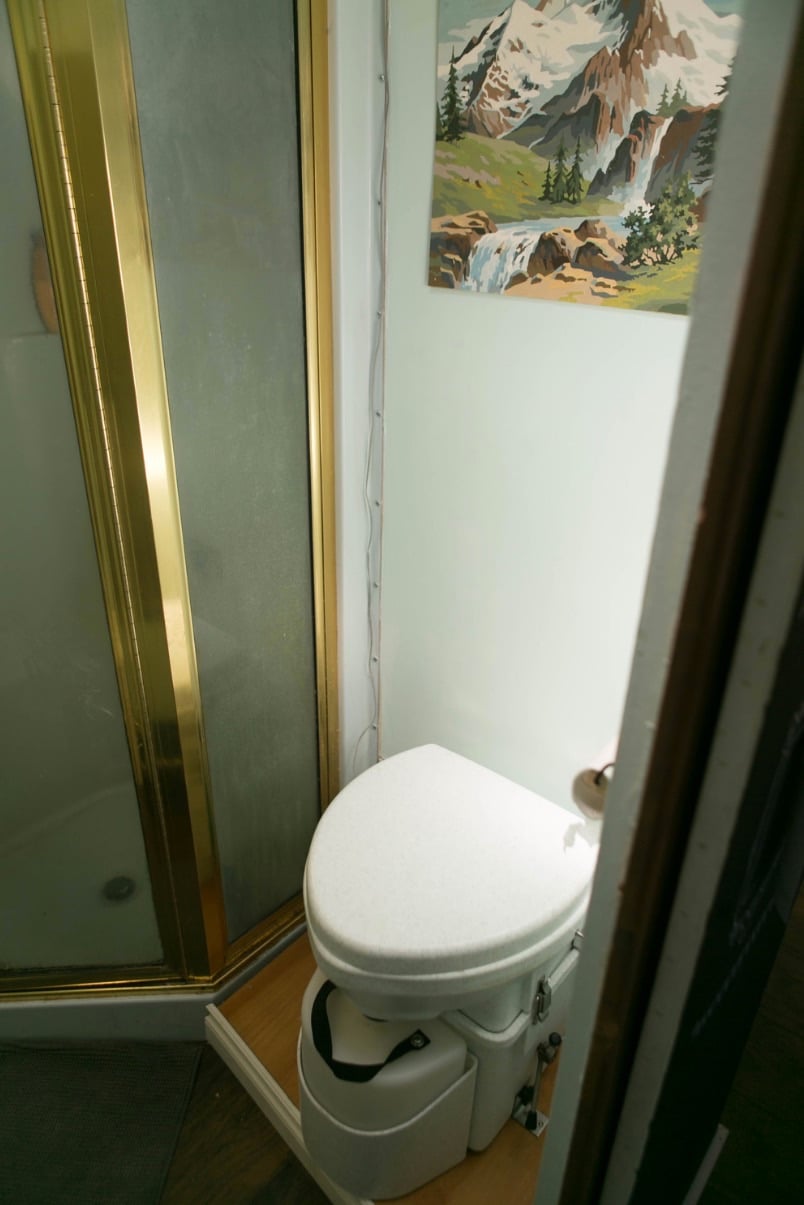
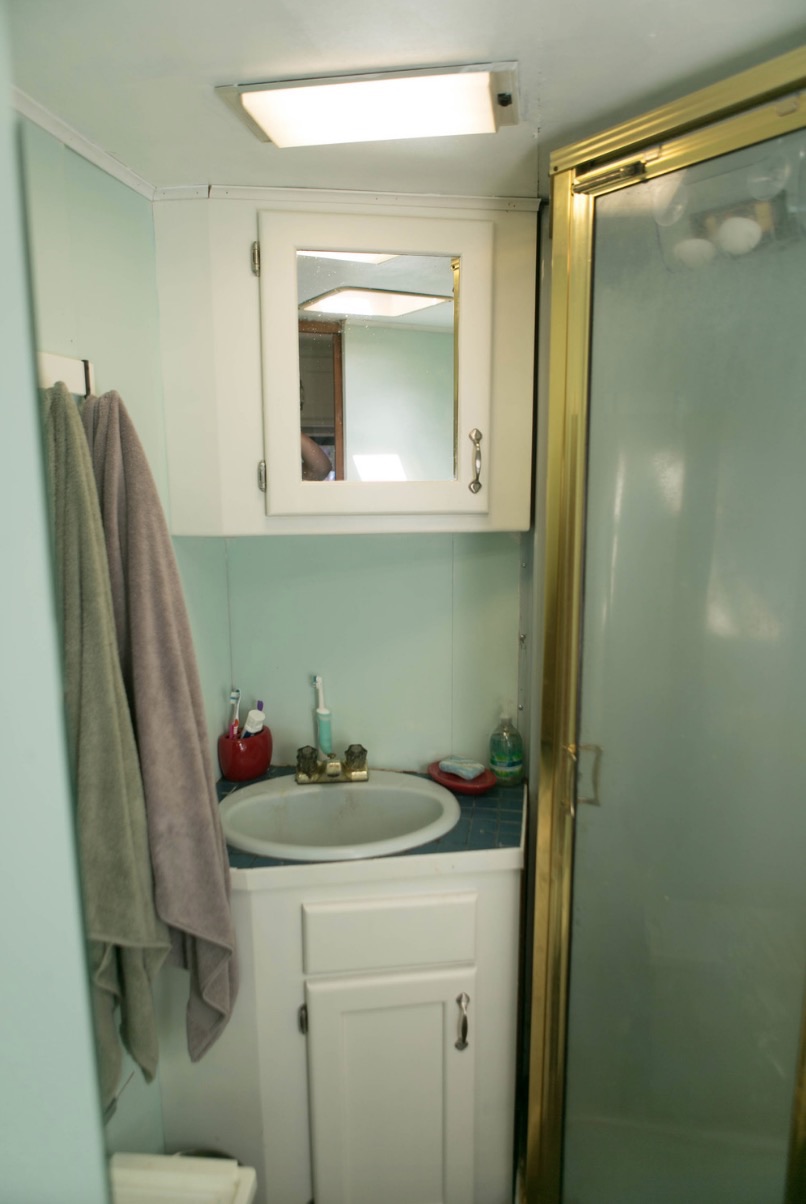
The bathroom in a motorhome conversion needs to be compact yet fully functional. This family’s setup includes the essentials without wasting an inch of space, proving that a comfortable bathroom is possible even in the tightest footprint.
Keeping a bathroom organized with a family of four takes discipline and good design. This conversion uses wall-mounted storage, hooks, and baskets to keep towels, toiletries, and cleaning supplies accessible but tidy.

Details and Personal Touches
What transforms a motorhome from a vehicle into a home is the personal touches. This family filled their space with items that tell their story: artwork, photographs, handmade items, and carefully chosen decor that reflects who they are.
Children’s artwork, plants, and meaningful objects turn bare walls into a gallery of family life. These details are what visitors notice first and what the family treasures most. A tiny home is not about deprivation. It is about surrounding yourself only with what matters.
Final Views
This 1989 Safari motorhome conversion stands as proof that families can thrive in small spaces. The combination of smart renovation choices, personal style, and a commitment to living with less has created a home that is far more than the sum of its square footage.


Highlights
- Platform: 1989 Safari motorhome
- Residents: Family of four (two adults, two children)
- Living Style: Full-time residence
- Key Features: Multi-zone layout with distinct living, kitchen, sleeping, and bathroom areas
- Design Approach: Warm, family-friendly renovation with natural textures and soft tones
- Storage: Extensive vertical storage, built-in shelving, and hidden compartments throughout
- Photography: Sara Miedema (@sarmiephoto)
For families considering a motorhome conversion, this Safari build demonstrates that children do not have to mean you need a bigger space. They just mean you need a smarter one. With dedicated sleeping areas, a functional kitchen, and enough personal touches to make it truly feel like home, this 1989 Safari proves that thoughtful design can accommodate a family of any size.
Disclosure: This post may contain affiliate links. If you purchase through one of our links, we may earn a commission at no additional cost to you.


Alex
Latest posts by Alex (see all)
- A Northwoods Cabin-Style Tiny House Shell with a Wood Stove in Michigan’s Upper Peninsula - November 19, 2026
- Owl Creek Cabin Grew Up: The Case for Building Small and Adding On Later - November 19, 2026
- Sleep in a Converted Cedar Greenhouse With a Loft Bed Under the Glass Roof - November 19, 2026









Join the Conversation
23 comments