

Disclosure: This post may contain affiliate links. If you purchase through one of our links, we may earn a commission at no additional cost to you.
If you’re wondering if tiny homes appreciate or depreciate in value over time, we’re here to tackle that question for you!
Roy Asks, “Do Tiny Houses Appreciate or Depreciate in Value?”
Could you do an article about whether tiny houses appreciate or depreciate in value. I would think that one built on wheels, so it could be moved, would depreciate like an RV or trailer. But one built on a permanent foundation would appreciate in value, like any regularly built home. Am I right or not? Thanks for the help.
Roy Bonnell
So what do you think? Do tiny homes on trailers appreciate or depreciate? And why? Well, here’s what we think and why:
Hello Fast Company readers! If you’re interested in considering tiny or small houses as an option for you – join our FREE Tiny House Newsletter – you’ll get a FREE email course to clue you in on everything tiny!
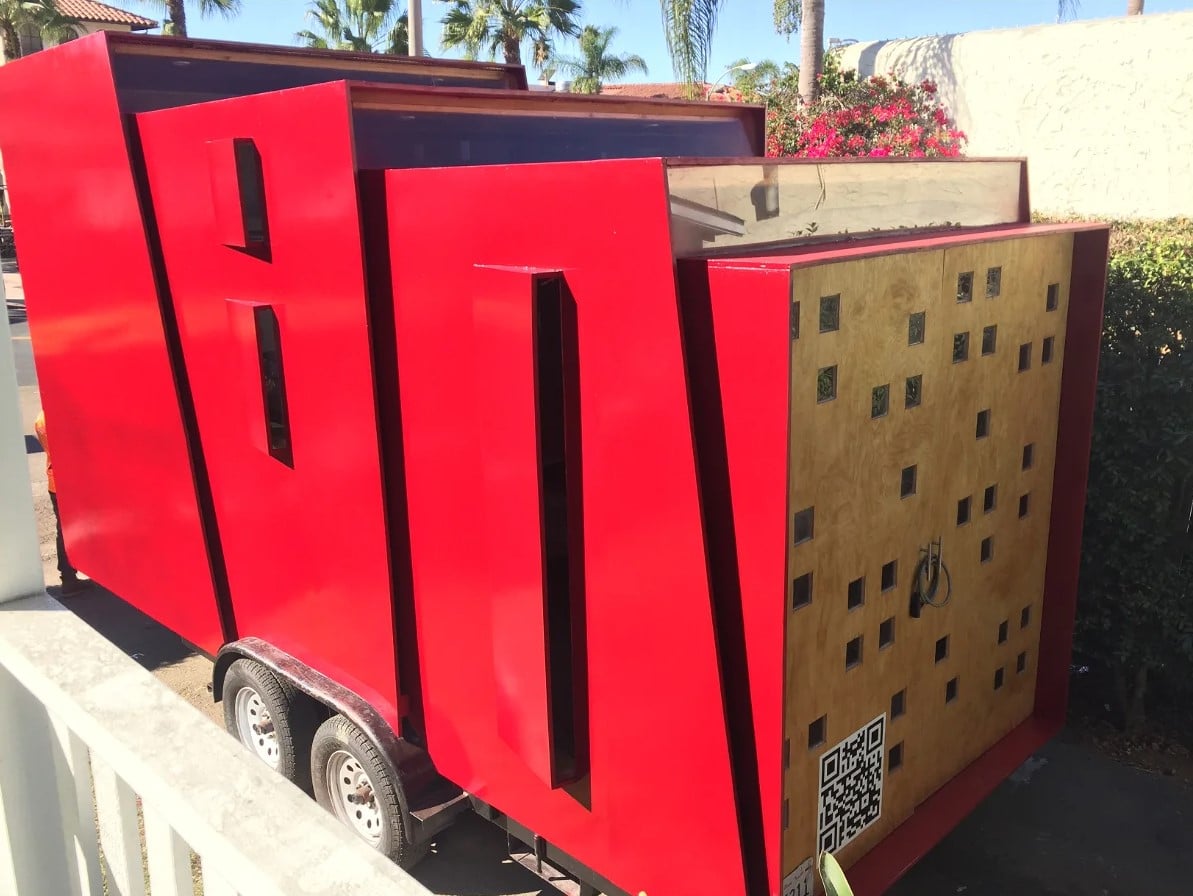
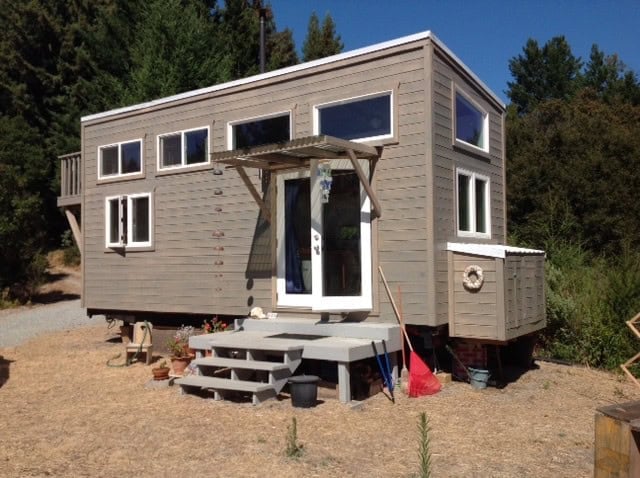
The Pearl Tiny House on Wheels by MTL

Alex’s opinion:
Unfortunately, Most THOW’s ARE Going to Depreciate In Value
Here’s Why:
Roy’s got the right idea because if you have a tiny home on a trailer, like most other trailers or motorhomes, it will depreciate over time because of normal wear and tear.
Unless…
Unless your tiny home somehow happens to be so unique and valuable that there is high demand for it (and low or no supply), right? It’s like a collectible car or something, which is unlikely. You would also have to keep it in tip-top condition for a long time.
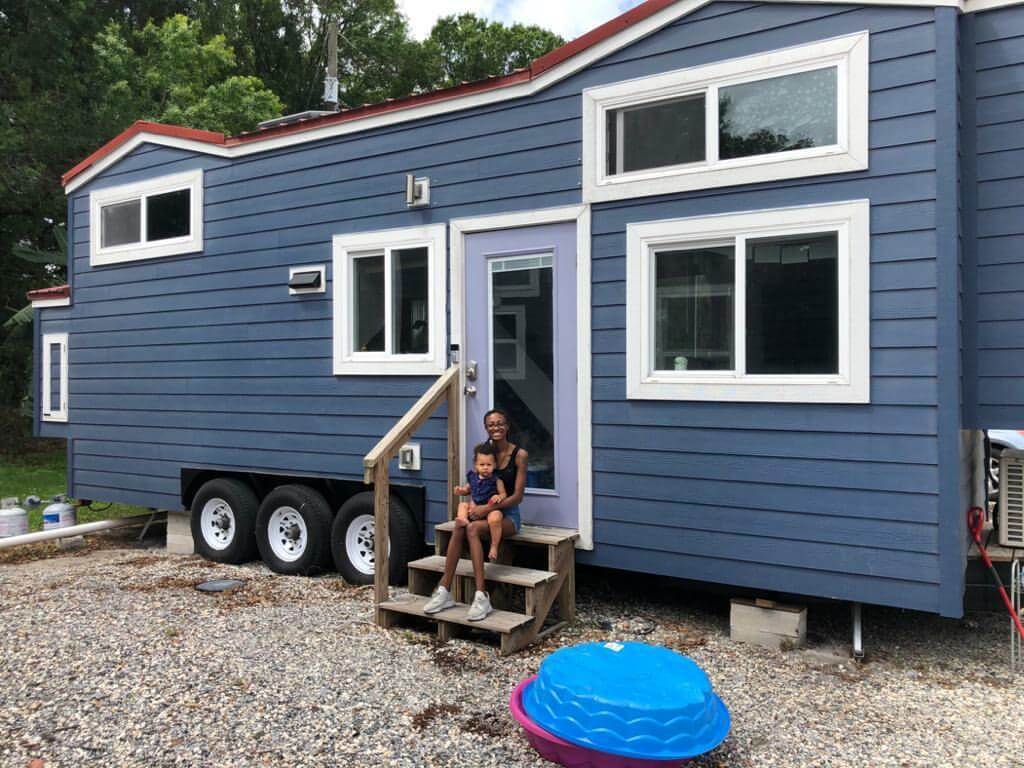
The Damselfly THOW by Zyl Vardos

Now, suppose your tiny home happens to be on a foundation on your piece of land. In that case, your tiny house structure still depreciates over time, just like ALL structures (because of wear and tear and so on), but the land it sits on usually appreciates over the long term because it’s land, and there’s only so much of it, right?
Since homeowners usually keep their homes adequately maintained (cleaning, painting, new roof, windows, etc.), this also helps maintain the structure’s value and an overall long-term appreciation for the property. If you let the structure deteriorate over time by not properly maintaining it, you will only be left with the value of your land.
Land is What Appreciates Over Time, NOT Structures and Dwellings
So it’s land that appreciates, NOT structures and dwellings. There is no guarantee that your land will appreciate even though it is highly likely, especially over a long period.
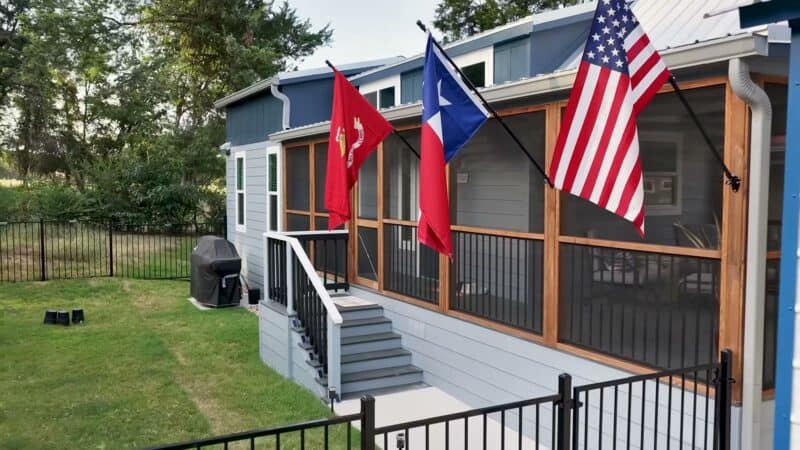
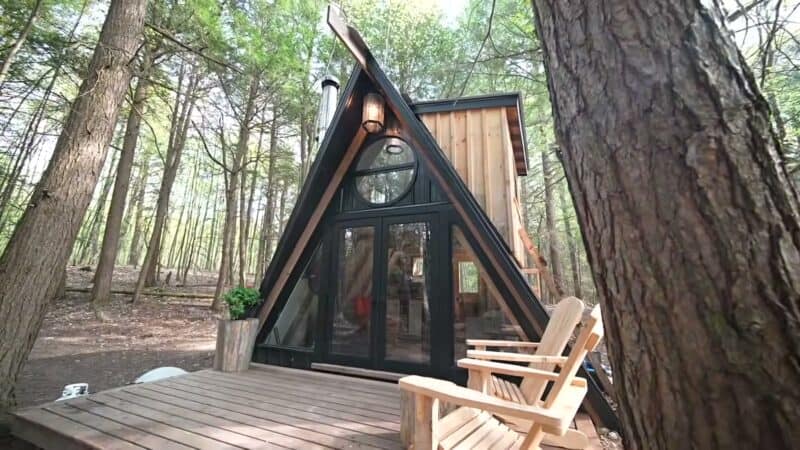
Tiny Cabin on a Foundation in Asheville by Nanostead

ASKTHT: Your Tiny House Questions Answered! Do Tiny Homes Appreciate or Depreciate in Value?
You can listen to me tackle the question in our new ASKTHT Podcast, which is coming soon below:
What Do You Think?
Did we do a good job of answering this question? If not, what did we miss? Let’s talk about it in the comments!
Do Tiny Houses Appreciate or Depreciate in Value?
Tiny houses have gained popularity over the past decade as an affordable, minimalist, and sustainable living option. But one common question arises for prospective buyers or builders: Do tiny houses appreciate or depreciate in value over time? The answer isn’t straightforward, as it depends on several factors. Let’s explore the financial dynamics of tiny homes.
Understanding Tiny House Value
In general, real estate is seen as a stable and appreciating investment. However, tiny houses occupy a unique space in the housing market, often operating outside of traditional real estate parameters. Factors such as whether the tiny house is on wheels (THOW) or on a permanent foundation, its location, build quality, and market demand all influence its value trajectory.
1. Tiny Houses on Wheels (THOW)
Tiny houses on wheels are often classified as personal property, similar to RVs, rather than real estate. This classification means they typically depreciate in value over time, much like a vehicle. The main reasons for depreciation include:
- Wear and Tear: Tiny homes on wheels are often moved, which can lead to structural wear over time.
- Classification: THOWs are not tied to land, which traditionally appreciates in value.
- Market Perception: Buyers often view THOWs as temporary or niche living solutions.
That said, well-maintained tiny homes with unique or high-quality features may retain their value better and could even command higher resale prices in markets with strong demand.
2. Tiny Houses on Foundations
Tiny homes built on permanent foundations are typically classified as real estate. If they are located on owned land, the property as a whole has the potential to appreciate over time. Factors influencing appreciation include:
- Land Value: In many cases, the value of land increases, which can drive up the total property value.
- Zoning and Location: Tiny homes in areas with favorable zoning laws, growing communities, or desirable locations tend to appreciate more.
- Build Quality: High-quality materials and craftsmanship contribute to longevity and value retention.
However, smaller homes may appreciate at a slower rate than traditional houses due to their limited square footage and niche appeal.
Factors That Influence Tiny House Value
Several key factors impact whether a tiny house appreciates or depreciates:
Market Trends
The popularity of tiny houses can fluctuate. During times of economic uncertainty, the demand for affordable housing often grows, potentially increasing tiny house values. Conversely, when the economy is strong and larger homes are more attainable, interest in tiny homes may wane.
Customization vs. Standardization
Highly customized tiny homes may have limited resale appeal, as buyers may not share the original owner’s tastes. On the other hand, tiny houses with neutral designs and flexible layouts tend to attract a broader audience.
Maintenance
A well-maintained tiny house holds its value better over time. Neglecting upkeep—whether it’s structural, aesthetic, or functional—can lead to significant depreciation.
Regulations
Local laws and zoning regulations significantly impact the value of tiny houses. In areas where tiny homes are widely accepted and legally permitted, they are likely to retain or even increase in value.
Tips to Maximize Tiny House Value
- Choose High-Quality Materials: Invest in durable and eco-friendly materials to enhance longevity.
- Prioritize Location: Build or park your tiny home in an area with favorable zoning laws and market demand.
- Consider Resale Appeal: Opt for designs and features that are versatile and appealing to a broad audience.
- Maintain Your Home: Regular maintenance and updates can prevent depreciation.
The Bottom Line
Whether a tiny house appreciates or depreciates depends on various factors, including its type, location, and overall market conditions. While tiny houses on wheels tend to depreciate like vehicles, those on foundations and land have a better chance of appreciating, especially in high-demand areas. For those considering a tiny home, it’s essential to weigh the lifestyle benefits against the financial considerations to make the best decision for your unique situation.
You can share this using the e-mail and social media re-share buttons below. Thanks!
If you enjoyed this you’ll LOVE our Free Daily Tiny House Newsletter with even more! Thank you!
More Like This: Explore our Discussion Section
See The Latest: Go Back Home to See Our Latest Tiny Houses
Disclosure: This post may contain affiliate links. If you purchase through one of our links, we may earn a commission at no additional cost to you.


Alex
Latest posts by Alex (see all)
- Rosa Has Lived in Her Honda Element for 9 Years and Nearly 300,000 Miles - November 14, 2026
- Why He Lives in Two Side-by-Side Tiny Homes on Vancouver Island - November 14, 2026
- When You Want Smaller and They Don’t: Start Here - November 14, 2026








Join the Conversation
11 comments