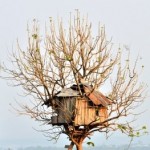
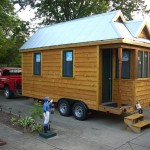
The Berkshire Botanical Garden features seven unique backyard structures designed and built by local architects, ranging from treehouses to sheds, forts, and micro cabins. Located in Stockbridge, Massachusetts, this outdoor exhibit combines garden beauty with innovative small-space architecture, open for visitors from May through mid-October.
Garden Details
Location: 5 West Stockbridge Road, Stockbridge, MA 01262
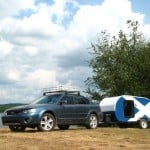
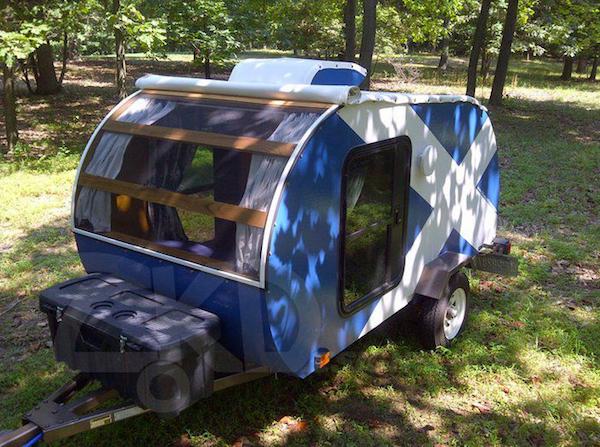
Zach Engle built this impressive teardrop trailer featuring a unique convertible roof design—you can open and close it for ventilation. It’s a fantastic example of what’s possible with a DIY teardrop build.
Why Teardrop Trailers?
If you’re not familiar with teardrop trailers, here’s why they’re so popular among tiny living enthusiasts:
Affordable: One of the most budget-friendly RV options
Easy to store: Fits in most garages and driveways
Great on gas: Lightweight design means minimal impact on fuel economy
Simple living: A major upgrade from tent camping without the complexity
Towable by most vehicles: Some weigh as little as 600lbs—even motorcycles can tow certain models
Jeremy Jackson was one of the early pioneers of tiny house travel. After building his own Tumbleweed-style tiny house over the course of a year—mostly by himself—he hit the road to explore America. His story offers valuable insights for anyone considering the mobile tiny house lifestyle.
In this interview, Jeremy shares his motivations, fears, and the realities of those first days on the road with a tiny house in tow.
The Interview: Jeremy’s Tiny House Story
THT: What made you decide to start building a tiny house?
J: I woke up one day feeling frustrated with the world and my own life. My business was dying and I have been suffering from an industrial injury. Everything was crashing down on me.
I started to ponder about what would happen when my mother and siblings would pass because I am the youngest. At the time I was living with my mother. Well that evening I checked my email and stumbled onto the Yahoo! article which featured the tiny house movement and Jay Shafer.
I was instantly hooked from that moment on and I saw a spark of hope. I spent the next few months learning everything that I could on how to build a tiny house until I came up with a plan to build one myself because it made good sense to me.
I decided that if I were going to commit to building my own tiny house, I needed to get to it without allowing myself to over analyze the possible pitfalls. So I jumped in head over heels and started buying materials whenever and wherever I could get them.
So I sold all of my valuables, including the DJ and Karaoke business, and just started even though I am disabled and on a fixed income because I felt that if I were going to survive, I had to take a risk.
THT: So how long did it take you to complete the tiny house?
J: It has taken me the best part of a year to complete it (mostly by myself) but finally, it’s done.
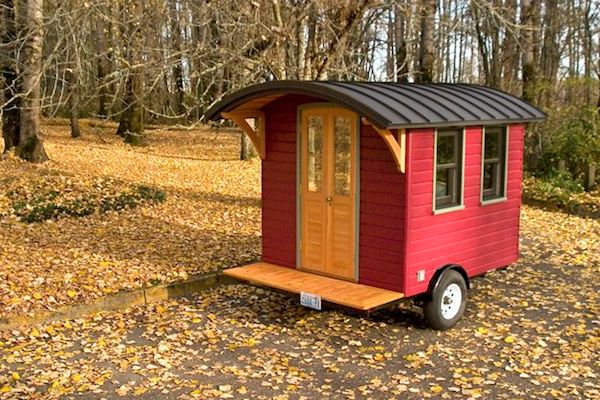
Dee Williams is one of the most recognized names in the tiny house movement, and her Don Vardo designs offer a beautiful alternative to traditional tiny houses. These gypsy-style caravans combine the aesthetic appeal of a tiny house on wheels with the functionality and easy mobility of a small camper.
Whether you’re looking for a writing studio, guest quarters, or a weekend getaway wagon, the vardo style offers something unique.
What is a Vardo?
Vardos are traditional horse-drawn wagons historically used by Romani people. Today, the term refers to small, ornate mobile dwellings that capture that classic caravan aesthetic. They’re a great alternative to:
Traditional travel trailers
Tent camping
Teardrop campers
Standard tiny houses on wheels
About Portland Alternative Dwellings (PAD)
PAD is a tiny house construction company based in Portland, Oregon, founded by Dee Williams and Katy Anderson. Katy is a licensed contractor with over 20 years of experience, while Dee runs Boxcar Woodcraft out of Olympia, Washington.
The organization focuses on building small spaces that are better for the environment, with all structures designed to be constructed on trailers for maximum mobility.
When HGTV’s Design Star featured Tumbleweed Tiny Houses, it marked a significant moment for the tiny house movement. The episode challenged three finalist contestants to design the interiors of Jay Shafer’s 99 square foot Box Bungalow tiny houses—bringing small-space living to millions of mainstream viewers.
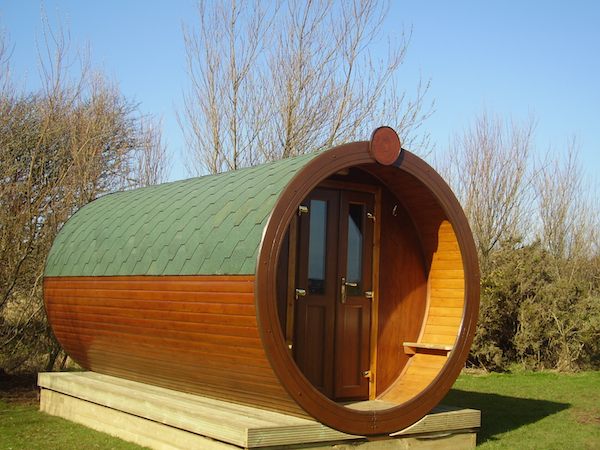
Microlodge UK created a distinctive line of micro cabins designed for campgrounds—offering guests something between traditional tent camping and a hotel room. Their hobbit-inspired designs showcase what’s possible with compact, well-designed camping shelters.
The company’s product line demonstrates the variety possible in glamping accommodations:
The Microlodge Cabin – Full-sized tiny cabin (128 sq ft)
The Mini Microlodge – Micro cabin (64 sq ft)
The Wild West Wagon – Wagon-inspired design
The Wee Microlodge – Bathroom facility
The Microlodge Cascade – Shower facility
The 128 Square Foot Microlodge
The full-sized Microlodge measures 16′ x 8′ x 8′ and includes impressive features for its compact size:
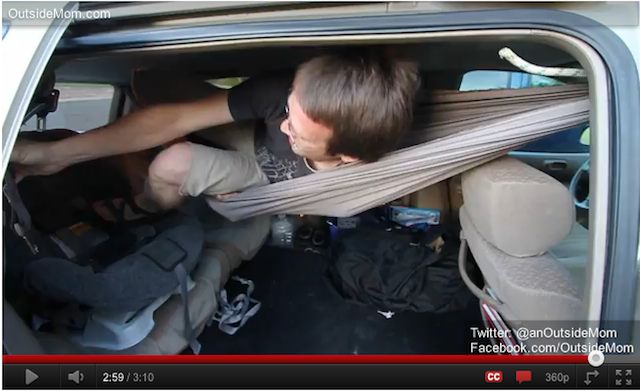
Your family minivan can double as a surprisingly comfortable camping shelter. With a clever hammock setup, you can sleep a family of four—two adults and two kids—without buying an RV or setting up tents in bad weather.
This technique works great for:
Camping trips when weather turns bad
Long road trips when you need rest
Budget-friendly family adventures
Spontaneous overnight stops
What You’ll Need
Before heading out, remove your middle row seating to create sleeping space. Then gather these supplies:
The Freedom Microlite Caravan demonstrates that full-featured camping doesn’t require a heavy-duty tow vehicle. At just 9 feet long, 6 feet 1 inch wide, and approximately 1,400 pounds, this British-made pop-up caravan can be towed by compact cars and subcompacts—opening up travel trailer camping to drivers who assumed their vehicles couldn’t handle it.
Key Specifications
Length: 9 feet
Width: 6’1″
Weight: Approximately 1,400 lbs
Roof: Pop-up design for added headroom when parked
Features That Defy the Size
Despite its compact footprint, the Freedom Microlite includes amenities typically found in larger caravans:
Wet room with shower capability
Toilet (layout varies by model)
Refrigerator
Indoor cooking area—no need to cook outside in bad weather
Convertible sleeping arrangements—single bed can become bunk beds
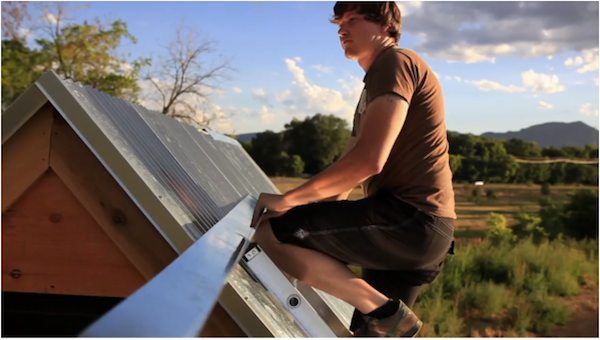
TINY: A Story About Living Small is a documentary film that follows filmmaker Christopher Smith as he builds his own tiny house in the mountains of Boulder, Colorado—despite having no prior construction experience. Along the way, he interviews other tiny house dwellers to explore a fundamental question: What makes a good home?
The Film’s Premise
Christopher Smith, along with co-director Merete Mueller, set out to document the tiny house movement from the inside. Rather than simply observing, Smith immersed himself in the experience by purchasing a 5-acre plot of land and building his own small dwelling from scratch.
The documentary captures:
The building process: Learning construction skills with no prior experience
The challenges: Weather, setbacks, and the reality of DIY building
The philosophy: Interviews with tiny house pioneers exploring why people choose small
The question: What do we really need to feel at home?