Tiny houses offer a practical solution for those tired of maintaining oversized homes and the lifestyle costs that come with them. By downsizing, residents shed excess possessions and free themselves from working to support spaces they rarely use. The same principles that make sailboat living work apply equally well on land.
Benefits of Tiny House Living
Reduced Maintenance: Smaller spaces require less time and money to maintain
Forced Decluttering: Limited space requires keeping only what matters
Lower Costs: Reduced mortgage, utilities, and lifestyle expenses
Environmental Impact: Smaller footprint means less resource consumption
Freedom: Less financial burden creates more life options
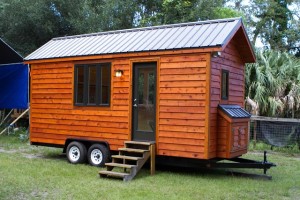
This video compilation showcases various small and tiny houses discovered during explorations in Florida, including structures found in Matlacha. The clips feature a range of compact dwellings from small barn-sheds to converted box truck homes, demonstrating the variety of tiny living options found in real-world settings.
Video Details
Duration: 38 seconds
Content: Small and tiny house clips
Locations: Various Florida locations including Matlacha
Featured Structures: Barn-sheds, box truck conversions, small homes
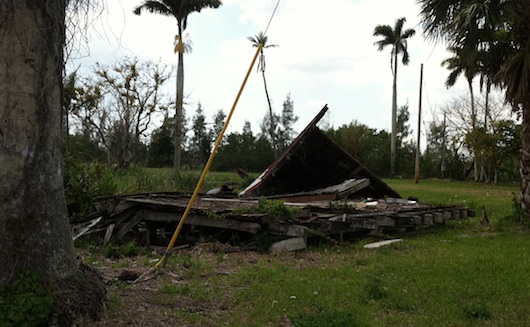
This abandoned shed discovered in the Florida Everglades demonstrates the durability of small structures over time. Despite weathering and neglect, the shed remains standing while a larger adjacent structure has completely collapsed to its foundation. The contrast illustrates how compact buildings often outlast larger ones when left to the elements.
Structure Details
Location: Florida Everglades
Type: Abandoned shed/small structure
Condition: Weathered but standing
Adjacent Structure: Larger building collapsed to foundation
Living happily in a tiny house requires designing life so the dwelling serves as a home base while community resources extend functional living space. Like college dorm living, tiny house residents sleep, eat, and relax at home while outsourcing other activities to community venues. This approach makes small spaces feel spacious by treating the neighborhood as additional square footage.
French architect firm Fabre de Marien transformed a double car garage in Bordeaux, France into a 441 square foot modern small house. The conversion features floor-to-ceiling glass doors, wood exterior cladding, a sloped ceiling that rises toward the rear, and a sleeping loft with skylight. The design maximizes natural light through the glass front while maintaining privacy from neighbors.
Davis, California maintains over 100 miles of bike paths and achieves 17% bicycle commuting rates, higher than any other US city. City planners began protecting and creating bicycle infrastructure in the 1960s, creating a model for integrated bike-friendly urban design. For tiny house enthusiasts seeking car-free lifestyles, bicycle-oriented cities like Davis demonstrate how infrastructure enables sustainable transportation.
Davis Bicycle Infrastructure
Bike Paths: Over 100 miles of dedicated routes
Commuting Rate: 17% of residents use bicycles as primary transportation
Ranking: Highest bicycle commuting rate in the United States