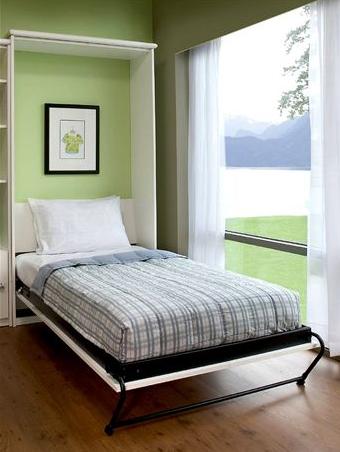
Murphy beds (wall beds) offer a compelling space-saving solution for tiny houses, allowing bedrooms to transform into living or work areas during the day. While lofts remain the most common sleeping solution in tiny houses on wheels, Murphy beds provide an alternative for those who prefer main-floor sleeping.
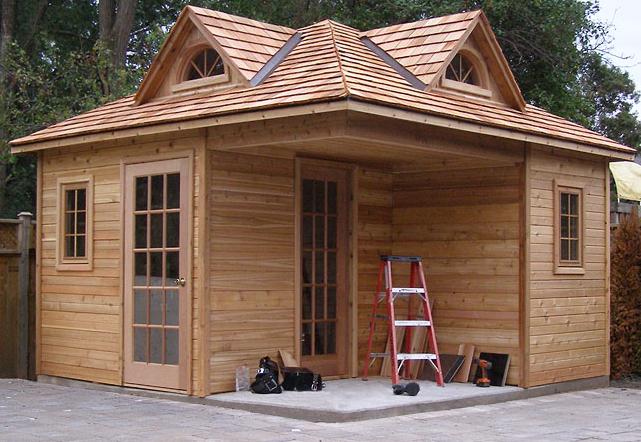
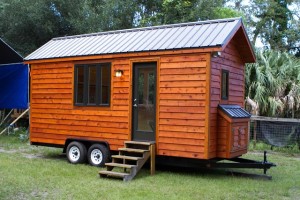
Pool cabanas and garden structures offer potential as tiny house alternatives. These prefabricated buildings—originally designed as pool houses, storage sheds, and backyard retreats—can serve as guest houses, home offices, or small dwellings with some modifications.
The Walking House by N55 is an experimental mobile dwelling designed for nomadic living. Powered by solar panels and small windmills, it features mechanical legs that allow movement across various terrains without roads. The design includes rainwater collection, water heating, composting toilet, and a wood-burning stove.
Managing space in a tiny house requires furniture that serves multiple purposes. Sofas, couches, sectionals, ottomans, and modular cubes with built-in storage compartments help maximize every square foot while keeping belongings organized and accessible.
Sofa with Under-Cushion Storage
Storage compartments located under seat cushions provide accessible hidden storage. Typical dimensions: 21″ wide x 15″ long x 6″ deep with lids and solid bottoms to secure contents.
Building a tiny house for use as a backyard office combines the satisfaction of DIY construction with the practical benefit of a dedicated workspace. This timelapse video documents the complete construction process from foundation to finished structure.
Video: Tiny House Build Timelapse
This timelapse compiles hundreds of video clips recorded over 14 months of weekend construction, showing a 204 square foot tiny house built from the ground up.
Pacific Yurts, founded in 1978, is the original designer and manufacturer of the modern yurt. Their structures combine traditional circular design with contemporary materials and engineering, creating durable shelters suitable for year-round living, vacation retreats, or commercial use.
Video: 30-Foot Pacific Yurt Assembly
This video shows complete assembly of a 30-foot Pacific Yurt from foundation preparation through finished interior.
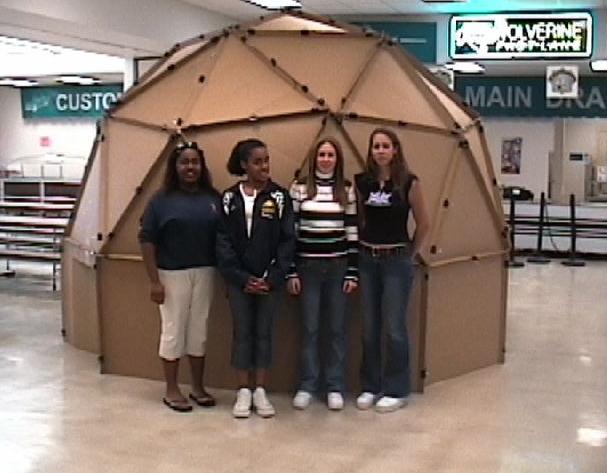
This classroom project demonstrates how geodesic dome construction principles work using simple materials. Students built a 15-foot diameter dome entirely from corrugated cardboard boxes and giant binder clips, proving that dome structures can be assembled with minimal tools and recycled materials.
The Little House in Toronto, Canada is one of the narrowest homes in the world at just 7 feet wide by 47 feet long. Built in 1912, this 312 square foot house fits a full basement, living room, bathroom, bedroom, and kitchen into its slender footprint.
Street View of The Little House
The house is sandwiched between two normal-sized houses on a Toronto street, filling what was likely an unused gap between properties.
This 12×24 tiny house design by Michael Janzen of Tiny House Design demonstrates how a compact 288 square foot footprint can include all essential living spaces with an optional sleeping loft for additional room.
Video: 12×24 Tiny House Design Walkthrough
This video walks through the design showing how all components fit together.